




Why Are Yellow Decorative Roof Tiles Becoming a New Choice for Building Appearance?
Roofing materials have never just served basic protection. They shape how a building looks from the outside and often stand out as one of the most eye-catching parts of the overall facade. In today's construction projects, designers no longer treat roofs as plain structural components. Instead, they pay close attention to roof hues, shapes and surface textures to elevate a building's overall aesthetic.
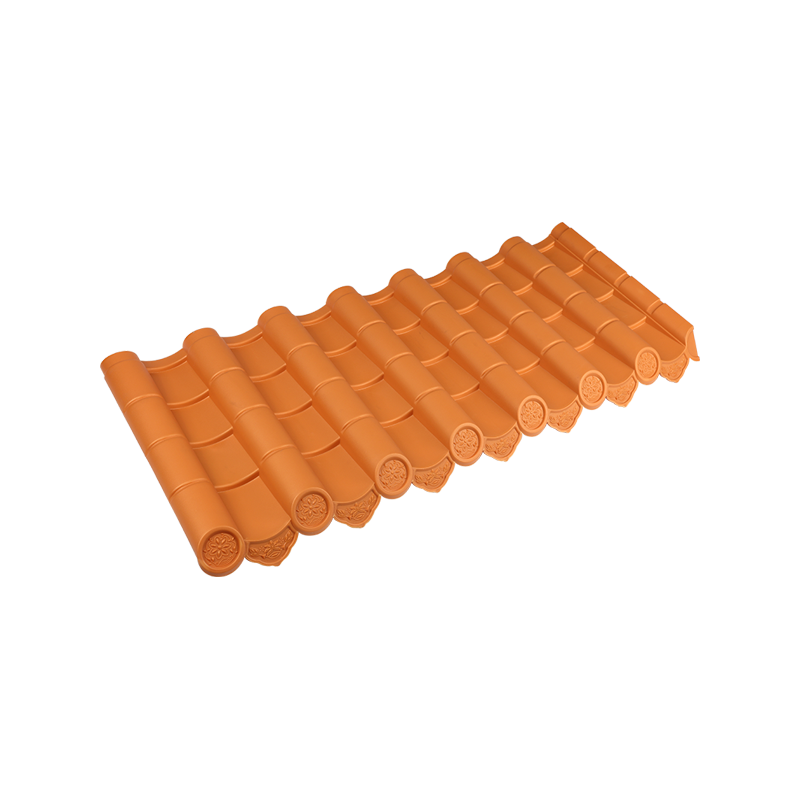
Yellow decorative tile have grown increasingly popular thanks to their warm, inviting visual effect. Applied on all kinds of buildings, this soft tone gives structures a friendly vibe and helps architecture blend naturally with its surrounding landscape.
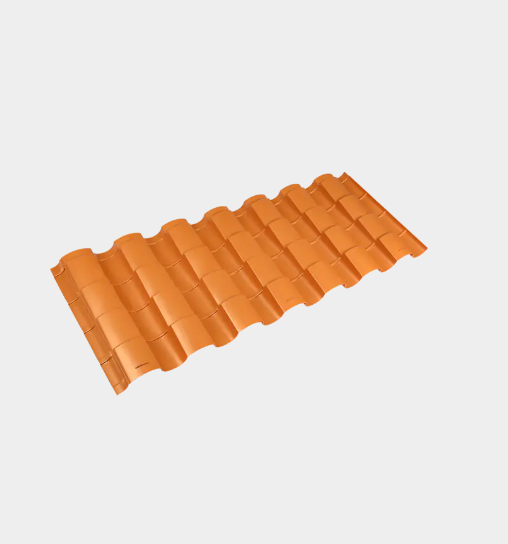
Most classic roof designs stick to neutral, muted colors. Yellow offers a fresh alternative for creative design. It brightens up residential homes, gives public buildings a unique look, and adds distinct personality to landscape architectural structures.
As custom architectural styles become mainstream, more property owners and designers are stepping away from rigid, uniform designs and trying out creative finishing materials. Updating roof colors is a simple yet effective way to adjust a building's overall mood, without overhauling its main structure.
How Can Yellow Roof Tiles Change the Character of a Building?
Roof color greatly impacts a building's first impression from a distance. A yellow roof delivers a warm, approachable feel and bridges the gap between man-made structures and the natural environment.
For residential buildings, homeowners often pick yellow roof tiles to create a cozy, lively look. Rather than letting the roof blend into the background, this vibrant shade turns the rooftop into a standout visual feature of the house.
Commercial and public venues also benefit from this unique roofing color. It creates a memorable architectural temperament. Cultural centers, leisure parks and garden facilities commonly use decorative roofing to help visitors feel more connected with the space.
Yellow is an incredibly versatile tone. It complements classic architectural layouts to create a traditional, artistic charm, while also pairing well with minimalist modern structures to produce a clean, stylish contrast.
| Building Style | Visual Effect of Yellow Decorative Roof Tiles |
|---|---|
| Traditional buildings | Adds a classic and artistic feeling |
| Modern homes | Creates a warm and personalized appearance |
| Garden structures | Enhances the relationship between architecture and nature |
| Public spaces | Helps create a recognizable visual feature |
Beyond simple decoration, roof color sets the overall mood of a building and directly influences people's sensory experience of the entire space.
Why Are Decorative Roof Tiles Receiving More Design Attention?
Modern architectural design prioritizes personalized space creation. Today's construction projects focus heavily on detailed touches that reflect local culture, living habits and unique visual characteristics.
Decorative roof tiles perfectly fit this design trend, combining practical protective performance with creative aesthetic expression. Designers no longer regard roofs as purely functional parts of a building; they treat rooftops as valuable design carriers to inject color and stylistic personality into buildings.
Yellow roof tiles adapt well to diverse architectural concepts. They fit perfectly with traditional retro designs, and can also serve as a striking highlight in contemporary minimalist projects.
Their popularity stems from a balanced design advantage: simple but distinctive. There's no need for complex exterior decorations. A simple shift in roof color and texture is enough to make a building stand out.
Designers and builders often choose decorative roofing materials for these practical reasons:
- Builds a stronger and more impressive visual presence
- Adds unique personality to conventional building designs
- Achieves harmonious matching with surrounding landscapes
- Caters to themed design requirements of various projects
- Refreshes the overall look of old and outdated buildings
As public aesthetic demands continue to upgrade, decorative building materials have become an indispensable part of modern architectural design.
Where Are Yellow Decorative Roof Tiles Commonly Used?
Yellow decorative roof tiles boast strong scene adaptability, and are not limited to a single type of construction project. They can be flexibly applied in various building environments.
Residential housing is one of the most common application scenarios. A yellow tiled roof gives private homes a warm, welcoming vibe, blending seamlessly with courtyard gardens, outdoor spaces and natural scenery.
In hospitality and commercial settings, rooftop styling plays a key role in shaping the overall ambiance. A uniquely colored roof helps create a comfortable, impressive environment that leaves a deep impression on customers and visitors.
Landscape architecture also widely adopts yellow decorative roofing. Outdoor pavilions, garden lounges and recreational facilities all use these bright tiles to enrich landscape layers and add unique ornamental charm.
| Application | Design Purpose |
|---|---|
| Private homes | Creates a warm and unique appearance |
| Outdoor leisure spaces | Adds decorative value to the environment |
| Cultural buildings | Supports artistic and traditional styles |
| Commercial properties | Builds a stronger visual impression |
Thanks to high flexibility, yellow decorative roof tiles can either act as the core visual highlight of a building or serve as subtle decorative details to optimize the overall facade effect.
What Role Do Yellow Roof Tiles Play in Modern Architectural Trends?
Modern architecture is shifting toward human-centered, nature-integrated design. A building's value is no longer judged solely by its structural stability. Its exterior appearance, spatial atmosphere and emotional resonance with people have also become core evaluation criteria.
Roof design is a key part of this industry shift. Designers are constantly exploring new roof colors and surface treatments to create buildings with richer individuality.
Yellow decorative roof tiles precisely fit this design direction. They add vibrant color tones to buildings without overcomplicating the overall design, endowing simple architectural structures with unique expressive power.
Modern architectural design advocates the integration of natural elements and creative materials. The soft yellow tone pairs perfectly with green plants, wood-textured facades, stone materials and outdoor landscapes, achieving a balanced and harmonious coexistence between buildings and nature.
The popularity of decorative roofing also reflects the industry's pursuit of personalized design. Different buildings carry different functional positioning and cultural connotations, and targeted material selection is the best way to highlight such differences.
How Should Designers Match Yellow Roof Tiles with Other Building Elements?
Selecting yellow roof tiles requires overall consideration of the whole building's design system, instead of designing the rooftop in isolation. The roof color must coordinate with exterior walls, doors, windows and the surrounding environment to present a unified aesthetic.
Color matching is particularly critical. Paired with neutral-colored wall surfaces, yellow roofs can stand out and create a strong visual hierarchy. Matched with natural earth tones, it delivers a softer, more gentle overall architectural temperament.
Building form also affects the final presentation effect. For buildings with simple and neat structures, yellow roofing can act as the main visual focal point. For buildings with complex decorative details, yellow tiles serve as a balancing element to unify the overall design rhythm.
Designers usually focus on three core points in the matching process:
Environmental coordination
The roof color needs to adapt to local landscapes and neighboring buildings to avoid abrupt visual effects and maintain overall regional harmony.
Stylistic consistency
Different architectural styles require different matching logic. Traditional architectures use yellow tiles to inherit cultural charm, while modern architectures use them to create trendy color contrasts.
Long-term aesthetic performance
The decorative roof must maintain stable color and texture for a long time, ensuring it always matches the building's styling without becoming outdated.
Excellent roof design relies on overall coordination. A single color cannot determine the final effect; the organic collocation of all architectural elements shapes the unique temperament of a building.
How Are Material Choices Influencing Future Roof Design?
The construction industry is always exploring new ways to balance building functionality, appearance and design flexibility. Roofing materials are no longer just structural accessories, but important media for communication between buildings and people.
Decorative roofing materials cater to the rising demand for personalized customized spaces. Both property owners and designers favor materials that combine solid practical performance and unique aesthetic value.
Yellow decorative roof tiles are a typical example of traditional building materials adapting to modern aesthetic needs. While injecting fresh visual temperament into buildings, they still retain the most basic and reliable protective functions of roofing systems.
Future roof design will pay more attention to color expression, texture layering and personalized design. As buildings become more closely integrated with people's lifestyles and natural environments, decorative roofing materials will continue to occupy an important position in architectural design.
Why Does Yellow Decorative Roofing Create More Personalized Building Spaces?
Every building has unique functional positioning and spatial temperament. Residential spaces pursue warmth and comfort, while public venues focus on identifiable spatial features. Roof color is an effective tool to realize these differentiated design goals.
Yellow decorative roof tiles provide a simple and efficient design solution to create warm, distinctive building appearances. They allow architects and owners to break the monotony of traditional roofing colors and develop unique visual design ideas while maintaining natural architectural harmony.
The booming application of colored roofing reflects a major shift in architectural aesthetics: buildings are no longer just functional spaces, but carriers of style, emotion and creative design.
Through reasonable material selection and collocation, yellow decorative roof tiles can effectively enrich architectural details and inject unique personality and vitality into modern buildings.


 Email:
 Phone:
 Adress: