



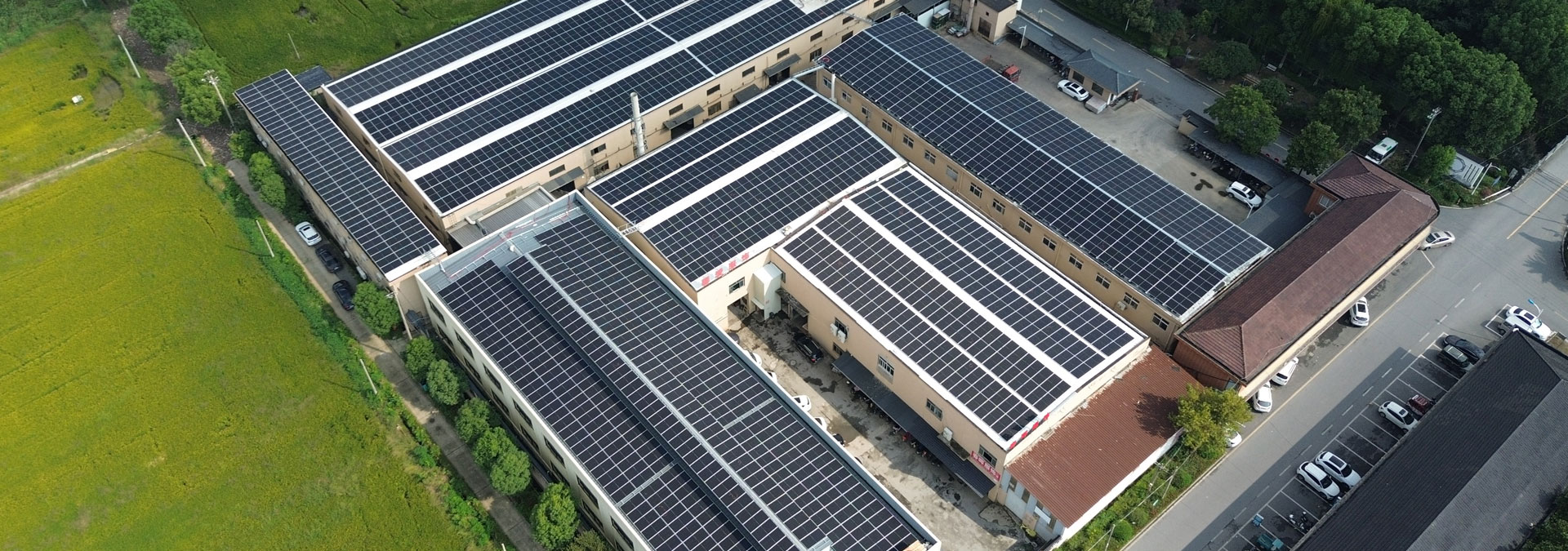
Reasons Standing Water Develops on Roof Surfaces
Water sits on a roof when it has no clear path off the surface. Flat spots, blocked outlets, uneven patches or anything sticking up can stop the flow. Once water stays put it puts extra weight on the covering, raises the chance of leaks and wears the surface faster. Keeping rainwater moving forms part of ordinary roof care. A deflector can form one piece of that system when the roof layout and the place it sits both suit the job.
Basic Function of a Roof Deflector Component
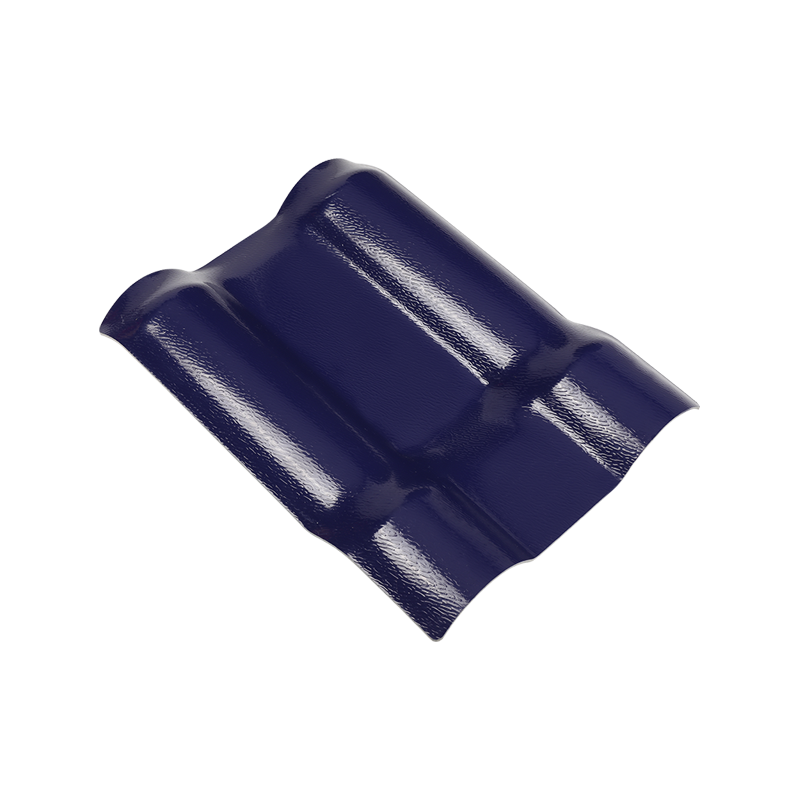
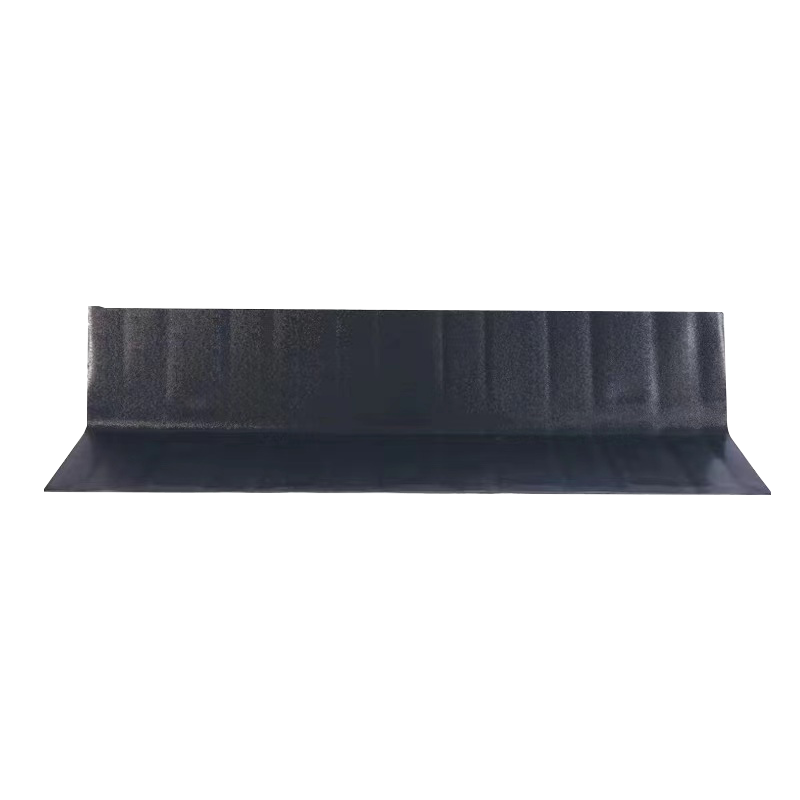
A roof deflector simply changes the direction of flowing water so runoff heads away from chosen spots. The shape of the piece and where it sits decide which way the water goes. It works with flashing, channels, gutters and the rest of the roof details rather than on its own. Placed right, it keeps water heading toward the intended drains instead of letting it gather against projections or transitions. A roof Bearing Deflector can sit in that system when the roof shape needs directed diversion around particular features.
Potential Contribution of a Deflector to Reducing Ponding
Guiding Runoff Away from Vulnerable Spots
A deflector set upstream of a low area or an obstruction can push water around the problem zone. The flow then continues toward a drain or gutter instead of stopping and building up. Whether it works depends on the existing slope and on nothing else blocking the path further down.
Handling Water Near Roof Projections
Anything that rises above the roof plane breaks the normal runoff path. Water that hits these features can slow down or turn back and settle in the dips next to them. A deflector placed to catch that flow keeps the water moving past the interruption.
Supporting an Existing Drainage Layout
When the roof already has enough overall slope and clear outlets, a deflector can tidy up the local path of water around details that would otherwise create swirls or back-ups. It adds to the main drainage system rather than replacing it.
Recognizing the Limits of Any Single Component
A deflector cannot fix a roof that has too little slope, blocked drains or structural dips. In those cases the real problem has to be dealt with first. The piece only redirects water that can already flow; it does not create movement where none exists.
Typical Locations Where Deflectors Find Use
Flat and Low-Slope Roof Surfaces
On roofs with very little pitch, water creeps along slowly and is easy to stop. Deflectors help keep the movement continuous around features that would otherwise cause local ponding.
Metal Panel Roof Systems
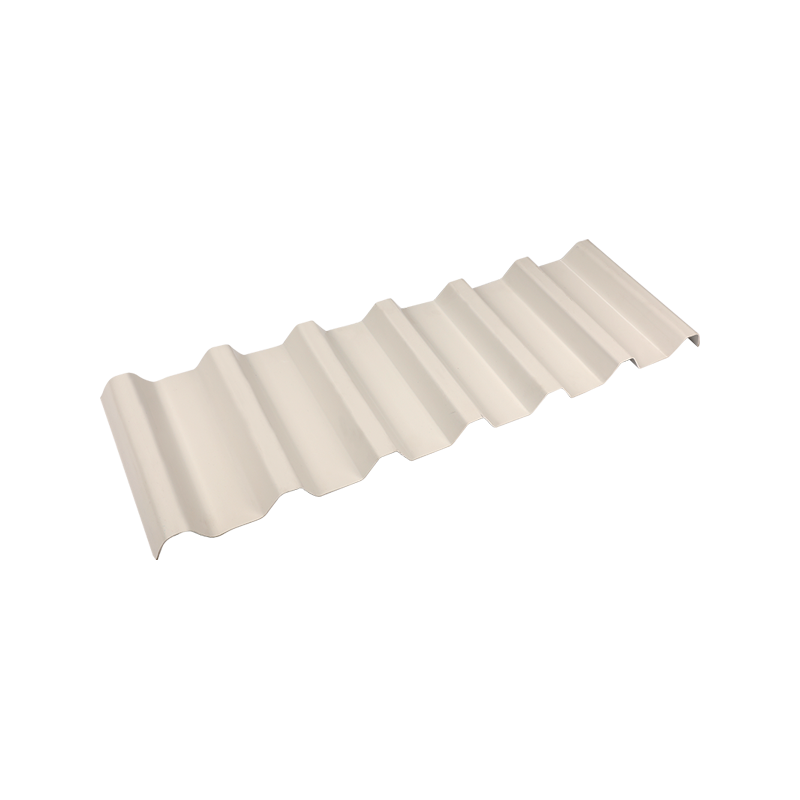
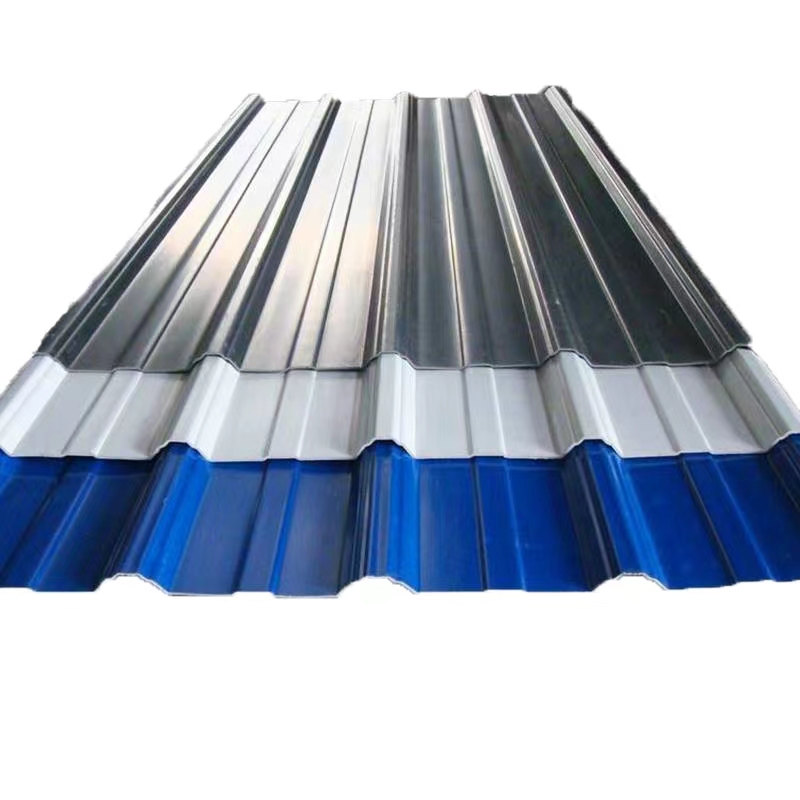
Compatible deflector shapes can sit inside or beside metal profiles to guide runoff past seams, ridges or attached equipment without upsetting the panel layout.
Transitions Between Roof and Vertical Surfaces
At the point where a roof meets a wall the flow path often changes sharply. Detail work that includes a deflector keeps water from collecting along that line.
Areas Around Roof Projections and Obstructions
Any structure that stands up from the roof can leave a quiet zone of slower water. A deflector sends the flow around that zone so the surface nearby stays free of standing water. Whether the piece suits the job still depends on the exact roof shape and the job the deflector is meant to do.
Other Causes of Ponding Beyond Directional Issues
Too little overall slope leaves water with nowhere to go even when the surface is clear. Debris in gutters and drains blocks the exit and forces water back onto the roof. Dips caused by settlement or uneven laying create permanent low spots. Joints and transitions that do not line up properly can push water into the wrong places or stop it leaving. Finding the main cause first stops a deflector being fitted where a bigger fix is needed.
Factors Guiding Selection of an Appropriate Deflector
Matching Profile and Size to the Roof Layout
The shape has to line up with the intended water path and the geometry of the panels or membrane around it. A wrong profile can leave gaps or create fresh barriers.
Choosing Material for Long-Term Exposure
Resistance to corrosion, weather durability and how well the material sits with the rest of the roof decide how long the piece stays effective. It has to cope with the same conditions as everything else on the roof.
Determining the Exact Mounting Position
Where the piece sits decides whether water is guided toward a drain or simply moved to another weak spot. The location is fixed only after the existing flow pattern is understood.
Ensuring Compatibility with the Wider Roofing System
The deflector has to fit with flashing, fasteners, panels and drainage parts without opening new ways for water to get in. Overlaps and how it is fixed get careful attention.
Considering Project-Specific Adjustments
When standard shapes do not fit the roof, custom sizes or profiles can be ordered so the piece matches the real layout.
Practical Points for Installing a Roof Deflector
Evaluating the Roof Before Work Begins
Slope, drainage outlets, existing water paths and places where water collects are checked first. The look-over shows whether a deflector can help or whether larger drainage work is required.
Confirming That Water Is Directed Toward a Clear Exit
The chosen spot must send runoff into a working drain or gutter rather than into another low area or against a wall.
Coordinating Details with Flashing and Panels
Overlaps, joints and fixings are arranged so the deflector does not open new entry points for water. Weather protection at every join stays continuous.
Following the Specified Fixing Method
Attachment follows the instructions that come with the piece. Wrong fasteners or spacing can loosen the deflector or damage the roof surface around it.
Checking Flow After Installation
Once the piece is in place, water movement is watched to confirm the new path works as planned and that no fresh blockages have been created.
Importance of Selecting a Component Matched to the Roof
A deflector made for the actual location and exposure conditions works more reliably than a generic part forced into a place it does not suit. Dimensions, profile, material choices and how it fits the system all affect the result. A Branch Deflector can serve projects that need diversion around branching or secondary flow paths when the geometry calls for that shape. Available specifications and installation requirements are checked before any order is placed.
Comparison of Common Ponding Causes and Possible Responses
| Cause of Ponding | Typical Effect on Roof Surface | Possible Role of a Deflector |
|---|---|---|
| Insufficient overall slope | Water remains across large areas | Limited; slope correction needed first |
| Blocked drains or gutters | Water backs up from outlets | None until outlets are cleared |
| Local depressions | Water collects in isolated low spots | Can redirect flow around the depression |
| Roof projections | Flow interrupted, eddies form | Can steer water past the obstruction |
| Poorly detailed transitions | Water trapped at joints or walls | Can improve local direction when coordinated |
| Debris accumulation | Channels and outlets restricted | None until debris is removed |
Determining Whether a Roof Deflector Suits the Specific Layout
A correctly chosen and positioned deflector can help manage water flow around features that would otherwise create ponding. Persistent standing water often signals deeper issues of slope, drainage capacity or surface condition that must be corrected separately. Assessment of the roof layout, the intended installation location and the required material properties guides the selection. Hangzhou Chuanya Building Materials Co., Ltd. produces roof deflector components for a range of roofing applications. Review of available profiles, materials and installation guidance against the actual roof conditions allows identification of a suitable water-diversion solution.

 Email:
 Phone:
 Adress:
