




A lower price per roof sheet can make a quotation look attractive. But the number of sheets, their effective coverage and the required accessories still have to be established. Without those details, two offers may describe different amounts of usable roofing material.
The comparison should begin with the approved roof layout and the manufacturer's product information. Structural design and installation requirements need to be determined by the appropriately qualified project team.
Distinguish overall size from effective coverage
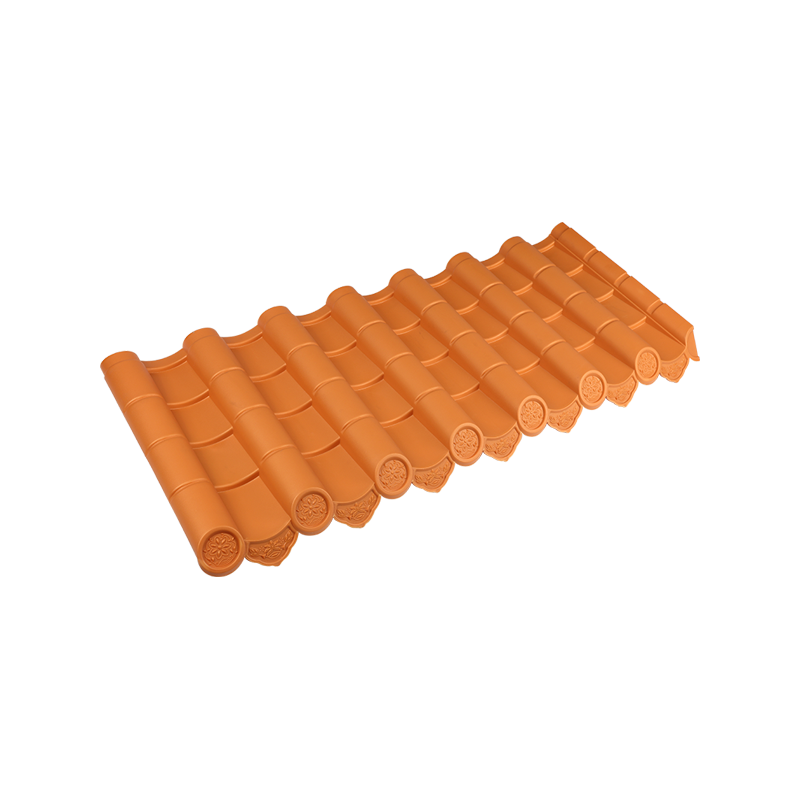
Ask the supplier to provide the dimensions and coverage information for the quoted product. The overall sheet dimensions should not be substituted automatically for the effective covered area.
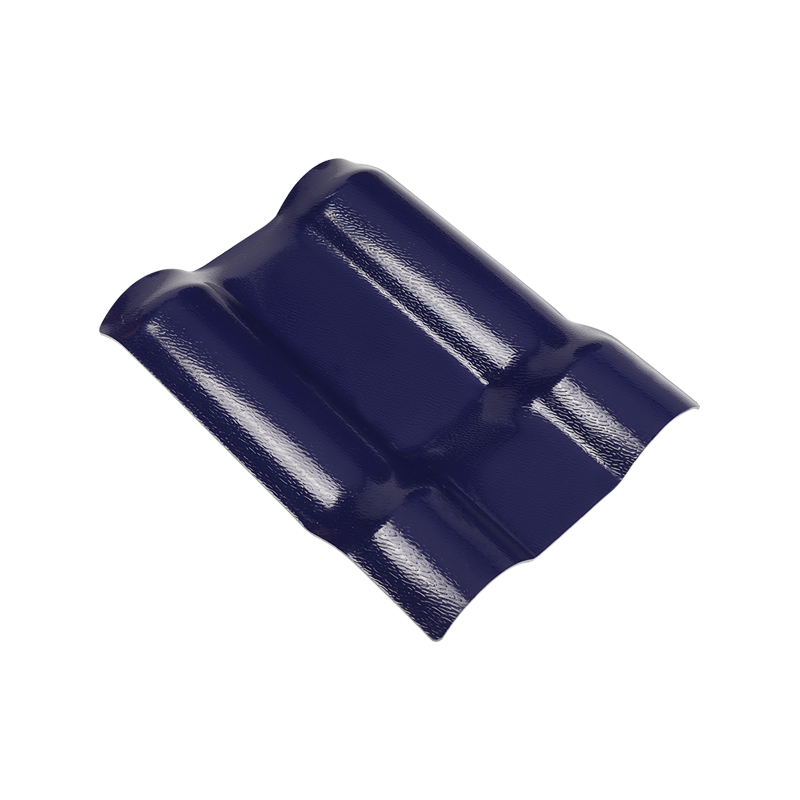
Use the relevant product instructions and project layout when preparing the quantity schedule. Do not apply a generic overlap or coverage figure to different tile profiles.
Identify roof details separately
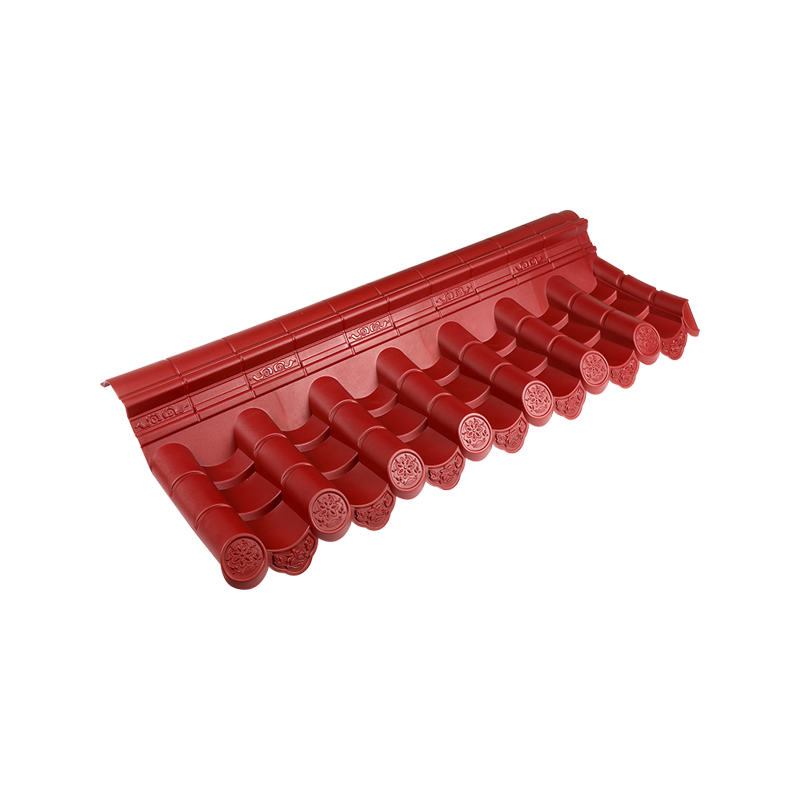
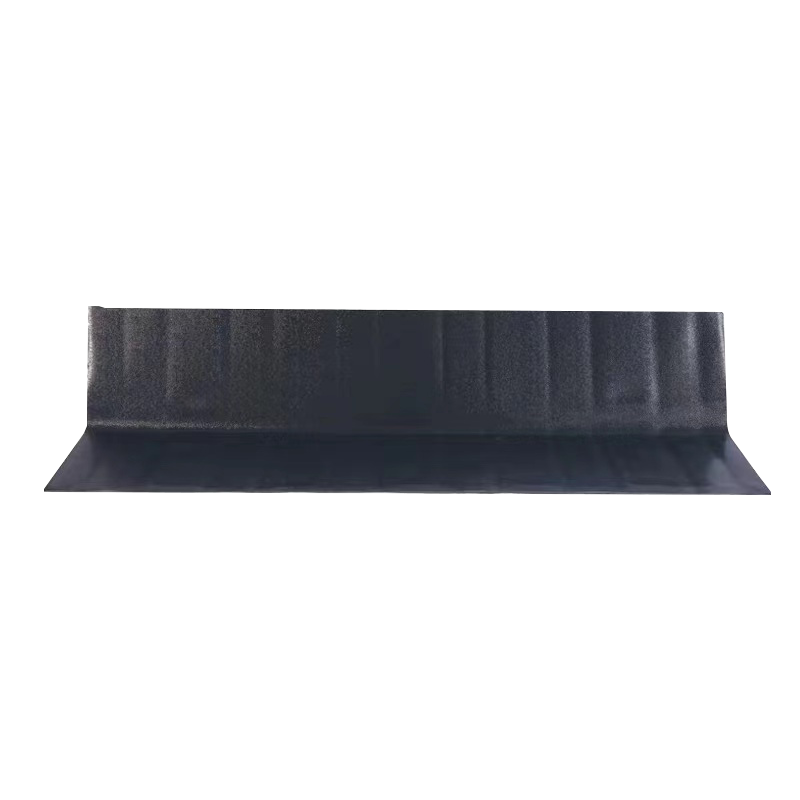
The main roof surface is only part of the order. Ridge details, edges, valleys and other junctions may require specific components. Mark those locations on the drawings and ask the supplier to identify the proposed accessories.
A general statement that an order includes “all fittings” is difficult to verify. Request item codes, descriptions and quantities that correspond to the proposed system.
Check compatibility and finish
Review accessories against the selected tile profile and the project's requirements. Confirm the finish reference and any relevant differences between the main sheets and accessory components.
Ask for the manufacturer's information needed by the designer and installer. Do not assume that an accessory from another roof product is suitable merely because its appearance is similar.
A practical quantity review separates the main items:
| Order item | Basis for the quantity review |
| Main sheets | Product coverage information and approved layout |
| Ridge and edge components | Identified locations and compatible item codes |
| Other accessories | The documented requirements of the roof system |
| Packing and delivery | The agreed complete supply scope |
The project team should establish the actual quantities and requirements.
Compare the complete supply
Separate material quantities, packing, transport arrangements and any agreed documentation in the quotations. Identify exclusions so the buyer can see which items still need to be sourced.
Where a quotation depends on drawings or assumptions supplied by the buyer, record the revision and assumptions used. A layout change can affect more than the number of main sheets.
The final order should be readable as a materials schedule for a defined roof. Before approval, ask the project team to check that each required detail has an identified product or a clearly assigned responsibility.
Price per sheet remains useful, but it becomes more meaningful when the coverage and accessory scope are aligned. That gives the buyer a clearer view of what each offer actually supplies and which questions still need resolution before construction.


 Email:
 Phone:
 Adress: