



A roof can establish the character of a temple, pavilion, or Chinese garden before anyone reaches the entrance. Its tile profile, eave line, ridge details, and color all contribute to that impression. Yet a tile that looks right in a sample display may not suit the building's structure, roof slope, or local climate.
Before choosing Chinese-style roof tiles, project teams should evaluate the roof as a complete system—not as a collection of attractive individual tiles. This guide explains how to compare materials, confirm installation requirements, and avoid specification mistakes in traditional and new Chinese-style architecture.
What Are Chinese-style Roof Tiles?
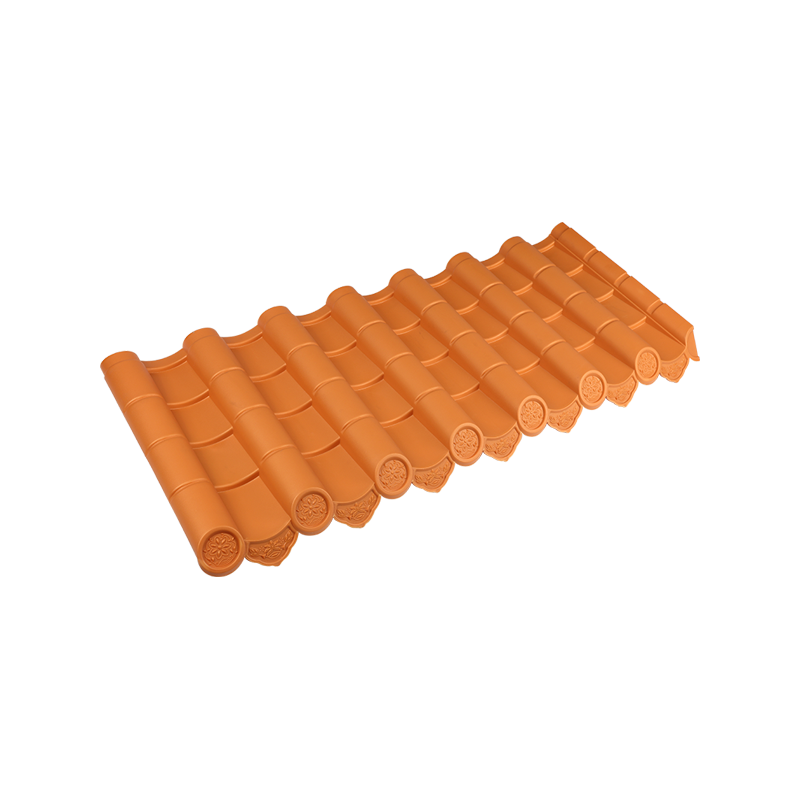
Chinese-style roof tiles are roofing products used to create roof forms and surface details associated with traditional Chinese architecture. Depending on the design, they may contribute curved profiles, layered tile patterns, defined eaves, decorative ridges, or characteristic color schemes.
They are used in temples, pavilions, Chinese gardens, courtyards, cultural streets, scenic areas, heritage-style buildings, and new Chinese-style architecture. Product options include traditional Chinese roof tiles, antique roof tiles, Chinese antique tiles, glazed-look roof tiles, resin roof tiles, synthetic antique roof tiles, and decorative roof tiles.
“Chinese-style” describes the intended architectural expression; it does not identify one material or guarantee a particular level of waterproofing, weather resistance, or service life. Those properties must be checked for the specific product and roof assembly.
Why Roof Tile Selection Should Start with Building Style
The roof should belong to the building it covers. A pronounced decorative profile may suit a temple entrance but overwhelm a small garden pavilion. A restrained antique finish may work well on a courtyard while looking too subdued for a landmark gate.
Start with the architectural drawings and identify the intended roof silhouette, eave depth, ridge treatment, and relationship between the roof and walls. For traditional architecture restoration projects, also confirm conservation requirements before proposing a replacement material or altered profile.
In new Chinese-style architecture, the design may simplify traditional forms while retaining recognizable roof lines. In scenic areas, several building types may need related—but not necessarily identical—tiles. Establishing this design language first makes later decisions about material, color, and accessories more consistent.
Main Types of Chinese-style Roofing Materials
Products with similar appearances can differ in weight, fixing method, weathering behavior, and accessory availability. Compare the actual specifications rather than selecting by material name alone.
Traditional Clay Roof Tiles
Traditional clay roof tiles provide a material texture closely associated with classical buildings. They may suit temples, courtyards, heritage-style projects, and restoration work where their profile and finish meet the design requirements.
Check dimensions, weight, structural support, fixing details, and climate suitability. Restoration work may require a particular profile or production method, so a visually similar tile is not always an acceptable substitute.
Antique Roof Tiles
Antique roof tiles are selected for a subdued or weathered appearance. They can help cultural streets, gardens, resorts, and scenic buildings achieve a traditional-looking roof without a highly reflective finish.
Review samples from the proposed production range. Intentional shade variation can add depth, but uncontrolled variation between batches may become distracting across a large roof.
Glazed-look Roof Tiles
Glazed-look roof tiles offer brighter color and a more decorative surface. They may be considered for temples, pavilions, gateways, and other buildings intended to stand out.
The term glazed-look describes appearance; it does not necessarily mean the tile is a traditionally glazed ceramic product. Confirm its substrate, finish, color-performance information, and matching accessories. Green, yellow, red, and blue-green tones should also be assessed against the building design and any applicable project requirements.
Resin Roof Tiles
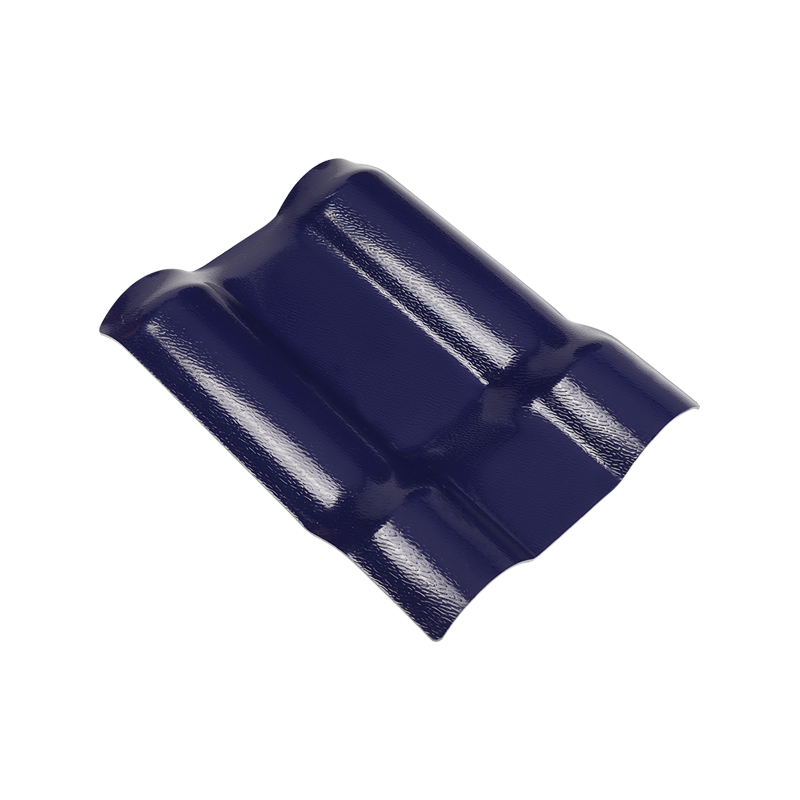
Resin roof tiles may offer a lighter covering option for some new Chinese-style buildings, scenic facilities, and courtyard structures. Their suitability depends on the particular formulation and roof system.
Review the manufacturer's requirements for roof slope, fastening, support spacing, thermal movement, and wind exposure. Lightweight handling can be useful, but it does not eliminate structural or installation checks.
Synthetic Antique Roof Tiles
Synthetic antique roof tiles combine a traditional-style finish with a manufactured substrate. They may suit projects seeking an antique roof appearance with a particular installation format.
Check the specified material, dimensions, weathering and color data, fixing method, and compatibility with ridge and eave components. “Synthetic” by itself is not a performance rating.
Decorative Roof Tiles and Accessories
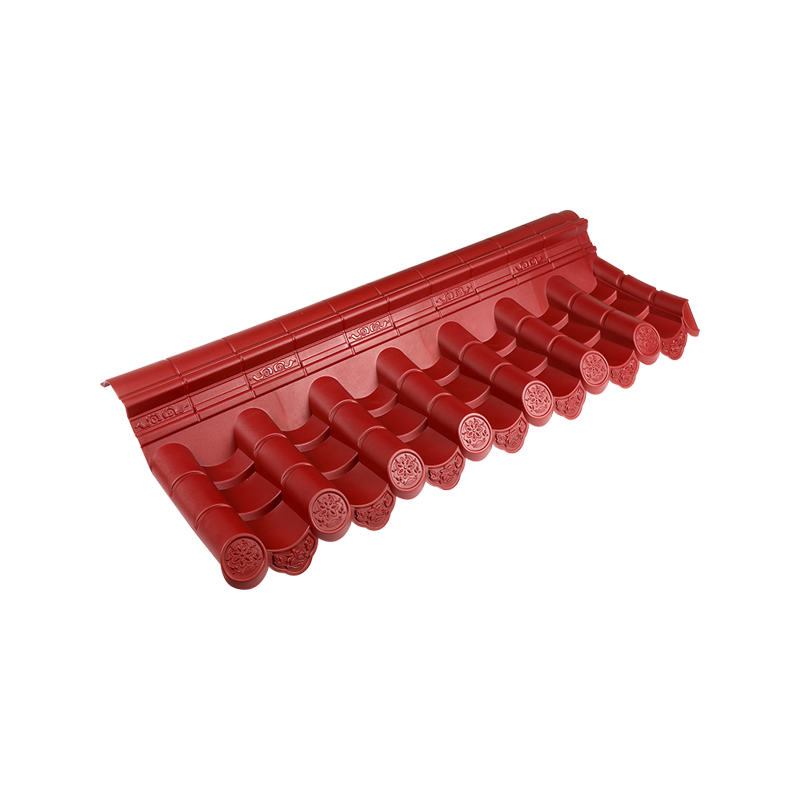
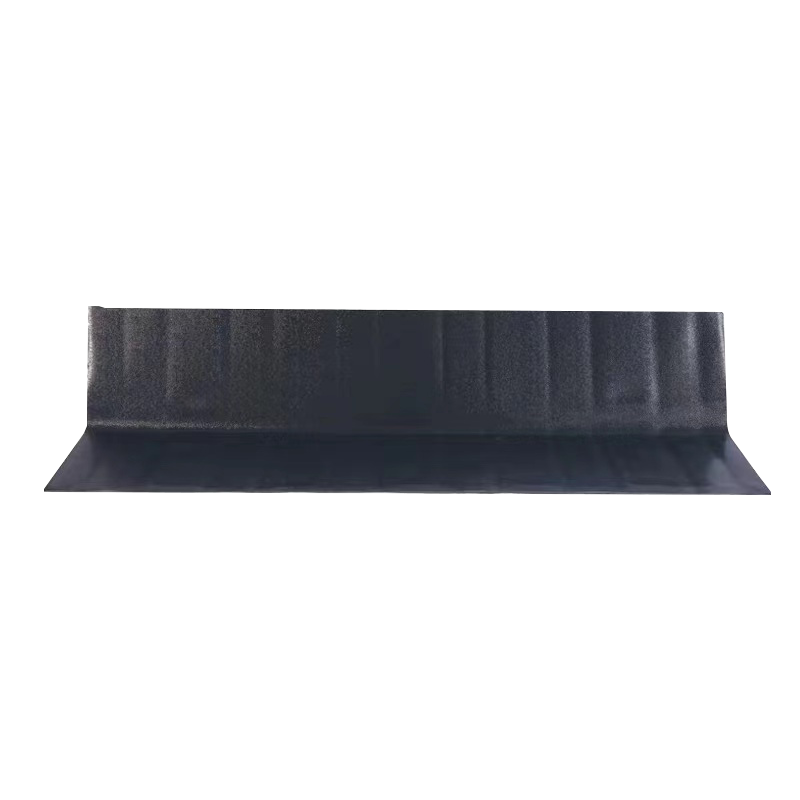
Decorative roof tiles and accessories include ridge tiles, eave tiles, end caps, corner pieces, and other visible details. Fasteners, flashings, and sealing components complete the installation.
These parts shape the roof's outline and help resolve important junctions. Specify them together with the field tiles; leaving accessory decisions until installation can lead to visual mismatches or improvised details.
Compare Different Chinese-style Roofing Materials
The table below is a starting point for comparison. Final selection should rely on the proposed product's documentation and the project's roof design.
| Material type | Typical project fit | Priority checks |
|---|---|---|
| Traditional clay roof tiles | Temples, courtyards, heritage-style buildings | Weight, profile, structure, fixing |
| Antique roof tiles | Gardens, cultural streets, scenic areas | Texture, shade range, batch consistency |
| Glazed-look roof tiles | Gateways, pavilions, decorative roofs | Substrate, finish, color, accessories |
| Resin roof tiles | Selected lightweight or new-build roofs | Slope, wind fixing, thermal movement |
| Synthetic antique roof tiles | Resorts, scenic buildings, garden structures | Material data, weathering, accessory fit |
| Decorative roof tiles | Ridges, eaves, corners, roof edges | Dimensions, fixing, junction details |
No category is automatically the best choice. The appropriate Chinese-style roofing materials are those that satisfy the architectural brief and work with the structure, climate, and installation system.
Understand Roof Structure Before Choosing Tiles
Obtain the roof drawings before approving a tile. The design should establish structural capacity, slope, roof geometry, drainage routes, and the intended support and fastening method.
Tile weight matters, but so does the weight of battens, underlayment, accessories, and other roof components. Traditional clay roof tiles may place different demands on a structure than some resin roof tiles or synthetic antique roof tiles. A structural professional should verify the complete loading condition.
Check the selected product's permitted slope and required overlap. Batten or support spacing must match the tile dimensions and fixing instructions. Curved roofs, multi-ridge forms, and pavilion corners may also need layout drawings or special pieces to avoid awkward cuts and gaps.
Check Climate Conditions and Outdoor Performance
Specify performance for the actual location. Heavy rain, wind-driven rain, prolonged sunlight, coastal exposure, freezing conditions, and large temperature changes pose different challenges.
In rainy locations, review slope, drainage, overlaps, underlayment, and junction details—not only the tile's water-related test results.
Under strong sunlight, request relevant information on UV-resistant roof tiles and color stability for the specified finish.
In coastal or industrial environments, check exposed metal accessories and fasteners as well as any corrosion-resistant roof tiles.
In high-wind locations, confirm the fixing pattern and treatment of eaves, ridges, and corners.
Where hail or falling branches are relevant, examine impact performance and the practicality of replacing damaged tiles.
Weather-resistant roof tiles should be supported by product information relevant to these exposure conditions. A broad marketing description cannot replace a project-specific review.
Color and Texture Are More Than Visual Choices
A loose sample is useful for shortlisting, but it cannot show how thousands of tiles will look across a sloping roof. View representative samples outdoors beside proposed walls, timber, stone, and landscape materials.
Dark gray can create a restrained finish for courtyards and Chinese gardens. Green glazed-look tones may complement selected pavilions or decorative garden roofs. Brown and earth tones can relate closely to natural landscapes, while weathered antique textures may suit heritage-style settings. Red, yellow, and golden tones can create a stronger visual statement where the architectural brief calls for one.
Consider roof size, viewing distance, sunlight, and whether deliberate shade variation is part of the design. For phased projects, agree on acceptable color differences and record approved batches before installation.
Waterproofing Depends on Tile Design and Installation
Waterproof performance belongs to the complete roof assembly. Tiles primarily guide and shed water; the roof's resistance to leakage also depends on slope, overlap, underlayment, flashings, penetrations, and installation quality.
Pay particular attention to valleys, ridges, eaves, corners, and places where the roof meets another wall or structure. Wind-driven rain may challenge details that perform adequately in calm rainfall. Fastener penetrations and sealing methods must follow the specified system.
A tile described as a waterproof roofing material should not be taken as proof that every roof built with it will be waterproof. Review the proposed details and, for complex or highly visible projects, consider a trial installation before full construction.
Pay Attention to Roofing Accessories
The main tile establishes the roof pattern; accessories determine whether that pattern finishes cleanly. Confirm the availability and fit of:
Ridge tiles and ridge-end components
Eave tiles and end caps
Corner pieces
Compatible fasteners
Flashings and sealing components
Specified decorative roof elements
These components should be shown in the drawings and included in procurement planning. A matching accessory may be essential for appearance, but decorative pieces should not be assumed to provide waterproofing on their own.
Installation Convenience and Site Adaptability
Easy-to-install roof tiles can improve site coordination, particularly where a project includes many small buildings. Installation convenience, however, depends on the roof shape and the completeness of the system—not just the weight of one tile.
Standardized dimensions, available accessories, clear fixing instructions, and manageable handling can reduce on-site adjustments. Curved eaves and complicated junctions still require careful setting-out.
For temples, Chinese gardens, cultural streets, and scenic areas with demanding visual standards, build a small roof mock-up where practical. It can reveal problems with overlap, color distribution, eave alignment, and accessory fit before they are repeated across the project.
Common Mistakes When Choosing Chinese-style Roof Tiles
Avoiding these errors can prevent a visually promising selection from becoming a difficult roof installation.
1. Choosing Only by Color Without Checking Roof Structure
Approve the tile's weight and fixing system against the roof design before making color the deciding factor.
2. Ignoring Roof Slope and Drainage
A tile must be suitable for the designed slope. Do not assume a greater overlap alone can compensate for an unsuitable roof geometry.
3. Using Heavy Tiles on Unsuitable Lightweight Structures
Confirm the structure's capacity for the complete roof assembly rather than comparing tile weight in isolation.
4. Forgetting Matching Roofing Accessories
Check ridge, eave, edge, and corner components before ordering the field tiles.
5. Selecting Tiles Without Considering Local Climate
Request performance information that reflects the project's rain, wind, sun, temperature, and corrosion exposure.
6. Comparing Single Samples Without Viewing Larger Roof Effects
A sample panel or mock-up makes profile rhythm, texture, and color variation easier to judge.
7. Ignoring Color Consistency Between Batches
Define an acceptable shade range and retain batch records, especially for phased construction or multiple buildings.
8. Overlooking Installation Details Around Ridges and Eaves
These prominent junctions affect both the architectural outline and weather protection.
9. Choosing Decorative Tiles Without Checking Waterproof Design
A decorative finish should be coordinated with functional underlayment, flashing, fixing, and drainage details.
10. Neglecting Long-term Maintenance Planning
Consider inspection access, cleaning, spare tiles, and how a future local repair will match the existing roof.
How Chinese-style Roof Tiles Fit Modern Construction Needs
Chinese-style roof tiles remain useful in contemporary projects because they can provide a traditional roof silhouette without requiring every building to be constructed in the same way as a historic structure.
New Chinese-style architecture may use simplified forms and modern support systems. Cultural tourism architecture may use coordinated roofs to give entrances, corridors, pavilions, and service buildings a shared identity. Meanwhile, renovation projects may have stricter requirements for matching existing fabric.
Materials marketed as eco-friendly roofing materials, weather-resistant roof tiles, or easy-to-install roof tiles should be evaluated through documented properties and project needs. Durability, repairability, installation waste, and replacement availability are more informative than a broad label alone.
Checklist Before Choosing Chinese-style Roof Tiles
Use this checklist to bring design, engineering, procurement, and installation decisions into one review.
- Confirm the building type and architectural style
Record whether the roof serves a temple, pavilion, garden, scenic-area facility, courtyard, or cultural street—and note any conservation or planning controls. - Review roof slope and structural load
Check the selected tile system against the designed drainage slope and the structure's verified capacity. - Check local climate conditions
Document rainfall, wind, UV exposure, humidity, temperature range, and potential corrosive conditions. - Select suitable material type
Compare clay, antique, glazed-look, resin, synthetic antique, and decorative products using their actual specifications. - Compare color and texture under natural light
View representative samples beside the building and landscape materials; use a larger sample area where appearance is critical. - Confirm tile overlap and waterproof design
Review the roof assembly, including underlayment, flashings, penetrations, valleys, ridges, and eaves. - Check matching roofing accessories
Confirm dimensions, finishes, quantities, and fixing methods for ridge tiles, eave tiles, end caps, and other required parts. - Review installation method and site conditions
Verify support spacing, fixing instructions, roof geometry, handling needs, and installer familiarity with the system. - Ask for quality inspection information
Request product-specific information on dimensions, appearance, strength, and relevant weathering or water-related performance. - Confirm batch color consistency
Agree on the approved shade range and how tiles from different batches will be managed on site. - Plan long-term maintenance access
Identify how the roof will be inspected, cleaned, and locally repaired. - Review trial installation results when needed
Use a mock-up to approve tile layout, visible details, and accessory connections before full installation.
FAQ: Choosing Chinese-style Roof Tiles
What should I know before choosing Chinese-style roof tiles?
Know the building's architectural requirements, roof structure and slope, local climate, proposed material, complete waterproofing design, accessories, installation method, and maintenance needs. Evaluate the finished roof system rather than tile appearance alone.
Are Chinese-style roof tiles suitable for modern buildings?
Yes. They can be specified for new Chinese-style architecture, garden buildings, courtyards, and cultural tourism projects when the profile and complete roof system suit the design and structure.
What materials are used for Chinese-style roofing?
Options include traditional clay roof tiles, antique roof tiles, glazed-look roof tiles, resin roof tiles, synthetic antique roof tiles, and decorative roof tiles. Each product requires its own technical review.
How does roof slope affect Chinese-style roof tile selection?
Slope influences drainage, permitted tile overlap, and installation details. Confirm that the selected system is suitable for the designed slope.
Are resin roof tiles suitable for Chinese-style architecture?
They can be suitable when their profile, finish, accessories, documented performance, and fixing method meet the project requirements.
What color Chinese-style roof tiles should be used for gardens?
Dark gray, green glazed-look tones, brown, and earth tones are possible choices. Select the color in relation to the garden's structures, planting, stone, water, and intended architectural character.
Why are roofing accessories important?
Accessories complete visible ridges, eaves, corners, and edges. They also need to integrate with the roof's fixing and waterproofing details.
How can I evaluate waterproof performance?
Review the complete assembly: tile profile, slope, overlap, underlayment, flashing, ridge and eave details, penetrations, and installation quality. Use relevant product documentation and a trial installation where appropriate.
What performance factors matter for outdoor roofing projects?
Important factors include weather and UV resistance, impact suitability, color stability, thermal behavior, corrosion resistance of exposed components, and structural compatibility.
How do Chinese-style roof tiles support cultural tourism architecture?
They create recognizable roof silhouettes and can visually connect scenic-area buildings, cultural streets, gardens, and pavilions. The strongest result responds to the project’s local design context rather than relying on a traditional-looking tile alone.
The most reliable selection begins with the building and ends with the complete roof system. Choose the architectural profile first, then verify structure, climate suitability, waterproof detailing, accessories, installation, and future maintenance. That sequence helps Chinese-style roofing materials deliver the intended visual character without overlooking the practical work a roof must do every day.

 Email:
 Phone:
 Adress: