



A Chinese-style roof is often the feature that gives a temple, pavilion, or scenic-area building its identity. The curve of the eaves, the rhythm of the tiles, and the treatment of the ridge can be seen long before visitors notice the walls. Yet the roof must also drain rainwater, remain secure in wind, and suit the structure beneath it.
Choosing Chinese-style roof tiles therefore begins with two questions: What architectural appearance does the project require, and what roof system can safely deliver it? This guide compares material options and explains the design, installation, and inspection details that project teams should confirm before placing an order.
What Are Chinese-style Roof Tiles?
Chinese-style roof tiles are roofing products selected or designed to create the profiles and visual details associated with traditional Chinese architecture. They may be used in temples, pavilions, courtyards, gardens, cultural streets, scenic areas, and new Chinese-style buildings.
The category describes an architectural appearance, not a single material or performance standard. Products may include traditional clay roof tiles, antique roof tiles, Chinese antique tiles, glazed-look roof tiles, resin roof tiles, synthetic antique roof tiles, and matching decorative roof tiles. Their dimensions, weight, fixing methods, and weathering behavior can differ substantially.
A convincing roof also depends on components beyond the field tiles: ridges, eaves, corners, flashings, fasteners, drainage details, and the underlying waterproofing design.
Why Roof Tile Selection Matters for Temples, Pavilions, and Scenic Areas
In a temple, roof color and ornament contribute to the building's hierarchy and character. On a pavilion, the roof may account for much of what visitors see from every direction. Across a scenic area, consistent roof profiles can connect buildings with different functions into one recognizable setting.
Appearance alone is not enough. Outdoor roofs face rainfall, sunlight, wind, temperature changes, and—in some locations—salt or industrial exposure. A product described as a weather-resistant roof tile, waterproof roofing material, or UV-resistant roof tile should be assessed against the project's climate and documented product performance.
For restoration or protected heritage buildings, the selection may also be governed by conservation requirements and approvals. A modern look-alike should not be substituted for historic material without the project authority's agreement.
Common Types of Chinese-style Roofing Materials
Traditional Clay Roof Tiles
Traditional clay roof tiles offer the material character associated with many historic Chinese roofs. They may be appropriate for restoration, traditional courtyards, temples, or new buildings designed around a clay-tile system.
Confirm tile weight, dimensional consistency, absorption and freeze–thaw suitability where relevant, breakage allowance, and the support and fixing details. For restoration, the required profile and production method may need to follow a conservation specification.
Glazed-look Roof Tiles
Glazed-look roof tiles provide a brighter visual effect suited to selected temples, gateways, landmarks, and garden buildings. “Glazed-look” describes appearance; it does not necessarily mean the tile is made from traditionally glazed ceramic.
Check the actual substrate, surface finish, color durability, and matching ridge and eave pieces. Yellow, green, and other prominent colors should be chosen according to the architectural design and any applicable cultural or planning requirements.
Antique Roof Tiles
Antique roof tiles use restrained colors or textured finishes to create a weathered appearance. They are often considered for courtyards, cultural streets, garden corridors, and heritage-style commercial spaces.
For a large roof, inspect more than one sample. Deliberate color variation can add depth, but uncontrolled variation between batches can disrupt the intended pattern.
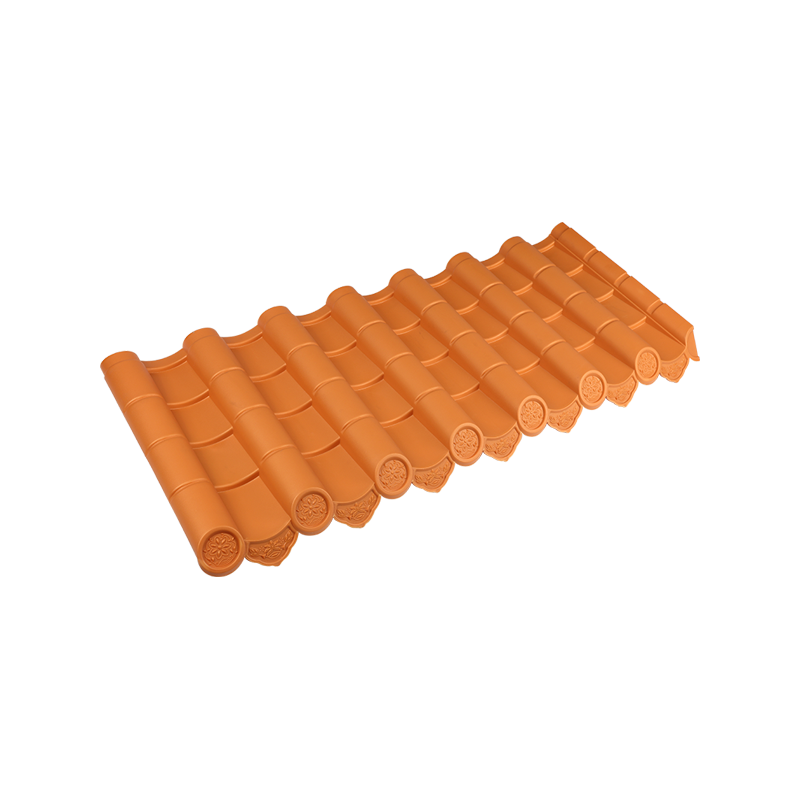
Resin Roof Tiles
Resin roof tiles may be selected where a lighter roof covering or a molded traditional-style profile suits the design. Their suitability depends on the specific resin formulation, tile geometry, fastening system, and exposure conditions.
Verify UV and thermal performance, expansion allowances, fixing instructions, and local wind requirements. A lower tile weight does not remove the need for structural and roof-system design.
Synthetic Antique Roof Tiles
Synthetic antique roof tiles combine a traditional-style appearance with a manufactured substrate. They may be useful in new scenic-area facilities or pavilions where the product's dimensions and installation method match the project.
Do not infer durability from the word “synthetic.” Review material identification, weathering data, color stability, impact performance, and available accessories for the particular product.
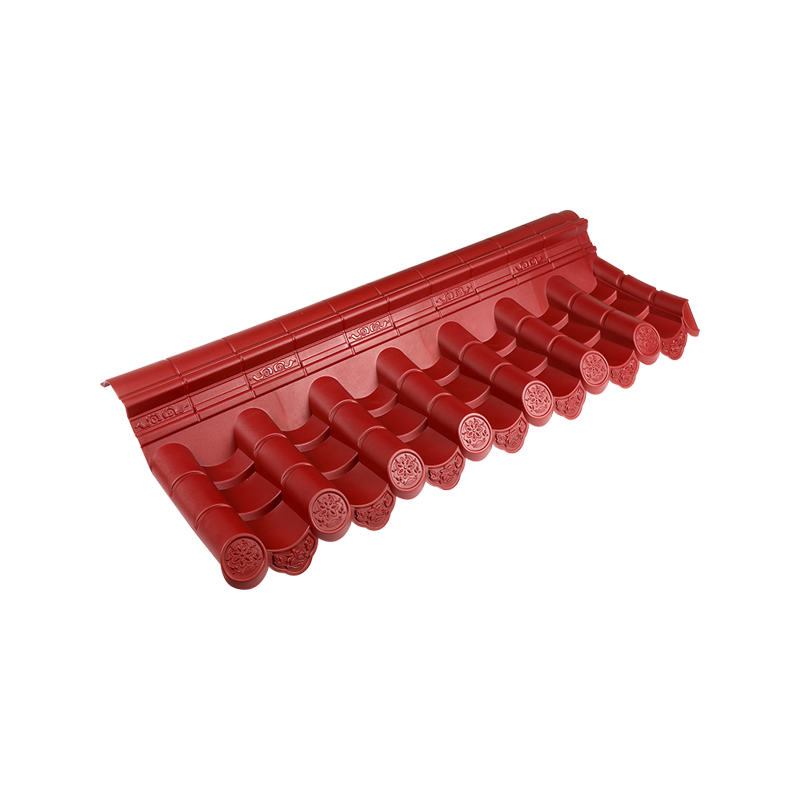
Decorative Roof Tiles
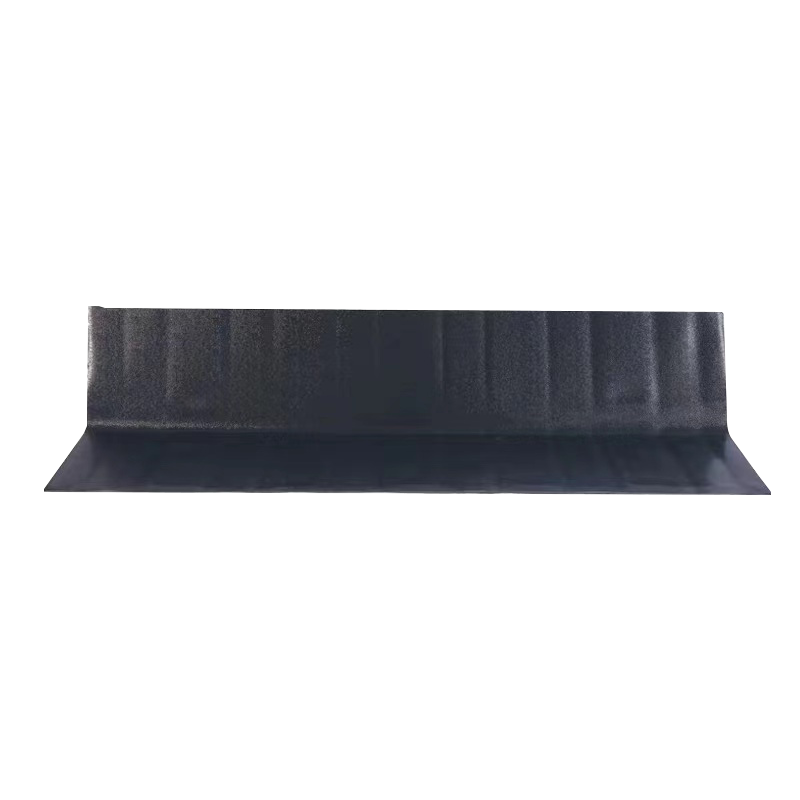
Decorative roof tiles complete visible details such as ridges, eaves, ends, and corners. These components affect both the finished silhouette and vulnerable roof junctions.
Confirm how each accessory is fixed and how water is managed beneath or around it. A decorative component should not be relied on as the sole waterproofing measure unless the roof system is specifically designed and tested that way.
Chinese-style Roof Tiles vs Modern Flat Roofing Materials
These categories serve different design goals, although either still needs an engineered approach to weather protection.
| Comparison point | Chinese-style roof tiles | Modern flat roofing materials |
|---|---|---|
| Appearance | Layered profiles, eaves, and ridge details | Simpler roof surfaces |
| Typical projects | Temples, gardens, pavilions, cultural buildings | Projects prioritizing other architectural forms |
| Key coordination | Tile layout, roof curve, accessories, fixing | System-specific seams, drainage, and detailing |
| Structural check | Tile and accessory loads | Loads for the selected system |
| Waterproofing | Depends on the complete roof assembly | Depends on the complete roof assembly |
The distinction is primarily architectural and system-specific. Neither category is automatically more waterproof or easier to maintain without reference to an actual design.
How to Choose Chinese-style Roof Tiles for Temples
Begin with the temple's architectural drawings and any conservation, planning, or cultural requirements. Confirm the intended tile profile and color before comparing materials; a technically suitable product can still be visually inappropriate.
Pay particular attention to the ridge, curved eaves, corners, and ornamental pieces. Then review the structural capacity, roof slope, drainage path, wind restraint, and access for future repairs. If the building is historic or protected, obtain the required approval before changing its roofing material or visible details.
How to Choose Chinese-style Roof Tiles for Pavilions
A pavilion roof is often small but highly visible. Tile alignment, edge finish, and the transition between the roof and exposed supporting structure deserve close review.
Compare the proposed tile's weight with the pavilion structure, especially for lightweight frames. Check whether the profile can follow the designed roof shape without awkward cuts or excessive gaps. A sample roof section can reveal more than a loose tile: it shows the eave line, fixing arrangement, and how the selected color appears beside timber, stone, water, or planting.
How to Choose Chinese-style Roof Tiles for Scenic Areas
Scenic areas may need roofing for gateways, corridors, rest stations, service buildings, and commercial streets. A common design language helps these separate structures feel connected, but not every building must use an identical tile.
Create a project schedule that records approved profiles, colors, textures, and accessories for each building type. For public-facing facilities, also consider cleaning access, replaceable components, supply continuity, and how repairs will look beside existing roof sections. A roof that is visually consistent on opening day should remain practical to maintain.
Important Performance Factors When Selecting Chinese-style Roofing Materials
Performance should be judged against the specified product and complete roof assembly.
Weather Resistance
Ask for data relevant to local rain, wind, temperature, and—where applicable—freeze–thaw exposure. The most important test conditions differ by location and material.
Waterproof Performance
Tiles shed water, but leak resistance also depends on slope, overlaps, underlayment, flashings, penetrations, ridge details, and workmanship. A “waterproof tile” does not make an entire roof waterproof.
UV Resistance
Sunlight can affect color and some material substrates. Review weathering or color-retention information for the specific product rather than assuming all tiles of the same material perform alike.
Corrosion Resistance
Check exposed fasteners, brackets, flashings, and other metal parts as well as the tile itself, particularly in coastal or industrial settings.
Impact Resistance
Handling damage, falling branches, and hail may be relevant to the project. Confirm the product's applicable test information and replace any cracked tiles before installation.
Load-bearing Compatibility
The roof structure must account for the complete covering system, including tiles, accessories, support components, and locally required environmental loads. A structural professional should confirm suitability.
Color Stability
Approve representative samples and define acceptable variation, especially where roofs will be installed in stages or across multiple buildings.
Easy Installation
A straightforward installation method can help site coordination, but it does not replace trained workmanship. Follow the specified slope, support spacing, fixing pattern, and accessory details.
Color and Texture Selection for Chinese-style Roof Tiles
Color should be judged at roof scale, not only from a tile held at eye level. Dark gray can create a restrained courtyard or ancient-town appearance; weathered antique textures can suit heritage-style settings. Green glazed-look tones, red, yellow or golden tones, and brown or earth tones may serve different architectural concepts.
View samples outdoors beside the proposed wall, column, and landscape materials. Consider both direct sun and overcast light. For a large or phased project, agree on how batches and intentional color variation will be distributed before installation starts.
Roof Structure, Slope, and Installation Considerations
The tile profile must be compatible with the roof geometry and its supporting system. Confirm the manufacturer's specified slope range, overlaps, batten or support spacing, and fixing details against the project drawings.
Pay particular attention to eaves, valleys, ridges, corners, roof penetrations, and changes in slope. These are locations where appearance and water management meet. A trial installation or on-site mock-up can help resolve tile alignment and accessory connections before work extends across the whole roof.
Eco-friendly Roofing Materials and Sustainable Building Trends
For this type of project, sustainability is better evaluated through documented material information and expected service needs than through a broad “eco-friendly” label. Consider durability, repairability, replacement availability, packaging, transport, and the resources required by the supporting structure.
A lighter tile may be advantageous for a particular design, but that benefit should be assessed against its full specification and service conditions. Similarly, a long-lasting roof can reduce replacement work only when it is correctly installed and maintained.
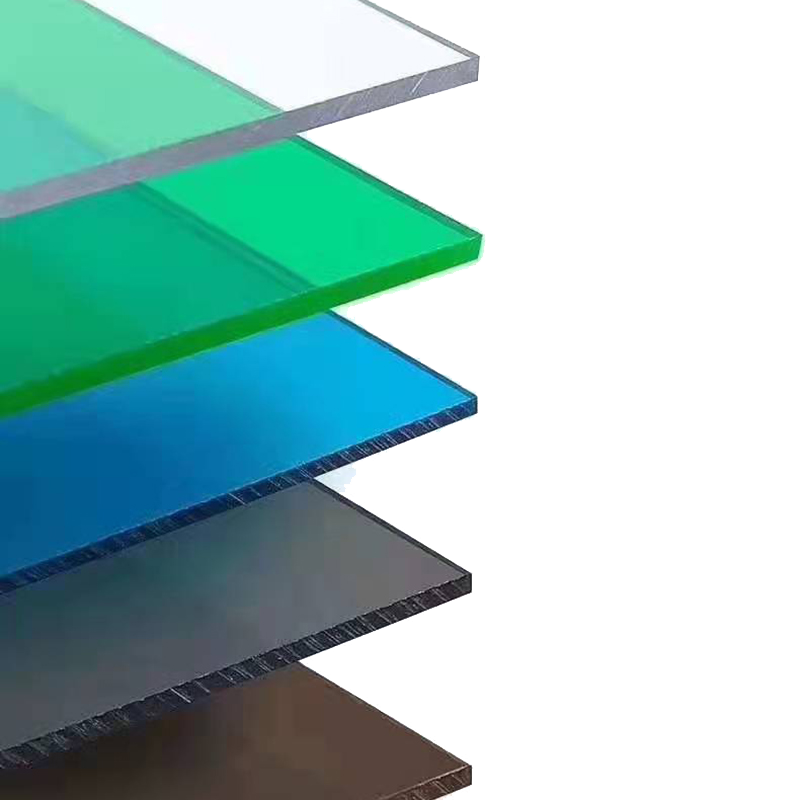
Lighting tiles may provide daylight in compatible roof systems, but they require separate checks for weatherproofing, appearance, structural fit, and daylight performance. They are not a direct substitute for opaque traditional-style tiles on every temple or pavilion roof.
Quality Inspection Points for Chinese-style Roof Tiles
Agree on inspection criteria before production and delivery. Typical checks include dimensions and profile fit, visible defects, color range, surface finish, accessory compatibility, packaging protection, and batch identification.
Request test reports appropriate to the material and project—such as weathering, impact, thermal, or water-related performance—without assuming one test applies to every tile type. On site, compare delivered batches with approved samples and inspect a mock-up before broad installation. Keep records so any later replacement can be matched as closely as possible.
How Chinese-style Roof Tiles Support Cultural Tourism Architecture
In cultural tourism architecture, roofing helps visitors read a place. A layered pavilion roof may frame a garden view; a row of coordinated eaves may give a cultural street continuity; an entrance roof can establish the tone for the site.
That visual role works best when the design is specific to its setting. Local architectural references, materials, landscape, and building functions should guide the roof language. Chinese-style roofing materials can support the story, but a tile profile alone cannot create an authentic sense of place.
How to Evaluate Chinese-style Roof Tiles for Project Use
Before approving a tile, project teams should bring the architectural and technical decisions into one review:
- Confirm the building use and design requirements. Identify any heritage, planning, or scenic-area controls.
- Record site conditions. Review rainfall, wind, sun, temperature range, and corrosive exposure.
- Check the roof structure. Confirm slope, geometry, support spacing, load capacity, and drainage.
- Compare complete systems. Review tiles together with accessories, fixing, underlayment, and flashings.
- Approve representative samples. Check color and texture outdoors and, where useful, through a roof mock-up.
- Set quality and maintenance criteria. Define inspection documents, replacement needs, and access for future repairs.
This process keeps the cultural appearance and the roof's practical requirements in the same decision.
FAQ: Chinese-style Roof Tiles
Where are Chinese-style roofing materials commonly used?
They are used in temples, pavilions, gardens, courtyards, scenic areas, cultural streets, heritage-style projects, and new Chinese-style buildings. The suitable material depends on each building's design and roof structure.
How do I choose roof tiles for a temple?
Start with the required architectural profile, color, and decorative details. Then verify structural load, slope, drainage, fastening, climate suitability, and any conservation or planning approvals.
What roof tiles are suitable for pavilions?
Antique roof tiles, glazed-look roof tiles, resin roof tiles, and synthetic antique roof tiles may all be considered. Choose according to the pavilion's structure, roof shape, exposure, and intended appearance.
Why are Chinese-style roof tiles used in scenic areas?
They help create recognizable roof silhouettes and visual consistency across visitor facilities. Product choice should also support practical installation and future maintenance.
Are resin roof tiles suitable for Chinese-style buildings?
They can be, when their profile and color suit the design and their documented performance and fixing system meet project requirements.
What is the difference between antique roof tiles and glazed-look roof tiles?
Antique roof tiles generally aim for a subdued, aged appearance. Glazed-look roof tiles aim for a brighter decorative finish. Either description may cover different underlying materials, so check the product specification.
What performance factors matter for Chinese-style roofing materials?
Review weathering, water-shedding design, UV exposure, impact, color stability, structural load, fastener durability, and compatibility with the complete roof assembly.
How does roof slope affect tile selection?
Slope influences drainage and the overlap and fixing details a tile system requires. Select a product approved for the designed slope and confirm how junctions and exposed locations will be detailed.
Are eco-friendly roofing materials suitable for cultural tourism projects?
They can be when their appearance, documented performance, repairability, and project-specific environmental goals align. An "eco-friendly" description should be supported by relevant product information.
The best Chinese-style roof tile is not simply the one that looks most traditional in a catalog. It is the tile whose profile and color suit the building—and whose complete installation system suits the structure, climate, and maintenance plan. For temples, pavilions, and scenic areas, confirming those details early protects both the architectural effect and the roof beneath it.

 Email:
 Phone:
 Adress: