



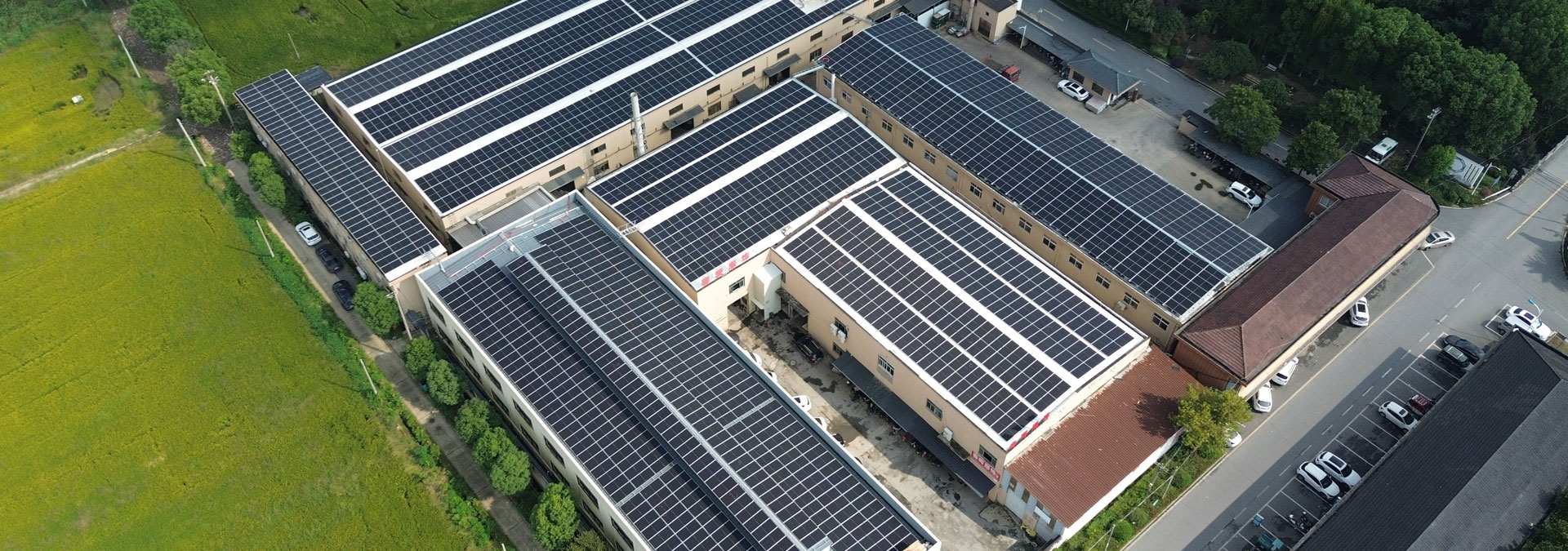
A roof is expected to do more than cover a building. It has to remain useful as weather changes, daily activities continue, and the building itself grows older. For this reason, roof materials are often considered from a long-term perspective rather than only by their appearance at the time of installation.
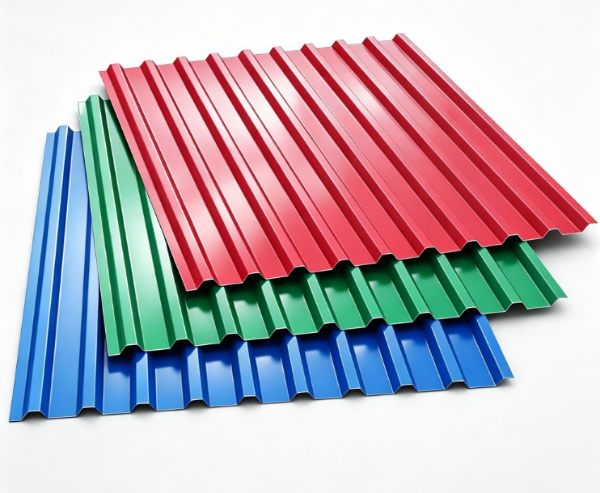
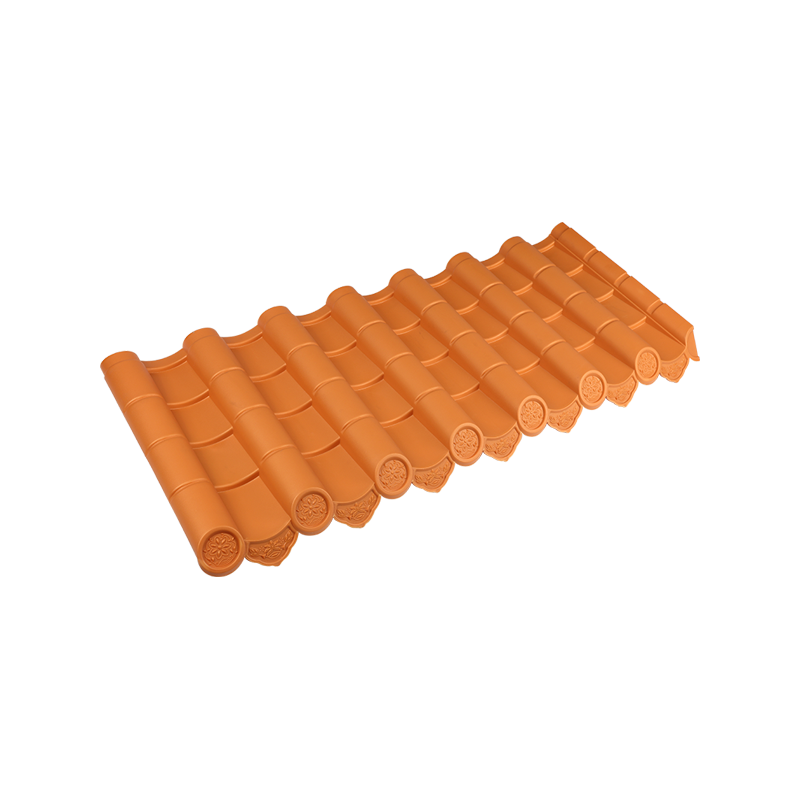
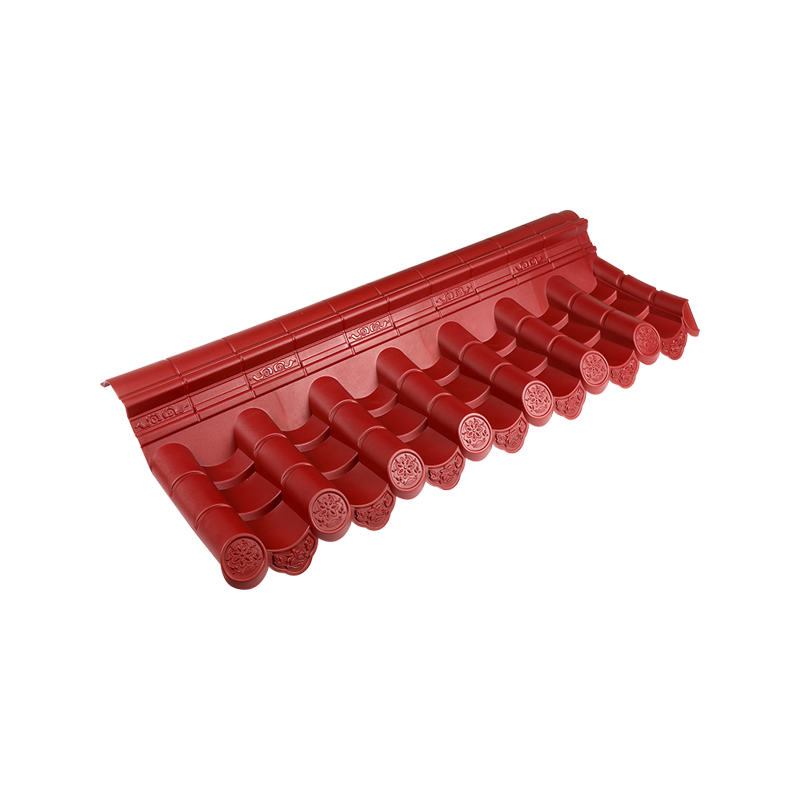
Color steel tile roof has become a practical option for many types of buildings. It combines the familiar shape of roof tiles with the characteristics of steel roofing material. The surface can also be finished in different colors and styles, giving designers more freedom when matching the roof with the building.
Long-term roof use, however, is not simply about choosing a material and leaving it alone. Roof structure, installation quality, drainage, surface condition, maintenance, and the surrounding environment can all influence how a roof performs over time.
This is why buyers and building owners are paying more attention to how color steel tile roof can fit into long-term building use. The question is not only whether the roof looks suitable when installed. It is also about how practical it remains during everyday use.
Why Is Long-Term Roof Use Becoming More Important?
Buildings are usually planned for continued use rather than short-term occupancy. A roof therefore needs to remain suitable as the building is exposed to changing weather and regular maintenance activities. This has made long-term performance an important part of roofing decisions.
For property owners, replacing a roof can involve more than purchasing new roofing material. Work may affect building operations, interior spaces, surrounding areas, and maintenance schedules. A roofing choice that supports easier management can therefore become part of a broader building plan.
Color steel tile roof can be considered from this wider perspective. Its use is not limited to appearance. The combination of a steel base and tile-style surface creates a roofing option that can fit different building designs while supporting everyday roof protection.
Long-term use also depends on the way the entire roofing system is planned. A suitable material cannot solve every roof problem by itself. The roof shape, supporting structure, drainage arrangement, installation work, and local conditions all need to work together.
| Long-Term Consideration | Why It Matters |
|---|---|
| Surface condition | Influences appearance and ongoing maintenance |
| Drainage | Helps manage rainwater around the roof |
| Installation | Affects how the roofing material performs in use |
| Building design | Determines how the roof fits the overall structure |
| Local environment | Can influence cleaning and maintenance needs |
| Regular inspection | Helps identify visible problems at an earlier stage |
This broader approach is changing how buyers view roofing materials. Instead of focusing only on the initial purchase, many projects now consider how a roof will fit into daily building management.
How Can Color Steel Tile Roof Support Everyday Roof Protection?
The basic role of any roof is to create a protective layer between the building and the outside environment. Rain, wind, sunlight, dust, and changing weather conditions can all affect a roof during normal use.
Tile roof is designed around this practical role. The steel material provides a solid roofing base, while the tile-shaped design gives the roof a familiar appearance. Depending on the building, this style can create a balance between functional roofing needs and visual design.
The surface finish also has an important place in everyday roof use. A roof is highly visible, so changes in surface appearance can affect how an entire building looks. A suitable finish can help the roof remain visually consistent with the building design when properly maintained.
The tile form can also influence the visual rhythm of a roof. Rather than appearing as one large flat surface, the roof can have a more traditional tile-like appearance. This makes color steel tile roof suitable for projects where owners want a modern material while keeping a familiar roofing style.
Long-term roof protection is therefore connected with both physical use and visual maintenance. A roof that continues to look appropriate can remain a better fit for the building as its surroundings change.
What Makes the Surface Important for Long-Term Roof Use?
The roof surface is directly exposed to the outdoor environment. This makes its condition important throughout the life of the building. Dust, dirt, rainwater, fallen leaves, and other materials can collect on a roof and affect its appearance.
Surface care does not always require complicated work. Regular visual checks can help owners notice changes such as surface damage, dirt buildup, unusual marks, or areas where water does not appear to drain normally. Small observations can help guide later maintenance decisions.
Tile roof also allows projects to consider appearance during material selection. Different buildings may require different colors or surface styles. A residential building may have different visual needs from a commercial property, agricultural building, or public facility.
The choice should therefore be connected with the building itself. A color that looks suitable in a product sample may have a different visual effect across an entire roof. Surrounding walls, windows, doors, landscaping, and nearby buildings can all influence the final appearance.
For buyers, several surface-related questions can be useful:
- Does the color fit the overall building design?
- Is the surface easy to inspect during routine maintenance?
- Can the selected finish suit the surrounding environment?
- What type of cleaning or care will the roof require?
- Can replacement or repair work be managed without affecting the appearance of the entire roof?
These questions move the discussion beyond short-term appearance. They help buyers think about how the roof will look and function after regular use.
How Does Roof Design Affect the Long-Term Performance of Color Steel Tile?
A roofing material does not work separately from the building. Its performance is closely connected with roof design. The shape of the roof, direction of water flow, supporting structure, and installation approach can all influence everyday use.
Good roof planning should consider how rainwater moves across the surface. Areas where water collects may require additional attention during inspection and maintenance. Roof edges, connections, and other visible areas should also be checked as part of routine building care.
Installation quality matters for the same reason. Even a suitable roofing material may not perform as expected if it is poorly installed. The roofing panels or tiles need to be positioned and secured in a way that suits the building structure and overall roof design.
This is one reason why buyers often need to consider more than the material itself. A supplier may provide useful product information, but the final roofing plan should also match the conditions of the project.
The following factors can be reviewed before installation:
| Project Area | Question to Consider |
|---|---|
| Roof shape | Does the material suit the planned roof design? |
| Water flow | Can rainwater move away from the roof effectively? |
| Supporting structure | Is the roof structure suitable for the selected material? |
| Installation | Can the material be installed correctly for the building? |
| Roof access | Can inspection and maintenance be carried out safely? |
| Surrounding conditions | Could nearby trees, dust, or weather affect roof care? |
A thoughtful installation plan can reduce avoidable problems later. It also makes future inspection easier because the roof has been considered as part of the complete building rather than as an isolated product.
Can Color Steel Tile Roof Fit Different Types of Buildings?
One reason tile roof attracts attention is its flexibility in appearance. A roof does not have to look the same across every type of project. Different buildings have different architectural styles, functions, and visual expectations.
Residential buildings may use tile-style roofing to create a familiar appearance. Commercial buildings may focus more on a clean relationship between the roof and exterior walls. Other structures may require a practical roof that also fits the surrounding environment.
This flexibility allows color steel tile roof to be considered for a range of applications. The actual suitability still depends on the building design and local conditions, but the material can provide a useful starting point for projects looking for both practical roofing and a tile-like appearance.
The choice of color can also influence how a building is perceived. Softer colors may blend into certain surroundings, while stronger colors can make the roof more noticeable. There is no single choice that fits every building.
For this reason, buyers may want to review the following points before making a selection:
- Building style and exterior materials
- Intended use of the building
- Surrounding landscape and structures
- Desired roof appearance
- Expected maintenance approach
- Local weather and environmental conditions
Thinking about these factors together can help prevent a mismatch between the roofing material and the building design.
How Can Maintenance Support Longer Roof Use?
No roofing material should be viewed as maintenance-free. Even a well-planned roof remains exposed to the outdoor environment throughout its use. Regular attention can help owners understand its condition and respond when visible changes appear.
Maintenance can begin with simple observation. Dirt, leaves, surface marks, damaged areas, or drainage issues may become easier to notice when inspections are carried out regularly. The purpose is not to create unnecessary work. It is to keep the condition of the roof visible.
Cleaning can also play a role in maintaining appearance. The suitable cleaning approach depends on the surface and the surrounding conditions. Harsh treatment should not be assumed to be appropriate simply because a roof needs cleaning.
Owners should also pay attention to areas around roof edges and drainage paths. Leaves and other debris can interfere with normal water movement. Keeping these areas reasonably clear can make routine roof management easier.
A practical maintenance routine may include:
- Visual inspection
Look for obvious changes in the roof surface and visible connections. - Cleaning
Remove suitable forms of dirt or debris without using methods that could unnecessarily damage the surface. - Drainage checks
Observe whether water appears to move away from the roof as intended. - Condition records
Keep simple notes or photographs when useful so changes can be compared during later inspections. - Professional attention when needed
If a problem is difficult to identify or repair safely, appropriate professional support can be considered.
These steps are not complicated, but they can help make roof care more organized. Long-term use is often supported by regular attention rather than by one major maintenance action.
What Should Buyers Consider When Choosing Color Steel Tile Roof?
Choosing a tile roof is not simply a matter of selecting a color from a product list. Buyers need to think about how the material will fit the building, how it will be installed, and how it will be maintained.
Product information should be clear enough for buyers to understand what they are purchasing. Surface finish, appearance, available styles, installation guidance, and care recommendations can all be useful during the selection process.
Supplier communication is also important. Buyers may need to explain the building type, roof design, intended appearance, and expected use. A supplier that understands these requirements can provide information that is more relevant to the actual project.
Price can naturally be part of the decision, but it should be viewed together with other factors. A lower purchase cost does not automatically mean lower overall roof expenses. Installation, maintenance, replacement needs, and project compatibility can all influence the wider cost of ownership.
A simple buyer checklist can help keep the selection process organized:
| Buyer Question | Purpose |
|---|---|
| What type of building is the roof for? | Helps match the material with the application |
| What appearance is required? | Guides color and style selection |
| How will the roof be maintained? | Helps establish practical care needs |
| What installation support is available? | Clarifies project preparation |
| How will the roof be inspected later? | Supports ongoing building management |
| What information does the supplier provide? | Helps buyers understand the product before purchase |
This approach can make communication between buyers, designers, contractors, and suppliers more efficient. It also reduces the chance that important practical details are overlooked during procurement.
Could Color Steel Tile Roof Become Part of More Practical Roof Planning?
Modern roofing decisions are increasingly connected with the wider needs of a building. Appearance still matters, but owners also need to think about maintenance, daily use, installation, and future building management.
Color steel tile roof fits into this discussion because it combines a tile-inspired appearance with a steel roofing material. This gives designers and buyers another option when a project needs a balance between visual character and practical roof use.
Its role should still be considered on a project-by-project basis. Climate, roof design, building structure, installation conditions, and maintenance plans can all influence the result. No single roofing material is suitable for every building.
What is changing is the way roofing choices are evaluated. Buyers are looking beyond the moment of installation. They are asking how a roof will fit into everyday building use, how easy it will be to maintain, how its appearance will age, and how well it can work with the surrounding design.
For color steel tile roof, these questions create a broader view of its role in construction. The material is not simply a roof covering. Its value within a project also depends on planning, installation, surface care, building design, and the way owners manage the roof throughout its use.

 Email:
 Phone:
 Adress: