




A traditional roof is often associated with history. Its shape can remind people of old courtyards, temples, gardens, and historic streets. For a long time, this made traditional roof tiles seem closely tied to traditional buildings.That relationship is changing.
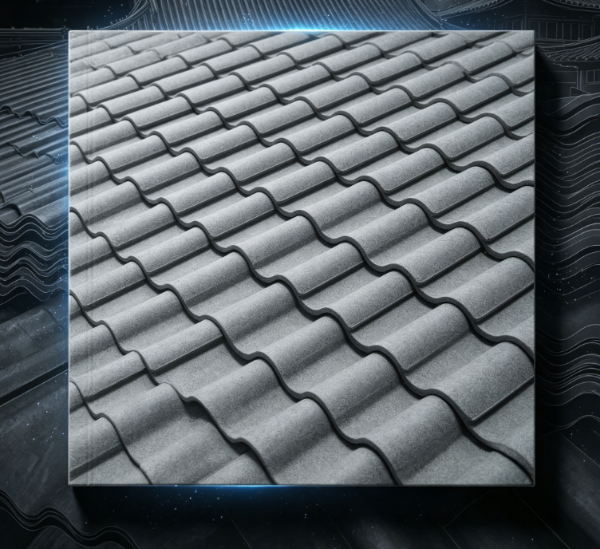
Chinese style roof tiles are now being considered in a wider range of architectural settings. They can appear on new homes, garden structures, cultural spaces, hospitality properties, renovation projects, and buildings that mix traditional details with modern forms.
The change is not simply about using an old material in a new place. It reflects a broader shift in how architects and property owners think about traditional design.
A roof does not have to reproduce the past to reference it.
Instead, familiar roof forms can be adapted to support a new architectural idea. A traditional-looking roof can sit above a simple building. A tiled pavilion can become part of a modern landscape. A roofline inspired by Chinese architecture can give a contemporary home a stronger sense of identity.
This wider use is giving Chinese style roof tiles a different role in building design.
Why Are Traditional Roofs Being Reconsidered?
Traditional architecture often contains visual elements that remain recognizable even when the surrounding design changes.
The roof is one of them.
Its shape is visible from outside. It can influence the character of a building before people notice smaller details. A roof with layered tiles and a familiar silhouette can immediately create a sense of cultural connection.
Modern architecture has not removed the value of this connection. In some cases, it has made it more noticeable.
Many contemporary buildings use simple walls, open spaces, large areas of glass, or restrained decoration. When a traditional roof is placed above such a structure, the difference between old and new becomes part of the design.
The roof becomes a statement without requiring the entire building to follow a historical style.
This approach is useful for projects that want cultural references without creating a replica of an older building.
A designer may take inspiration from traditional roof shapes while changing the surrounding structure. The roof can remain visually familiar, while the building below responds to modern living habits.
That creates a more flexible relationship between heritage and contemporary architecture.
How Are Chinese Style Roof Tiles Being Used Differently?
The traditional image of Chinese roof tiles is often connected with complete architectural styles. A tiled roof, courtyard, wooden structure, decorative details, and landscaped surroundings may appear together.
Contemporary projects can separate these elements.
A roof may be the main traditional reference while other parts of the building remain modern. This creates more freedom in design.
Several approaches are becoming interesting:
- Using the roof as a cultural feature
A building does not need many traditional details to communicate a connection with Chinese architecture. A carefully selected roof style may be enough to establish that visual direction. - Combining traditional roofs with simple structures
Clean exterior walls and open floor plans can provide a strong contrast with a traditional roof. The difference can make both elements easier to notice. - Using roof tiles in landscape structures
Pavilions, garden shelters, entrances, and other outdoor structures can use Chinese style roof tiles without requiring the surrounding property to follow a complete traditional architectural scheme. - Adapting traditional ideas for renovation
Existing buildings may receive a roof inspired by Chinese design as part of a broader visual update. This can create a connection with cultural preferences while allowing other parts of the property to remain relatively contemporary.
The key change is that roof tiles are no longer viewed only as part of a fixed architectural package.
They can be treated as individual design elements.
Can Chinese Style Roof Tiles Work With Modern Architecture?
Traditional and modern architecture may seem like opposites, but the roof can create a useful point of connection.
Modern buildings often rely on clear forms. Traditional Chinese roofs introduce curves, layers, repetition, and texture. The combination can create visual interest without requiring heavy decoration.
Imagine a simple residential building surrounded by a garden. The walls may have a quiet appearance. The windows may be large and open. A Chinese-style roof above the structure introduces a familiar visual rhythm.
The building remains contemporary.
The roof gives it a different personality.
This idea can also work in public and commercial spaces. A contemporary entrance with a Chinese-inspired roof can create a recognizable identity. A garden pavilion can use traditional roof tiles while maintaining an open and simple structure.
The important point is balance.
Traditional elements can become less effective when every part of a building competes for attention. A limited number of carefully selected references may create a clearer visual direction.
Chinese style roof tiles therefore give designers another way to work with contrast.
They can make a modern structure feel warmer. They can add cultural references to a simple exterior. They can also provide a visual connection between a building and its landscape.
What Role Do Chinese Style Roof Tiles Play in Cultural Identity?
Architecture communicates more than function.
Buildings can reflect local traditions, personal memories, cultural preferences, or a connection with a particular architectural heritage. This is especially noticeable in places where modern construction exists alongside historic surroundings.
A roof can help maintain that connection.
For homeowners, the choice may be personal. A Chinese-style roof can create a familiar atmosphere or reflect an appreciation for traditional architecture.
For designers, the goal may be broader. The roof can help establish a sense of place.
For hospitality and cultural projects, the architectural appearance can become part of the visitor experience. A roof with a recognizable Chinese character can communicate an idea before someone enters the building.
This does not mean that traditional design must remain unchanged.
Cultural identity can evolve.
A contemporary building can reference traditional architecture without copying every historical detail. It can take a familiar visual element and give it a new setting.
That is where Chinese style roof tiles become particularly interesting. Their role can shift from simply reproducing tradition to interpreting tradition.
Where Are Chinese Style Roof Tiles Finding New Applications?
The growing range of applications is one of the clearest signs of this change.
Traditional homes remain an obvious setting, but they are not the only option.
| Application | Potential design role |
|---|---|
| Modern residences | Introduce traditional character into contemporary homes |
| Garden pavilions | Connect architecture with outdoor spaces |
| Courtyard projects | Strengthen the relationship between roof and landscape |
| Hospitality buildings | Create a recognizable architectural atmosphere |
| Cultural spaces | Reflect a connection with Chinese architectural traditions |
| Renovation projects | Reinterpret an existing architectural character |
| Entrance structures | Use the roof as a visible design feature |
Garden architecture is particularly suitable for this type of exploration.
A pavilion does not need to carry the full visual weight of a building. It can be relatively small, open, and simple. A Chinese-style roof can then become its defining feature.
The same principle can apply to entrances and courtyard structures.
A traditional roof placed over a small architectural element can create a visual transition between different areas. It can make a garden feel more connected to the building. It can also provide a clear focal point without filling the entire space with decoration.
These applications show how traditional roof tiles can move into smaller and more flexible design roles.
How Does the Roof Change the Relationship Between a Building and Its Landscape?
The roof is not viewed only against the sky.
It is also seen against trees, walls, gardens, paths, water features, and surrounding buildings.
This makes the roof particularly important in landscape-oriented architecture.
Chinese architecture has a long visual relationship with gardens and courtyards. Rooflines, open spaces, plants, stone features, and pathways can work together to create a carefully arranged environment.
Modern designers can reinterpret this relationship.
A contemporary house with a Chinese-style roof may use landscaping to soften the transition between the structure and its surroundings. A garden pavilion may appear as part of the landscape rather than as a separate object.
The repeated surface of roof tiles can also introduce texture into an otherwise simple environment.
This is valuable because contemporary outdoor spaces can sometimes rely heavily on large, plain surfaces. A tiled roof adds another layer of visual information.
The effect changes with the viewing position as well.
From a distance, the roof may define the silhouette of the building. From a courtyard, the tile surface may become more noticeable. From a garden path, the roof may appear through trees and other landscape elements.
A single roof can therefore create different visual experiences depending on where it is viewed.
What Should Buyers Consider When Choosing Chinese Style Roof Tiles?
The growing number of applications also means buyers need to think beyond appearance.
The right choice depends on the building, the surrounding environment, and the intended visual effect.
A few questions can help guide the process.
What style is the project trying to express?
Some projects may want a clearly traditional appearance. Others may prefer a softer reference to Chinese architecture. Identifying this direction early can make the selection process easier.
How visible is the roof?
A roof that dominates the exterior has a different role from one that is partly hidden by trees or neighboring structures.
What other materials are present?
Walls, windows, wood, stone, landscaping, and outdoor features all affect the final appearance. Roof tiles should be considered as part of the entire composition.
Is the project new construction or renovation?
A new building provides more freedom. A renovation may need to work with an existing structure and surrounding architectural character.
Will the roof be viewed from different areas?
Courtyards, gardens, streets, and interior spaces can all provide different viewpoints. Considering these views can help create a more consistent design.
The purchasing process is therefore becoming more design-oriented.
Buyers looking for Chinese style roof tiles may be selecting an architectural expression rather than simply filling a material requirement.
Could Traditional Roof Tiles Become Part of a New Architectural Language?
Traditional design does not have to remain fixed.
Architecture changes as lifestyles change. Buildings become simpler in some places, more open in others, and increasingly connected with their surrounding landscape. Traditional elements can change along with them.
Roof tiles fit naturally into this discussion because the roof is both functional and visual.
It can define a silhouette.
It can create rhythm.
It can establish cultural associations.
It can also create contrast with modern forms.
This makes the roof more than a finishing detail. It can become part of the identity of the building.
The growing interest in Chinese style roof tiles reflects this shift in thinking. Instead of asking whether traditional roofs belong in modern architecture, designers are exploring how traditional roof elements can be given new roles.
A modern home may use a traditional roof as its strongest cultural reference.
A garden may use a tiled pavilion to create a connection with its surroundings.
A renovation may use familiar roof forms to retain a sense of architectural continuity.
A contemporary building may combine simple walls and traditional tiles to create a visual contrast.
In each case, the roof is doing something slightly different.
That flexibility is changing the way traditional roofs are understood. They are no longer limited to reproducing a particular historical image. They can become adaptable design elements that connect architecture, landscape, culture, and contemporary life.



 Email:
 Phone:
 Adress: