



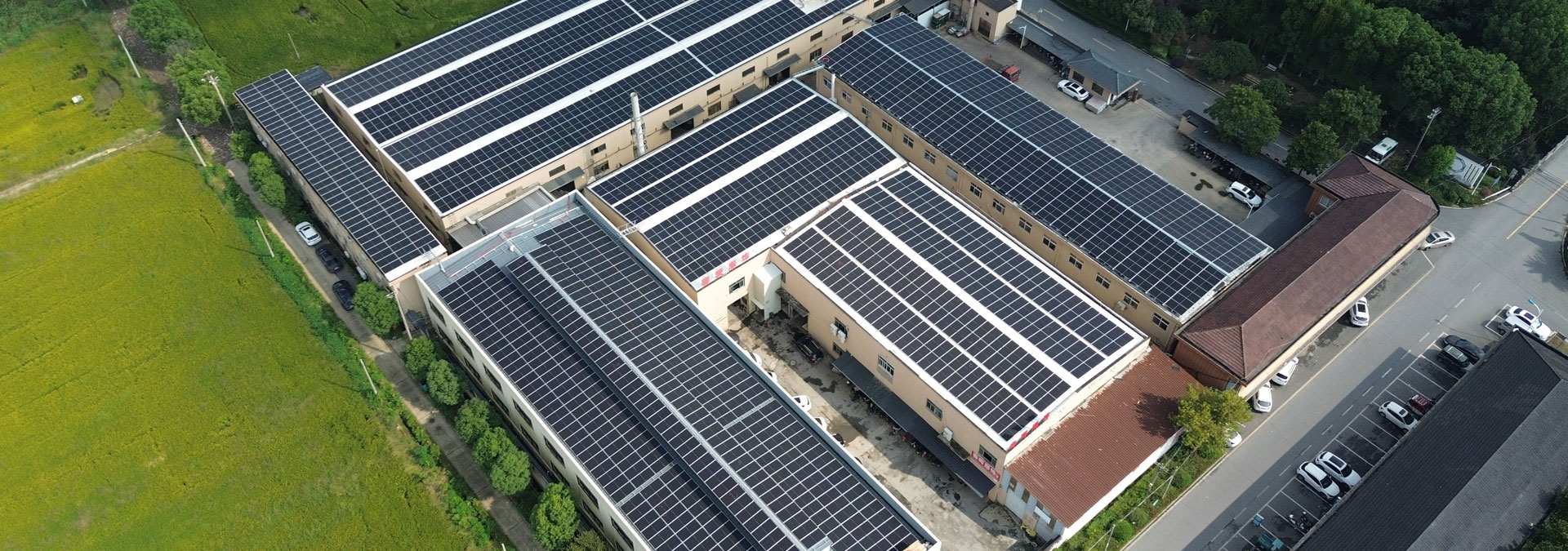
A roof does more than cover a building. It shapes the way a structure is seen from a distance, affects the character of an exterior, and can even influence how people understand the place itself.
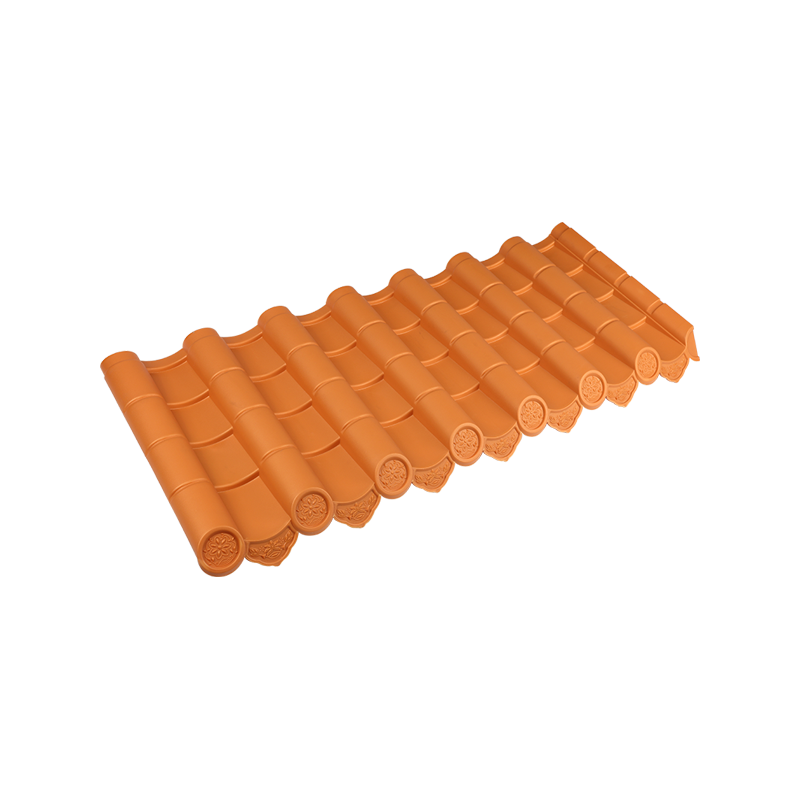
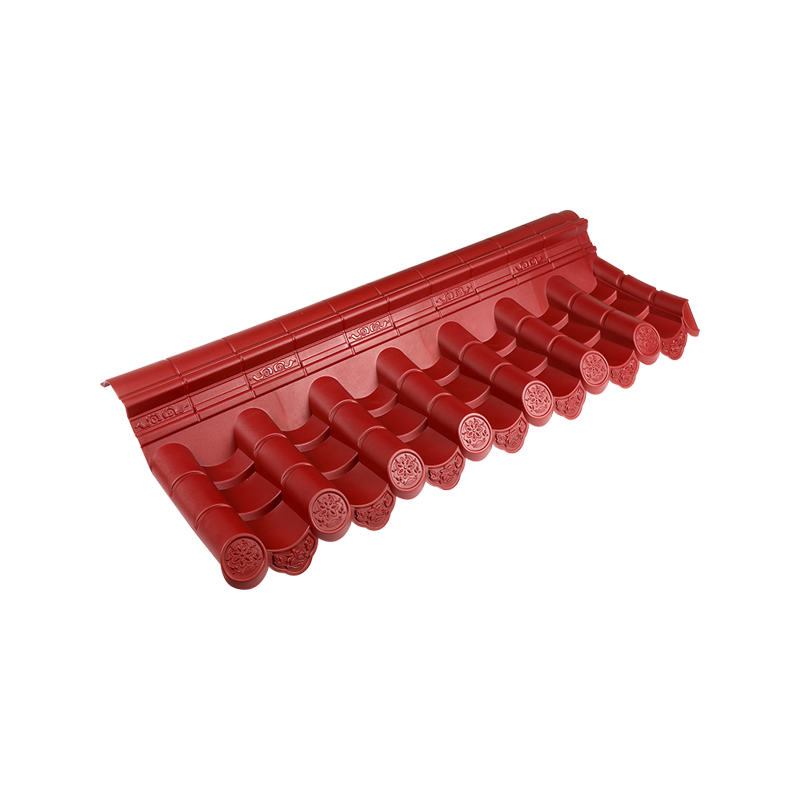
This is one reason Chinese roof tiles for sale continue to attract attention in contemporary building design. Their appearance is closely connected with traditional Chinese architecture, yet their visual language does not have to remain in the past.
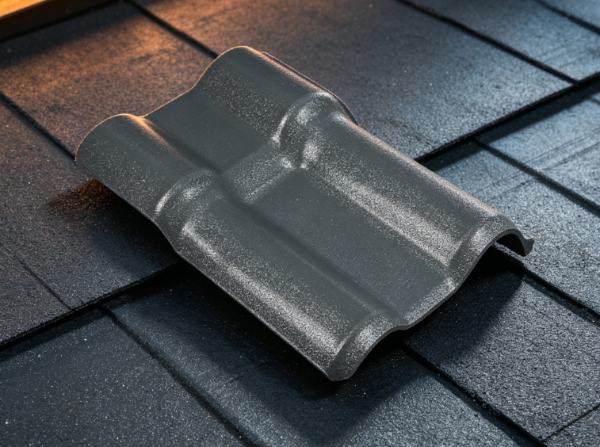
Modern architects, property owners, designers, and renovation teams are exploring ways to bring familiar roof forms into new settings. Some projects seek a strong cultural identity. Others want a softer connection between a building and its surroundings. Some simply prefer the visual rhythm created by tiled roofs.
The interest is not only about tradition. It is also about how old design ideas can be interpreted in a new context.
What Makes Chinese Roof Tiles Still Interesting to Modern Designers?
Traditional Chinese roofs are easy to recognize. Their curved lines, repeated tile surfaces, and layered appearance create a distinct visual character.
Yet the appeal of Chinese roof tiles does not depend entirely on building a traditional Chinese structure. Their shapes and textures can also become part of a broader design concept.
A contemporary building may use a familiar roof style while keeping the rest of the structure simple. Clean walls, open spaces, large windows, and restrained decoration can sit beneath a roof inspired by traditional forms. The result does not need to look like a historical reconstruction.
This flexibility gives designers room to experiment.
Chinese roof tiles can contribute to a building in several ways:
| Design role | Possible visual effect |
|---|---|
| Cultural element | Creates a connection with Chinese architectural traditions |
| Decorative feature | Adds texture and visual rhythm to a roof |
| Architectural identity | Gives a building a recognizable appearance |
| Heritage reference | Helps reflect traditional design ideas |
| Transitional element | Connects traditional and contemporary styles |
The roof can therefore become part of the architectural conversation rather than simply a functional covering.
This change in thinking is important for the current market. Buyers looking for Chinese roof tiles for sale may no longer be searching only for materials for traditional houses. They may also be exploring ways to create a particular mood or identity.
How Can Traditional Roof Forms Fit Into Contemporary Buildings?
The easiest way to understand this trend is to look at the relationship between old and new.
Contemporary architecture often values simple forms. Traditional Chinese architecture, by contrast, is known for layered rooflines, visual depth, and carefully arranged details.
At first glance, these approaches may seem far apart. In practice, they can work together.
A designer does not need to reproduce every feature of a traditional building. A roof can borrow one recognizable element and allow the rest of the building to follow a modern direction.
For example, a simple building may use a tiled roof as its main visual feature. The walls can remain understated. Open courtyards can provide space between indoor and outdoor areas. Modern materials can appear alongside traditional-looking roof surfaces.
This approach avoids making the building feel like a copy of an older structure.
Instead, the roof becomes a reference.
That distinction matters. Contemporary design is often less about reproducing the past and more about interpreting it.
Chinese roof tiles can support this idea because their appearance carries a strong visual association. Even when used in a simplified architectural setting, they can suggest tradition without requiring the entire building to follow an old style.
Why Does Cultural Identity Matter in Roof Design?
Buildings exist within cultural and geographic settings. Their appearance can communicate something about the people, history, or ideas connected with a place.
This has made cultural identity an increasingly interesting subject in architecture.
A building with a generic exterior may blend into many different environments. A building with carefully selected cultural details can create a stronger sense of character.
Chinese roof tiles offer one possible way to introduce that character.
They may be considered for homes, cultural spaces, gardens, hospitality properties, community buildings, and other projects where architectural identity matters. The exact use depends on the design concept and the surrounding environment.
The appeal can also be personal.
A property owner may want a roof that reminds them of traditional courtyards. A designer may be interested in creating a connection between landscape and architecture. A renovation project may need to respect the appearance of an existing structure.
In these situations, the roof becomes part of the story.
That is different from choosing a roofing material only because it covers an upper surface. Appearance, cultural meaning, and the overall relationship between the roof and the building can all influence the decision.
For suppliers and buyers, this creates a wider conversation around Chinese roof tiles for sale. The product is not necessarily being considered in isolation. It may be part of a larger architectural idea.
Could Chinese Roof Tiles Work With Minimalist Architecture?
Minimalism may seem like an unlikely partner for traditional roof tiles. It can actually create an interesting contrast.
A minimalist building often depends on a limited number of visible elements. This means that one distinctive feature can have a noticeable effect.
A traditional-style tiled roof placed over a simple structure can become the visual focus without making the entire building heavily decorated.
The contrast between the roof and the walls can create depth.
A restrained exterior can also allow the texture of the tiles to become more visible. Repetition across the roof surface introduces a pattern that changes with light and viewing angle.
This creates a useful design balance.
The building can remain visually simple while the roof provides warmth and cultural character.
There is also room for different interpretations. Some projects may use a traditional roof silhouette. Others may focus on the texture of the tiles. Another design may use only a small roof section as a visual reference.
This is why the discussion around Chinese roof tiles is not limited to traditional architecture.
The material can become a design vocabulary.
What Should Buyers Consider When Looking at Chinese Roof Tiles for Sale?
The visual appearance of a tile is important, but it is only part of the decision.
Buyers should consider how the roof will relate to the entire building. A tile that looks attractive on its own may create a very different impression when placed across a large roof surface.
The surrounding environment matters too.
A roof may sit beside stone walls, landscaped gardens, modern glass, wood elements, or plain exterior surfaces. The relationship between these features can determine whether the final design feels balanced.
Several questions can help guide the selection process:
- What architectural feeling should the roof create?
A project may seek a traditional atmosphere, a modern interpretation, or a visual connection between the two. - How visible will the roof be?
A roof seen from a distance has a different design role from one viewed mainly from inside a courtyard. - Does the tile style fit the building?
Shape, texture, surface appearance, and arrangement should work with the structure rather than compete with it. - Is the project new construction or renovation?
Renovation work may require closer attention to the existing appearance and surrounding architecture. - How will the roof interact with the landscape?
Trees, walls, pathways, courtyards, and outdoor spaces can change how the roof is perceived. - Does the supplier understand the intended application?
Clear communication can help buyers identify suitable tile styles and avoid choosing based on appearance alone.
These considerations are useful because there is no single Chinese roof tile style that fits every project.
Where Are Chinese Roof Tiles Finding New Design Possibilities?
Traditional residential buildings remain an important part of the market, but modern applications are creating additional opportunities.
Garden structures are one example.
A small pavilion or outdoor feature can use a traditional roof shape without requiring the surrounding property to follow the same architectural language. The roof can provide a visual link between buildings and landscaping.
Hospitality spaces offer another possibility.
Hotels, guest houses, restaurants, and leisure properties often use architectural details to create a particular atmosphere. A roof inspired by Chinese traditions can help establish that identity before visitors even enter the building.
Cultural and educational spaces can also benefit from this approach.
In these settings, architecture may be expected to communicate a connection with history or cultural ideas. Traditional roof elements can support that purpose while still being incorporated into a contemporary structure.
Residential renovation is another area worth watching.
Homeowners may want to introduce a traditional roof element without changing the entire appearance of their property. In such cases, a carefully selected roof design can provide a noticeable change while allowing other parts of the building to remain relatively simple.
| Application | Why roof tiles may be considered |
|---|---|
| Private residences | Cultural character and distinctive exterior appearance |
| Garden structures | Strong relationship with landscape design |
| Hospitality spaces | Creation of a recognizable architectural mood |
| Cultural buildings | Visual connection with traditional architecture |
| Renovation projects | Retention or reinterpretation of familiar roof styles |
| Contemporary projects | Contrast between traditional roofs and modern forms |
The variety of applications helps explain why interest in Chinese roof tiles continues beyond traditional construction.
How Is the Market for Chinese Roof Tiles Changing?
The way buyers approach building materials is changing along with architecture.
People increasingly look beyond basic function. They want to understand how a material fits into a larger design concept.
For Chinese roof tiles, this means visual information has become particularly important.
Buyers may want to see different roof arrangements, surface appearances, building styles, and applications before making a decision. A simple product description may not provide enough context.
This creates an opportunity for manufacturers and suppliers to communicate differently.
Instead of presenting roof tiles only as individual products, they can explain how different styles relate to architectural settings. Project images, application examples, material descriptions, and clear product information can help buyers understand the possible design direction.
At the same time, buyers are becoming more careful about matching expectations with actual products.
Questions about appearance, intended use, installation planning, compatibility with the building, and supplier communication can all influence purchasing decisions.
The phrase Chinese roof tiles for sale therefore represents more than a simple product search. Behind it may be a designer searching for a cultural detail, a homeowner planning a renovation, or a project team looking for a roof style that gives a building more personality.
That broader range of intentions is helping keep traditional roof tiles relevant in contemporary design.
Can Chinese Roof Tiles Become a Bridge Between Old and New?
Architecture does not always have to choose between traditional and modern.
Some of the most interesting design ideas come from combining familiar elements in unfamiliar ways.
Chinese roof tiles provide a natural starting point for this type of exploration. Their appearance has a strong connection with traditional architecture, but their use does not have to stop there.
A modern building can use a traditional roof without becoming a historical replica.
A simple courtyard can gain a stronger sense of place through its roofline.
A contemporary residence can introduce cultural references without filling every part of the exterior with decorative details.
A garden pavilion can use a familiar roof form to create a visual relationship with trees, stone, water, and open space.
This ability to adapt is part of the reason Chinese roof tiles for sale remain relevant. Their value in contemporary building design is not simply about preserving an old appearance. It is about giving designers another way to express character, context, and cultural connection.
The roof may be one of the oldest elements in architecture, but the way people use it continues to change.


 Email:
 Phone:
 Adress: