



Roof color shapes the silhouette of a building and sets the relationship between the roof plane and the walls beneath it. A muted or weathered tone can reinforce a traditional character, while a sharper contrast can give a contemporary structure a deliberate historic reference. Vintage Roof Tiles and Antique Roof Tiles that carry an aged surface appearance therefore become useful tools when the design brief calls for heritage or classic visual qualities. Matching those colors to the architectural language of the project requires attention to wall materials, roof form, light conditions and the surrounding landscape.
Influence of Roof Color on Overall Building Appearance
The roof occupies a large portion of the visible exterior, especially when viewed from a distance or from above. Darker tones tend to recede and can make a tall roof feel less dominant; lighter or warmer tones draw the eye and can balance broad wall surfaces. Consistency of color across ridges, hips and eaves prevents the roof from appearing fragmented. Adjacent finishes—brick, render, timber, stone or metal window frames—must be considered so that the roof neither clashes with nor disappears into the walls. Local climate and the likelihood of dust or organic growth further influence how a chosen color will look after prolonged exposure.
Coordinating Antique Tones with Specific Architectural Languages
Traditional Chinese Building Forms
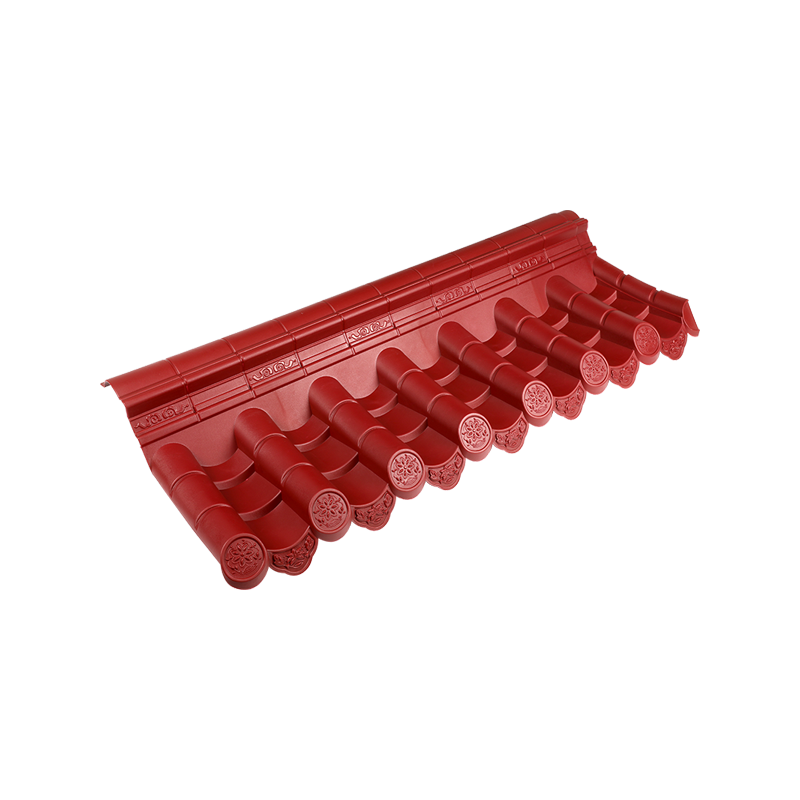
Courtyard houses, temple-inspired roofs and other traditional Chinese structures often rely on subdued gray, charcoal or slate-like hues that sit quietly against brick, rammed earth or timber. These tones echo historic clay and stone roofs without introducing strong chromatic contrast. When wooden brackets, carved screens or stone plinths are present, a restrained roof color keeps the decorative elements readable. Available antique-finish tiles in comparable muted shades can be reviewed against the actual wall and timber samples to confirm harmony.
European and Mediterranean-Inspired Designs
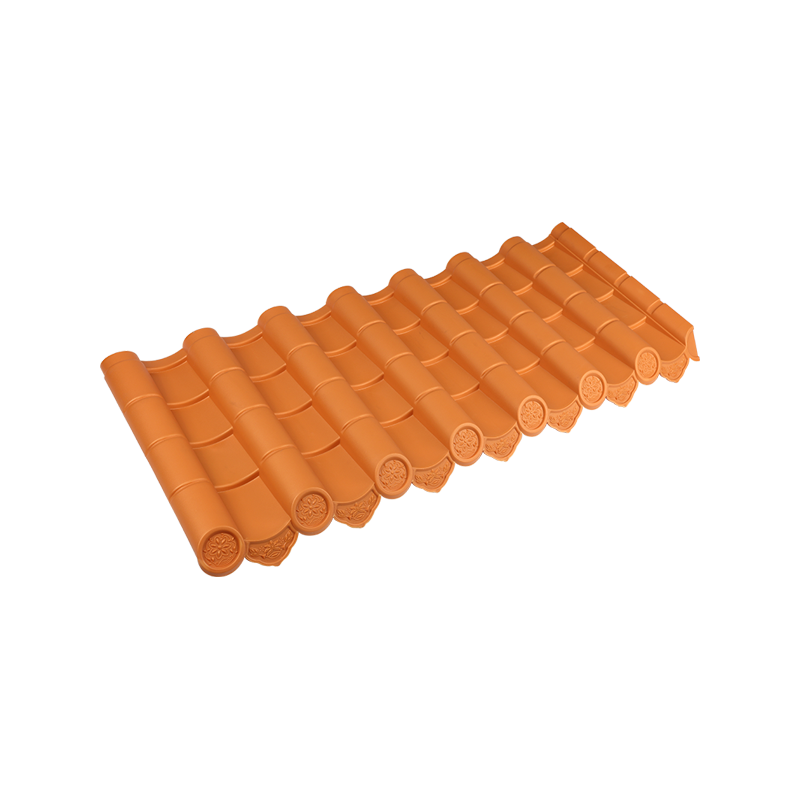
Warm grays, soft browns and terracotta-leaning shades frequently accompany stucco, limestone or painted masonry in European and Mediterranean references. The roof color is chosen to continue the earthy palette rather than to oppose it. Under strong sunlight these warmer tones retain depth, while in overcast conditions they remain legible against pale walls. Physical samples are compared with the project's render or stone to avoid a mismatch that only becomes apparent after installation.
Contemporary Villas Seeking a Classic Roof Reference
Modern houses with simple wall planes and large glazing sometimes adopt an antique-style roof to introduce texture and historical allusion. Charcoal or deep gray tiles create a clear boundary between a light-colored façade and the roof edge. Coordination with dark window frames, guttering and fascia boards prevents the roof from appearing isolated. The same restrained palette can also link the house to older neighbouring structures without imitating them directly.
Garden Pavilions, Courtyards and Landscape Structures
Buildings set among planting, gravel and natural stone benefit from roof colors that sit close to the surrounding earth and foliage tones. Soft browns, muted greens or weathered grays help the roof recede into the landscape rather than compete with it. The relationship between the roof, nearby walls and paving is checked so that the small structure feels anchored rather than applied. Antique Roofing Tile options in these quieter shades are assessed against the actual site materials before final selection.
Factors That Guide Color Decisions Before Ordering
Wall color and the tone of architectural trim establish the primary contrast or harmony against which the roof is judged. Large roof expanses amplify any color, so a shade that looks acceptable on a small sample may dominate once installed; the effect across ridges and broad slopes is therefore imagined or modelled. Natural light changes through the day and through the seasons; samples are viewed in both direct sun and shadow. Neighbouring buildings, mature trees and the broader local palette supply additional context. Only colors actually offered in the chosen tile range are considered, and the possible effects of dust, rain staining and periodic cleaning are weighed against the desired long-term appearance.
Practical Steps for Comparing Colors Prior to Purchase
Physical samples or approved color references are obtained whenever possible. These are held against wall panels, window frames and other exterior materials under the lighting conditions expected on site. Digital images are treated as approximate because screens vary in calibration. Batch-to-batch consistency and any limits on future matching are confirmed with the supplier. Once a color is selected it is recorded and approved in writing before the bulk order is released, reducing the risk of later disagreement.
Value of Antique-Finish Tiles in Both Traditional and Modern Settings
An aged surface texture and a carefully chosen color can supply the classic roof character required by heritage-inspired designs or by contemporary projects that seek a single historic reference. Profile, thickness and installation method must still suit the roof structure and the local climate. Review of the full technical description, available colors and physical samples determines whether a given antique-style tile meets the visual and practical demands of the project.
Overview of Color Relationships Across Architectural Styles
| Architectural Context | Typical Color Direction | Coordination Points |
|---|---|---|
| Traditional Chinese forms | Dark gray, charcoal, muted slate | Brick, timber, stone bases, decorative woodwork |
| European / Mediterranean | Warm gray, soft brown, earth-toned shades | Stucco, limestone, painted masonry, warm trims |
| Modern villas with classic roofs | Charcoal or deep gray for contrast | Light walls, dark frames, fascia and gutter finishes |
| Garden and landscape structures | Earthy, muted tones close to site materials | Planting, gravel, natural stone, neighbouring roofs |
| General selection | Sample under real light, confirm batch consistency | Wall color, roof scale, maintenance expectations |
Aligning Roof Color with the Complete Architectural Composition
Roof tile color is never chosen in isolation. Architectural style, exterior wall materials, lighting conditions and the surrounding environment together determine which antique-inspired shades will reinforce the intended character of the building. Physical samples reviewed against actual finishes and confirmed against the supplier's available range provide the most reliable basis for decision. Hangzhou Chuanya Building Materials Co., Ltd. produces antique-style roofing tiles in a range of traditional and muted colors. Review of available finishes, profiles and sample boards against the project's wall materials, roof form and landscape setting allows selection of a color that supports a coherent and durable exterior appearance.

 Email:
 Phone:
 Adress:
