



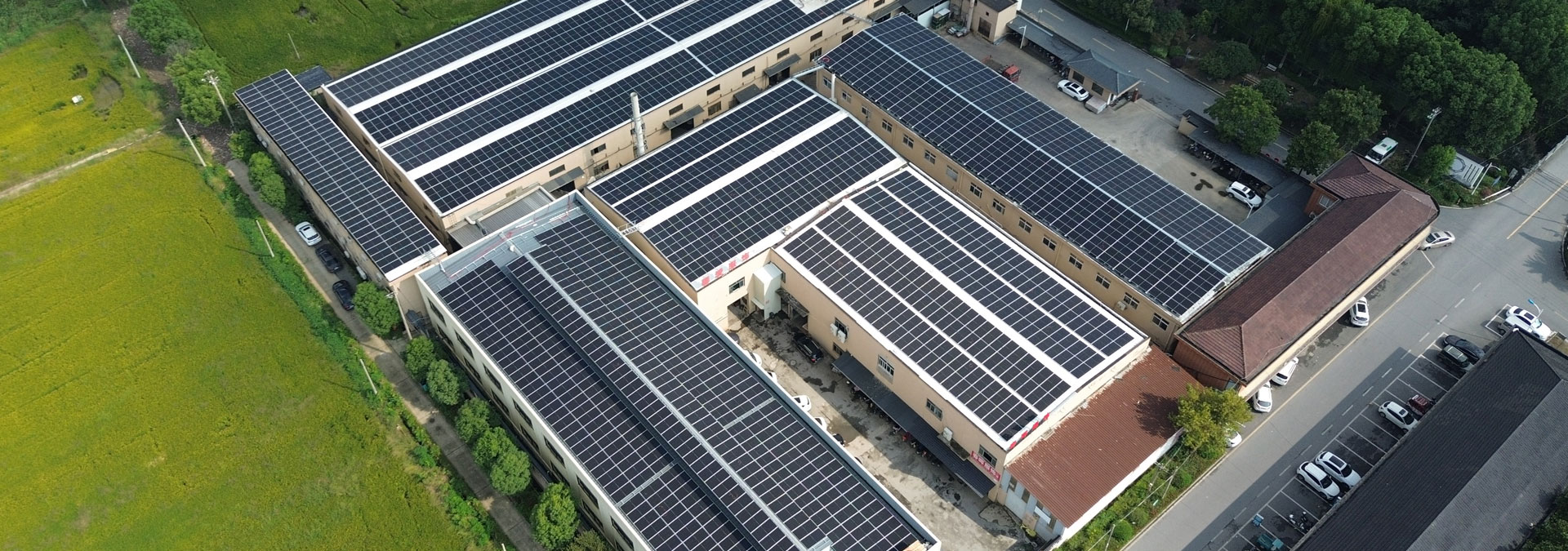
Importance of Long-Term Durability in Roof Deflector Components
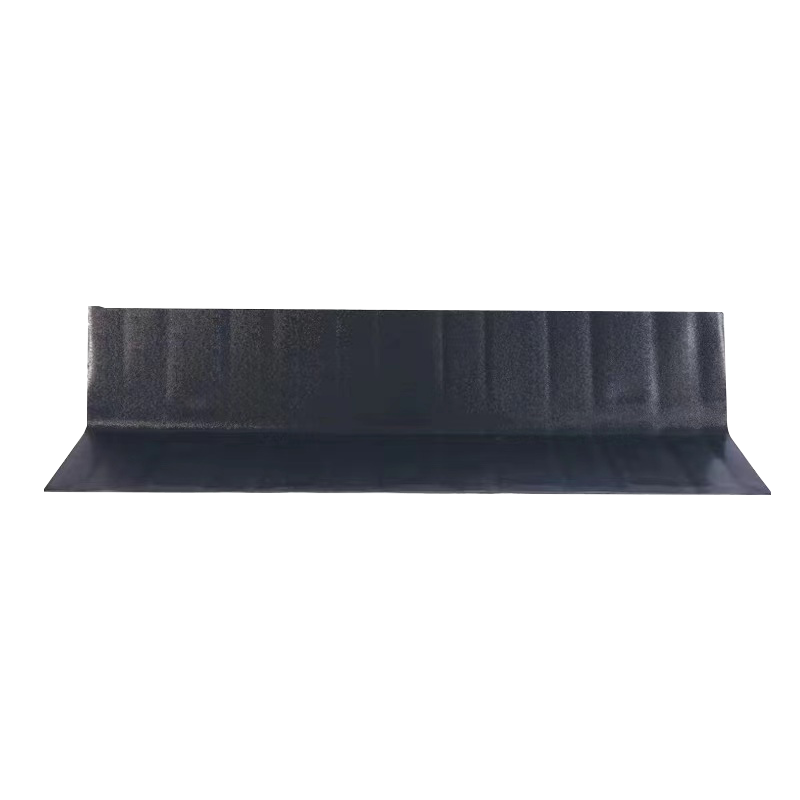
Roof deflectors sit exposed to weather for the entire life of the roof. Sun, rain, wind, temperature swings and airborne particles all act on the surface and the fixings. When material starts to break down or the piece takes physical damage, the ability to direct water declines and the surrounding roof can suffer. Durability therefore forms a central point when selecting deflectors for residential, commercial or industrial roofs. A roof Bearing Deflector can serve projects that need directed diversion around bearing points when the material and construction match the expected exposure.
Influence of Material Quality on How Long the Component Lasts
The composition of the chosen material sets the baseline for strength, dimensional stability and resistance to the outdoor environment. Metals need protection against rust and chemical attack if they are to remain intact. Consistency of the material across the piece avoids weak zones that fail earlier than the rest. Selection of the material must reflect the actual building surroundings and the conditions the deflector will face year after year.
Effects of Ultraviolet Light and General Weather Exposure
Long periods of direct sunlight can break down coatings, finishes or non-metallic surfaces. Repeated wetting from rain contributes to corrosion or surface loss when the material lacks adequate protection. Wind-blown particles scratch finishes and open paths for further deterioration. In coastal zones salt in the air speeds corrosion of unprotected metal; industrial atmospheres carry pollutants that attack certain surfaces more quickly. Matching the material and its finish to these conditions slows the rate of decline.
Stress Caused by Temperature Fluctuations
Daily and seasonal heating and cooling cycles cause the material to expand and contract. Repeated dimensional change places stress on joints, connections and the points where the deflector is fixed to the roof. Extreme temperature ranges demand materials and product specifications that remain stable under those conditions. A deflector that keeps its intended shape and properties under normal operating cycles continues to function as designed for longer.
Contribution of Manufacturing Quality and Structural Form
Appropriate thickness and uniform material quality give the piece structural reliability. The profile and overall geometry need enough rigidity without concentrating stress in particular zones. Clean edges and smooth surfaces reduce the chance of early weak points or exposed material that deteriorates faster. Protective coatings or finishes shield compatible materials from environmental attack. Dimensional accuracy and repeatable production quality keep every piece within the same performance band.
Mechanical Loads and Accidental Physical Damage
Repeated wind pressure and vibration act on the deflector and its connections. Impacts from tools or debris can leave dents, deformation or surface damage that open the way for further wear. Careless handling during storage, shipping or construction shortens useful life before the piece even reaches the roof. Loads beyond the intended design limits accelerate failure. Keeping the component within its design envelope and free from unnecessary impacts preserves its integrity.
Role of Installation Quality and Material Compatibility
Compatible fasteners maintain secure attachment under the expected service conditions. Joint and attachment details must suit the selected product so that movement does not loosen the fixing. Dissimilar materials or incompatible protective finishes can create corrosion cells or other durability problems in certain environments. Improper fastening or damage during installation reduces long-term reliability. Following the recommended installation methods and accessories keeps the component working as intended.
Methods for Checking Deflectors for Early Signs of Wear
Visible coating damage, discoloration, corrosion or cracking signal surface deterioration according to the material. Bending, warping or other changes in shape indicate physical stress. Loose fasteners, damaged joints and signs of movement point to connection problems. Inspection criteria must match the material and construction of the particular deflector. Keeping a simple record of observations over time helps track changes and supports maintenance decisions.
Steps That Help Extend Useful Service Life
Material and finish are matched to the expected exposure conditions from the outset. Components are protected from scratches, impact and deformation during handling and storage. Compatible fasteners are used and unnecessary stress on the product is avoided during installation. Periodic checks look for visible deterioration and any issues are addressed according to the product guidance. Significant deterioration is assessed rather than left to progress unchecked.
Points to Review When Selecting a Durable Deflector
Material type, thickness, finish and available performance information are checked first. Sunlight, temperature swings, moisture, wind exposure and local atmospheric conditions are taken into account. Consistent dimensions, suitable structural design and appropriate finishing indicate manufacturing quality. The product must match the intended roofing application and attachment requirements. Available specifications, inspection information and relevant test results are requested from the supplier. Where the standard range does not fit, project-specific dimensions, material options and design requirements can be discussed.
Overview of Factors That Influence Deflector Durability
| Influencing Factor | Typical Effect on the Component | Practical Response |
|---|---|---|
| Material composition | Sets baseline strength and environmental resistance | Match material to expected exposure |
| Ultraviolet and weather exposure | Surface breakdown, corrosion, finish loss | Select protective coatings or resistant materials |
| Temperature cycling | Stress at joints and fixings | Choose stable materials for the climate |
| Manufacturing consistency | Weak points, uneven performance | Review thickness, finish and dimensional accuracy |
| Mechanical loads and impacts | Dents, deformation, loosened connections | Protect during handling and stay within design limits |
| Installation quality | Early loosening or material incompatibility | Use compatible fasteners and follow guidance |
| Inspection and maintenance | Undetected progressive damage | Periodic visual checks and timely assessment |
Selecting Components That Maintain Performance Over Time
Material quality, environmental exposure, mechanical stress, manufacturing consistency and installation quality all influence how long a roof deflector continues to function. Evaluating the complete product rather than any single characteristic gives a clearer picture of expected service life. A Branch Deflector can serve projects that require diversion around branching flow paths when the material and construction suit the site conditions. Hangzhou Chuanya Building Materials Co., Ltd. produces roof deflector components for a range of roofing applications. Review of available material options, profiles and installation guidance against the actual project conditions allows selection of a deflector suited to long-term outdoor service.

 Email:
 Phone:
 Adress:
