



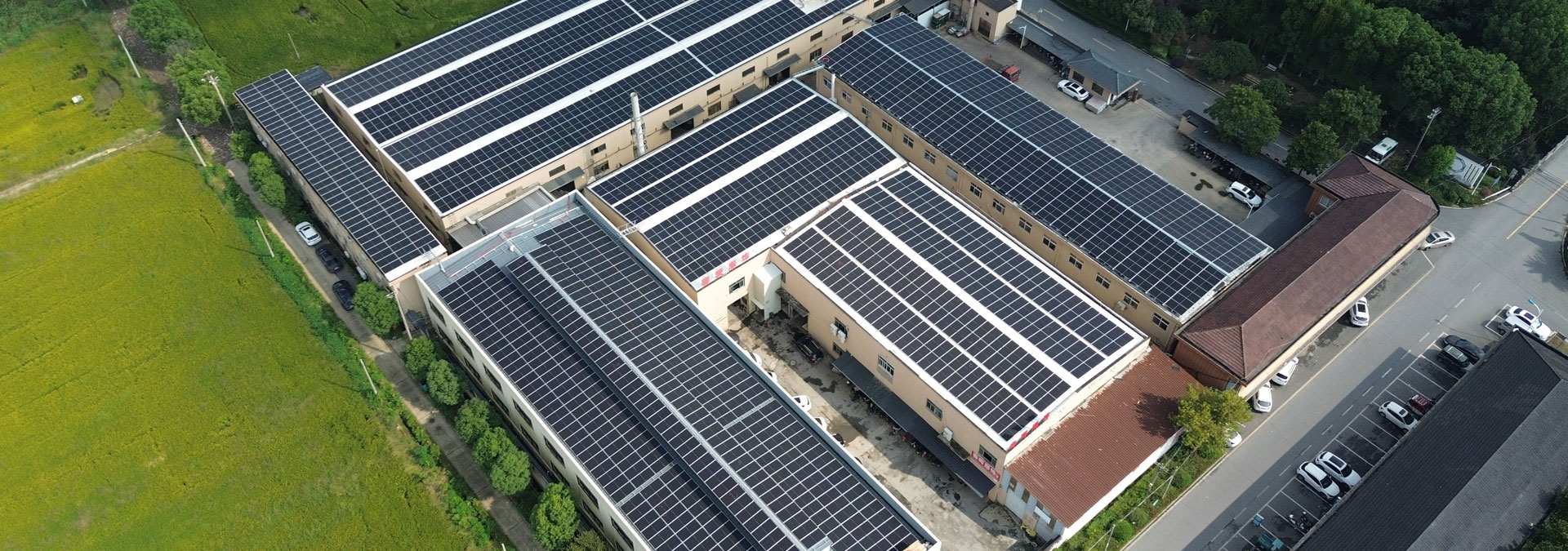
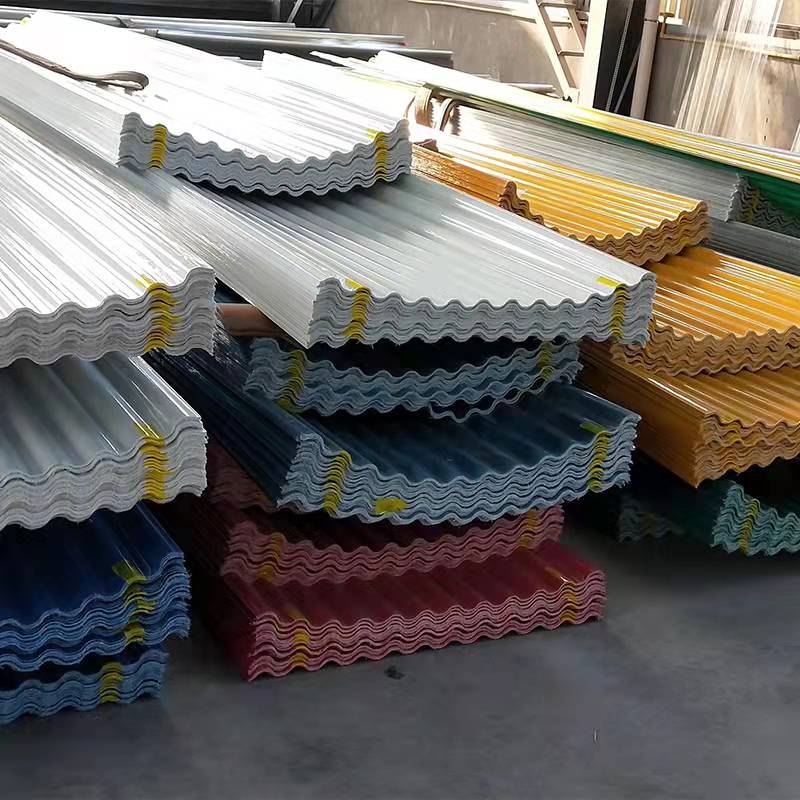
Fiber reinforced plastic daylighting panels let natural light into factories, warehouses, workshops, and agricultural buildings while forming part of the roof. How long these panels last depends on the resin system, the amount and quality of fiberglass reinforcement, the level of ultraviolet protection, the weather the building faces, the care taken during installation, and the ongoing maintenance. No single figure applies to every panel. Product data sheets, test results, and warranty wording from the maker remain the practical reference points. Chinese FRP Daylighting Panels offer one route for projects that need translucent roofing with adjustable specifications.
Main Influences on How Long the Panels Remain Serviceable
Effects of Sunlight and Outdoor Weather
Long exposure to sunlight and ultraviolet rays gradually breaks down the surface. Color can shift and the amount of light that passes through can drop. Surface treatments or outer protective layers that resist ultraviolet attack slow that process. Panels chosen for the actual climate and the amount of direct outdoor exposure last longer than those selected without regard to local conditions.
Role of Resin Type and Fiberglass Content
The resin chemistry, the quantity of fiberglass, and how evenly the materials are combined during manufacture all affect how the panel holds up over time. Outdoor roofing places continuous demands on the material, so the starting formulation matters. Technical sheets and full product specifications from the producer give the clearest picture of what to expect.
Impact of Moisture, Temperature Swings, and Harsh Surroundings
Repeated heating and cooling, moisture, and contact with certain chemicals can stress the panel. Factories, coastal sites, and industrial buildings often present different combinations of these factors. Matching the panel formulation to the real operating environment reduces the chance of early surface or structural problems.
Importance of Correct Installation
Wrong fastening, inadequate support spacing, poor sealing, or too little room for thermal movement can lead to cracks, leaks, or early failure. Compatible fasteners and the installation steps supplied by the maker keep the panels working as designed. Careful installation lets the material perform through its expected service period.
Value of Ongoing Cleaning and Checks
Dirt, debris, and organic growth reduce the amount of light that reaches the interior. Periodic inspection and cleaning with non-abrasive, compatible products keep transmission higher. Checking fasteners, seals, and any visible surface change catches problems before they spread.
Signs That Replacement May Be Needed
Extensive yellowing, lasting loss of clarity, surface cracks, increased brittleness, separation of layers, and repeated leaks all point to aging. Some surface changes remain mainly cosmetic; others affect weather protection or structural reliability. Inspection after severe weather or whenever damage appears shows the current state. Small local repairs can work for limited problems, while widespread cracking, delamination, or brittleness usually points toward full replacement as the safer long-term step.
Practical Steps That Support Longer Service
Selecting Panels with Adequate Ultraviolet Protection
Formulations or outer layers that resist ultraviolet attack matter for any outdoor installation. Confirmation of the available protection and any supporting test information helps match the panel to the site.
Following the Correct Installation Sequence
Panel profile, support spacing, fastening method, overlap details, and sealing all need attention. Supplier instructions and applicable building rules guide the work. Excessive pressure at fasteners and unsupported spans are avoided.
Setting Up Regular Roof Checks
Cracks, loose fasteners, leaking joints, and surface wear are looked for on a set schedule. Harsher environments or periods after severe weather call for more frequent visits. A simple record of what is found tracks changes over time.
Cleaning Without Harming the Surface
Cleaning methods and products approved by the maker keep the surface intact. Abrasive tools and incompatible chemicals that scratch or soften the finish are avoided. Safe roof access practices apply during any maintenance work.
Link Between Material Quality and Long-Term Behavior
Resin choice, fiberglass reinforcement, panel thickness, surface treatment, and consistency of manufacture all influence how the panel ages. Light transmission, resistance to weather, and surface appearance over time are connected. Technical specifications give a clearer basis for comparison than price alone. Chinese FRP Daylighting Panels form a category used in industrial roofing and natural-lighting projects, with the exact specifications chosen according to the building requirements.
Comparison with Other Translucent Roofing Options
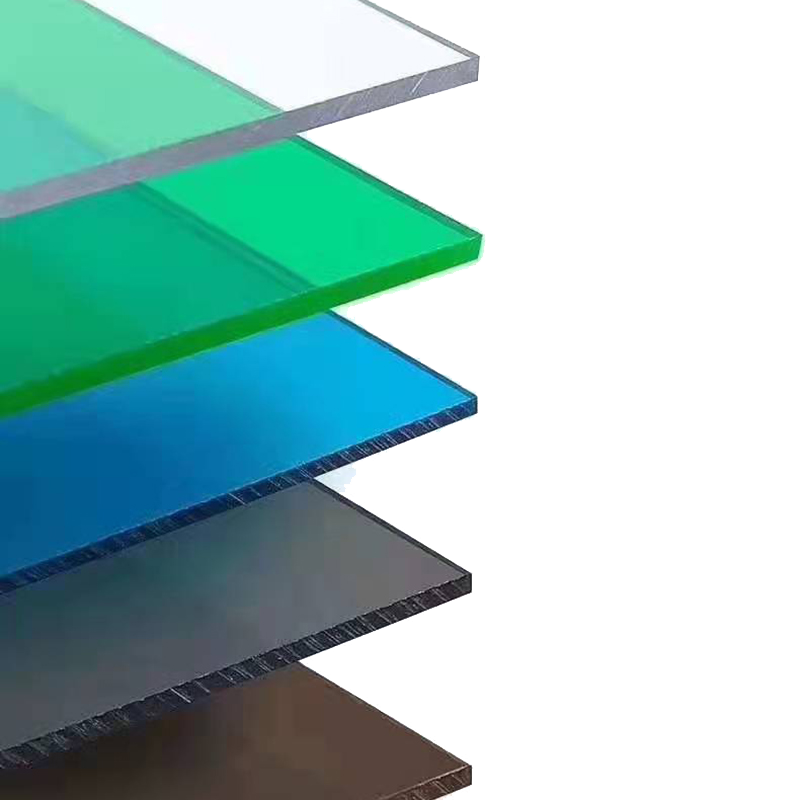
Fiber reinforced plastic panels differ from polycarbonate and other translucent materials in impact behavior, weathering resistance, light transmission, weight, maintenance needs, and cost structure. Actual service life still depends on the grade of the product, the quality of installation, the exposure conditions, and the maintenance carried out rather than on the material name alone. Building design, local environment, and project budget together guide the material choice.
Points for Evaluating a Reliable Producer of These Panels
Experience with roofing and daylighting products forms the starting point. Technical data covering thickness, light transmission, ultraviolet protection, mechanical behavior, and test methods should be available. Panel profiles, dimensions, colors, and any customization options need confirmation. Quality-control steps, sample availability, packaging methods, delivery capacity, and warranty terms all deserve review. Guidance on installation and maintenance for the intended environment completes the picture.
Frequent Questions About These Daylighting Panels
Prolonged ultraviolet exposure and local weather can cause color change; the degree depends on the resin system and any protective treatments. Outdoor use over extended periods depends on weather resistance, ultraviolet protection, installation quality, and maintenance. Inspection frequency follows the building environment, maker guidance, and local weather patterns, with extra checks after severe storms. Repair decisions rest on the location and severity of damage; limited local issues may be repairable while widespread cracking, delamination, or brittleness usually calls for replacement. Before purchase, technical specifications, ultraviolet protection, expected service conditions, quality testing, customization, installation guidance, and warranty coverage all warrant direct inquiry.
Overview of Factors Influencing Service Duration
| Influencing Factor | Typical Effect on Panels | Practical Response |
|---|---|---|
| Ultraviolet exposure | Surface degradation and reduced clarity | Select panels with protective treatments |
| Resin and fiberglass quality | Overall durability and resistance to aging | Review technical data and specifications |
| Moisture and temperature cycles | Stress and potential surface changes | Match formulation to local conditions |
| Installation method | Risk of cracks, leaks, or early failure | Follow maker instructions and spacing rules |
| Cleaning and inspection | Light transmission and early problem detection | Use approved methods and keep records |
Selecting Panels Matched to Project Conditions and Available Supply
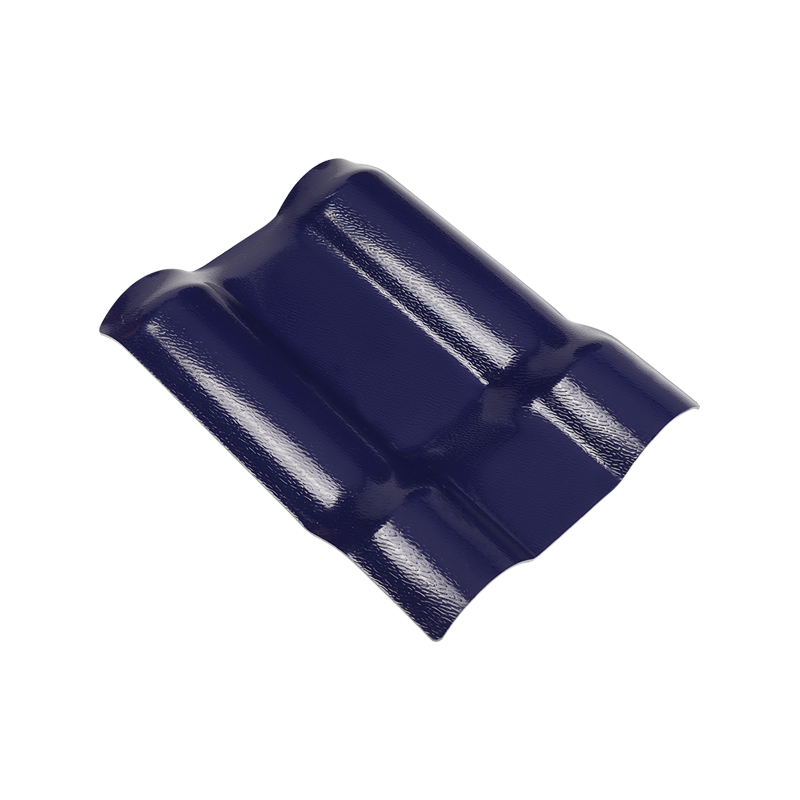
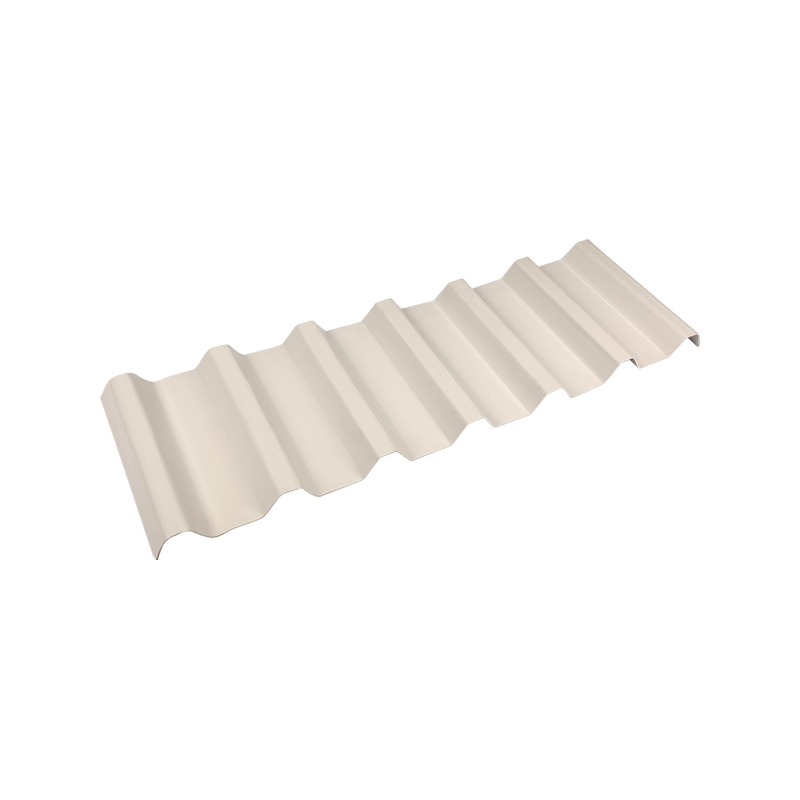
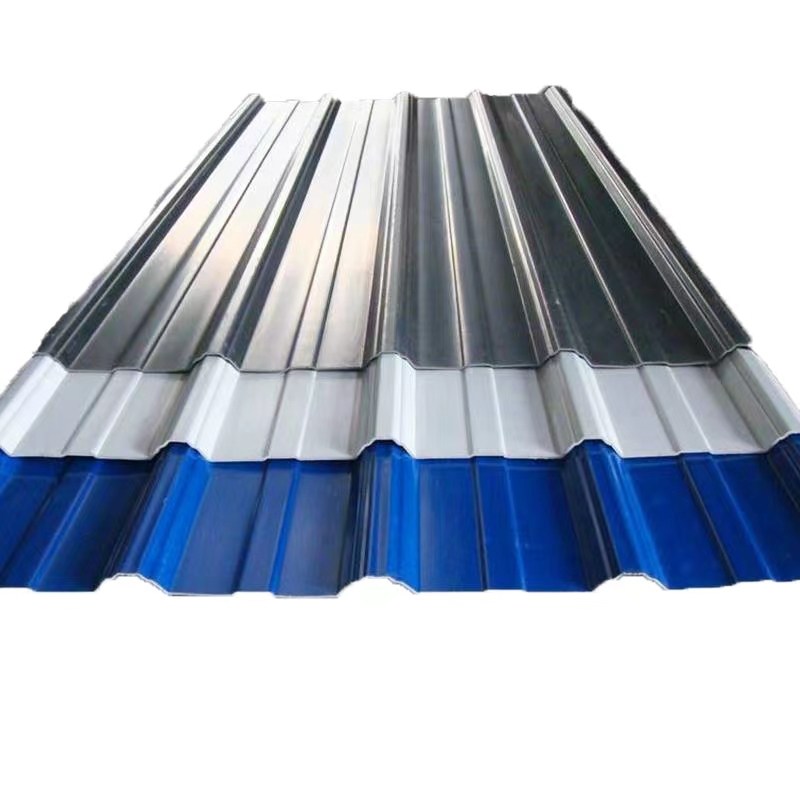
Service life of fiber reinforced plastic daylighting panels depends on material quality, ultraviolet exposure, environmental conditions, installation care, and maintenance. Choosing the correct specifications at the start reduces the chance of early deterioration and later replacement cost. Hangzhou Chuanya Building Materials Co., Ltd. produces fiber reinforced plastic daylighting panels for industrial buildings, warehouses, workshops, and similar applications. Review of product specifications, customization options, and technical information against the actual project requirements allows selection of panels suited to the intended use.

 Email:
 Phone:
 Adress: