



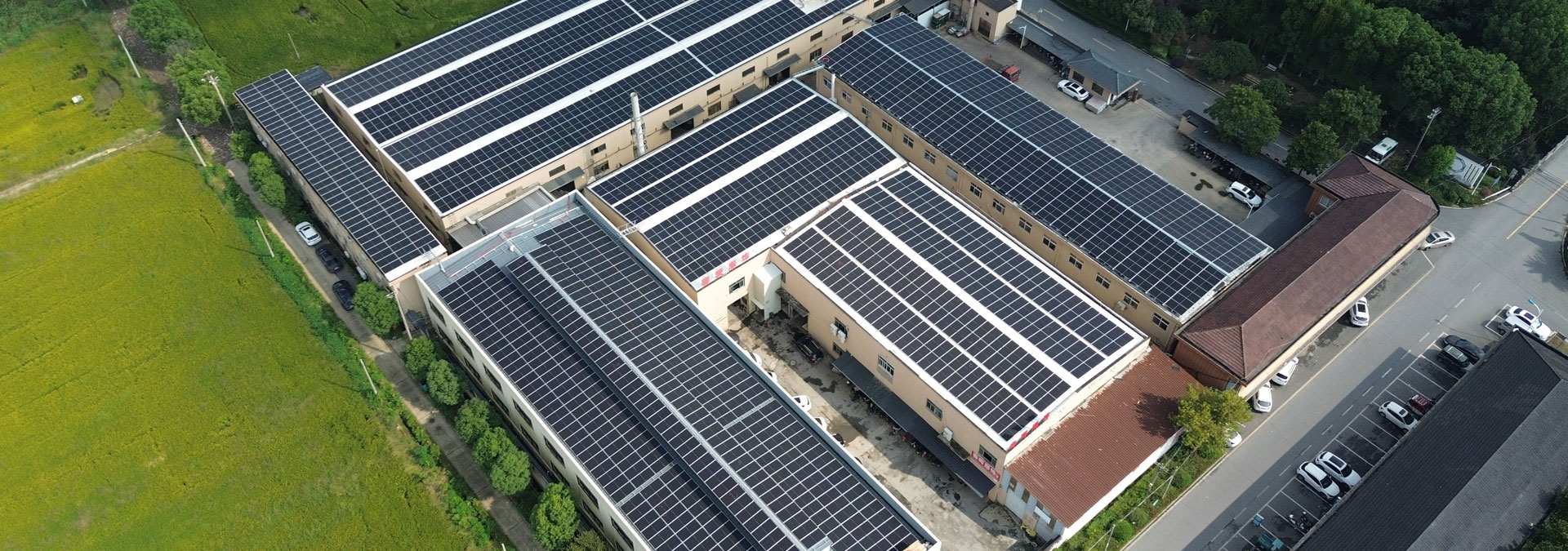
Outdoor architecture is changing in ways that are easy to notice. Roofs are no longer treated only as protective covers. They have become part of the visual identity of a building. The shape, color, texture, and material of a roof can influence how an entire outdoor space feels.
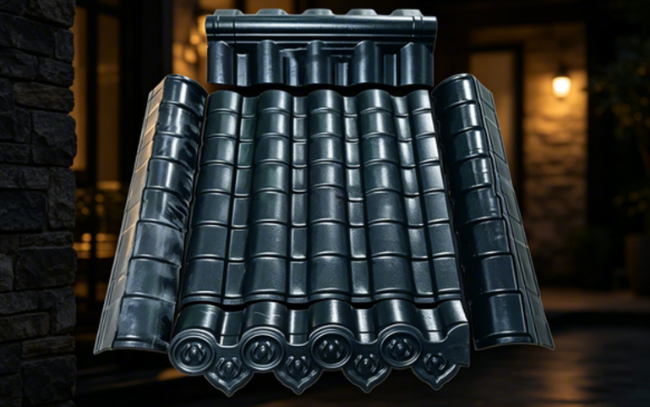
This shift is creating new opportunities for resin outdoor tiles. Often associated with practical roofing applications, these tiles are now appearing in a wider range of architectural settings. Garden structures, residential extensions, pavilions, courtyards, commercial outdoor spaces, and renovation projects can all benefit from a roofing material that combines a familiar tile appearance with a more contemporary approach to construction.
Tiles are generally used as synthetic alternatives to traditional roofing tiles. Their appearance can reflect classic roof styles, while their material offers designers more flexibility when planning an outdoor structure. Industry discussions increasingly place them within modern architectural design rather than viewing them only as a replacement roofing product.
The change is not simply about materials. It reflects a broader interest in creating outdoor buildings that look attractive, remain practical, and fit naturally into their surroundings.
Why Are Resin Outdoor Tiles Gaining Attention in Outdoor Architecture?
Architecture often develops through a balance between appearance and practical use. A roof needs to protect the building, but it also occupies a large visual area. This makes roofing material an important part of design decisions.
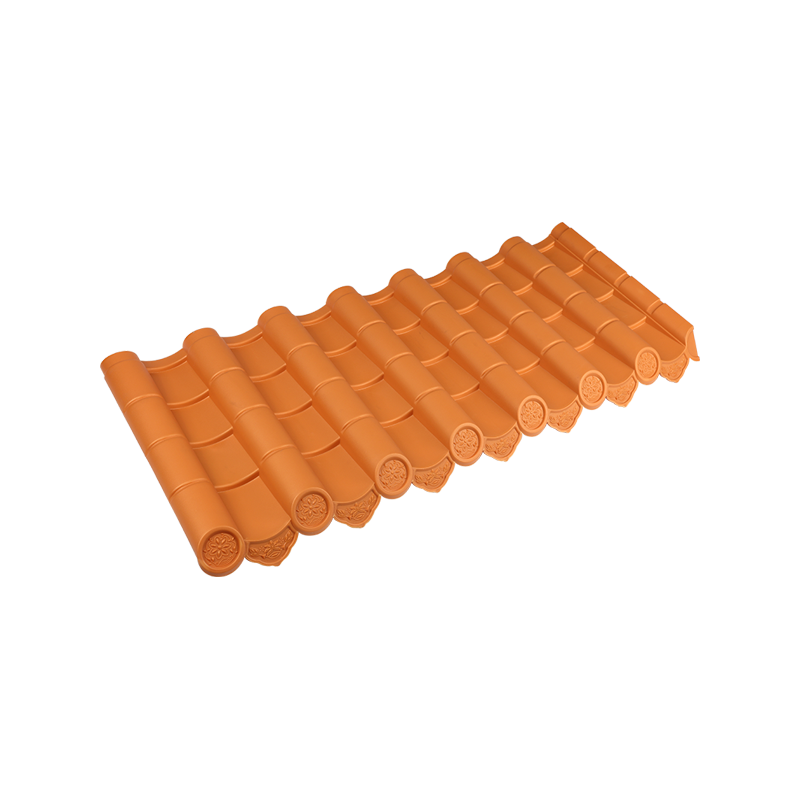
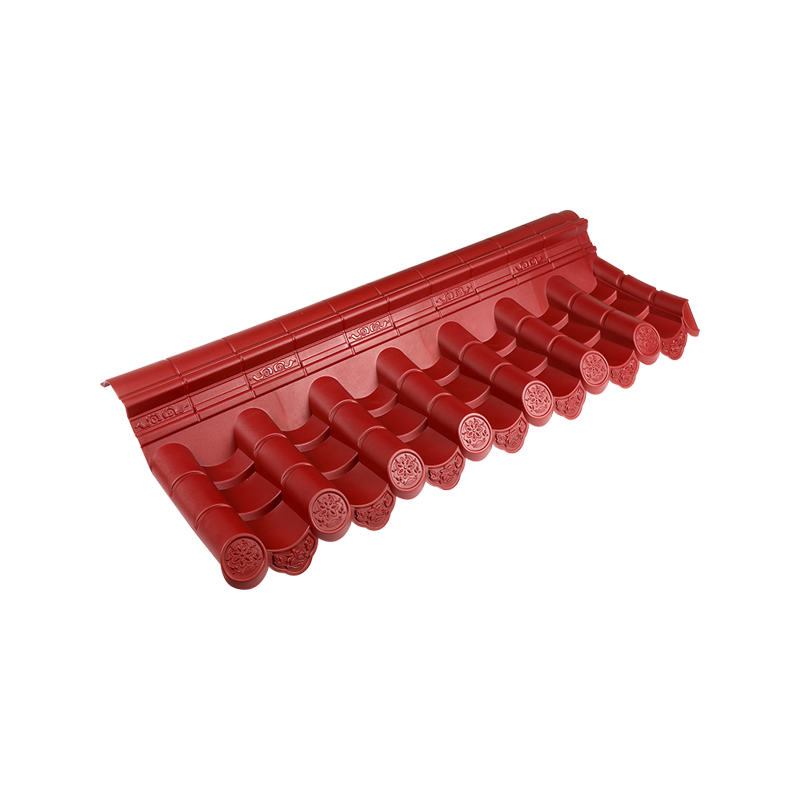
Tiles offer a different way to approach this balance. They can be produced in forms that resemble familiar roof tile styles. This allows designers to work with traditional visual ideas while using a modern synthetic material.
The appeal is especially noticeable in projects where the roof needs to feel connected to the surrounding landscape. A garden pavilion, for example, may need a softer appearance than a plain industrial roof. A courtyard building may require a roof that reflects the character of nearby architecture. Resin tiles can provide more choices for these situations.
Their growing presence also reflects changes in outdoor construction. Buildings are becoming more varied. Outdoor spaces are no longer limited to simple sheds or utility structures. People are creating covered terraces, garden rooms, leisure spaces, small commercial buildings, and decorative pavilions.
As these structures become more architectural, the roof becomes more important.
How Do Resin Outdoor Tiles Fit Into Modern Roof Design?
Modern architecture does not always mean sharp lines and completely new shapes. Many contemporary buildings combine simple structures with familiar materials and traditional forms.
Tiles can fit naturally into this approach. Their profiles can be designed around different roof styles. Some create a traditional curved appearance. Others have a simpler profile that works with contemporary buildings.
This flexibility gives designers room to adjust the visual relationship between the roof and the rest of the structure.
| Outdoor design approach | How resin outdoor tiles can fit |
|---|---|
| Traditional architecture | Can support familiar roof shapes and visual styles |
| Modern outdoor spaces | Can provide a clean and consistent roof appearance |
| Garden structures | Can help connect the roof with the surrounding landscape |
| Renovation projects | Can offer another material choice when updating an existing roof |
| Mixed-style buildings | Can combine traditional roof character with modern construction |
Color also plays an important role. A roof with a muted appearance can blend into a natural landscape. A stronger color can make a small pavilion or outdoor feature more noticeable.
The important point is that the roof does not need to compete with the building. It can support the overall design.
What Types of Outdoor Buildings Can Use Resin Outdoor Tiles?
The range of outdoor structures using resin tiles is becoming broader. They are no longer associated only with large roofing areas.
Garden pavilions are one example. These structures often depend heavily on appearance. The roof can define the character of the entire pavilion. A suitable tile profile can make the structure feel traditional, relaxed, or contemporary.
Residential outdoor spaces are another area of interest. Covered patios, extensions, storage buildings, and garden rooms may need a roof that looks more finished than a simple sheet covering.
Commercial outdoor buildings can also use different roof styles. Small shops, market areas, leisure facilities, and hospitality spaces often need a visual connection between the building and its surroundings. Roofing can help create that connection.
Tiles can also be considered for:
- Garden shelters
- Courtyard structures
- Outdoor dining areas
- Agricultural buildings
- Small workshops
- Leisure buildings
- Villa extensions
- Landscape pavilions
- Renovated outdoor structures
- Traditional-style buildings
The suitability of any roofing material still depends on the building design, local conditions, installation method, and applicable construction requirements. Resin tiles are not a universal solution for every roof. Their value comes from the range of situations in which their appearance and practical characteristics can work together.
Can Resin Outdoor Tiles Combine Traditional Appearance With Modern Architecture?
One interesting feature of outdoor tiles is their ability to bridge different design periods.
Traditional roof styles remain popular because they create a sense of familiarity. Curved profiles, layered roof shapes, and classic colors can make a building feel connected to local or historical design traditions.
Modern architecture, however, often focuses on simpler construction and cleaner visual lines. These ideas may appear very different from traditional roofing.
Resin tiles can sit between the two.
A building can use a familiar roof shape without relying entirely on traditional roofing materials. This can be useful when an architect wants the building to respect its surroundings while still using contemporary construction methods.
The approach is particularly relevant to projects that combine old and new elements. An older building may retain its recognizable appearance while selected outdoor areas are renovated. A new garden structure may borrow visual elements from nearby traditional buildings.
In these situations, roofing becomes a design link.
The result does not need to look completely traditional or completely modern. A carefully selected roof can give the structure a balanced appearance.
How Does the Choice of Resin Outdoor Tiles Affect the Look of an Outdoor Space?
A roof can change the character of an outdoor space even when the building itself remains simple.
Imagine a small garden structure with plain walls and a carefully shaped roof. The roof may become the main visual feature. Its profile creates a clear outline against the sky. Its color affects how it relates to plants, paving, walls, and nearby buildings.
This is why tile selection should not be separated from the rest of the design.
A useful approach is to consider the entire outdoor setting.
Consider the surrounding building
The roof should feel connected to nearby structures. A highly decorative roof may look out of place beside a simple modern building. A very plain roof may not suit a traditional courtyard.
Consider the landscape
Trees, plants, stone paths, timber features, and garden walls all contribute to the visual environment. The roof can either blend into these elements or create a deliberate contrast.
Consider the intended atmosphere
A leisure space may benefit from a relaxed roof appearance. A commercial structure may need a cleaner and more organized visual style. A traditional garden pavilion may require a more recognizable roof profile.
Consider the entire roof shape
Tile appearance is only one part of the design. Ridge lines, roof edges, corners, and supporting structures also affect the final result.
This broader view can prevent the roof from looking like an isolated component added after the building has already been designed.
Why Does Material Choice Matter for Outdoor Structures?
Outdoor buildings face changing conditions. Sunlight, rain, moisture, temperature changes, dust, and general exposure can all affect building materials.
This makes material selection an important part of architectural planning.
Tiles are made from synthetic materials rather than conventional clay or concrete. This difference can influence how a roof is handled during construction and how it fits into a wider building plan.
Their relatively lightweight nature can be useful for certain structures where designers want to avoid making the roof unnecessarily heavy. This may provide more freedom when planning small outdoor buildings or renovation work.
Another consideration is maintenance. Outdoor structures are often expected to remain visually presentable without requiring constant attention. A roofing material that is easy to inspect and clean can make routine care more manageable.
However, material selection should never be based on appearance alone. Buyers and designers should consider the local environment, building structure, installation requirements, expected use, and applicable regulations before making a decision.
What Should Designers Consider Before Choosing Resin Outdoor Tiles?
The growing use of outdoor tiles does not mean every project should use them. A careful selection process remains important.
Several questions can help clarify whether they fit the project.
| Design question | Why it matters |
|---|---|
| What style does the building have? | Helps determine a suitable tile appearance |
| What is the surrounding environment like? | Provides context for material selection |
| Is the roof mainly decorative or protective? | Helps define the design priorities |
| What type of structure supports the roof? | Ensures the roofing choice fits the building |
| How will the roof be installed? | Helps avoid problems during construction |
| How much maintenance is expected? | Supports long-term planning |
| Are there local building requirements? | Helps keep the project compliant |
| Does the roof match nearby buildings? | Creates a more consistent outdoor environment |
Color should also be considered carefully. Choosing a roof color simply because it looks attractive in a catalog may not produce the same effect after installation.
Natural light, surrounding materials, vegetation, and building size can all change how a color appears.
Samples can therefore be useful when making a final design decision. Viewing the material alongside the actual building colors and landscape can provide a clearer impression than looking at a product image alone.
Could Resin Outdoor Tiles Become More Important in Future Outdoor Design?
The wider use of outdoor tiles reflects a larger change in how people think about outdoor buildings.
Outdoor architecture is becoming more closely connected with lifestyle, landscaping, and visual design. A roof over a garden space is no longer simply a functional cover. It can define a seating area, create a focal point, or help a new structure blend with an existing property.
This creates demand for materials that offer design flexibility without making construction unnecessarily complicated.
Outdoor tiles are also suitable for projects that want to combine familiar architectural forms with newer building approaches. This makes them relevant to both new construction and renovation.
For designers, the appeal lies in the number of directions the material can take. A single category of roofing can support traditional, contemporary, rural, decorative, and mixed architectural styles.
For property owners, the decision may be more practical. They may want a roof that fits the appearance of their building while remaining manageable as part of an outdoor property.
For manufacturers and suppliers, this changing demand creates another opportunity to develop tile styles that respond to different architectural preferences.
The role of resin outdoor tiles is therefore moving beyond simple material substitution. They are becoming part of the conversation about how outdoor buildings should look and function.
As architects, builders, and property owners continue to explore more flexible outdoor spaces, roofing materials will have a larger role in shaping those spaces. Resin outdoor tiles provide one option for bringing recognizable roof forms into contemporary outdoor architecture while allowing designers to approach traditional appearances in a different way.


 Email:
 Phone:
 Adress: