




Architects don't only focus on a building's frame and practical use these days—every exterior surface gets far more thought than it used to. Walls, rooftops, entryways and outdoor zones all set the whole tone of a space. Visitors form their first impression of a structure from these outer features, long before they see any interior finishes.
Decorative tiles have become a go-to finish for anyone wanting a space with distinct character. Varying shades, textured finishes and custom patterns open up endless creative options for facades. Rather than sticking with flat, blank exteriors, designers lean on these tiles to craft eye-catching focal points tailored to the space's intended use.
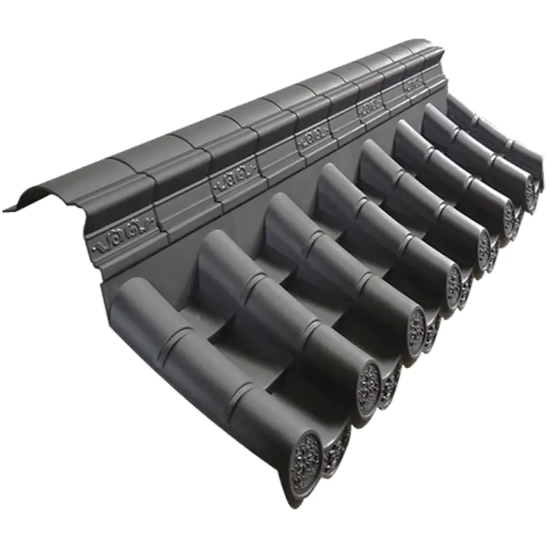
You'll spot these tiles everywhere, from private residences to public amenities. Some builders lay them out to lean into classic, old-world charm, while others use bold tile layouts to punch up contemporary styling. Their adaptability lets them fit nearly any design vision you can come up with.
This shift toward ornate, intentional exterior surfaces signals a broader industry shift. Today's builds prioritize curb appeal, how well a structure blends with its landscape, and the feeling it evokes in anyone who walks through it.
Why Are Decorative Tiles Receiving More Attention in Modern Buildings?
For a long time, building materials were mainly selected based on practical needs. Protection, structure, and basic appearance were the main concerns during the design process. As expectations for living and working spaces have changed, appearance has become a more important consideration.
Decorative tiles bring another layer to building design. They can turn ordinary surfaces into areas with more visual expression. A simple wall can gain more depth through patterns. A roof can become a noticeable feature through color selection. An outdoor space can feel more connected through carefully arranged tile surfaces.
One reason decorative tiles continue to attract interest is their ability to support different design styles. They do not belong to only one type of architecture. They can appear in traditional buildings, contemporary homes, commercial spaces, and landscape projects.
Many property owners are also looking for ways to make buildings feel less similar. Standard designs may meet basic requirements, but decorative details often create a stronger sense of identity.
Common uses of decorative tiles include:
- Creating a special appearance for exterior surfaces.
- Adding visual interest to large areas.
- Supporting a building's design theme.
- Connecting architectural spaces with surrounding environments.
- Bringing more personality to residential and commercial projects.
The role of decorative tiles has expanded from simple decoration to an important design element. They are now considered part of the overall architectural language of a building.
How Do Decorative Tiles Change the Color Expression of Buildings?
Color has always influenced architectural appearance. It can affect the atmosphere of a space and change how people experience a building from different viewpoints.
Decorative tiles provide a long-term way to introduce color into construction design. Instead of depending only on painted surfaces or temporary decorations, tile materials can become part of the building itself.
A warm color palette may create a comfortable and welcoming feeling. Natural shades can help a building blend with gardens, landscapes, and outdoor areas. More noticeable colors may give a project a stronger visual identity.
Different building types often have different color goals.
| Building Type | Color Effect of Decorative Tiles |
|---|---|
| Residential buildings | Creates a more personal and comfortable appearance |
| Commercial spaces | Builds a unique atmosphere for visitors |
| Cultural buildings | Supports artistic and traditional features |
| Outdoor structures | Improves connection with natural surroundings |
Color selection is not simply about choosing a favorite shade. It requires consideration of the entire building environment. The roof, walls, windows, landscape, and nearby structures all influence the final appearance.
A successful design usually comes from balance. Decorative tiles should feel like a natural part of the building rather than an isolated decoration.
This is why designers often study the relationship between color and space before making material decisions.
Why Does Texture Matter When Using Decorative Tiles ?
Color attracts attention, but texture creates another type of visual experience. A surface with different patterns or finishes can make a building feel more detailed and interesting.
Decorative tiles can introduce texture in many ways. Some designs create a smooth and simple appearance. Others bring a more natural feeling through visible surface changes.
Texture becomes especially valuable on large building areas. A large exterior wall without design details may appear flat. Decorative tiles can break up the surface and create a more layered appearance.
Light also affects textured surfaces. As natural light changes throughout the day, different parts of the tile surface may appear differently. This creates movement and variation without changing the building itself.
In architectural design, texture is often connected with atmosphere.
For example:
- Natural textures may create a closer relationship with outdoor environments.
- Clean surface styles may support simple modern designs.
- Decorative patterns may add artistic character to specific areas.
The combination of color and texture gives designers more freedom. A building does not need complicated shapes to become visually interesting. Sometimes, surface details can create the change.
Where Are Decorative Tiles Commonly Used in Building Projects?
Decorative tiles are used across different areas because they can adapt to many design requirements. Their application is not limited to one location or building type.
Residential projects often use decorative tiles to create a more distinctive home appearance. Roof areas, entrance spaces, exterior walls, and garden features can all become opportunities for decorative design.
In commercial projects, appearance often influences how people experience a place. Decorative tile surfaces can help create a special atmosphere in restaurants, hotels, retail spaces, and other public environments.
Outdoor areas are another important application. Decorative tiles can be used around gardens, pathways, landscape structures, and recreational spaces. They help create a smoother connection between buildings and nature.
| Application Area | Design Purpose |
|---|---|
| Homes | Adds personality and visual comfort |
| Business spaces | Creates a memorable environment |
| Public buildings | Supports design identity |
| Landscape areas | Enhances outdoor appearance |
Interior design has also created more opportunities for decorative tiles. Feature walls, entrance areas, and special decorative sections can benefit from additional texture and color.
The wide range of applications shows that decorative tiles are not limited to one design direction. They can support many different architectural ideas.
How Do Decorative Tiles Help Create Personalized Architectural Styles?
Every building tells a story tied to its owners, local culture and surrounding landscape. Private houses carry homeowners'unique tastes, public venues showcase regional traditions, and commercial builds set a distinct mood for guests.
Decorative tiles let designers bring these unique identities to life right on exterior and wall surfaces.
For heritage-style construction, intricate tile motifs keep that timeless vintage vibe intact. Minimalist modern buildings lean on bright, varied tile hues to stand out against clean, streamlined frames. Landscaped outdoor projects pick textured tile surfaces that blend naturally with nearby plants and terrain.
These tiles are endlessly adaptable, so designers can tweak the whole visual tone to match exactly what the space is meant for.
You don't need massive structural overhauls to give a building its own personality. Swapping out surface materials delivers a noticeable shift in overall look with far less work.
Well-chosen tile work makes a building instantly memorable. It also builds a warmer, more tangible bond between the space and everyone who spends time there.
More property owners now avoid generic, cookie-cutter construction designs. This simple tile-focused styling trick has grown widely popular for anyone wanting spaces that feel intentional and full of character.
What Should Be Considered When Choosing Decorative Tiles?
Selecting decorative tiles involves more than looking at colors or patterns. The material needs to work with the entire building concept.
The surrounding environment is one factor that should be considered. A building in a natural setting may require different design choices compared with an urban project.
The architectural style also affects the selection process. Decorative tiles should support the existing design instead of creating a disconnected appearance.
Several points are often considered during planning:
Color coordination
The relationship between tile colors and other building elements is important. Walls, roofs, doors, windows, and outdoor features should create a balanced visual effect.
Design purpose
Different projects have different goals. Some may focus on creating warmth and comfort. Others may need stronger visual expression.
Surface style
Texture and patterns should match the atmosphere of the space. A suitable surface design can improve the overall appearance.
Long-term suitability
Decorative choices should remain appropriate as the building continues to be used. A balanced design can maintain its appeal over time.
The selection process is about creating harmony between decoration and architecture. When different elements work together, decorative tiles can become a natural part of the building.
How Are Decorative Tiles Influencing Future Architectural Design?
The construction industry continues to explore new ways to combine practical needs with visual creativity. Buildings are no longer viewed only as physical structures. Their appearance and the experience they create are also becoming important parts of design discussions.
Decorative tiles reflect this change. They give architects and designers more opportunities to work with surfaces and create buildings with stronger character.
The interest in decorative materials also shows a growing demand for individuality. Many projects are moving away from simple, identical appearances and looking for designs that feel more connected to specific places and users.
Color, texture, and pattern can all influence the personality of a building. Decorative tiles bring these elements together in one material choice.
As architectural preferences continue to develop, decorative tiles will remain an important option for projects that want to create more expressive and visually engaging spaces. Their ability to transform surfaces makes them a valuable part of modern building design.


 Email:
 Phone:
 Adress: