



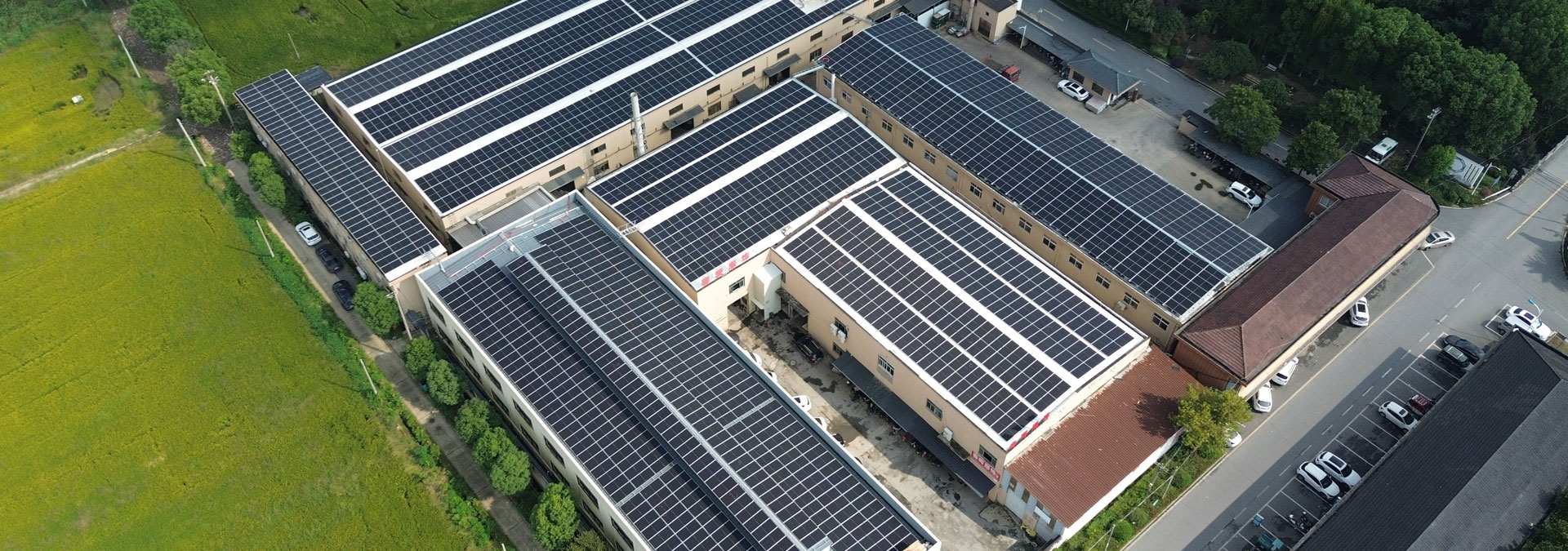
The roof's honestly one of the most important parts of any residential building, when you think about it. It's what keeps the interior space shielded from outdoor conditions, sure, but it also shapes a huge part of how a house actually looks from the outside. And as building materials keep developing over time, homeowners and builders end up with more choices than they used to when it comes to picking a roofing solution.
Synthetic resin roof tiles have picked up a fair bit of attention in residential construction lately, mostly because of how practical their features are and how flexible they end up being across different applications. They're showing up in all sorts of houses, renovation projects, smaller buildings too — basically anywhere people are trying to strike a balance between how something looks and how it actually performs day to day.
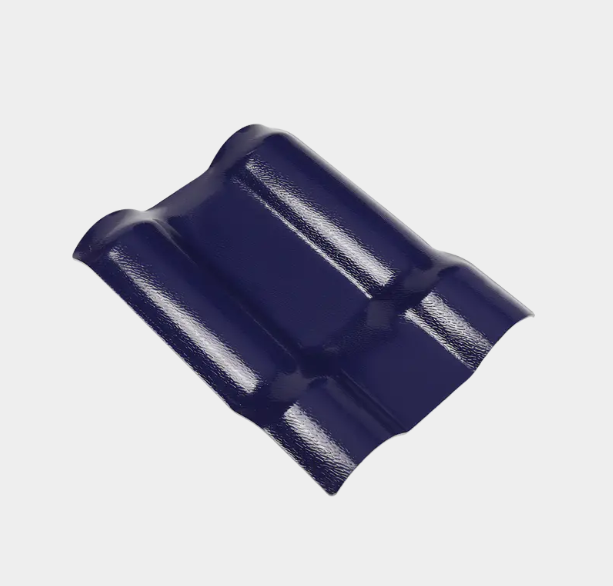
Even so, a lot of people still end up asking the same thing: are resin roof tiles actually a good fit for residential buildings, or is that more hype than substance?
There's no one-size-fits-all answer here — it really comes down to the building style, the local environment, whatever installation needs come up, and honestly, what the homeowner's expecting out of it in the first place. Getting a sense of how these roof tiles actually perform in residential settings can go a long way toward helping people make a more informed call.
What Makes Synthetic Resin Roof Tile Different From Traditional Roofing Materials?
Residential roofs have traditionally used various materials depending on local construction habits and climate conditions. Each material has its own characteristics, and the choice often depends on practical needs.
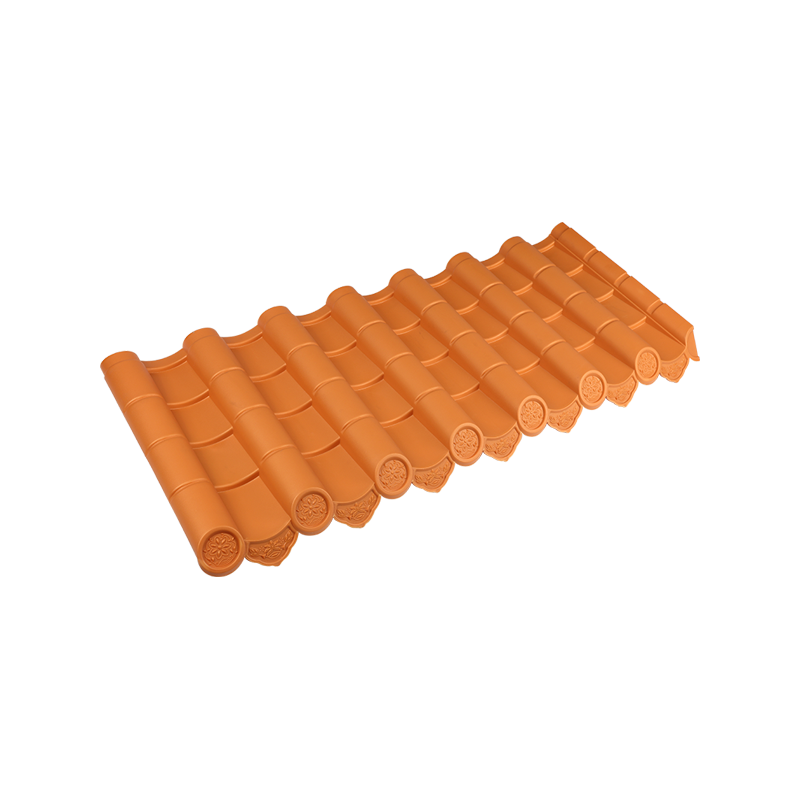
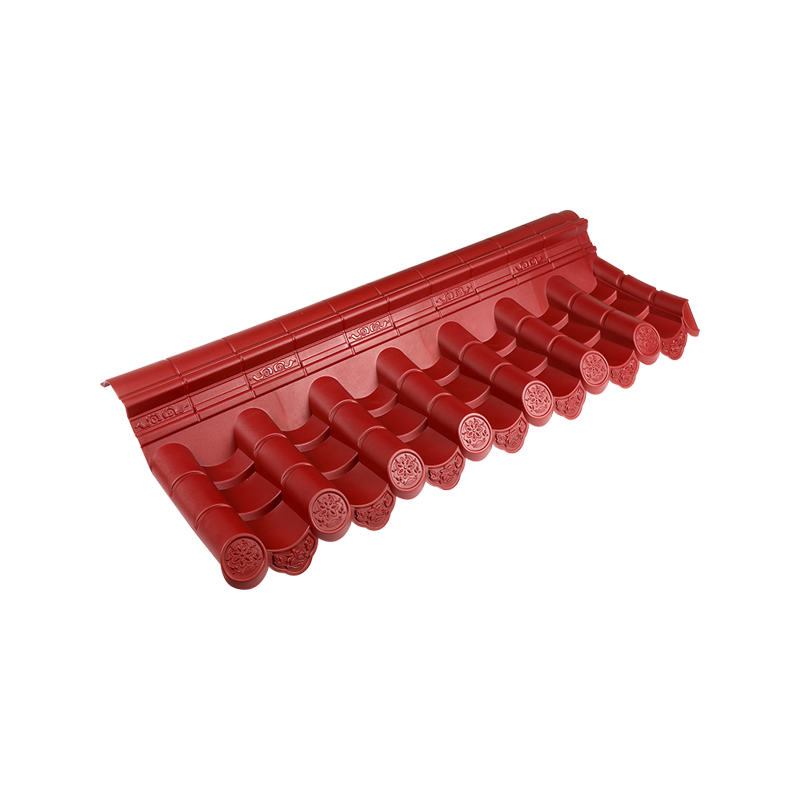
Synthetic resin roof tiles are made from resin-based materials and designed for outdoor roofing applications. They are created to provide a covering layer that helps protect buildings from common environmental influences.
Compared with some traditional roofing options, resin roof tiles have a different approach to residential design.
They are often recognized for:
| Feature | Residential Benefit |
|---|---|
| Lightweight structure | Easier handling during installation |
| Various appearance options | Suitable for different house designs |
| Outdoor adaptability | Helps support changing weather conditions |
| Simple maintenance needs | Convenient for long-term home use |
The popularity of these tiles comes from their ability to match modern housing requirements. Many homeowners are looking for roofing materials that are practical while still fitting the visual style of a property.
Why Are Synthetic Resin Roof Tiles Considered for Residential Buildings?
Residential buildings have unique requirements. A home roof does not only need to provide protection. It also needs to match the building design and support comfortable living conditions.
Resin roof tiles are considered for residential projects because they can meet several common needs.
Supporting Different House Styles
Modern homes come in many designs. Some focus on traditional appearances, while others prefer cleaner and simpler styles.
Resin roof tiles can be used with different architectural ideas. Their appearance allows homeowners to select a roof style that fits the overall building.
Providing Outdoor Protection
A residential roof faces changing outdoor conditions every day. Rain, sunlight, wind, and seasonal changes can affect roofing materials.
Resin roof tiles are designed for outdoor use and help create a protective layer between the living space and the external environment.
Offering Flexible Installation Options
Home projects are not always the same. A new house, renovation project, or small extension may have different roofing requirements.
The flexibility of resin roof tiles makes them suitable for various residential applications.
Can Synthetic Resin Roof Tiles Handle Different Weather Conditions?
Weather is one of the main factors homeowners consider when choosing roofing materials.
A roof needs to remain useful through different outdoor situations. Rainy days, strong sunlight, wind, and temperature changes can all influence roof performance.
China resin roof tile are commonly used in outdoor environments because they are designed to work under changing conditions.
Different weather situations may create different concerns:
| Weather Condition | Possible Roofing Challenge |
|---|---|
| Rain | Keeping interior spaces protected from moisture |
| Sunlight | Managing continuous outdoor exposure |
| Wind | Maintaining stable roof coverage |
| Temperature changes | Adapting to seasonal conditions |
The performance of any roofing material depends on many factors, including installation quality and building design.
A suitable roof tile should match the environment where it will be used.
Are Synthetic Resin Roof Tiles Suitable for Different Residential Applications?
Residential buildings are not limited to one type of structure. Houses, villas, garden buildings, and renovation projects may all have different roofing needs.
Resin roof tiles can be considered for various residential uses.
Common applications include:
| Residential Application | Roofing Purpose |
|---|---|
| New houses | Creating a complete roof covering |
| Home renovations | Updating existing roof appearance |
| Garden buildings | Protecting outdoor structures |
| Small residential projects | Providing practical roofing solutions |
For homeowners, appearance is often an important factor. The roof occupies a large visual area of a building, so material selection can influence the overall impression of the property.
Resin roof tiles offer design flexibility, allowing them to fit different residential styles.
How Do Synthetic Resin Roof Tiles Affect Home Appearance?
A roof is not only a protective structure. It is also part of the building's visual design.
Many homeowners want a roof that looks natural while matching the style of their property.
Resin roof tiles can support different design choices. They may be used in residential buildings that require a traditional roof appearance or a more modern visual effect.
The choice of roof material can influence:
- The overall building style
- The relationship between roof and exterior walls
- The visual balance of the property
- The impression of outdoor spaces
A suitable roofing material should work together with the entire building design rather than appearing separate from it.
This is one reason why resin roof tiles have become a consideration in residential construction.
What Should Homeowners Consider Before Choosing Synthetic Resin Roof Tiles?
Choosing a roofing material requires more than looking at appearance. A roof is a long-term part of a building, so several factors should be considered.
Building Environment
The local environment affects roofing decisions. Homes located in areas with frequent rain, strong sunlight, or changing weather may have different needs.
House Design
The roof should match the architectural style of the home. Material selection should support the overall appearance.
Maintenance Expectations
Different materials require different levels of care. Homeowners should consider how much time they want to spend on roof maintenance.
Installation Planning
A good installation process influences how well a roof performs. Proper planning helps avoid unnecessary problems later.
Considering these factors allows homeowners to choose roofing materials based on real requirements.
Can Synthetic Resin Roof Tiles Support Long-Term Residential Use?
A lot of homeowners end up thinking about long-term value first when they're picking out building materials, and that makes sense, honestly.
A residential roof's supposed to stay useful for years and years, all while still doing its job of protecting whatever's inside.
Resin roof tiles are built with outdoor use in mind from the start, and they can hold up for long-term residential use — as long as they're picked out properly and installed the right way, that is.
A handful of habits tend to help keep roofing performance where it should be:
- Checking on the roof's condition every so often, not just when something looks off
- Clearing off dirt that's built up, whenever it actually needs it
- Keeping an eye on how the surrounding environment's shifting over time
- Sticking to maintenance practices that actually suit the situation
The roof ends up affected by a lot more than just the material itself, at the end of the day. Building structure, how it was installed, local conditions — all of that plays into how well it actually holds up.
Why Are More Residential Projects Considering Synthetic Resin Roof Tiles?
Residential construction is changing. Homeowners are paying more attention to both practical performance and visual design.
Roofing materials now need to support multiple expectations. They should protect the home, match the building style, and fit different project requirements.
Resin roof tiles have gained attention because they provide a flexible option for residential applications.
They can be used in various housing projects and offer an approach that combines appearance with outdoor functionality.
As residential design continues to develop, roofing choices are becoming more diverse. Materials that can adapt to different needs are receiving more interest from homeowners and builders.


 Email:
 Phone:
 Adress: