



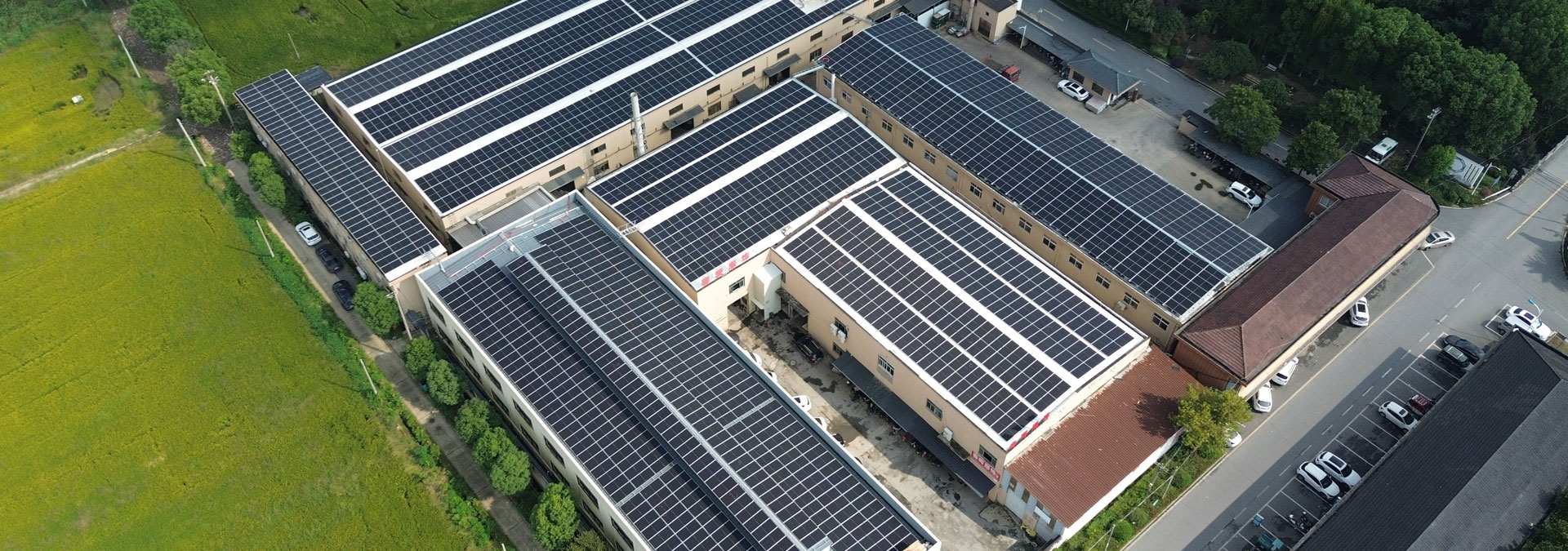
In many building sites across China, resin roof tiles are no longer seen as a new option. They are becoming part of everyday roofing work. What draws attention is not only the material itself, but how it is installed. The difference between a stable roof and one that needs constant adjustment often comes down to small decisions made during installation.
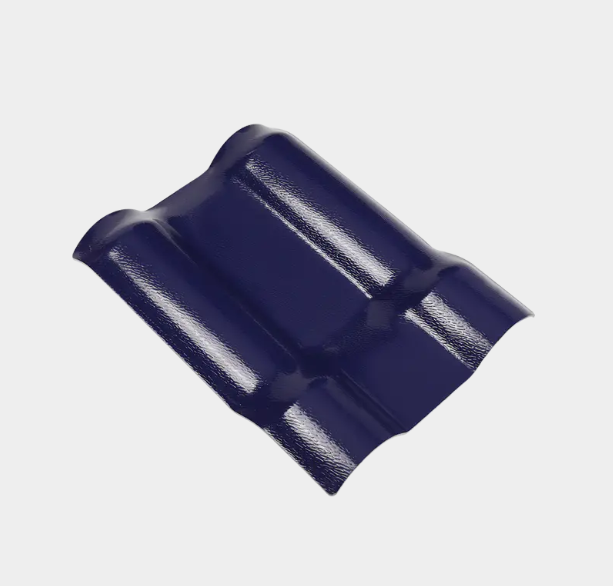
People working on roofs tend to notice this quickly. Two projects may use the same tiles, yet the results feel completely different after some time. One stays neat and stable. The other starts to show uneven lines or minor movement. The reason is rarely dramatic. It usually links back to how the tiles were handled and placed.
Why does installation matter more than expected?
At a glance, china resin roof tile look easy to manage. They are shaped in a consistent way. They are lighter to carry compared to some traditional options. This can create the impression that installation is straightforward.
In reality, the process asks for attention. The tiles respond to pressure in subtle ways. If placed too quickly, small misalignments appear. These may not be obvious at the beginning. Over time, they begin to affect both appearance and stability.
Roofers often mention a simple point: the roof remembers how it was installed. Once a pattern is set, it is difficult to correct without reworking large sections.
What happens before the tiles are even placed?
Before the first tile is laid down, the base structure already shapes the outcome. If the surface below is uneven, the tiles will follow that unevenness. There is no easy way to hide it later.
On-site, preparation is rarely dramatic work. It involves checking lines, adjusting small height differences, and making sure support areas feel consistent underfoot. These tasks may seem repetitive, but they create the conditions for smoother installation later.
Another detail often overlooked is how the roof will guide water. Even a slight change in slope direction can influence how water moves. Installers who take time to observe this early tend to face fewer issues later.
How do roofers keep alignment steady during work?
Alignment is not something that gets checked only at the end. It is part of the process from the beginning. Many roofers prefer to step back every few rows and look at the surface from a distance. This simple habit helps catch small shifts early.
Working in sections also helps. Instead of covering a large area in one go, the roof is divided into manageable parts. Each part is completed with attention before moving on. This reduces the chance of errors spreading across the surface.
There is also a rhythm to the work. Tiles are placed in a steady pattern, not rushed. When the rhythm breaks, mistakes tend to follow.
How is water flow quietly controlled?
Water does not need complex systems to move across a roof. It follows the path created by the tiles. If that path is smooth, water moves without resistance. If the path is uneven, small problems begin to appear.
Roofers often adjust overlaps by feel rather than strict measurement. They look at how one tile sits over another. A slight change in angle can improve how water passes through.
Edges and joints require extra care. These areas interrupt the flow more easily. A careful adjustment here can make a visible difference after rain.
Below is a simple way to understand how material features connect with installation:
| Material Aspect | Practical Effect During Installation |
|---|---|
| Surface finish | Influences how easily tiles slide into position |
| Edge shape | Affects how tightly tiles meet each other |
| Weight feel | Helps control placement without sudden shifts |
| Flex response | Allows small adjustments during alignment |
Why is fixing not just about holding tiles in place?
It may seem that fixing is only about keeping tiles from moving. In practice, it is more about balance. Tiles need to stay in position, but they should not be forced into a rigid state.
Buildings change slightly over time. Heat, moisture, and daily conditions all play a part. If tiles are fixed too tightly, they cannot respond to these small changes. This may lead to stress in certain areas.
Roofers often develop a sense of how much pressure is enough. It is not something that comes from instruction alone. It builds through experience and observation.
What challenges appear once work begins?
Even with preparation, unexpected situations are common. A section of the roof may not match the original plan exactly. Some tiles may feel slightly different during handling. Space may become limited near edges or corners.
In these moments, flexibility matters. Instead of forcing a perfect pattern, roofers make small adjustments. They shift alignment slightly or adapt the placement sequence.
These decisions are usually made quickly. They rely on understanding how the overall pattern will look once completed.
How is maintenance considered during installation?
A roof is not finished when installation ends. It continues to change with use. Dust, leaves, and other debris settle over time. Some areas are easier to clean than others.
Installers who think ahead often leave subtle access paths. These are not always visible, but they make future maintenance easier. Certain tiles can be removed without disturbing large sections. This reduces effort when small repairs are needed.
Drainage paths are also kept clear. When water flows freely, it carries away small debris. This reduces buildup and keeps the surface cleaner.
What makes a roof look consistent over time?
Consistency is not only about straight lines. It is about how the surface feels as a whole. When tiles sit evenly, the roof appears calm and balanced.
Small variations can disrupt this feeling. A slight difference in spacing or overlap becomes noticeable when repeated across a large area.
Roofers often rely on simple checks. They look along the lines of tiles. They adjust spacing by small amounts. These actions may seem minor, but they shape the final appearance.
How do daily habits influence long term results?
The difference between a stable roof and one that needs attention later often comes down to routine habits.
Some of these habits are simple:
- Taking a moment to check alignment before moving forward
- Keeping the working area clear of loose materials
- Handling each tile with care instead of rushing
- Observing how tiles settle after placement
These actions do not slow the work significantly. Instead, they prevent larger issues that would take more time to fix.
How is the role of the tile roofer changing?
The work of a tile roofer now involves more than placing materials. It includes reading the surface, adjusting to conditions, and maintaining a steady workflow.
Each roof presents a slightly different situation. Even with similar materials, no two projects feel exactly the same. This keeps the work grounded in observation rather than routine.
PVC Resin Tile highlight this shift. They respond to how they are handled. They reflect the care taken during installation. Over time, these small details shape how the roof performs and how it is perceived.


 Email:
 Phone:
 Adress: