



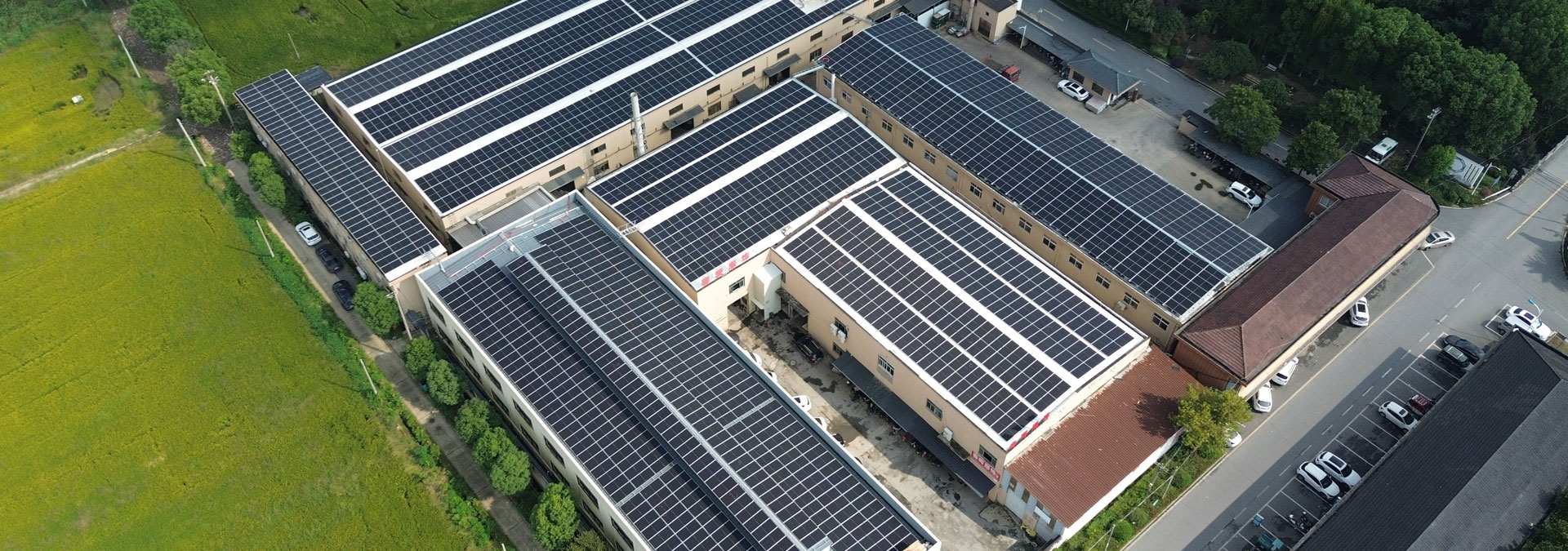
The role of a tile roofer has shifted in quiet but meaningful ways. A roof is no longer treated as a simple protective layer. It shapes how a building performs, how it looks, and how it responds to daily use. Tile roofing, in particular, reflects this shift. It sits at the intersection of tradition and changing design needs.
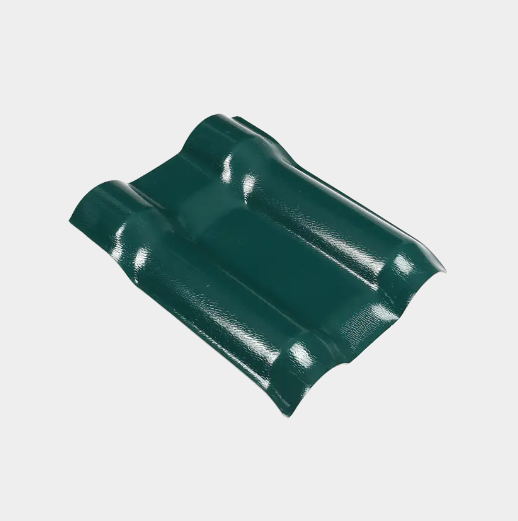
Across residential and light commercial settings, roofers are adjusting their approach. They are not only placing materials. They are interpreting structure, climate, and visual expectations. This has led to a set of practical ideas that support durability while allowing a more modern expression.
We are explores how those ideas are taking form, and how they influence decisions on-site.
What Defines a Durable Tile Roof Today?
People no longer judge how long a tile roof holds up based on just one single standard. Service lifespan is just one piece of the full picture. Real long-lasting performance also covers how well the whole roof stands up to constant outdoor exposure, tiny structural shifts that happen year-round, and how simple regular upkeep stays over decades.
Those who install tile roofs have started viewing durability as something built from multiple connected parts, not one standalone feature. Every component stacked together carries its own job, and the tile you see from the ground is merely one segment of the full roofing system.
When crews plan a reliable tile roof, they keep several real-world practical points top of mind:
Uniform tile layout
Tiles need to be set in an arrangement that spreads out weight across the whole surface evenly. Tiny misaligned spaces or uneven rows will slowly build concentrated pressure spots as time passes, wearing sections down faster than the rest of the roof.
Room for natural building movement
All structures shift slightly with temperature swings—expanding in hot weather and shrinking when temperatures drop. If a roof setup leaves zero space for this subtle shifting, cracks will start to form, and individual tiles can slip loose after repeated seasonal changes.
Even load-bearing underlayment
The supporting layer fixed right under the tiles has to hold distributed weight without forcing tight pressure on any single spot. A well-balanced base layer cuts down persistent strain that shortens the roof's usable life.
Thorough finishing for seams and borders
Ridge lines, wall joints, corner edges all take the brunt of wind, rain and sunlight far more than flat central roof areas. Extra careful handling on these vulnerable spots lifts the roof's overall resilience by a noticeable margin.
Solid roof durability never relies on fixing just one isolated detail. Every small layout, fitting and structural choice works together. Stack all these thoughtful adjustments properly, and the full roof gains steady, long-term stability.
How Are Design Preferences Changing in Tile Roofing?
Modern design does not reject traditional tile roofing. It reshapes it. The focus has moved toward cleaner lines and more controlled visual rhythm.
Roofers are now working with design expectations that value subtlety. The goal is not to make the roof stand out sharply. It is to let it support the building's overall appearance.
Key changes can be seen in:
Simplified patterns
Repetition is used more carefully. Strong visual contrasts are reduced.
Lower visual weight
Roofs are designed to feel lighter. This does not change their structure, but it changes how they are perceived.
Integration with surroundings
Roof color and layout often reflect nearby elements, such as walls or outdoor spaces.
Clean edge finishing
Edges are treated with precision to avoid a cluttered look.
These shifts influence how roofers plan their work. The installation process must match both functional and visual goals.
Why Does Material Selection Still Matter So Much?
Even without focusing on technical details, material choice remains central. It affects how the roof behaves under daily conditions and how it ages over time.
Tile roofers consider practical qualities when selecting materials:
| Material Aspect | Practical Impact on Roofing Work |
|---|---|
| Surface texture | Influences how water moves across the roof |
| Weight consistency | Affects balance and ease of placement |
| Shape uniformity | Supports clean alignment and stable coverage |
| Color stability | Helps maintain appearance over long periods |
The choice is rarely about one feature. It is about how these features work together. A tile that looks suitable but behaves inconsistently can create challenges during installation.
Material selection also influences maintenance. Some surfaces are easier to clean. Others hold debris more easily. These factors shape long-term use.
How Do Tile Roofers Handle Weather Exposure?
No tile roof can escape ongoing weather exposure. Rain, wind and fluctuating temperatures constantly wear on roof surfaces, and there's no way to shut these natural elements out entirely. For professional tile roofers, the core of their work is not about resisting weather, but adapting installation methods to offset long-term weather damage.
Veteran roofers don't rely on fixed construction templates. They use practical, site-tuned tricks to help tile roofs stand steady against changing outdoor conditions.
Natural water flow guidance
Every tile is laid with runoff in mind. The whole layout is planned to let rainwater slide off smoothly and without obstruction. Slight misalignment during installation can create tiny flat spots. These small issues gradually lead to water pooling, which wears tiles unevenly and breeds hidden moisture problems over time.
Smart overlapping installation
Overlapping tile layers build a natural protective barrier for the roof. Experienced workers know how to strike a perfect balance. They keep tile overlaps tight enough to block wind and rain from seeping in, while avoiding overly stiff installation. This leaves tiny flexible space for the roof to shift naturally with temperature changes and structural movement.
Targeted placement for windy areas
Roof edges, ridges and open exposed spots always bear the brunt of strong winds. Roofers will fine-tune tile alignment and strengthen fixing points in these high-risk zones. This targeted adjustment stops tiles from lifting or loosening during gusty weather, effectively preventing long-term wind-related damage.
On-site drainage optimization
Good roof drainage is more than just slope design. Workers adjust the layout of different roof sections on-site, making sure no area can trap standing water. Eliminating water stagnation greatly slows down material aging and extends the roof's service life.
All these techniques come from years of on-site observation and experience. Even with standard construction guidelines in place, skilled roofers will always tweak their methods to fit local climate features. Regional wind habits, annual rainfall and local weather patterns all shape their final installation choices, making each roof better suited for its actual living environment.
What Role Does Installation Technique Play?
Technique has become a defining factor in modern tile roofing. Even with suitable materials, poor installation can reduce performance.
Tile roofers focus on method as much as materials. The process includes:
Measured spacing
Tiles are not placed randomly. Spacing must follow a consistent rhythm.
Stable fastening approach
Each tile needs to sit firmly without being forced into position.
Alignment checks during progress
Adjustments are made continuously, not only at the end.
Careful handling during placement
Rough handling can damage tiles before they are even in use.
Technique also affects efficiency. A well-organized approach reduces rework and supports a smoother workflow.
How Can Maintenance Be Built Into the Design?
Maintenance is often treated as a separate phase. In modern roofing, it is considered from the start.
Tile roofers now think about how the roof will be accessed and cleaned later. This leads to design choices that support easier upkeep.
Practical ideas include:
Clear access paths
Certain areas are left easier to reach without disturbing the structure.
Debris management
Layouts are designed to prevent buildup in corners or low points.
Replaceable sections
Tiles can be removed and replaced without affecting large areas.
Visible inspection points
Key areas are easy to check during routine inspection.
These features do not change the appearance significantly. They quietly improve how the roof performs over time.
What Are Common Challenges in Modern Tile Roofing?
Even with improved practices, challenges remain. Roofers often encounter situations that require adjustment on-site.
Some common issues include:
Uneven base surfaces
Slight irregularities can affect tile placement.
Design changes during construction
Adjustments may be needed to match updated plans.
Balancing appearance and function
A visually appealing layout may require structural adjustments.
Time pressure during installation
Speed can affect attention to detail if not managed carefully.
Handling these challenges requires flexibility. Experienced roofers rely on observation and small corrections rather than large changes.
How Do Tile Roofers Balance Tradition and Modern Needs?
Tile roofing carries a long history. At the same time, buildings are evolving. Roofers are working between these two forces.
The balance is not about replacing traditional methods. It is about adapting them.
Examples of this balance include:
- Maintaining familiar tile shapes while adjusting layout
- Using traditional patterns in a simplified form
- Combining known installation methods with updated sequencing
- Respecting visual heritage while aligning with modern structures
This approach allows continuity without limiting design. It also supports a wider range of building styles.
What Practical Ideas Help Improve Everyday Roofing Work?
Small adjustments often have a strong impact. Tile roofers continue to refine their daily work through practical ideas.
Some of these ideas include:
Organizing materials before installation begins
This reduces movement and helps maintain focus.
Working in consistent sections
Breaking the roof into zones improves control.
Checking alignment frequently
Early corrections prevent larger issues later.
Keeping tools and materials within reach
This supports a smoother workflow.
Adapting pace to the complexity of each area
Not all sections require the same speed.
These ideas may seem simple. Yet they shape the quality of the final result.
How Is the Role of the Tile Roofer Continuing to Evolve?
The tile roofer is no longer seen only as a tradesperson who installs materials. The role now includes interpretation, adjustment, and coordination.
Roofers are expected to:
- Understand design intent
- Respond to site conditions
- Maintain consistency across large surfaces
- Balance efficiency with attention to detail
This expanded role reflects broader changes in construction. Each part of a building is more connected than before.
Tile roofing, in this context, becomes a visible example of how practical thinking and design awareness can work together.


 Email:
 Phone:
 Adress: