



Why are outdoor roofs becoming part of design rather than just shelter?
Outdoor structures are changing. Patios, pergolas, garden shelters, and semi-open spaces are no longer simple add-ons. They are used more often, for longer periods, and in more varied ways. Because of this, the roof above these spaces is gaining attention.
A roof does more than block sun or rain. It shapes how light enters the space. It influences how open or enclosed the area feels. It even affects how people move and gather beneath it.
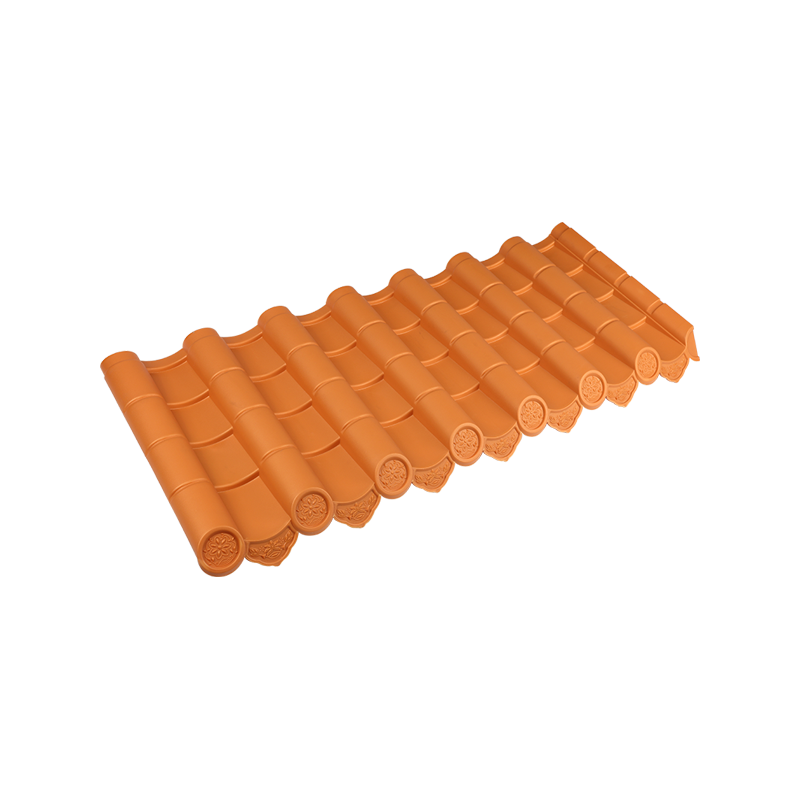
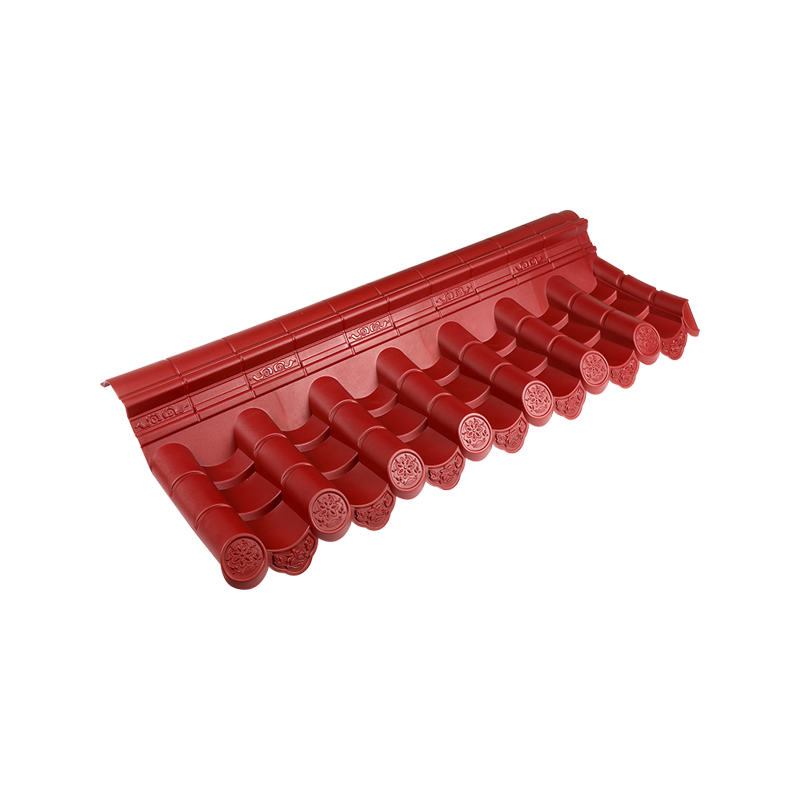
Resin outdoor roofing tiles fit into this shift. They provide coverage, yet they also contribute to the visual character of the structure. Instead of feeling heavy or closed, the roof can feel lighter and more connected to the surroundings.
How do resin outdoor tiles improve comfort in outdoor spaces?
Comfort in outdoor areas is closely tied to protection and atmosphere. A well-designed roof helps manage both.
Resin roofing tiles create a layer that softens direct exposure. Sunlight becomes less harsh. Rain is guided away in a controlled way. This allows the space below to remain usable in changing conditions.
There is also a sense of calm. A roof that feels balanced overhead can make the space feel more settled. It creates a gentle boundary without turning the area into a closed room.
Another aspect is sound. When rain falls, the surface above can influence how that sound is experienced. A controlled and steady sound can add to the atmosphere rather than disrupt it.
Comfort, in this case, is not about one feature. It is about how several small effects come together.
Can resin roofing tiles enhance the visual style of outdoor areas?
Pulling together a cohesive outdoor space means matching up every element gently. Roofing, wall finishes and ground surfaces should complement each other, rather than clash and draw focus separately.
Resin roof tiles make this easy to pull off. Their surfaces come with faint textures or understated patterns, so the roof adds visual detail without overpowering the whole scene.
Color matching makes a big difference too. Shades that blend naturally with plants and yard surroundings let the structure blend right in. The roof won't stick out awkwardly against patios or gardens, and matches the overall outdoor aesthetic seamlessly.
Picking the right resin tile also shapes the vibe of the space underneath. It creates a base style that guides your choices for outdoor seating, lights and all other decor pieces.
How do these tiles adapt to different outdoor structures?
Outdoor roofing needs vary. A small garden cover is different from a larger patio structure. A walkway roof has different demands compared to a leisure area.
Resin roofing tiles adapt to these differences by offering a flexible visual and structural approach.
| Outdoor Structure | Common Challenge | Roofing Tile Contribution |
|---|---|---|
| Garden shelter | Need for light coverage | Maintains open, airy feel |
| Patio roofing | Mixed daily use | Supports comfort and style |
| Walkway cover | Continuous exposure | Creates steady overhead layer |
| Courtyard structure | Visual integration | Blends with surrounding design |
This adaptability allows the same material to be used across different areas without creating visual conflict.
What role does texture play in roofing design?
Texture usually registers in our sight without us really stopping to think about it. It changes how sunlight hits the roof surface and the overall look you get when standing underneath.
Resin roof tiles have mild, consistent surface details. This keeps the roof from looking plain and flat, yet avoids bold, busy contrasts that pull too much focus.
Well-matched texture brings visual depth. It looks distinct no matter which angle you view it from. Natural daylight picks up its faint marks throughout the day, while outdoor lamps cast gentle soft reflections after dark.
Texture also adjusts how big a roof feels. It softens bulky large roofing so it doesn't overpower the yard, and gives smaller sheds or patios more character without looking heavy and cramped.
How does color influence the atmosphere under the roof?
Color directly impacts how comfortable people feel under a covered outdoor area. It alters brightness levels, sets a quiet mood, and ties the roof in with surrounding greenery and hardscaping.
Most homeowners pick resin roof tile shades that fit natural outdoor settings. Muted neutral hues build a relaxed, laid-back space. Slightly darker shades deliver a cozy sheltered feel without making the area look enclosed and tight.
Light-colored tile bounces more daylight down into the space below, opening up the whole area visually. Darker options deliver deeper shade and a grounded, intimate vibe.
The core goal is balance. The roof should complement the whole outdoor layout instead of stealing all the attention. Color acts as a subtle way to shape the overall mood of the space.
Can resin roofing tiles support flexible outdoor living?
Outdoor spaces are used in many ways. A covered patio may serve as a dining area, a resting place, or a social space. These uses can change throughout the day.
A flexible roof supports this variety. Resin roofing tiles provide a consistent overhead surface that does not limit how the space is arranged.
Furniture can be moved. Lighting can be adjusted. Decorative elements can change with seasons. The roof remains a stable part of the structure.
This stability allows the space to evolve. It supports different activities without requiring major changes to the overall design.
How do resin roofing tiles interact with surrounding elements?
A roof does not exist alone. It connects visually with walls, columns, plants, and open sky.
Resin roofing tiles often act as a linking surface. They help bring these elements together. A calm roof design allows greenery to stand out. It also supports the structure beneath without drawing too much attention.
Light filtering through or around the roof adds another layer of interaction. Shadows shift during the day. This creates a dynamic yet gentle visual effect.
The relationship between the roof and its surroundings helps define the overall experience of the space.
What makes resin roofing tiles suitable for long-term outdoor use?
Materials placed outside deal with nonstop exposure to the elements. Sun, rain and everyday wear slowly wear down surfaces and fade their look as years pass.
Resin roof tiles are built to hold up in these outdoor conditions well. Their construction handles regular weather shifts and keeps their original look intact for a long time.
Stable performance matters a lot here. If a roof fades or wears out fast, it ruins the whole outdoor aesthetic you've put together. Slow, minimal aging keeps the space's original style consistent.
These tiles don't stay completely unchanged forever. Any fading or wear happens slowly and evenly, so the covered area keeps its planned atmosphere without sudden, unsightly deterioration.
How does roof design influence spatial perception?
The roof shapes how a space is understood. It defines boundaries without fully enclosing them.
Resin roofing tiles help create a sense of structure. They mark the space clearly while still allowing openness. This balance is important in outdoor environments.
A well-designed roof can make a small area feel more organized. It can also make a larger space feel more connected.
The pattern and arrangement of the tiles guide the eye. This influences how the space is experienced, even without noticeable changes in size.
The result is an outdoor area that feels both defined and open, supporting comfort and visual harmony in everyday use.

 Email:
 Phone:
 Adress: