



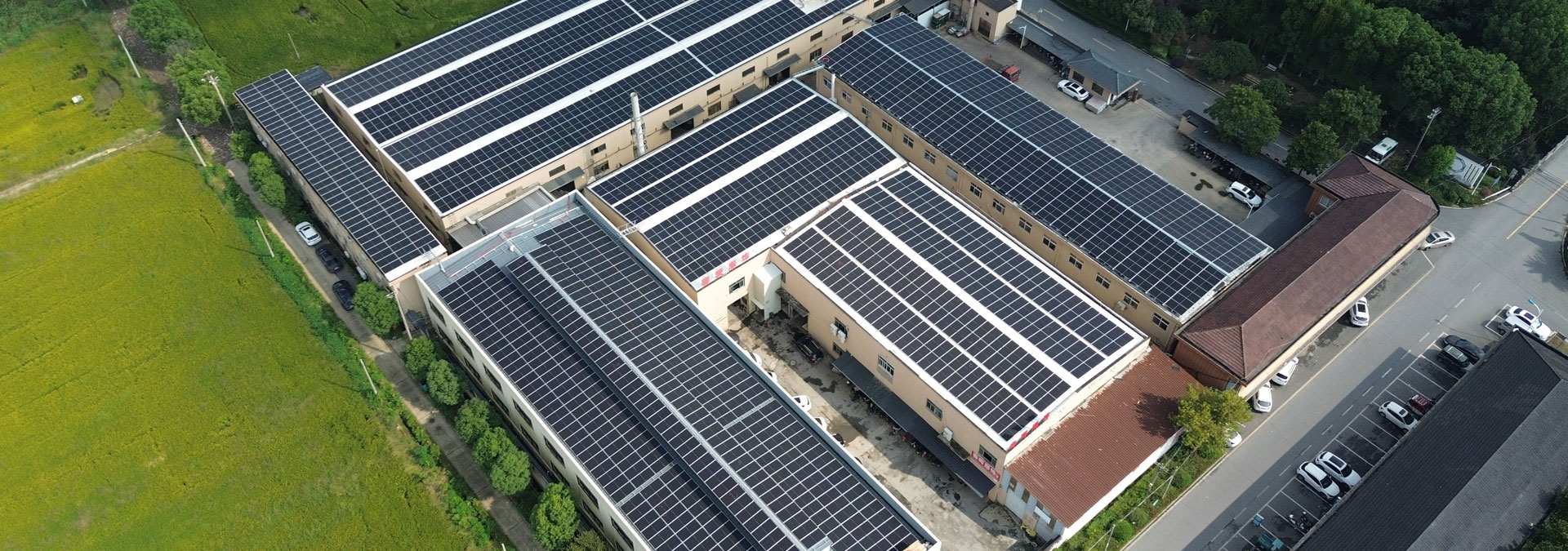
Why are roofs no longer just a protective layer?
Walk through any residential area or mixed-use neighborhood and one detail becomes easy to notice. Roofs are changing. They are no longer treated as something that simply sits above a building. They are part of how a structure communicates its style.
This shift did not happen suddenly. It grew from small changes in how people view living and working spaces. A building is expected to feel complete from every angle. The roof, being one of the largest visible surfaces, plays a quiet but important role.
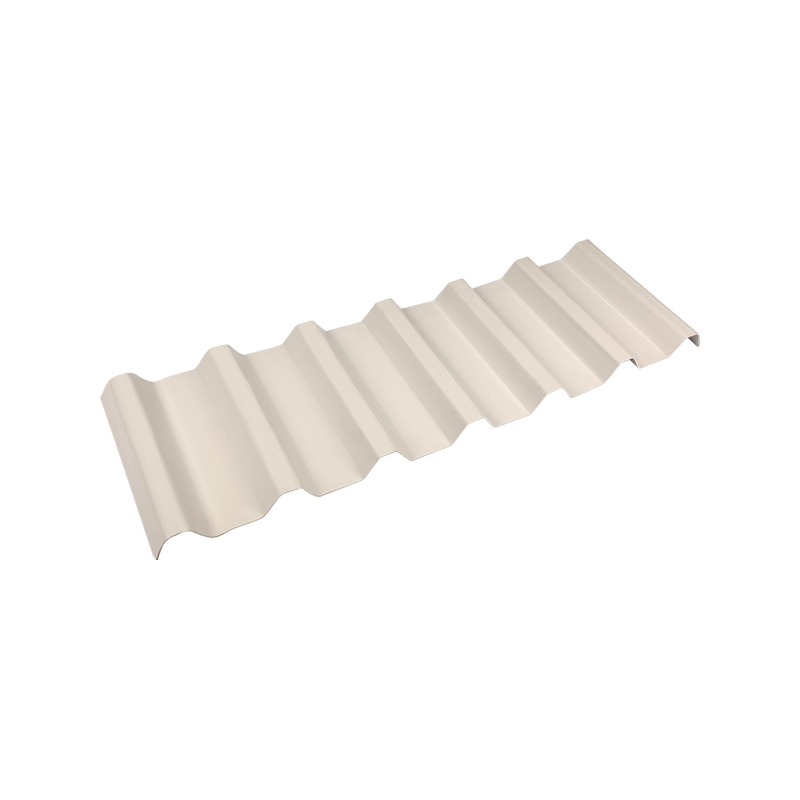
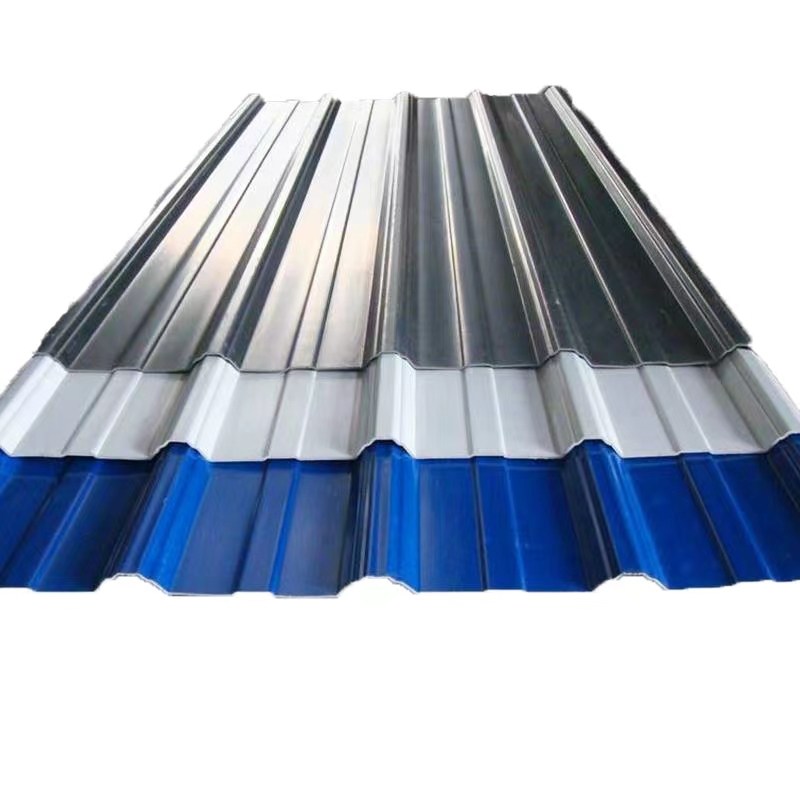
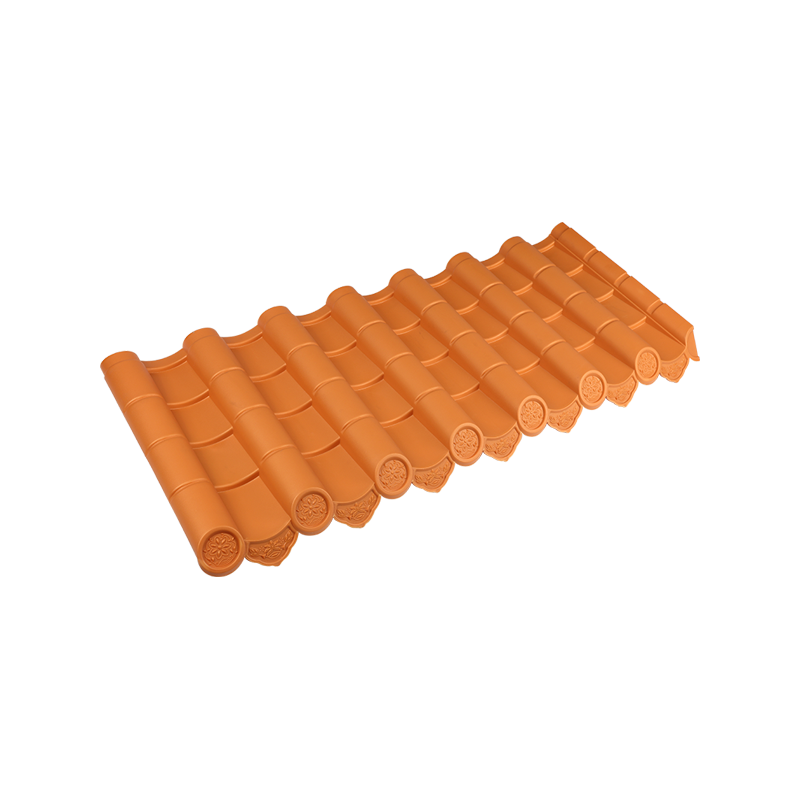
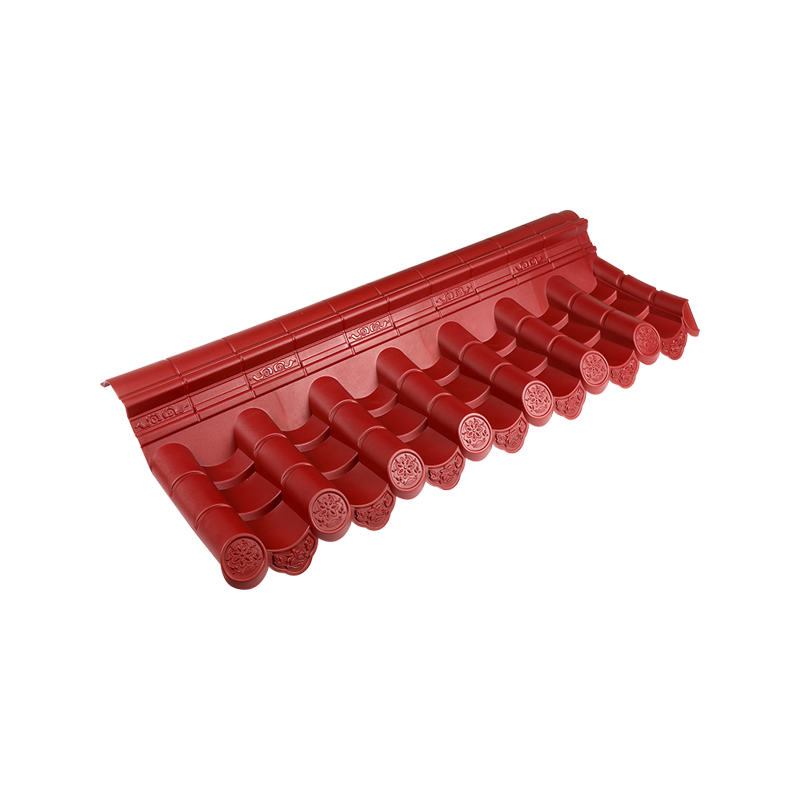
Decorative metal roofing tiles fit into this change naturally. They offer protection, yet they also carry a visual rhythm. Instead of hiding in the background, the roof becomes a soft extension of the design below it.
This approach does not aim to make the roof stand out in a dramatic way. It focuses on balance. The goal is to let the roof contribute without overwhelming the structure.
How do decorative metal tiles combine function with visual appeal?
At a basic level, roofing must handle daily exposure to outdoor conditions. Rain, sunlight, and changing temperatures all interact with the surface. Decorative roofing tiles continue to meet these needs, but they do so with a more considered surface design.
The shape of each tile helps guide water away. The arrangement creates a continuous layer that supports the structure beneath. These are practical roles, yet they are closely tied to how the roof looks.
The pattern formed by the tiles creates a steady visual flow. This flow can soften the overall appearance of a building. It can also add quiet detail without creating visual clutter.
A simple breakdown helps show this balance:
| Element | Practical Purpose | Visual Effect |
|---|---|---|
| Tile arrangement | Supports water movement | Forms repeating patterns |
| Surface finish | Handles daily exposure | Adds tone and subtle depth |
| Structural layout | Keeps tiles stable | Creates a unified surface |
| Edge detailing | Protects transitions | Defines clean outlines |
Each part serves two roles at once. Function and design move together rather than in separate directions.
What makes these tiles suitable for different building styles?
Not every building follows the same design language. Some lean toward simple lines. Others carry more layered forms. A roofing material needs to adapt without forcing a single style.
Decorative metal roofing tiles offer this flexibility. Their appearance can shift based on how they are arranged and how their surface is treated.
In a minimal setting, the tiles may appear smooth and calm. In a more detailed structure, they can add a sense of rhythm. The same material can support different visual directions without major changes.
This flexibility is useful in areas where buildings sit close to each other. A roof should not disrupt the overall look of the street. At the same time, it should not disappear completely. Decorative metal tiles help find that middle ground.
How does surface color influence the overall space?
Color plays a quiet but powerful role in design. It shapes how light interacts with a surface and how a structure feels from a distance.
Decorative roofing tiles often use tones that do not feel too heavy. Lighter shades can reflect natural light. This can make the building appear more open. Darker shades can add a sense of depth without closing off the space if used with care.
The key is balance. A roof that feels too strong in color may dominate the structure. One that feels too light may lose definition. A steady, moderate tone allows the roof to support the building rather than compete with it.
Color also connects the roof to its surroundings. It can echo nearby elements such as walls, ground surfaces, or natural features. This connection helps the building feel more settled in its environment.
Can decorative metal tiles help shape how a building is perceived?
Perception is not only about size or structure. It is also about how surfaces guide the eye. A well-designed roof can influence how large or compact a building appears.
Decorative metal roofing tiles contribute to this effect through pattern and spacing. A consistent pattern can make a roof feel organized. It can also create a sense of continuity across the surface.
When patterns are too dense, the roof may feel heavy. When they are too wide, the surface may appear empty. A balanced pattern helps maintain visual comfort.
This influence is subtle. People may not notice it directly. Yet it shapes how the building is experienced over time.
How do these tiles respond to changing space needs?
Buildings are now used in more flexible ways. A single structure may support living, working, and social activities. Materials need to adapt to this shift.
Decorative metal roofing tiles support this flexibility by offering a neutral yet structured appearance. They do not lock a building into one style. This allows interior and exterior elements to change over time without creating conflict.
For example, a building may be updated with new wall finishes or outdoor features. A well-balanced roof can remain in place without feeling out of sync. This reduces the need for frequent changes.
The adaptability of the tiles can be seen across different scenarios:
| Space Type | Common Challenge | Tile Contribution |
|---|---|---|
| Residential homes | Need for visual comfort | Creates calm roof surface |
| Shared spaces | Mixed usage patterns | Maintains neutral appearance |
| Renovation areas | Blending old and new | Supports gradual updates |
| Compact buildings | Limited visual space | Avoids heavy roof presence |
This adaptability supports long-term use without forcing a fixed design direction.
What role does texture play in the final look?
Texture is often less obvious than color, yet it has a strong effect on how a surface feels. Decorative roofing tiles use texture in a controlled way.
A smooth surface reflects light more evenly. This creates a clean and quiet look. A slightly varied surface introduces depth. It prevents the roof from appearing flat.
The goal is not to create strong contrast. Instead, it is to add a layer of interest that remains subtle. This approach keeps the roof visually active without becoming distracting.
Texture also interacts with changing light conditions. Morning light, afternoon light, and artificial lighting all reveal different aspects of the surface. This gives the roof a gentle variation throughout the day.
How does installation influence both function and design?
Even a well-designed material depends on how it is installed. Placement affects both performance and appearance.
Tiles need to follow a consistent pattern. Alignment should remain steady across the surface. Small irregularities can break the visual flow and affect how the roof is perceived.
Edges and transitions also require attention. These areas connect the roof to other parts of the building. A clean transition supports both protection and design.
Installation is not only a technical process. It is also a visual one. The final result depends on how carefully each part is placed and connected.
Why are balanced materials becoming more important in construction?
Construction is moving toward a more integrated approach. Materials are expected to serve more than one purpose. They need to support structure, appearance, and long-term use at the same time.
Decorative metal roofing tiles reflect this direction. They do not separate function from design. Instead, they bring both aspects into a single surface.
This approach supports a more thoughtful way of building. Each material plays a role in shaping how a space works and how it feels.
The growing interest in such materials suggests a broader change. Buildings are no longer seen as static objects. They are living environments that respond to daily use and visual experience.
Decorative metal roofing tiles fit into this evolving view. They offer a steady presence that supports both practical needs and design goals, allowing roofs to become a quiet but meaningful part of the built environment.


 Email:
 Phone:
 Adress: