



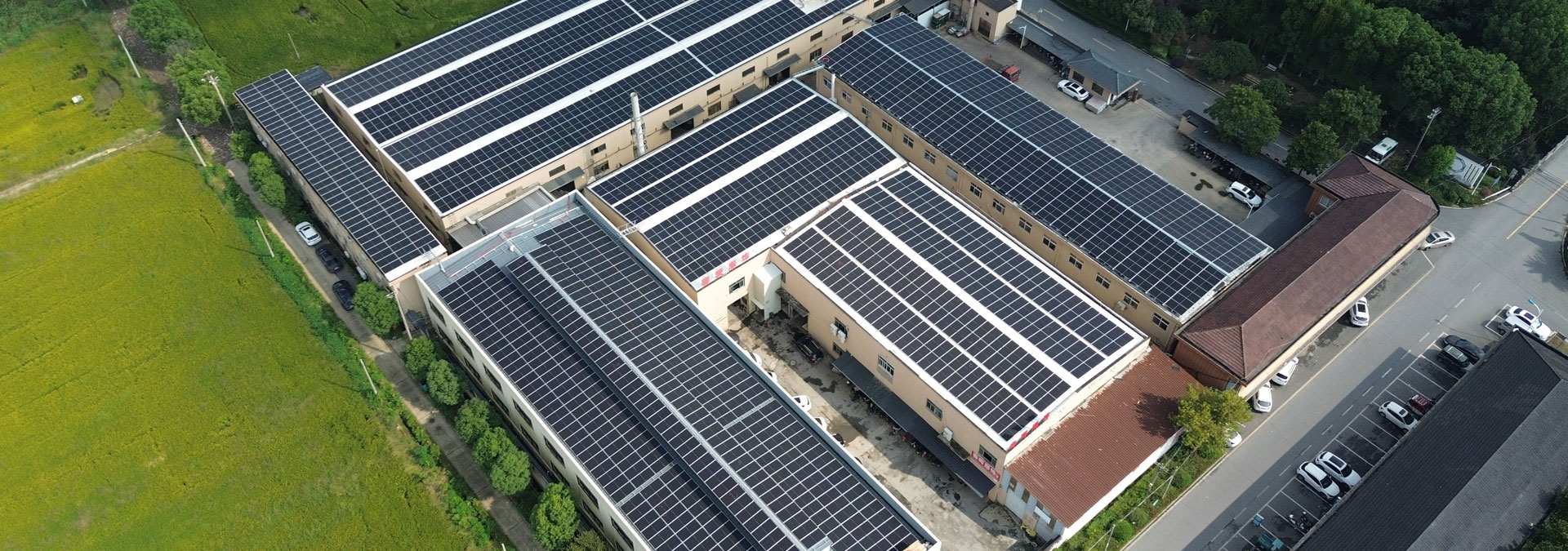
Roof tiles in Chinese architecture are often noticed first from a distance. The curved lines, layered shapes, and repeated patterns form a roof silhouette that feels familiar across different regions. These tiles are not just protective coverings. They are part of how buildings express structure, rhythm, and cultural memory.
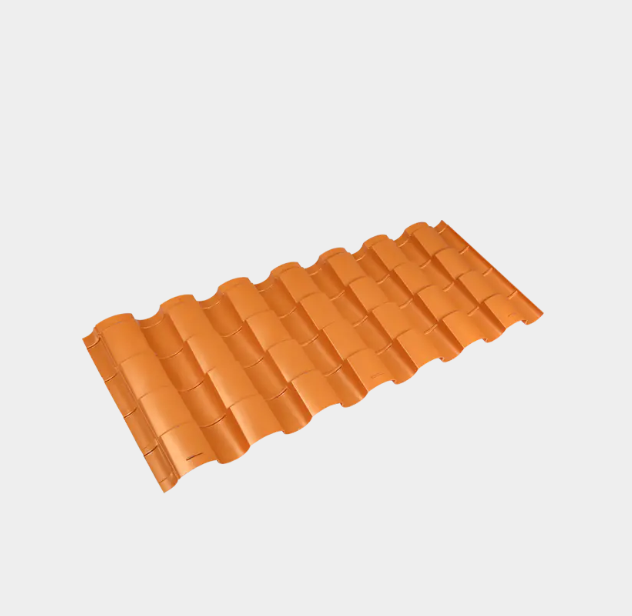
Over time, their role has changed. From early handmade roofing systems to modern architectural applications, roof tiles have moved through different construction stages without disappearing. Instead, they have adapted quietly into new environments, sometimes visible, sometimes hidden inside modern design language.
How did Chinese roof tiles begin in early building environments?
In early building practice, roofing was a direct response to environment. Rain, sunlight, wind, and seasonal change shaped how structures were built. Roof surfaces became one of the most important protective layers.
Flat surfaces were not always practical in long-term outdoor exposure. Water needed a path to move. Heat needed space to disperse. These conditions encouraged the development of curved and overlapping tile structures.
Early roof tiles were shaped with simple tools and local materials. Their forms were not decorative at the beginning. They were functional solutions. The curved shape helped guide water downward. The overlapping arrangement helped reduce leakage and surface wear.
Even in this early stage, there was already a sense of rhythm in construction. Roof tiles were placed in repeated patterns, forming a surface that felt both practical and structured.
Why did roof tiles become part of architectural identity?
As building methods became more stable, roof tiles began to carry meaning beyond function. Different building types started to develop different roof appearances.
Residential houses often used simpler roof arrangements. Public or important buildings tended to use more structured and visually prominent roof forms. Over time, people began to recognize building types from roof shapes alone.
This made roof tiles part of architectural identity. The roof was not just the top layer of a structure. It became the most visible part of a building from a distance.
The curved lines, extended edges, and layered tile arrangement created a recognizable silhouette. This visual identity remained consistent across many regions, even when other architectural details varied.
How did materials and forming methods develop over time?
Early roof tiles were all handcrafted from scratch. As construction needs grew, simple hand shaping slowly turned into more regular, structured production workflows. Clay stayed the main raw material for centuries — it was easy to find and flexible enough to mold into tile forms.
Craftsmen paid close attention to matching curves and even thickness across every tile. Even tiny differences in shape would mess up rainwater flow on the roof and weaken waterproof performance.
When more buildings started going up, tile making grew more standardized. These new methods didn't erase old craft traditions. Instead, they kept tile shapes consistent, so they could be used on bigger building projects.
No matter how production shifted over the years, the core purpose never changed. Tiles still need to overlap one another, channel rainwater off the roof, and guard the building's inner frame from the elements.
What role did roof tiles play in traditional building culture?
Roof tiles shaped how people experienced old living spaces. Traditional buildings never stood alone; they fit right into connected homes, lanes, and whole village layouts.
The roof was always the most noticeable feature of these structures. Its shape worked for practical weather protection while also carrying visual character.
Overlapping tile rows cast shifting shadows as the sun moves across the sky. Light and weather alter the roof's look hour by hour, giving stationary buildings a quiet sense of motion.
Roof styles also carried social and cultural signals. Certain tile and roof designs belonged to specific building types, creating clear visual order across towns and countryside while reflecting the values of the era.
How did roof tiles transition into modern construction thinking?
In modern building environments, roofing systems have become more diverse. New materials and construction methods introduced different approaches to roof design.
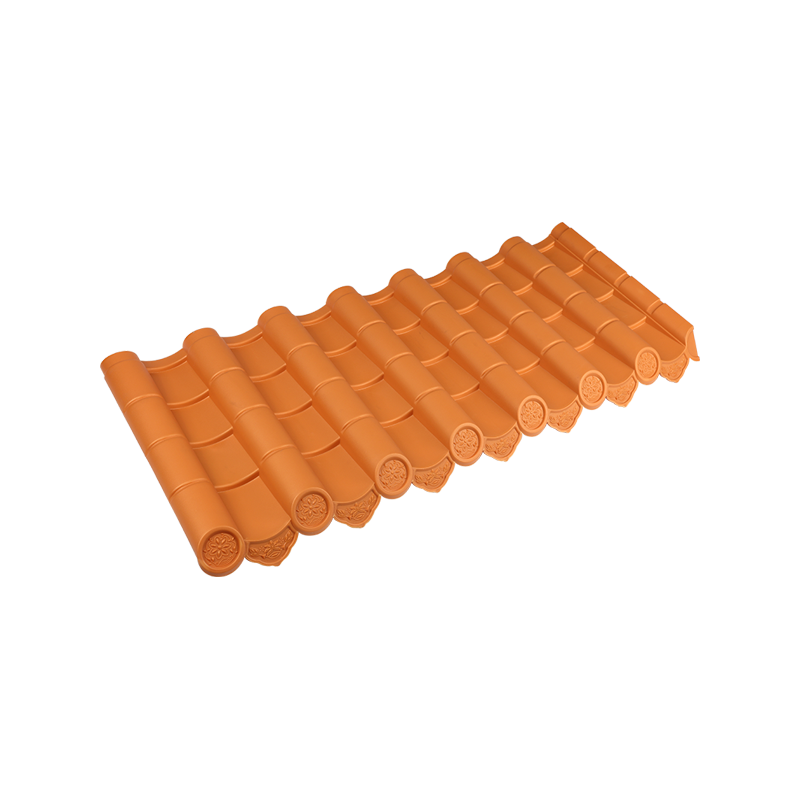
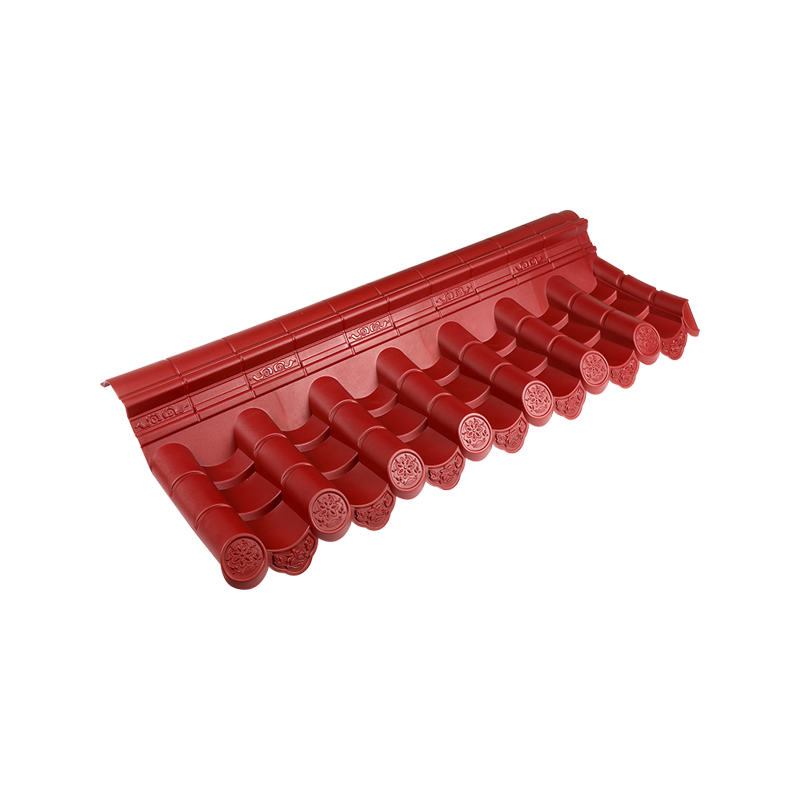
Even with these changes, roof tiles did not disappear. Instead, they shifted into new roles. Some buildings continued using traditional tile forms for cultural or visual reasons. Others adopted tile-inspired shapes using updated materials.
In modern architecture, roof tiles appear in three main ways:
- Restoration of historical structures
- Decorative roofing design in residential projects
- Architectural reference in modern material systems
This shows a shift in function. Roof tiles are no longer only structural components. They also serve as visual references in design thinking.
Why do traditional roof tile forms still appear in modern buildings?
One reason is visual continuity. In many regions, roof tile silhouettes are strongly associated with familiar architectural landscapes. Removing them completely would change how environments feel.
Another reason is design balance. Modern buildings often use simplified forms. Adding roof tile influence can introduce visual depth without changing structural logic.
There is also cultural continuity. Roof tiles carry historical memory. Even when used in simplified or partial form, they help maintain a link to older architectural styles.
Because of this, roof tile elements often appear in combination with modern materials rather than as standalone systems.
How are roof tiles adapted in contemporary design projects?
Designers rarely copy old tile building methods word-for-word in new builds. Instead, they take classic tile shapes and surface traits and rework them to fit modern tastes.
Some builds only borrow the overall roof silhouette, skipping the full layered tile setup. Others use tile-style prints purely as surface decoration, instead of covering the whole roof with actual tiles.
This approach lets designers draw inspiration from historic styles without being stuck with the drawbacks of old construction techniques.
Sometimes designers strip tile layering down into simple geometric shapes. The core stacked visual stays, but they have far more freedom in how they put the design together.
These creative tweaks make it easy to blend classic architectural vibes with the practical demands of modern construction.
What challenges appear when combining traditional and modern roofing ideas?
Combining old and new design logic is not always straightforward. One challenge is structural difference. Traditional roof systems were designed for specific building frameworks, which differ from modern construction systems.
Another challenge is visual proportion. When traditional roof shapes are applied to modern buildings, scaling differences can affect overall balance.
There is also material behavior to consider. Modern materials may not respond to environmental conditions in the same way as traditional clay-based systems.
These differences require careful planning rather than direct copying of old forms.
How does roof tile history influence modern architectural thinking?
Even when roof tiles are not directly used, their influence remains in design logic. The idea of layered protection, surface flow, and directional water movement continues to shape roof system thinking.
Architectural design today still relies on concepts similar to overlapping protection surfaces. The logic behind roof tiles has become part of broader construction understanding.
Visual rhythm is another influence. Repeated patterns and structured layering appear in many modern roof and façade designs.
This shows that Chinese roof tiles History is not only material history. It is also design logic that continues to evolve.
Why are roof tiles still relevant in today's building environment?
Roof tiles remain relevant because they connect function and visual identity. Even with new materials available, the basic idea behind roof tiles still works well in many environments.
They provide a clear visual language for roofs. At the same time, they represent a long-term approach to surface protection.
In modern construction, where both appearance and function matter, roof tile concepts still offer useful direction.
Their continued presence in architecture is less about tradition alone and more about practical design continuity.
FAQ
Are Chinese roof tiles still used in modern buildings?
Yes, they are used in restoration projects, design applications, and modern architectural interpretations.
What materials were used in traditional roof tiles?
Clay was the most commonly used material due to its availability and shaping ability.
Why are roof tiles important in architecture history?
They combine functional roofing protection with visual and cultural identity in building design.
Do modern buildings still use traditional roof tile shapes?
Yes, often in simplified or adapted forms rather than full traditional systems.
What is the main role of roof tiles today?
They serve both functional roofing purposes and architectural design inspiration in modern construction.


 Email:
 Phone:
 Adress: