



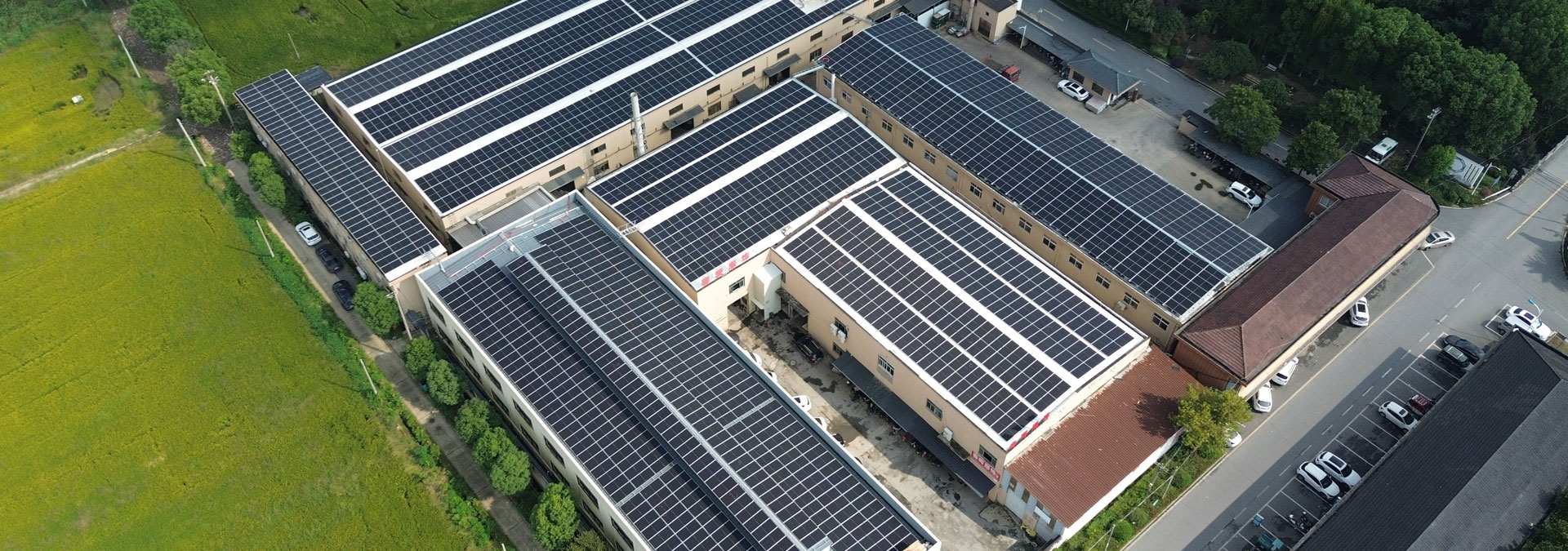
Modern building projects rely heavily on materials that can handle long-term exposure, changing environments, and different construction styles. Roofing materials play a central role in this system. They are not only a surface layer but also part of how a building manages protection, temperature balance, and structural stability.
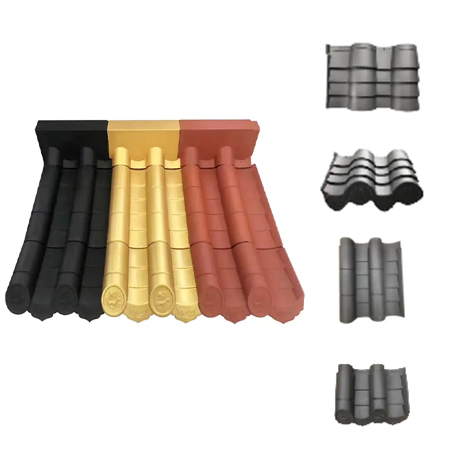
China roofing materials have become widely discussed in global construction circles. The attention is not only about sourcing, but also about how these materials are used in different types of building projects. Understanding them requires looking beyond appearance and focusing on function, selection logic, and application behavior.
What are China roofing materials in modern construction use?
There are many kinds of roof materials manufactured domestically in China, suited for homes, business premises and factory buildings alike.
These products take on several key jobs at the same time. They shield buildings from harsh weather and keep indoor spaces comfortable, plus they shape the overall look of a building in most construction projects.
This category isn't limited to one single product. It includes different surface sheets, composite panels and waterproof outer layers. Builders pick each material according to the actual demands of each project instead of sticking to one uniform option.
Why are China roofing materials widely used in building projects?
The growing use of roofing materials is linked to practical construction needs. Builders often look for materials that can adapt to different project scales and design requirements.
One reason is availability. A wide production system allows many options in shape, structure, and surface treatment. This makes it easier for projects to find suitable matches.
Another reason is adaptability. Roofing needs can vary depending on climate, building height, and usage purpose. Materials from China's supply chain often cover a broad range of these conditions.
Cost structure also plays a role, but it is usually combined with availability and selection flexibility rather than being the only factor.
How do roofing materials influence building performance?
Roofing is one of the most exposed parts of a building. It faces direct sunlight, rain, wind, and temperature changes. Because of this, material choice directly affects building behavior over time.
A stable roofing layer helps maintain indoor comfort by reducing external impact. It also supports structural protection by limiting surface wear.
Different materials react differently to environmental changes. Some focus on heat resistance. Others emphasize water control or surface durability.
In modern projects, roofing is no longer treated as a separate component. It is part of overall building performance planning.
What types of China roofing materials are commonly used?
Roofing materials include several categories used across different construction environments. Each type serves a specific role depending on project design.
Common categories include:
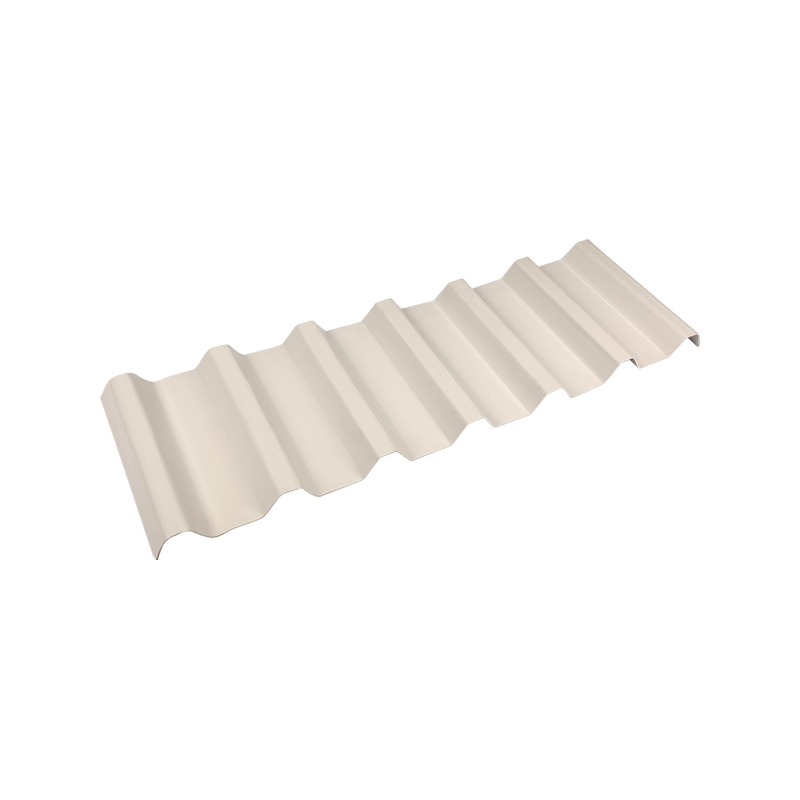
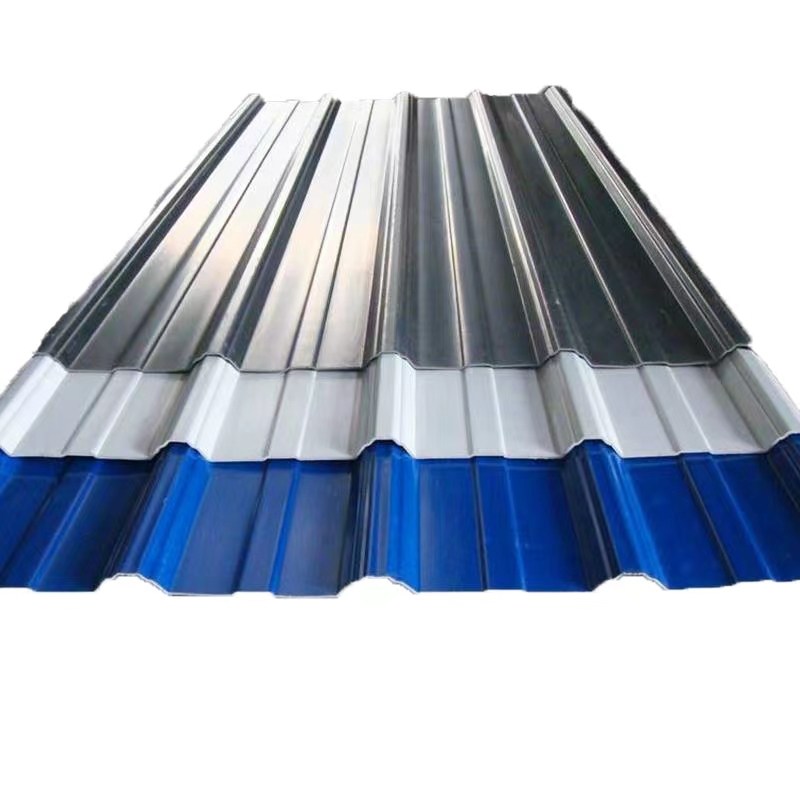
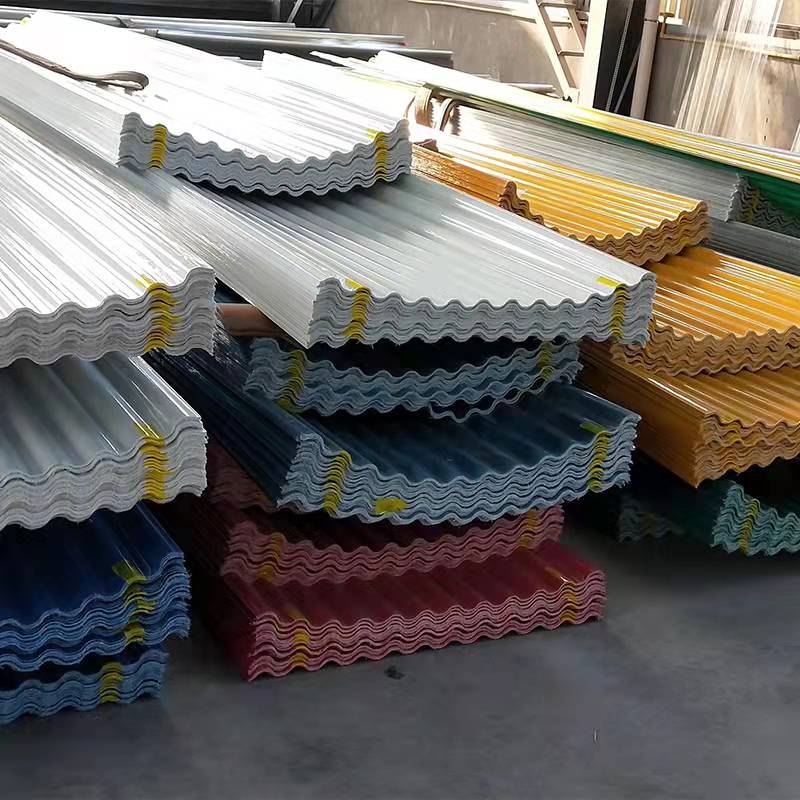
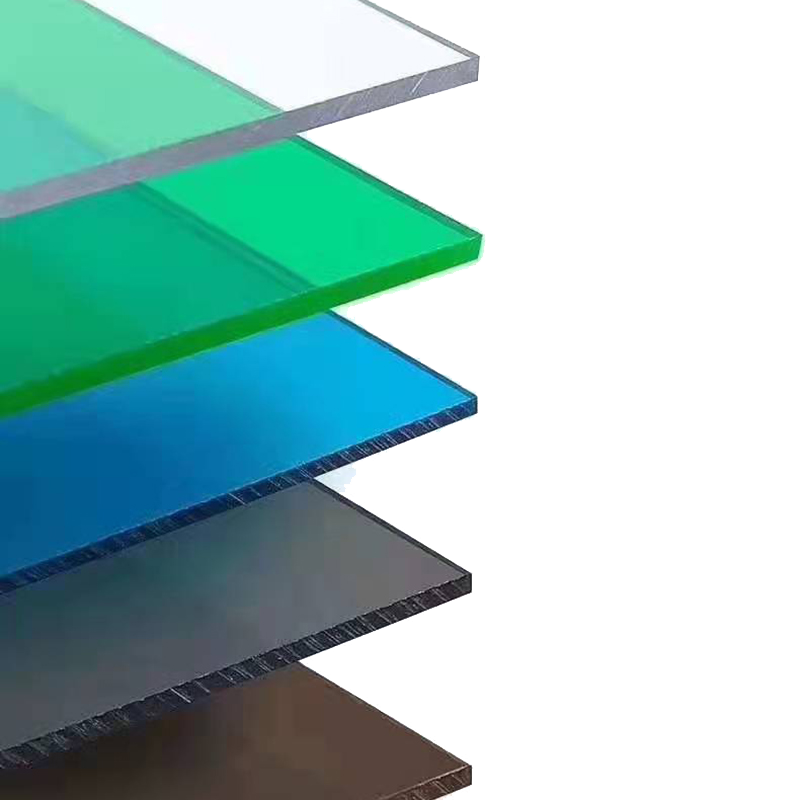
- Sheet-based roofing surfaces used in large structures
- Layered materials for improved weather resistance
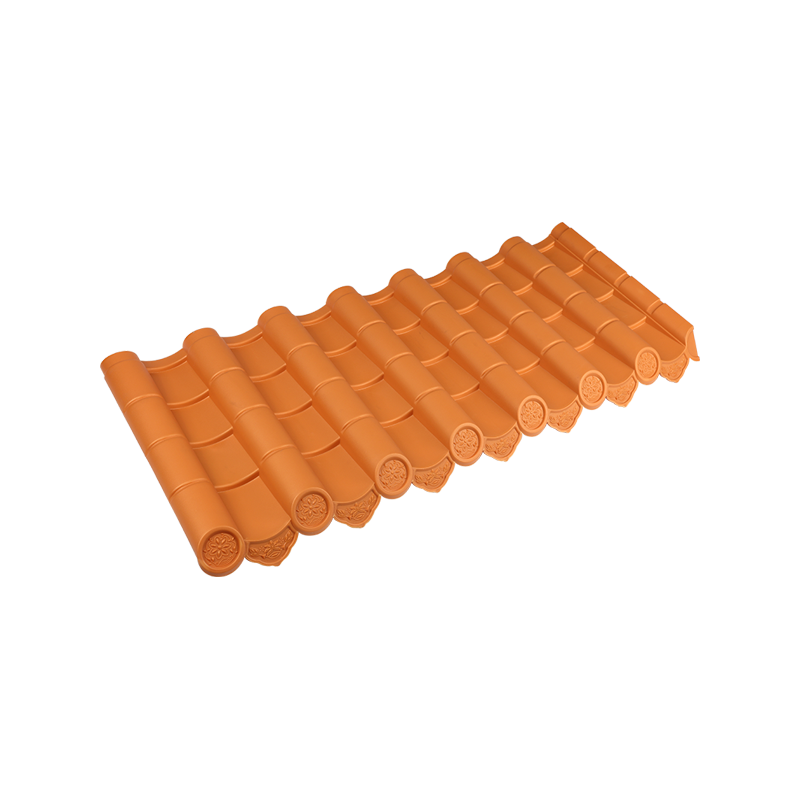
- Lightweight coverings used in residential designs
- Structured panels for industrial or commercial buildings
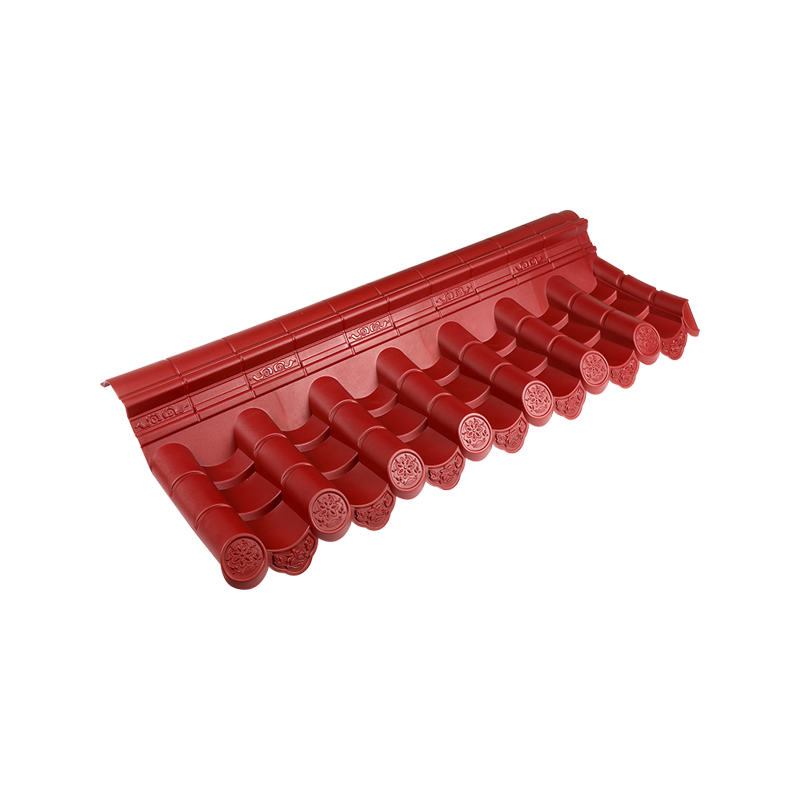
- Composite surfaces designed for combined performance needs
Each type is selected based on how the building is expected to perform over time.
There is no single universal option. Instead, selection depends on balancing protection, appearance, and structural compatibility.
How does climate influence roofing material selection?
Weather conditions heavily affect which roof materials contractors will use. One material that works great in one place might fail to perform well in another area.
For places with intense sunshine, people focus on materials that won't deform easily and block heat well. Rainy regions put waterproof performance and drainage capacity first. Windy areas pay extra attention to firm installation and the sturdiness of roof surfaces.
When choosing Chinese-made roof materials, construction teams always take local climate features into account instead of just following general experience.
Material usage plans change from place to place, so the same product may get different installation schemes in different construction sites.
What should be considered during material selection?
Selecting roofing materials is not a single-step decision. It involves several practical observations.
Key considerations often include:
- Compatibility with building structure
- Expected environmental exposure
- Surface behavior over time
- Installation approach and complexity
- Maintenance expectations
These factors influence how the material performs after installation.
Appearance also plays a role, but it is usually secondary to functional performance. A roofing system must first meet structural needs before visual preferences are considered.
How does installation impact roofing performance?
No matter how good the roof materials you pick, they won't work well without proper fitting. The whole roof system only works as planned when pieces are laid flat and lined up correctly.
If workers lay the materials unevenly, rain won't drain properly and the roof surface will lose balance. Even high-quality materials will wear out much faster because of this.
The way installers fix the roof also decides how long it lasts. Firm fixing keeps materials steady against wind, rain and other outdoor weather impacts.
Most construction teams will plan the fitting steps while choosing roof materials. Material picking and installation layout go hand in hand, instead of being two unrelated steps.
What role does maintenance play in roofing systems?
Roofing materials are not static once installed. They interact with environmental conditions continuously.
Maintenance helps extend their usable condition. It is often simple and based on observation rather than complex procedures.
Common attention areas include surface cleaning, joint inspection, and checking for visible wear. These small actions help maintain stable performance over time.
In many projects, regular inspection schedules are used to reduce unexpected issues. This supports long-term building stability.
How do China roofing materials support modern architectural design?
Modern architecture often focuses on clean shapes, open layouts, and functional surfaces. Roofing materials contribute to this design direction.
Some materials are designed to create smooth visual lines. Others support layered or structured appearances depending on building style.
Flexibility in material form allows architects to align roofing with overall design concepts. This connection between structure and appearance is becoming more common in recent projects.
Roofing is no longer only functional. It also interacts with visual identity of buildings.
What challenges appear in roofing material selection?
Despite wide availability, selection is not always simple. Different materials may look similar but behave differently in real conditions.
One challenge is matching expectations with performance. A material may look suitable but respond differently under environmental pressure.
Another challenge is coordination with building structure. Not all roofing materials fit every design approach without adjustment.
Logistics and handling before installation can also influence final results. Materials need proper storage and transport to maintain condition.
These challenges highlight the importance of careful evaluation before decision making.
How do China roofing materials fit into long-term building use?
Builders care most about how roof products perform long after construction finishes. Roof coverings need to stay intact and functional through many years of exposure.
People pick domestic roof materials with this long service life in mind. These products don't only serve the short phase of installation, but keep working for the whole lifespan of a building.
As time passes, the condition of the roof sets the tone for regular building upkeep. Reliable roof surfaces cut down constant repairs and structural tweaks.
For today's construction work, lasting durability weighs heavier than temporary, low-cost factors when choosing roof materials.
FAQ
What are China roofing materials used for?
They are used to protect buildings and support structural performance in residential, commercial, and industrial projects.
Are China roofing materials suitable for different climates?
Yes, selection usually depends on matching material behavior with local environmental conditions.
Do roofing materials affect building comfort?
Yes, they influence temperature balance and protection from external conditions.
Is installation important for roofing performance?
Yes, proper installation is essential for stable long-term performance.
What is the main consideration when choosing roofing materials?
Compatibility with structure, environment, and long-term usage needs are key factors.


 Email:
 Phone:
 Adress: