




Why did roof tiles become a turning point in early building methods?
Early shelter design focused on survival. People needed protection from rain, heat, and wind. Simple materials like straw or wood were widely used because they were easy to gather and shape. These forms worked for a time, but they had limits. Weather damage, decay, and fire risk were constant concerns.
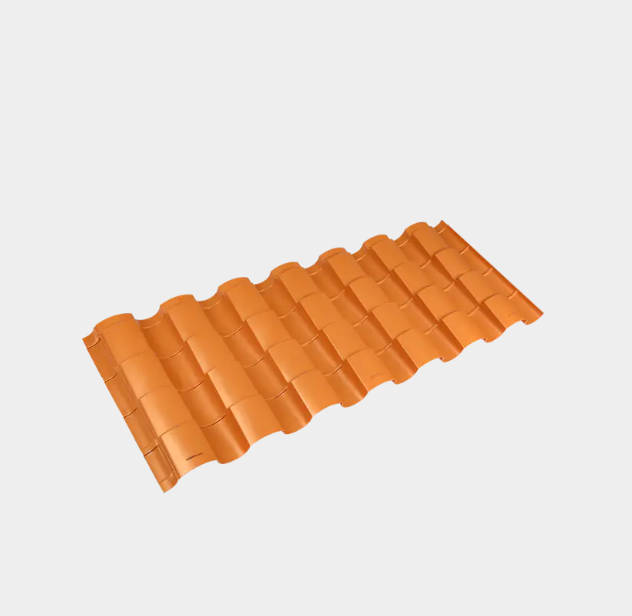
Roof tiles introduced a different idea. Instead of a loose covering, the roof became a structured surface. Each piece had a clear position. Each piece supported the next. The roof was no longer random. It became organized and layered.
This shift changed how buildings behaved. Water could flow in controlled paths. Heat exposure became more manageable. The roof also started to carry visual identity, not just protection.
How were early roof tiles shaped and arranged in construction?
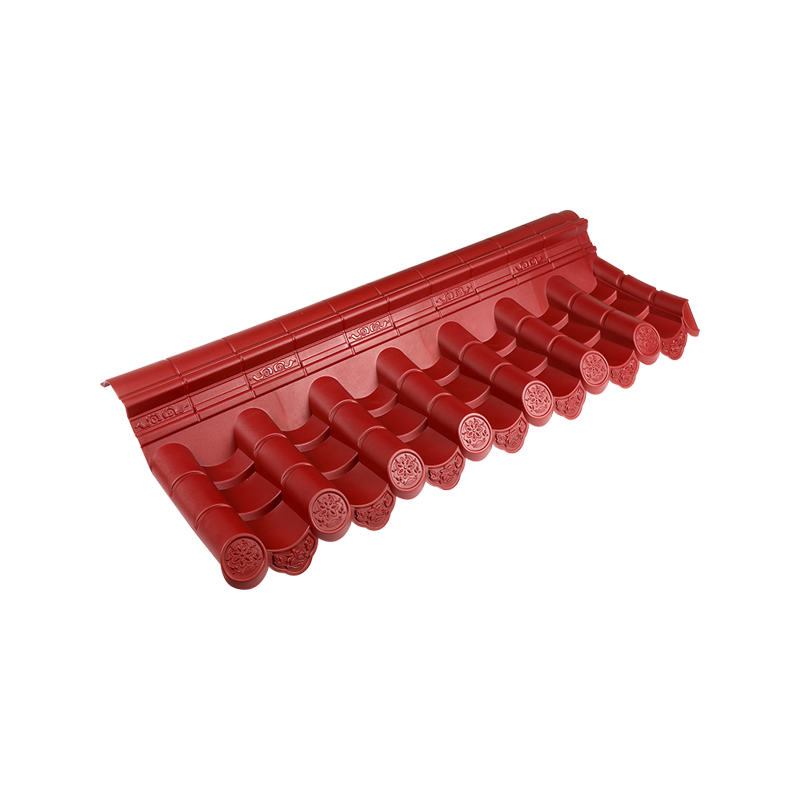
The earliest roof tiles were not complex, but they were intentional. Builders experimented with simple forms that could overlap. Two basic ideas appeared early. One was flat coverage. The other was curved guidance for rainwater.
Flat tiles worked as a base layer. Curved tiles helped guide water downward. When combined, they created a system rather than a single surface.
As building knowledge grew, tile placement became more structured. Roofs were designed with layers in mind. Lower tiles supported upper ones. Edge tiles helped seal corners. The roof began to function like a controlled surface rather than a scattered covering.
This system improved durability. It also made larger buildings possible without losing stability.
What role did roof tiles play in shaping architectural appearance?
Roof tiles completely altered how buildings look from afar. Before tiles came into use, most buildings tended to merge into the surrounding scenery. Once tiled roofs appeared, rooftops turned into distinct, eye-catching features.
Tiles laid in regular rows create a natural visual rhythm. Even with no extra ornamentation, the surface has a rich texture. As the sun moves across the sky, light and shadows shift over the tiles, giving the roof a lively look all day long.
The edges of roofs also took on new significance. Curved eaves soften the overall outline of a building. The sharp lines of walls paired with the gentle curves of roofs formed a classic and distinctive style.
For a great many buildings, the roof became the most striking part. Plain walls work perfectly fine, while the roof carries the unique character of the whole structure.
How did craftsmanship influence roof tile evolution?
Roof tile production relied heavily on manual skill and careful material handling. The process required shaping, drying, and firing under controlled conditions. Small changes in handling could affect durability and appearance.
Craftspeople developed consistent shapes to ensure tiles could fit together smoothly. Uniformity was important for water drainage and structural stability. At the same time, decorative elements began to appear in some roof sections.
These details were not only visual. They also reflected the identity of workshops and regional traditions. Each production area developed subtle differences in shape and surface texture.
The table below shows a simplified view of roof tile development characteristics across early architectural practices:
| Development Aspect | Early Approach | Later Evolution |
|---|---|---|
| Tile Shape | Basic curved or flat forms | More structured and coordinated forms |
| Roof Coverage | Simple overlapping placement | Layered and systematic arrangement |
| Surface Appearance | Plain and functional | More refined and decorative variation |
| Structural Role | Basic protection | Combined function and visual identity |
This progression shows how roof tiles moved from simple protection tools to architectural elements with identity value.
What materials and environmental factors shaped roof tile evolution?
Roof tiles were mainly made from earth-based materials shaped and hardened through heat. The quality of the raw material influenced the final result.
Material consistency affected strength. Smooth mixtures created more stable tiles. Uneven mixtures could lead to cracks or irregular surfaces.
Environmental conditions also played a role. Regions with heavy rainfall needed stronger drainage design. Areas with dry climates could use simpler forms.
This led to natural variation in roof tile design. The same basic idea adapted to different environments. Roofs were not uniform across regions. They evolved with climate and geography.
How did Chinese roof tiles History develop step by step in architectural history?
To understand the development clearly, it helps to break it into functional stages rather than fixed time labels.
1. Early protective stage
Roofing focused on covering space. Materials were simple and locally sourced. The main goal was shelter rather than structure.
2. Structural alignment stage
Tiles began to follow placement rules. Overlapping methods improved water control. Roof surfaces became more stable.
3. Layered system stage
Multiple tile types were used together. Base layers and cover layers formed a complete system. Roofs became more durable and organized.
4. Visual identity stage
Roof surfaces gained decorative rhythm. Edges and curves became part of architectural expression. Buildings developed recognizable silhouettes.
5. Regional adaptation stage
Different climates shaped different roof styles. Tile form and spacing adjusted to rainfall, wind, and heat conditions.
6. Cultural expression stage
Roof design started reflecting social and cultural meaning. Building importance could be seen through roof complexity and detail level.
How did roof tiles influence visual rhythm and light behavior?
Roof tiles create repeating patterns. These patterns interact with sunlight in subtle ways. As the sun moves, shadows shift between tile lines.
This creates a changing surface. The roof does not look the same throughout the day. It appears more dynamic under natural light.
The rhythm of repetition also affects perception. From a distance, roofs look smooth. Up close, they show detail and structure. This dual effect adds depth to architectural viewing.
Light and shadow become part of the design, even without intentional decoration.
How did roof tiles reflect social structure and building hierarchy?
Roof design often reflected the importance of a building. More complex roof systems were associated with higher status or special function.
Simpler roofs were used in everyday structures. More detailed roofs appeared in important spaces.
This created a visible order in built environments. Without signs or labels, people could read a building's role through its roof design.
Roof tiles became part of spatial communication. They expressed function through structure and detail.
How do Chinese roof tiles remain relevant in architectural understanding today?
Traditional Chinese roof tiles are still a key subject in architectural research. They are not just simple building materials, but a true reflection of how local materials, climate conditions and design ideas evolved side by side over time.
They also tell us how ancient architecture developed. What started out as basic shelter gradually took on unique visual charm. Every tile is made for practical use, yet when put together, they give buildings a one-of-a-kind look and style.
Even now, these tiles help us make sense of old building philosophies. They bridge practical material functions, cultural traditions and the wisdom of living in harmony with nature.
Many historic buildings still feature these classic tiles. Their presence keeps traditional architectural heritage alive and continues to inspire people who study this field.





 Email:
 Phone:
 Adress: