



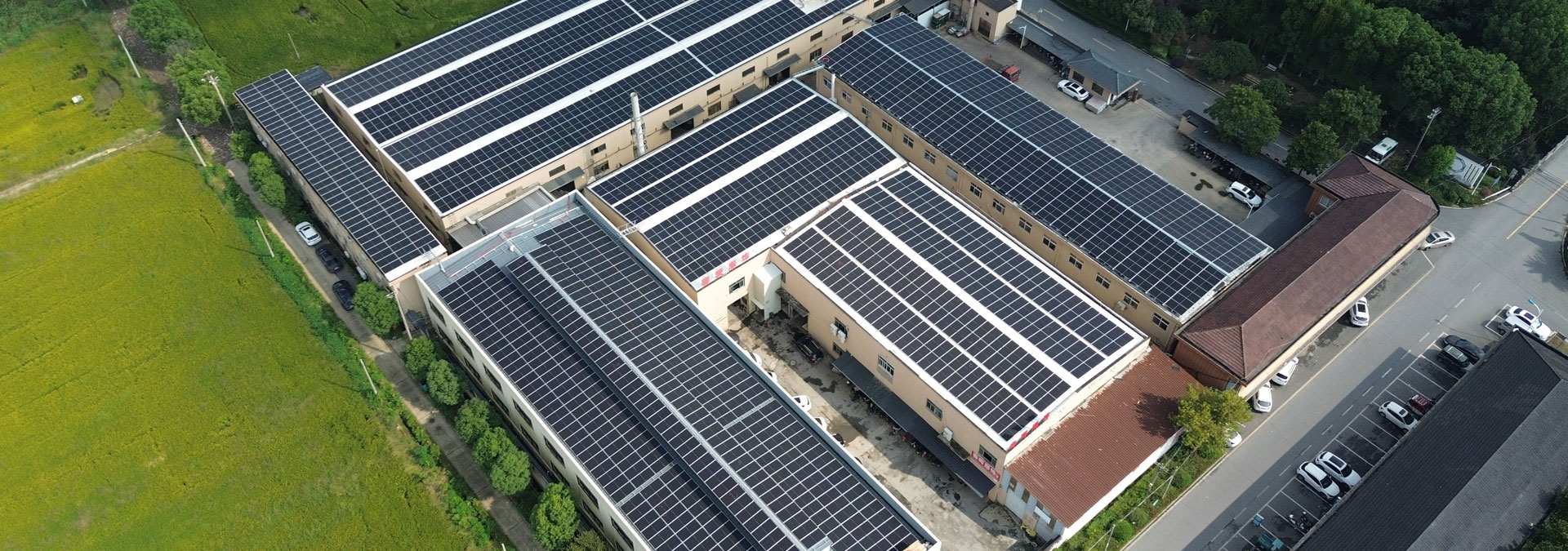
Why does roofing material influence urban heat behavior?
Urban areas store heat in a way that feels different from natural landscapes. Buildings stand close together. Roads and roofs cover large surface areas. Sunlight hits these surfaces for long periods during the day. Heat accumulates and lingers into the evening.
Metal roof environmentally friendly is one of the most exposed parts of a city structure. It receives direct solar exposure with little interruption. The way a roof handles that energy affects how heat spreads upward and outward.
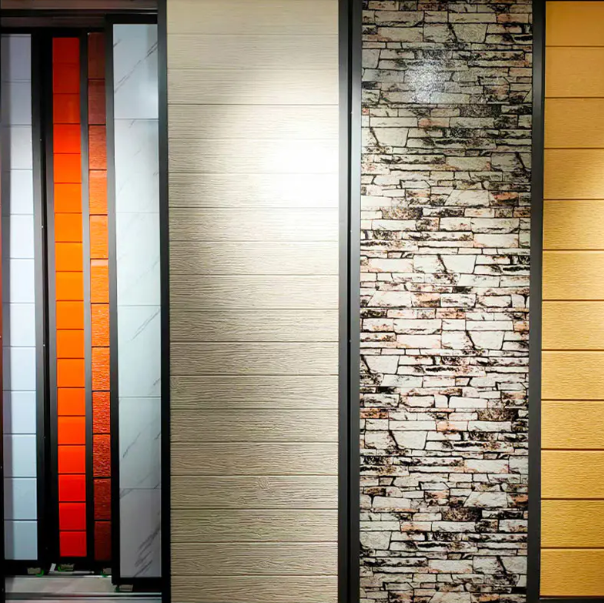
Metal roofing introduces a surface that reacts differently from heavier, layered materials. It does not hold heat deep inside its structure for long periods. Instead, it responds quickly to changes in sunlight and shade. This behavior influences how energy moves through the upper layer of urban space.
The result is not a complete change in temperature patterns. It is a shift in how long heat remains stored on building surfaces.
How does sunlight interaction shape rooftop heat behavior?
Sunlight brings heat energy, and building surfaces soak it up. The type of roofing material decides how much heat bounces off and how much stays trapped.
Metal roofs react quite straightforwardly. Heat only stays on the surface, and it dissipates quickly once the sun goes down. Unlike multi-layered materials that hold heat deep inside, metal keeps heat for a much shorter time.
This difference has a noticeable impact in crowded cities. If most rooftops release heat fast, the surrounding air won't stay warm late into the night.
The color of the roof also plays a big part. Lighter shades reflect most of the sun's heat, while dark shades absorb far more. These differences add up and influence the overall heat distribution across urban areas.
What is the relationship between metal roofs and urban heat balance?
Urban heat balance depends on how energy enters, spreads, and exits a built environment. Roofs are part of the entry and exit points for that energy.
Metal roofing supports faster thermal release. Once sunlight fades or cloud cover increases, heat does not remain trapped for long periods. Instead, it dissipates into the surrounding air at a quicker pace.
This does not eliminate heat buildup. It influences timing and distribution. Heat becomes less concentrated in late hours compared to surfaces that store energy longer.
The effect becomes more noticeable when viewed across multiple buildings. One roof has limited influence. Many roofs create a pattern.
How does metal roofing compare in environmental response?
Different roofing materials behave differently under sunlight and temperature shifts. The table below shows a simplified comparison of general environmental response patterns.
| Roofing Surface Type | Heat Absorption Behavior | Heat Release Pattern | Urban Heat Influence |
|---|---|---|---|
| Metal Surface | Moderate surface absorption | Faster release after exposure ends | Reduces heat persistence |
| Thick Layered Surface | Deep heat retention | Slow release over time | Extends nighttime warmth |
| Reflective Light Surface | Higher reflection of sunlight | Limited heat storage | Reduces surface warming |
| Dense Dark Surface | Strong heat absorption | Gradual release | Increases heat accumulation |
This comparison shows that roofing behavior is not only about temperature level. It is about timing, storage depth, and release speed of thermal energy.
How do metal roofs affect heat distribution in city air layers?
City air is not uniform. Warm air rises from heated surfaces. Cooler air replaces it. This movement creates constant mixing between layers.
Metal roofs influence this cycle by changing how quickly heat is released. When surfaces cool faster, upward heat flow becomes less prolonged. Air movement becomes more dynamic rather than sustained in one direction.
This affects comfort in small but continuous ways. Evening heat may feel less trapped above rooftops. Air layers may shift more frequently instead of holding warmth for long durations.
The effect depends on surrounding conditions such as building density and open space. Roofing is one part of a larger airflow system.
How does reflectivity influence environmental interaction?
A surface's reflectivity decides how much solar heat bounces away instead of being taken in. For metal roofs, their surface state and sun exposure directly affect this heat balance.
High reflectivity means less heat seeps into the building. It keeps rooftop surfaces cooler, and also impacts other areas hit by the reflected light.
This is a mutual effect. The bounced sunlight will warm up nearby buildings, roads and open spaces. All these surfaces together form a connected heat exchange system.
The overall environmental effect relies on the layout of all building surfaces across the city, rather than just one single structure.
How does thermal response speed affect daily environmental rhythm?
Thermal response refers to how quickly a surface reacts to temperature change. Metal roofing responds faster than many heavier materials.
During sun exposure, the surface warms quickly. Once shade appears, cooling begins without long delay. This creates a more immediate thermal cycle.
In urban environments, this cycle influences how heat accumulates across time. Slow-retaining surfaces extend warmth into nighttime hours. Faster-response surfaces reduce that extension.
The result is a shift in daily heat rhythm. Instead of long-lasting rooftop heat, energy cycles become shorter and more frequent.
How does roofing material interact with surrounding urban elements?
Cities are made up of many different parts that work as a whole. Buildings, trees, roads and open spaces all affect local temperatures in their own ways.
Metal roofs exchange heat constantly with these surrounding elements. Trees cool the air by casting shade and releasing moisture, while paved areas either hold or reflect heat. Air flow moves warmth between all these spots.
Metal roofs cool down much quicker after being heated by the sun. This can change how heat travels between sunlit areas and places covered in shade.
This is never a standalone effect. It works alongside wind direction, the angle of sunlight and the other materials used on nearby structures.
What role does long-term material stability play in environmental balance?
When we talk about environmental influence, we look at both daily performance and how well materials last over time. Roofs that stay strong for years do not need to be replaced frequently.
Metal roofs are widely chosen for their long service life. They keep their shape and performance well, even through changing weather conditions.
Replacing a roof less often means less construction work overall. There is less material transportation and far less disturbance to city areas.
Materials that stay reliable for many years help keep the overall environmental impact low in the long run.
How does metal roofing influence seasonal thermal adaptation?
Seasonal shifts change how buildings interact with temperature. Sun intensity, air movement, and humidity vary across cycles.
Metal roofing responds quickly to these changes. In warmer conditions, it releases heat faster after exposure. In cooler conditions, it adjusts without long internal heat retention.
This creates a responsive surface that follows environmental changes more closely. Buildings experience less delay between external temperature shifts and surface response.
The outcome is a more adaptive relationship between structure and climate variation.
What does environmental balance mean in the context of roofing systems?
Environmental balance in cities is not defined by a single factor. It is the combined result of material choices, design patterns, and spatial organization.
Roofing plays a visible role because of its direct exposure to sunlight. Metal roofing introduces a pattern of moderate reflectivity and faster thermal release.
This pattern influences how heat moves through urban environments. It does not control the system. It participates in it.
Urban heat behavior becomes a shared result of many surfaces working together in continuous exchange with the atmosphere.

 Email:
 Phone:
 Adress: