



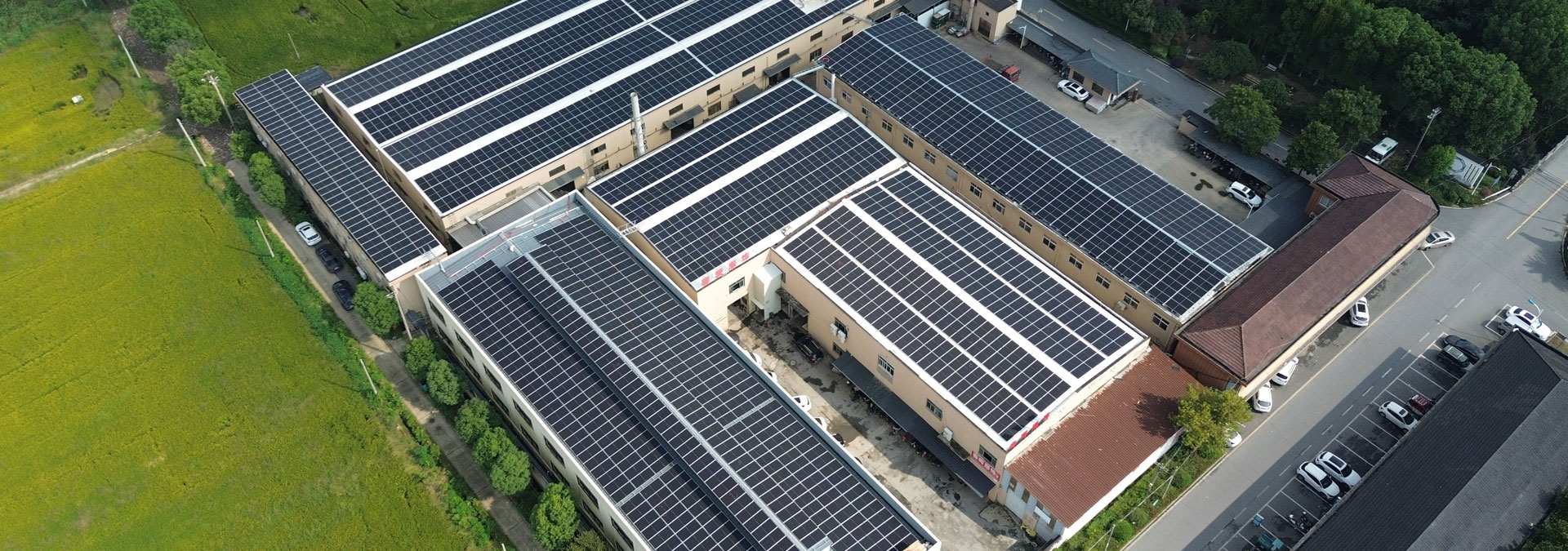
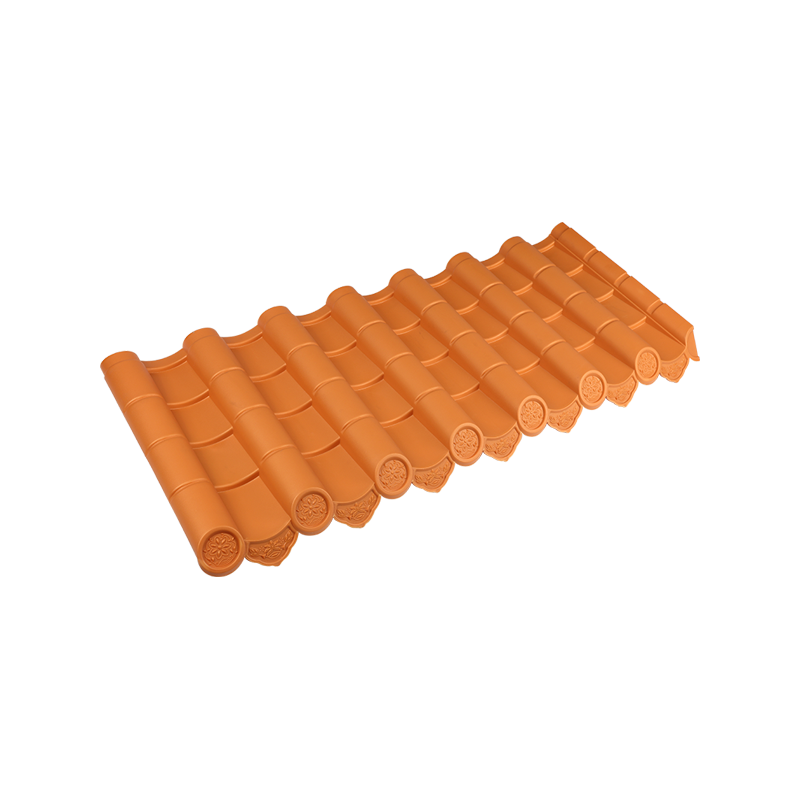
Traditional Chinese roof tiles appear simple at first glance. They are curved pieces placed in repeating patterns across rooftops. Yet their role in architecture goes far beyond surface coverage. They reflect a long relationship between building design and environmental response.
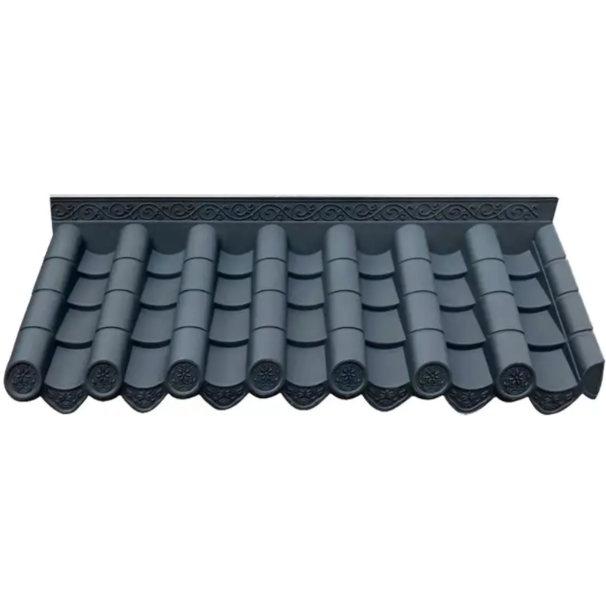
Across different regions, these tiles appear in varied forms. Some are tightly arranged. Others are spaced with visible rhythm. Despite these differences, the underlying idea stays consistent. A roof is expected to protect, regulate, and adapt.
In modern discussions about building design, these tiles continue to draw attention. Not as decorative objects alone, but as functional elements shaped by long-term environmental needs.
Why do traditional Chinese roof tiles have a curved form?
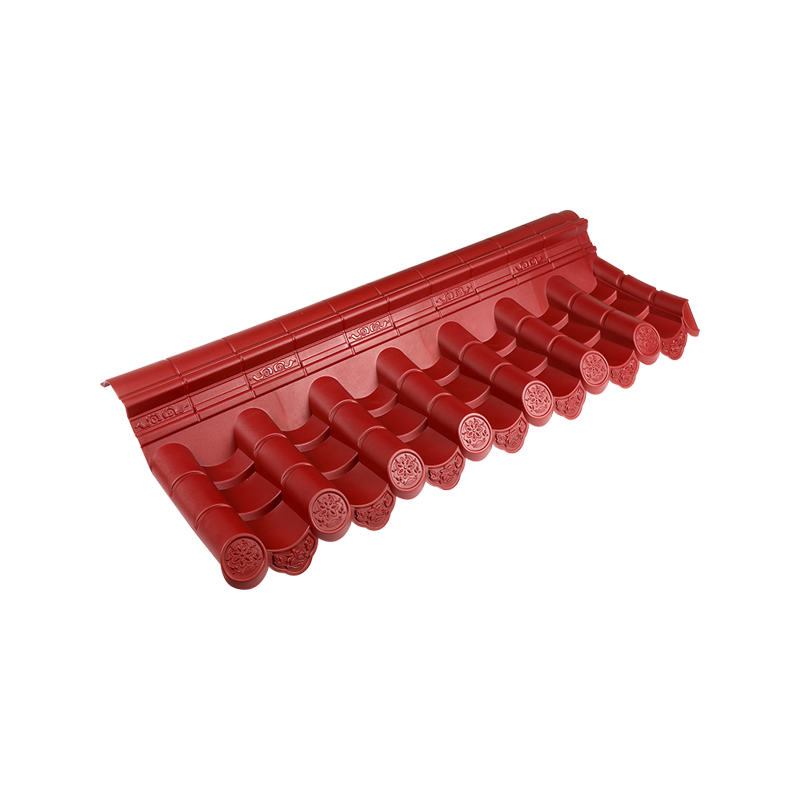
The curved shape is one of the most noticeable features. It is not random. It responds to how water moves across surfaces.
Rain does not fall in a controlled pattern. It spreads, gathers, and flows in different directions. A flat surface tends to hold water longer. A curved surface encourages movement.
On rooftops using traditional tiles, the curve creates a natural path for water. It does not rely on mechanical systems. Gravity does most of the work. Water flows along the surface and leaves the structure quickly.
This shape also affects how tiles overlap. The curved form allows one tile to sit closely with another, creating continuous coverage. Gaps are minimized. Water has fewer chances to enter unwanted spaces.
The visual rhythm created by curves is often noticed first. The functional behavior behind it is less visible but more important.
How do traditional roof tiles interact with rain and moisture?
Rain is a constant factor in many regions where these tiles are used. The interaction between tile surface and water is continuous.
When rain touches the surface, it begins to move almost immediately. The texture of the tiles guides this movement. Instead of pooling, water travels downward in a controlled path.
Moisture behaves differently. It does not move quickly. It settles in small amounts on surfaces and between layers. Traditional tile systems address this through spacing and airflow.
Small gaps between tiles allow air to pass through. This movement helps reduce trapped moisture. Over time, this reduces the chance of long-term dampness.
The system does not aim to block moisture completely. It aims to reduce accumulation and allow natural drying cycles.
What role does layering play in roof tile structure?
Roof tile systems are rarely single-layered. They often rely on repeated placement and overlap.
Each tile contributes to a larger pattern. The structure is built through repetition rather than single large components.
This layered arrangement creates multiple levels of protection:
- The outer layer interacts with rain and sunlight
- The middle arrangement guides water flow
- The lower structure supports insulation and stability
Each layer works without needing complex adjustments. The design depends on position rather than mechanical control.
| Layer Position | Main Function | Environmental Response |
|---|---|---|
| Outer layer | Direct exposure | Rain and sunlight handling |
| Middle layer | Flow control | Water direction and spacing |
| Inner layer | Structural support | Stability and separation |
The simplicity of this structure is part of its strength. Each layer has a clear role, and together they form a balanced system.
How do roof tiles respond to heat and sunlight?
Heat builds up slowly on outdoor surfaces when the sun is out, and fades away once the weather turns cooler. Roof tiles are exposed to this cycle every single day.
Regular roof tiles take in heat under the sun and gradually let it dissipate later on. Their curved profile breaks direct sunlight, spreading rays around instead of letting heat pool in one area.
Gaps between each tile allow air to pass through. This natural airflow stops heat from accumulating too much.
Heat never stays confined to one layer; it distributes across the whole roof surface. This keeps indoor spaces from experiencing extreme temperature swings.
Roof tiles cannot fully block heat transfer. What they do is soften temperature changes, making indoor conditions steady and comfortable.
Why are traditional tiles effective in humid environments?
Humidity behaves quietly. It does not show immediate impact but builds gradually in materials and surfaces.
Traditional roof tile systems respond through ventilation and spacing. Air is able to move between tiles, which helps reduce trapped moisture.
This airflow is not forced. It happens naturally due to the arrangement of the tiles and the structure of the roof.
When moisture enters the system, it does not stay in one place for long. It is exposed to air movement and gradual evaporation.
This cycle helps maintain balance over long periods. The roof does not rely on sealing alone. It uses movement as a stabilizing factor.
How does material choice influence roof tile performance?
Traditional roof tiles are often associated with simple material forms. The focus is not only on composition but on behavior over time.
Material selection affects how tiles respond to water, heat, and pressure. Some materials hold shape more consistently. Others allow better airflow interaction.
In many cases, the material works together with shape rather than independently.
A simple comparison:
| Material Behavior | Surface Response | Long-term Effect |
|---|---|---|
| Dense structure | Stable surface | Less deformation |
| Porous structure | Faster drying | Reduced moisture retention |
| Balanced mix | Moderate response | Stable performance |
The combination of material and form is what defines overall performance.
What makes installation patterns important in roof tile systems?
Installation is not random placement. It follows a repeated pattern that supports function.
Tiles are arranged in overlapping sequences. Each tile partially covers the one below it. This reduces direct exposure to rain and helps guide water flow downward.
The pattern also creates stability. Individual tiles do not carry the full load alone. Instead, the system distributes pressure across multiple points.
This approach reduces stress on any single section. It also allows minor adjustments without affecting the entire structure.
The visual result is consistent rhythm. The functional result is controlled movement of environmental forces.
How do traditional roof tiles support long-term durability?
Durability in this context is not about resistance alone. It is about adaptation over time.
Roof tile factory are exposed to repeated cycles of rain, heat, and humidity. Each cycle leaves small effects on the surface. Over long periods, these effects accumulate.
The structure responds by maintaining balance rather than resisting change completely.
Small maintenance actions help preserve function:
- Clearing water paths
- Adjusting displaced tiles
- Checking airflow gaps
These actions are simple but support long-term performance.
The system is designed to remain functional through repetition, not isolation from environment.
What connects traditional roof tiles to modern architectural thinking?
Today's architecture prioritizes practical efficiency and adapting to the natural environment. Classic roof tiles carry these very concepts in their physical design.
Their structure is built around natural elements. Water drainage, air flow and heat regulation are all part of the build, not extra add-ons.
This matches the modern focus on passive climate control. The roof relies on its shape, overlapping layout and gaps to function, with no need for complicated equipment.
The value lies not in its look, but in how it performs in real-world use.
Traditional Chinese roof tiles continue to appear in discussions about architecture not because of tradition alone, but because of how they respond to environment through simple and repeatable design logic.

 Email:
 Phone:
 Adress: