



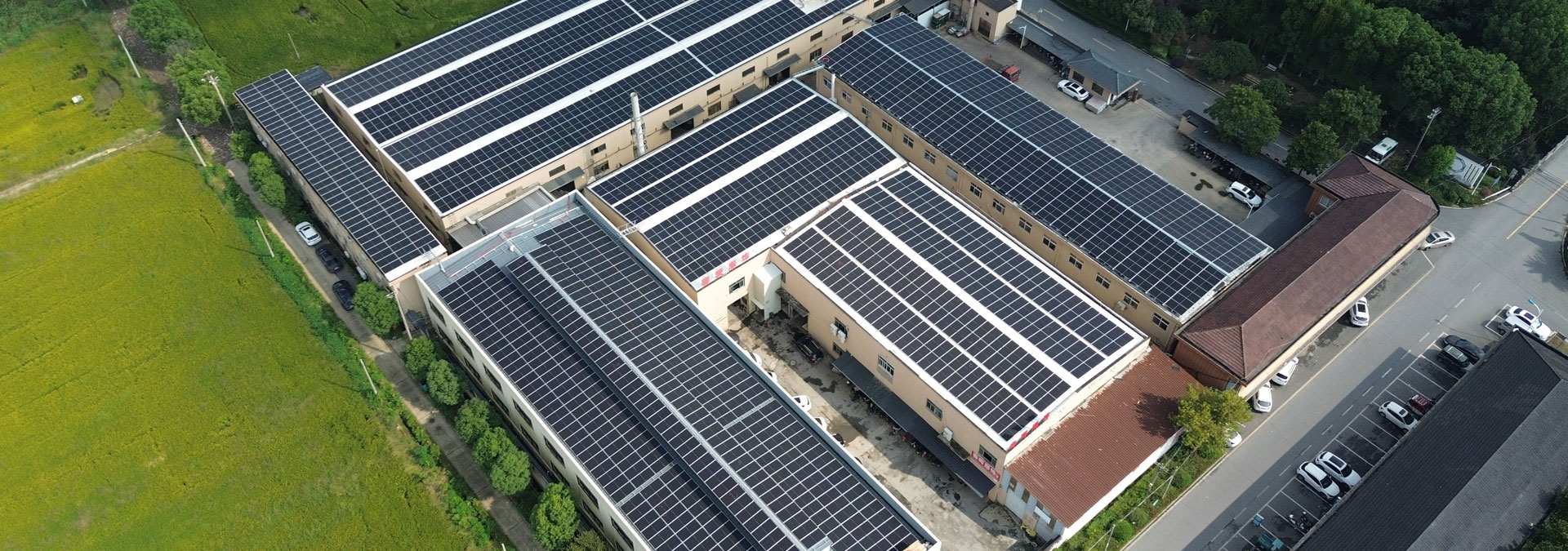
Roof China are closely tied to climate behavior. The environment is not stable in many regions. Rain can arrive suddenly. Heat can build through long daytime exposure. Moist air can stay in the surroundings for extended periods.
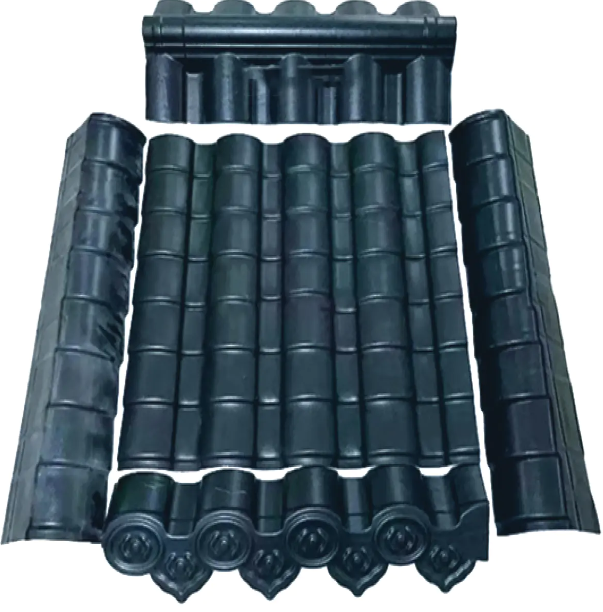
A roof is not just a cover. It works like a control surface between outdoor pressure and indoor comfort. The design logic is practical. It focuses on movement, balance, and layered protection rather than visual style alone.
What happens when rain becomes a constant pressure?
Rain is one of the most frequent environmental forces acting on roofs. It does not behave in a fixed way. Sometimes it is light and continuous. Sometimes it is short but intense.
Roof systems respond by guiding water movement instead of resisting it.
Water needs a path. If it stays still, it creates pressure points. If it moves, the load spreads out.
In many Chinese roofing approaches, surface direction plays a key role. Slight slopes are used to guide water away from sensitive areas. Even flat-looking roofs usually contain hidden gradients that support drainage.
Drain points are placed where water naturally collects. These points are not decorative. They act like exits in a controlled flow system.
A simple way to understand this behavior:
- Water lands on the surface
- It spreads for a moment
- It follows the slope
- It exits through defined channels
When this cycle works smoothly, the roof stays stable even under repeated rainfall.
Why does heat behave differently on roof surfaces?
Heat does not move like water. It does not flow quickly or visibly. It builds up slowly and spreads across surfaces over time.
In many regions, roof surfaces are exposed to long hours of sunlight. The surface absorbs energy during the day. Later, that energy slowly moves inward or is released back into the air.
Roof systems manage this in a few quiet ways.
One approach is surface response. Some outer layers are designed to reduce direct heat absorption. Instead of holding energy, they limit how much enters the structure.
Another approach is layered separation. Heat that enters the outer layer is slowed down before reaching indoor space. Each layer acts like a delay zone.
Air space is also used in some structures. A small gap allows heat to disperse rather than concentrate. Air movement helps reduce buildup in one area.
A simple breakdown:
- Outer layer handles direct exposure
- Middle layer slows heat movement
- Inner layer stabilizes indoor impact
The goal is not to block heat completely. It is to slow its journey.
How does humidity quietly affect roof systems?
Humidity is less visible than rain or heat, but it is always present in many regions. It exists in the air and interacts with surfaces continuously.
The challenge is not sudden damage. It is gradual accumulation.
Moist air can settle on surfaces and remain there. Over time, this can influence material condition and airflow balance.
Roof systems respond by creating separation and movement.
Separation means layers do not allow moisture to pass freely through all sections. Movement means air circulation helps carry moisture away instead of trapping it.
This combination reduces long-term buildup.
In practice, humidity control is often about small design choices:
- Slight spacing between layers
- Controlled air channels
- Surfaces that do not hold moisture easily
These elements work together quietly. The effect is not immediate, but it becomes clear over time.
What role does roof shape play in environmental response?
Shape changes how environmental forces move.
A roof is a surface that interacts with gravity, sunlight, and air. Its form decides how these forces behave once they make contact.
Sloped shapes encourage movement. Water flows faster and leaves the surface sooner. This reduces exposure time.
Flatter shapes require more planning. Drain paths become more important because water does not move naturally.
Some roof designs combine multiple angles. This helps distribute environmental pressure instead of concentrating it in one area.
A simple comparison:
| Roof Shape Type | Environmental Behavior | Main Effect |
|---|---|---|
| Sloped form | Fast water movement | Reduced standing water |
| Flat form | Controlled drainage | Requires structured flow |
| Mixed angles | Distributed pressure | Balanced environmental response |
Shape does not solve environmental challenges alone. It works together with layers and materials.
How do layered roof systems work in practice?
Layering is a common method used in many Chinese roof systems. It is not about complexity. It is about assigning roles.
Each layer has a specific function.The outer layer deals with direct contact. It faces rain, sunlight, and dust.The middle layers slow down movement of heat and moisture.The inner layer helps stabilize indoor conditions.Instead of one material doing everything, multiple layers share responsibility.This structure reduces stress on any single part.
A simple way to imagine it:
- The surface reacts first
- The middle adjusts the transfer
- The inner layer protects the space below
When these layers work together, environmental pressure is spread out rather than concentrated.
What materials are usually chosen for different conditions?
Material selection is influenced by environment, not appearance.
Some materials are better at resisting water contact. Others handle temperature changes more steadily. Some are chosen for how they behave in humid air.
In many cases, materials are not used alone. They are combined to balance different needs.
For example:
- A surface layer may focus on water shedding
- A middle layer may slow heat movement
- A supporting layer may add structural stability
Material behavior is not fixed. It changes depending on how it is placed in the system.
This is why the same material can perform differently in different roof structures.
How do roof systems manage repeated weather cycles?
Weather does not act once. It repeats.
Rain returns in cycles. Heat rises and falls daily. Humidity changes with air movement and seasonal shifts.
China Roofing Materials systems respond to repetition rather than isolated events.
Instead of reacting, they maintain structure.
Over time, small adjustments happen naturally:
- Drain paths stay open
- Surface layers age gradually
- Air movement patterns stabilize
Maintenance supports this cycle. It does not rebuild the system. It keeps existing functions stable.
A roof system is therefore not static. It is continuously interacting with environmental repetition.
What connects rain, heat, and humidity in roof performance?
These three forces do not act separately. They overlap.
Rain affects surface flow. Heat changes material behavior. Humidity influences internal balance.
A roof system must respond to all three at the same time.
This is where integrated design becomes important.
Instead of focusing on one factor, roof systems are shaped to handle combined pressure:
- Water movement is guided by shape
- Heat is controlled by layering
- Moisture is managed through airflow
The interaction is continuous. When one factor increases, the others still remain active.
This overlap is what makes roof design in China closely tied to environmental adaptation.
How does long-term exposure shape roof behavior?
Time changes how roof systems behave.
At the beginning, everything functions as designed. Over time, exposure builds patterns.
Rain leaves marks on flow paths. Heat influences surface texture. Humidity interacts with internal layers.
These effects are slow but constant.
Roof systems respond by maintaining structure rather than changing it.
Small maintenance actions help keep balance:
- Clearing drainage paths
- Checking surface condition
- Supporting airflow spaces
There is no single moment of change. Only gradual adaptation through repetition.
Environmental exposure becomes part of the system's rhythm, not an external interruption.

 Email:
 Phone:
 Adress: