



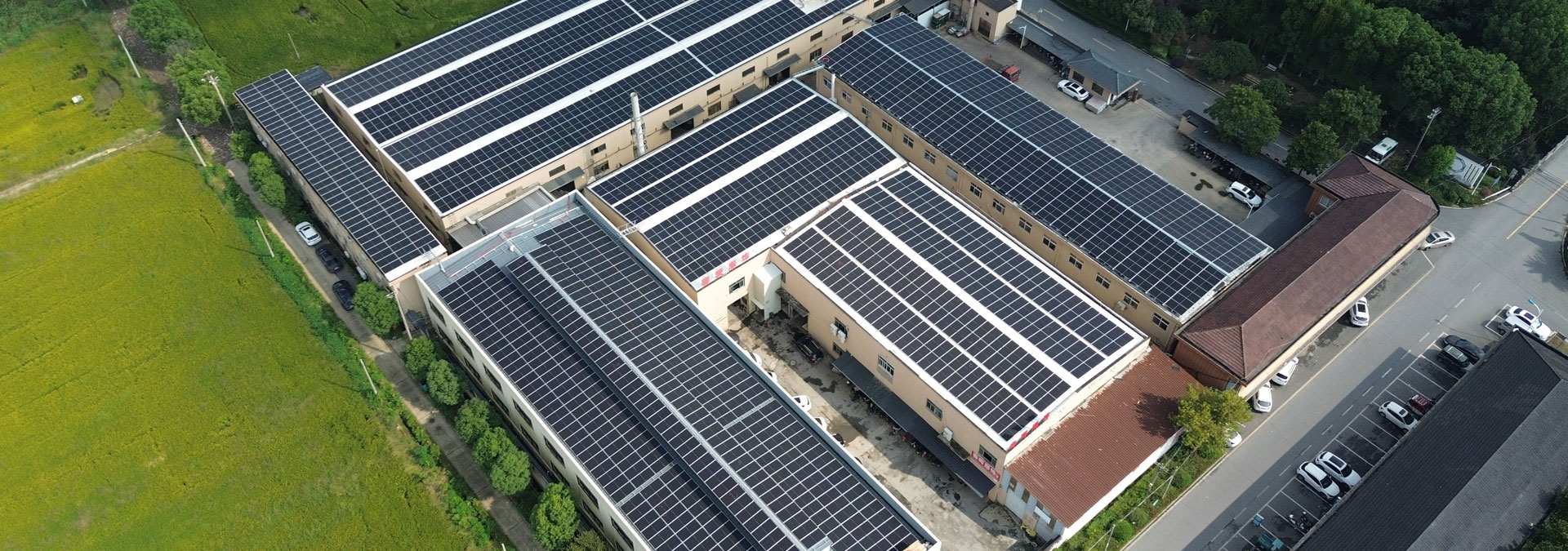
Resin roof tiles have slowly moved from a niche option into a more common choice in modern roofing work. They are light, easy to handle, and often used in projects where installation speed and structural load need to be balanced. As demand grows, more china resin roof tile suppliers appear in the market, each presenting similar-looking products but very different working styles behind the scenes.
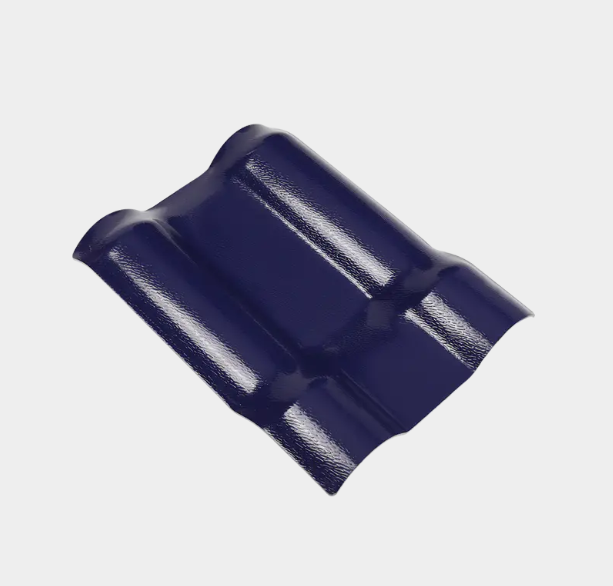
For buyers, the real difficulty is not finding suppliers. It is understanding which ones can stay consistent when a project becomes complex, changes pace, or stretches over time.
What should be clear before starting supplier selection?
Roofing materials are often judged by appearance at first glance. That can be misleading. Resin roof tiles may look similar across catalogs or samples, but their behavior in real use can shift depending on how they are produced and handled.
In practice, roofing decisions are connected to more than material choice. They affect installation rhythm, transport planning, storage conditions, and even how workers interact with the material on site.
Resin roof tiles are often chosen because they are lighter than traditional options. This makes them easier to move and install. But that same advantage also means quality control becomes more important, since small differences are easier to notice during installation.
Before choosing a supplier, it helps to look beyond surface presentation and understand how the supply process behaves.
Why does supplier stability matter more than it seems?
A roofing project rarely finishes in a single step. Materials are usually delivered in stages. Some are stored on site. Others are installed immediately. This creates a chain of dependency between supply and construction progress.
If one batch of tiles feels different from another, installation becomes uneven. Workers may need to adjust spacing or alignment. That slows down progress and creates confusion on site.
Stable suppliers tend to maintain consistent production behavior. That does not mean everything is identical, but it does mean variation stays within a predictable range.
Communication timing also becomes part of stability. When responses are delayed or unclear, planning becomes harder. Construction teams often rely on simple and steady updates rather than detailed explanations.
Over time, predictability matters more than initial impression.
How can product consistency be evaluated in resin roof tiles?
Resin roof tiles are usually valued for their light weight and flexibility. But consistency is what determines whether they work smoothly in real projects.
One simple way to observe consistency is by comparing multiple samples side by side. Small differences in surface feel or edge shape can reveal how controlled the production process is.
Handling also gives clues. Some tiles feel stable when lifted and aligned. Others may feel slightly uneven or soft in certain areas. These small differences become more noticeable during installation.
Even without laboratory testing or technical data, repeated sample comparison can help build a clearer picture of supplier behavior.
Consistency is not about perfection. It is about repetition that feels familiar rather than unpredictable.
What does communication reveal about a supplier?
Communication is often overlooked during early sourcing stages. Yet it usually reflects how a supplier operates internally.
Some suppliers respond quickly but with limited detail. Others may take longer but provide more structured answers. Neither approach is automatically better, but the tone and clarity matter.
When discussing resin roof tiles, practical explanations are often more helpful than technical descriptions. Buyers usually want to know how the material behaves during installation, how it should be stored, and what to expect during transport.
A supplier that communicates in a clear and grounded way often makes project coordination easier later.
In many cases, communication style becomes a silent deciding factor once product options look similar.
How does production capacity affect real project planning?
Production capacity is not only about how much a supplier can produce. It also reflects how well they can respond when project requirements change.
Roofing projects are rarely fixed from the beginning. Order volumes may shift depending on construction progress. Some stages require more material. Others slow down due to external conditions.
A supplier with flexible production habits can adjust more easily to these changes. This reduces pressure on scheduling.
Another aspect is consistency across time. A supplier may deliver well at the beginning but struggle when demand increases. That gap often becomes visible only after cooperation starts.
Capacity is therefore not only a number. It is a reflection of operational stability.
What should be checked during sample testing?
Samples are usually the first physical contact between buyer and product. This stage is more important than it may seem.
Resin roof tile samples help show how the material behaves when handled. Weight distribution, surface texture, and flexibility all become clearer in hand.
During evaluation, attention often goes to simple observations:
- How the surface feels when touched repeatedly
- Whether edges remain stable or feel irregular
- How pieces align when placed together
- Whether the material holds shape during gentle movement
These small details often reveal more than product descriptions.
Samples also help compare expectations with real behavior. Sometimes what looks similar on paper feels different in practice.
How do packaging and logistics influence supplier reliability?
Even when product quality is stable, packaging and transport can change the final experience.
Resin roof tiles are not extremely heavy, but they still require careful stacking. If packaging is too loose, surface marks or deformation may appear during transport. If it is too rigid, handling becomes less flexible.
Reliable suppliers usually treat packaging as part of the product process rather than an afterthought.
Logistics timing also affects project flow. Roofing materials are often needed in sequence. Delays in one shipment can shift installation schedules on site.
In long projects, small timing differences can build into larger coordination issues.
What risks appear when supplier decisions are made too quickly?
Fast decisions often come from urgency or price focus. But roofing materials behave in real environments, not just in catalogs.
One common issue is inconsistency between early samples and later bulk delivery. Another is variation in communication once orders begin.
There are also cases where packaging changes slightly between batches, affecting storage on site.
These problems are not always visible at the start. They tend to appear during installation or when materials arrive in multiple phases.
Taking more time during selection usually reduces adjustment work later.
How can multiple China resin roof tile suppliers be compared more clearly?
Instead of relying on a single factor, comparison works better when several aspects are viewed together.
Supplier comparison overview
| Evaluation Area | What usually shows up in practice | What it means for projects |
|---|---|---|
| Product consistency | Similar feel across samples | Easier installation alignment |
| Communication flow | Clear, steady responses | Smoother planning coordination |
| Production behavior | Stable output across time | Fewer interruptions in supply |
| Sample handling | Predictable weight and texture | More accurate installation expectation |
| Packaging approach | Organized and protective structure | Reduced damage during transport |
Looking at these points together gives a more balanced understanding than focusing on one factor alone.
How does project type influence supplier selection?
Different projects use resin roof tiles in different ways. A small residential project may focus on appearance and flexible ordering. A larger construction project may care more about steady supply over time.
In some situations, speed matters most. In others, consistent delivery becomes more important than anything else.
China resin roof tile suppliers often vary in how they respond to these needs. Some are more flexible with small orders. Others are better suited for continuous supply cycles.
Matching supplier behavior with project structure often reduces friction during installation.
What matters in long-term cooperation with suppliers?
A single order rarely defines the full relationship. Roofing materials are often purchased again as projects expand or new phases begin.
Over time, small behaviors become noticeable. Response consistency, packaging habits, and delivery timing all build a pattern.
When a supplier behaves steadily across multiple orders, planning becomes easier. Teams spend less time adjusting and more time focusing on installation work.
Long-term cooperation is usually built through repetition rather than negotiation.
How is resin roof tile usage evolving in real projects?
Resin roof tiles continue to appear in more varied construction environments. Their lightweight nature makes them suitable for projects where handling conditions are limited or installation speed is important.
China resin roof tile suppliers are gradually adapting to this demand by offering more flexible product ranges and more practical support during ordering and delivery.
Instead of being seen as a single material choice, resin roofing is becoming part of a wider set of options used depending on project behavior, environment, and installation conditions.

 Email:
 Phone:
 Adress: