



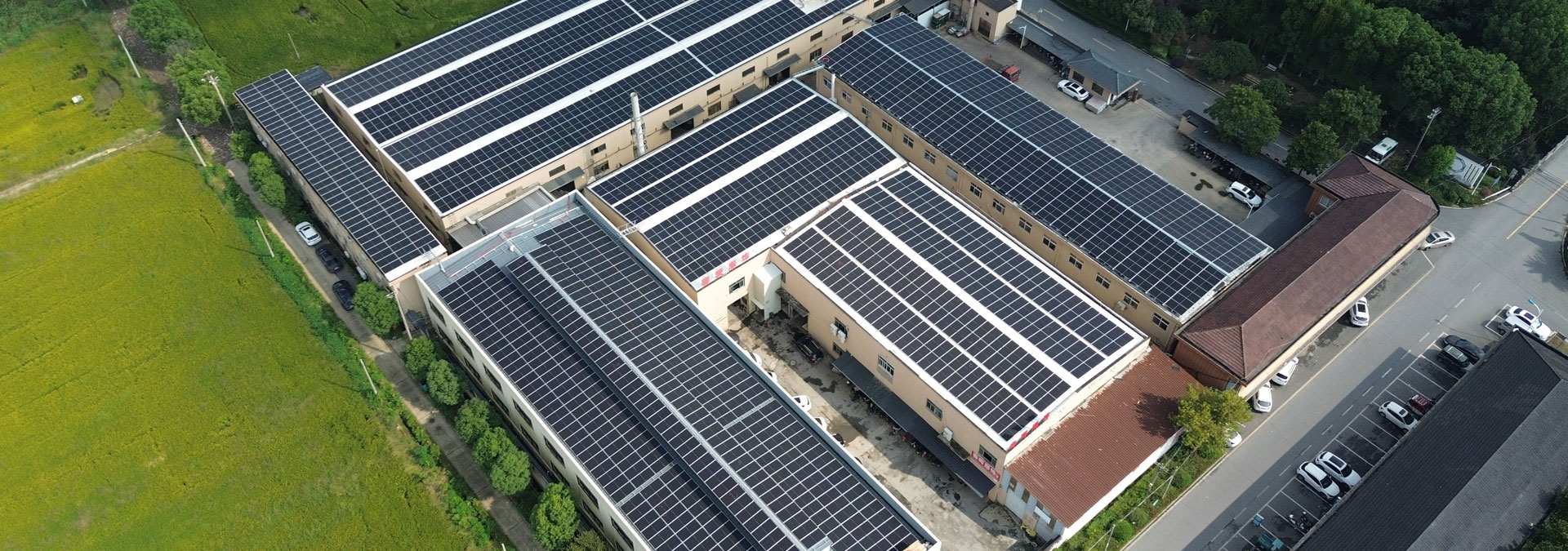
Roofing choices often sit quietly in the background of a building project, yet they influence almost everything above eye level. In global sourcing, China roof tiles manufacturers provide a wide range of options that support different climates, design habits, and construction methods. Among these options, clay tiles, concrete tiles, and metal roofing continue to appear in many procurement discussions.
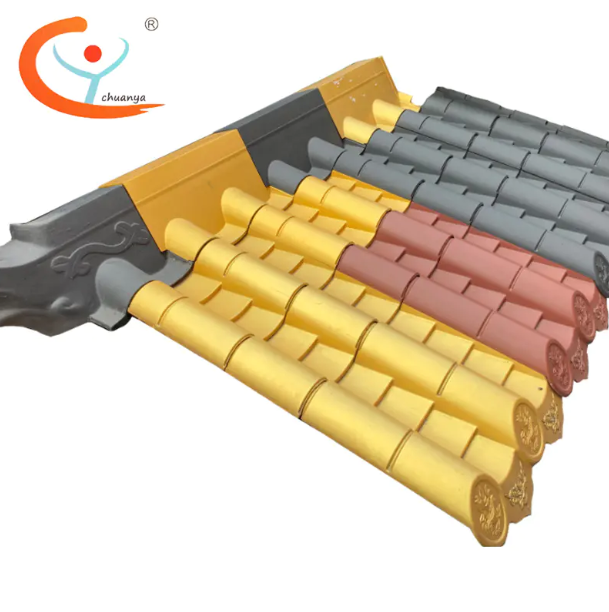
Each material carries its own way of behaving once it is installed. Some feel traditional and textured. Some feel structured and uniform. Others bring a lighter and more continuous surface approach. The differences are not only visual. They affect handling, installation rhythm, and how the roof responds over time.
Why does roofing material choice matter more than it seems?
A roof is not just a cover. It interacts with wind, rain, heat, and even how a building breathes. Once installed, it becomes part of the building's long-term behavior.
In practice, the roofing layer influences more than appearance. It affects how installers work on site, how materials are transported, and how maintenance is handled later. A heavy material changes structural planning. A lighter system changes installation flow.
China roof tiles manufacturers often provide multiple categories because projects rarely share identical conditions. A coastal building and an inland warehouse do not behave the same way under weather exposure. Roofing needs to adjust to that difference.
The selection process is usually less about preference and more about matching real conditions.
What is the working nature of clay roof tiles?
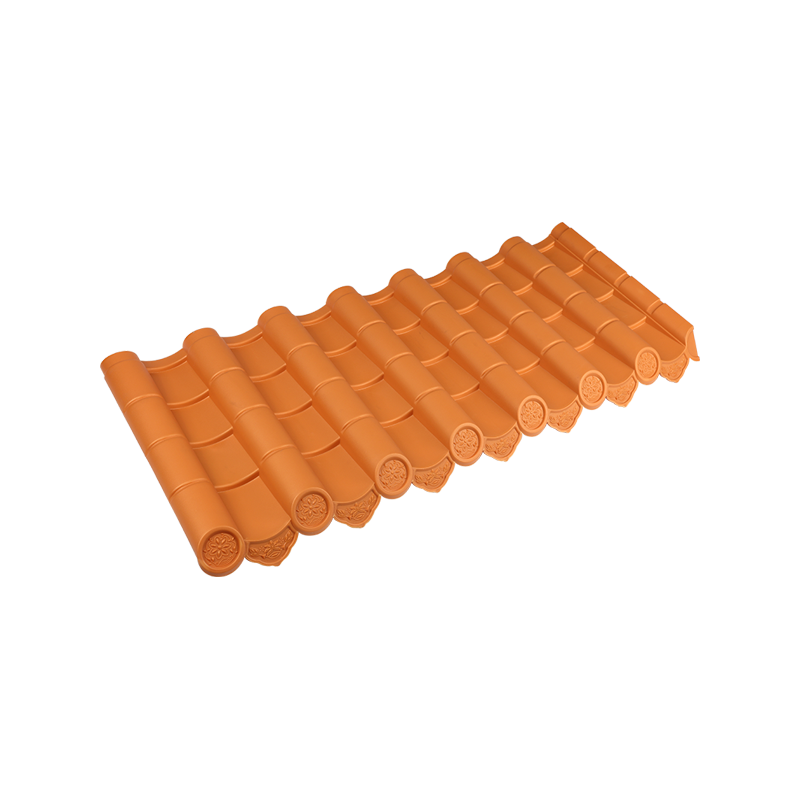
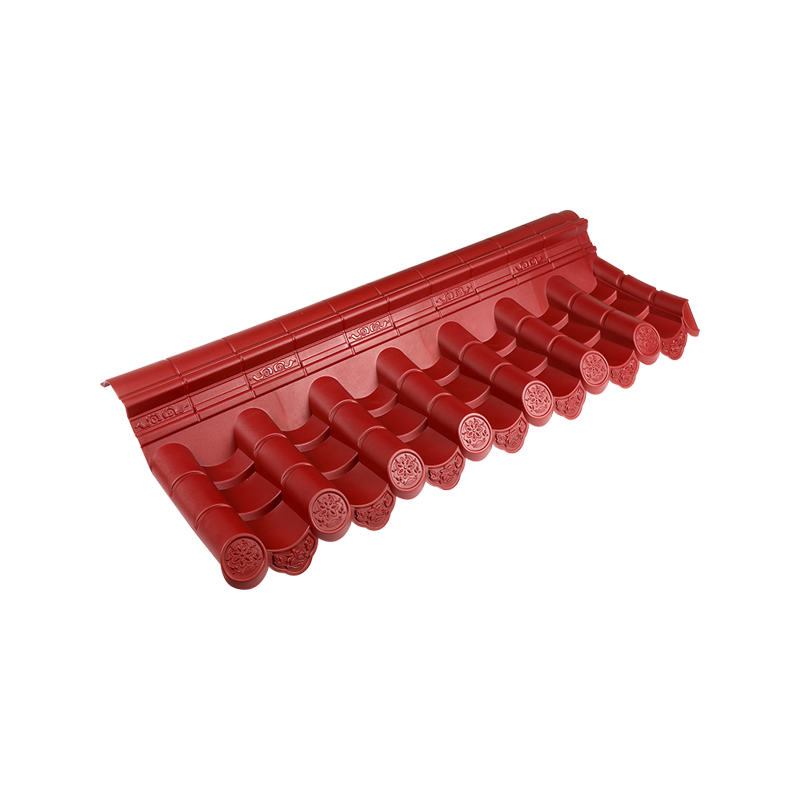
Clay roof tiles are closely connected with long-standing building traditions. They are formed from natural raw material that is shaped and hardened through processing, resulting in a firm and textured surface.
Once placed on a roof, the tiles overlap in layers. This arrangement helps guide rainwater downward. The surface is not perfectly uniform, and slight variation between tiles can be noticed. Some see this as part of its character rather than inconsistency.
Handling clay tiles requires care. Each piece has weight, and the roof structure must be prepared to support it. During installation, workers often move at a steady pace, placing tile by tile to maintain alignment.
Over time, exposure to sunlight and rain may slightly change the surface tone. These changes usually develop slowly and become part of the roof's visual identity.
Clay tiles are often chosen when a more natural or traditional look is expected, especially in residential or design-focused buildings.
How do concrete roof tiles behave in real use?
Concrete roof tiles appear more structured in comparison. They are shaped using a combination of binding materials and solidifying processes, resulting in a more consistent form.
One noticeable aspect is uniformity. The shape and size are more predictable, which helps during installation planning. Roof layouts can be organized in a more systematic way.
Concrete tiles also feel stable once installed. Their weight contributes to how the roof sits on the structure, especially in areas where wind conditions are a consideration.
Surface appearance can vary depending on finishing style. Some surfaces look smoother, while others are designed to resemble more natural textures. This allows flexibility in design direction without changing the base material.
In practical use, concrete tiles are often seen in projects where balance is preferred. Not too traditional, not too modern, but somewhere in between.
What makes metal roofing different from tile systems?
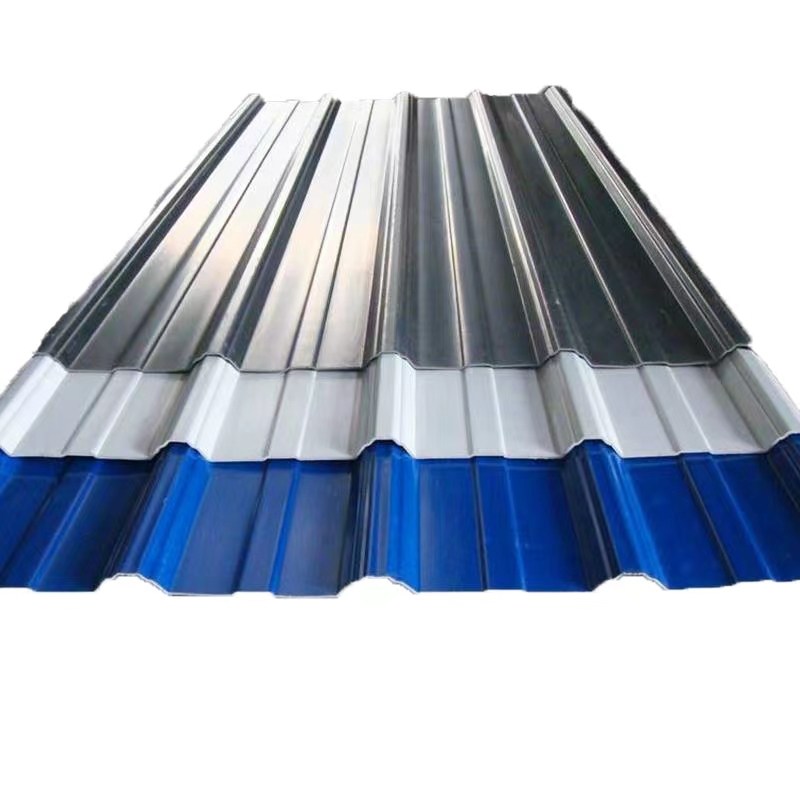
Metal roofing follows a different logic compared with clay and concrete tiles. Instead of individual units, it often uses longer panels that cover larger areas in a continuous manner.
This changes how installation feels on site. Fewer separate pieces are handled, which can make movement across the roof more efficient. However, alignment still matters, especially along edges and connection points.
The appearance is usually more streamlined. Lines feel clearer, and the surface tends to look more uniform from a distance.
Weight is another noticeable difference. Metal roofing is generally lighter, which can influence structural planning before installation begins. In some projects, this allows more flexibility in design.
Temperature behavior is also part of the discussion. Metal surfaces tend to respond quickly to environmental changes. This makes insulation planning an important part of the overall roofing system.
Metal roofing is often seen in industrial, commercial, or long-span structures where simplicity and coverage area matter.
How do these three roofing types compare in practice?
Instead of asking which is better, it is more useful to observe how each behaves under similar conditions.
Practical comparison
| Roofing Type | Handling Feel | Installation Rhythm | Visual Effect | Typical Environment |
|---|---|---|---|---|
| Clay Tiles | Heavier, careful handling | Steady, piece-by-piece work | Natural variation | Residential, traditional-style buildings |
| Concrete Tiles | Structured and predictable | Organized layout process | Balanced appearance | Mixed residential and commercial use |
| Metal Roofing | Light and continuous | Faster surface coverage | Clean and modern lines | Industrial and large-span projects |
This comparison reflects daily working experience rather than theoretical classification.
Why do China roof tiles manufacturers supply multiple material options?
Construction projects rarely follow one pattern. A housing development, a warehouse, and a public facility each come with different expectations.
China roof tiles manufacturers often respond to this by offering different material categories under one supply system. This allows buyers to match roofing behavior with project conditions.
Instead of forcing one material into all scenarios, the supply chain stays flexible. Clay, concrete, and metal roofing each fill a different role depending on design intention and environmental conditions.
This variety also supports international buyers who work across regions with different climates and building practices.
How does installation experience differ between materials?
Roof construction on location involves far more than simply laying covering materials down; the whole job hinges on finding a smooth working rhythm and syncing up every crew member's movements.
When fitting clay roof tiles, work has to proceed at a slow, deliberate speed. Every single tile is set one by one, so installers have to stay focused to line them up neatly and get the overlapping margins just right.
Concrete tile fitting sticks to a more rigid, repeatable workflow. The uniform nature of these tiles lets roofers keep the same laying pattern going even when covering wide roof sections without constant rechecks.
Metal roof panels create a totally different working routine. These big sheets cut down how many separate pieces need to be positioned, yet workers must stay vigilant to keep long panels perfectly straight across the roof plane.
Every roofing material rearranges how labor hours get split up during construction. Certain jobs demand slow, precise placement of small units, while others prioritize fast coverage of extensive roof space to cut project time.
What role does weather play in long-term performance?
No outside factor wears down a roof assembly over the years quite like ongoing weather exposure.
Rainwater runoff acts uniquely on each roof surface design. Tile roofs rely on staggered overlapping layers to channel water away, whereas metal roofing counts on its seamless continuous surface to guide rain toward gutters.
Wind force impacts roof stability based on the material's weight and how it gets anchored. Heavy tile roofs hold themselves in place largely thanks to their own heft and underlayment framework, while lighter Chinese-style Roofing Materials lean entirely on tight fasteners and engineered structural strength to resist lifting.
Swings in hot and cold temperatures also alter how each material performs. Metal sheets expand and contract rapidly whenever temperatures rise or drop, while clay and concrete tiles shift far more slowly because of their dense mineral makeup.
All these constant interactions with natural elements take effect little by little, and collectively decide how well the roof holds up decade after decade.
How does maintenance differ across materials?
Roof upkeep does not always call for regular repairs, yet it remains an essential stage throughout the roof's full service lifespan.
Clay tile roofs only need periodic visual checks to spot slipped tiles or worn outer glaze. If any single tile sustains damage, workers can lift it out and install a replacement without tearing up surrounding sections.
Concrete tiles retain their solid structural shape for many years, but roofers will still scan their outer coating for fading or staining during routine inspections.
For metal roofing, inspections center on the protective surface coating and every seam or screw connection, especially in regions that go through dramatic shifts between hot summers and cold winters.
Most roof maintenance tasks revolve around careful observation rather than rushing to fix damage. Catching tiny signs of wear at an early stage avoids costly, large-scale repair work further down the line.
What should buyers pay attention to when working with China roof tiles manufacturers?
Communication usually starts with project conditions. Roof shape, climate exposure, and building purpose all influence material choice.
Clay tiles are often discussed when appearance and texture are important. Concrete tiles come into consideration when balance and uniformity are needed. Metal roofing becomes relevant when weight reduction and coverage efficiency matter.
Buyers often compare not just materials, but behavior in real environments. How the roof will feel during installation. How it will behave under seasonal change. How it will be maintained over time.
China roof tiles manufacturers typically support this decision process by offering material options that align with different project needs rather than a single fixed approach.
How is roofing material use evolving in global construction?
Roofing continues to follow changes in construction style and project expectations. More attention is now given to installation efficiency, material adaptability, and long-term usability.
Rather than relying on one category, projects often combine different approaches depending on structure type.
Clay, concrete, and metal roofing continue to exist side by side because each still fits certain conditions better than others.
China roof tiles manufacturers remain part of this supply network, supporting a range of materials that reflect different building requirements across regions.

 Email:
 Phone:
 Adress: