



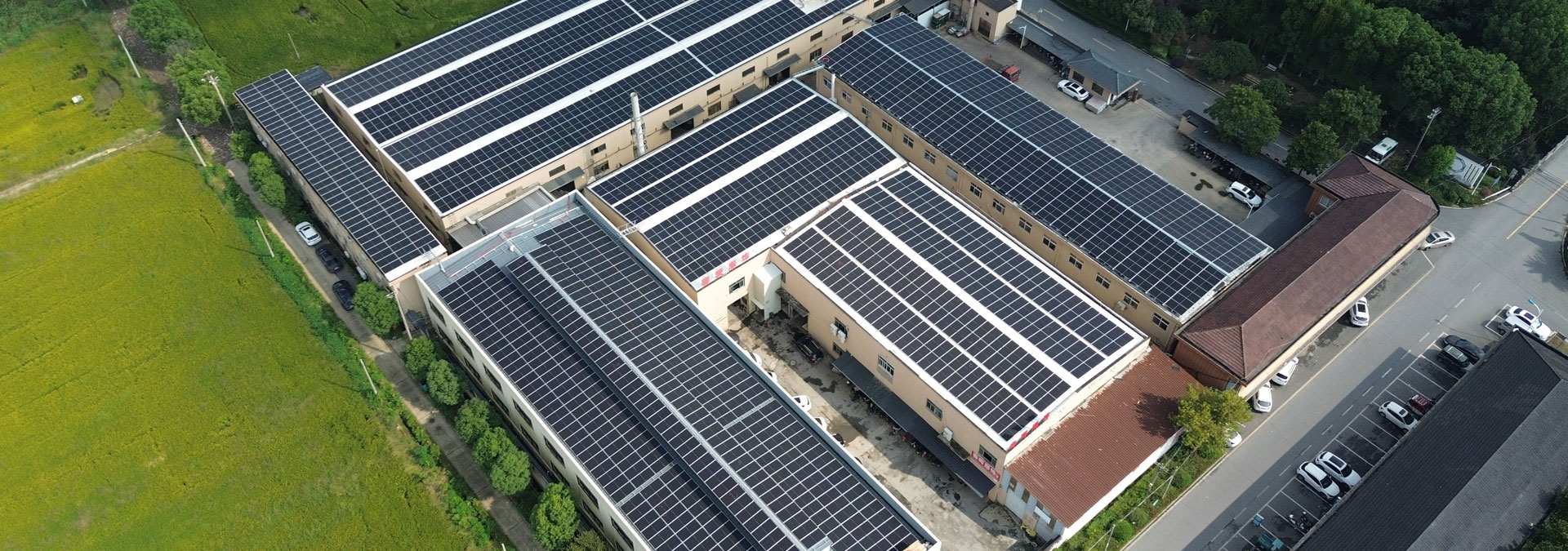
Roofing has been quietly evolving right alongside broader shifts in building preferences. Basic protection from the elements used to be pretty much the whole story for roof materials. Now, a lot of property owners and builders are weighing appearance, upkeep, ease of installation, and long-term value right alongside that core function.
Resin slate roof tiles have carved out a spot in this conversation as one of the newer alternatives showing up in modern construction. Their design flexibility and practical strengths have gotten people talking more seriously about where they actually fit in the broader roofing market.
Traditional roofing materials, of course, have decades — sometimes centuries — of proven use behind them. But construction needs keep shifting, and that's opening the door for newer material options to get a real look. Resin tiles are part of that conversation now, with builders exploring them alongside more established choices across both residential and commercial projects.
The real question here isn't whether resin tiles are going to wipe out traditional materials entirely. It's more about understanding where resin actually fits, and why more people are giving it serious consideration in the first place.
Why Are China Roofing Materials Choices Changing?
A roof does more than just keep rain out — it shapes protection, appearance, and the overall design language of a building all at once. As construction styles keep evolving, so do expectations around what a roof material actually needs to deliver.
Durability and basic function used to dominate most project decisions. These days, plenty of other factors have joined that list.
Property owners often think through:
- Visual appearance
- Material flexibility
- Ongoing maintenance needs
- How well something fits different design styles
- Overall project planning
| Changing Consideration | Influence on Roofing Choices |
|---|---|
| Building styles | Creates demand for different appearances |
| Consumer preferences | Encourages more material options |
| Construction methods | Affects installation choices |
| Long-term planning | Increases interest in practical solutions |
This shift has genuinely opened up room for materials like resin tiles to gain traction — giving projects that need something a little different another real option on the table.
All of this really points to the construction industry chasing a better balance between how something looks and how practical it actually is to build and maintain.
What Are Resin Roof Tiles?
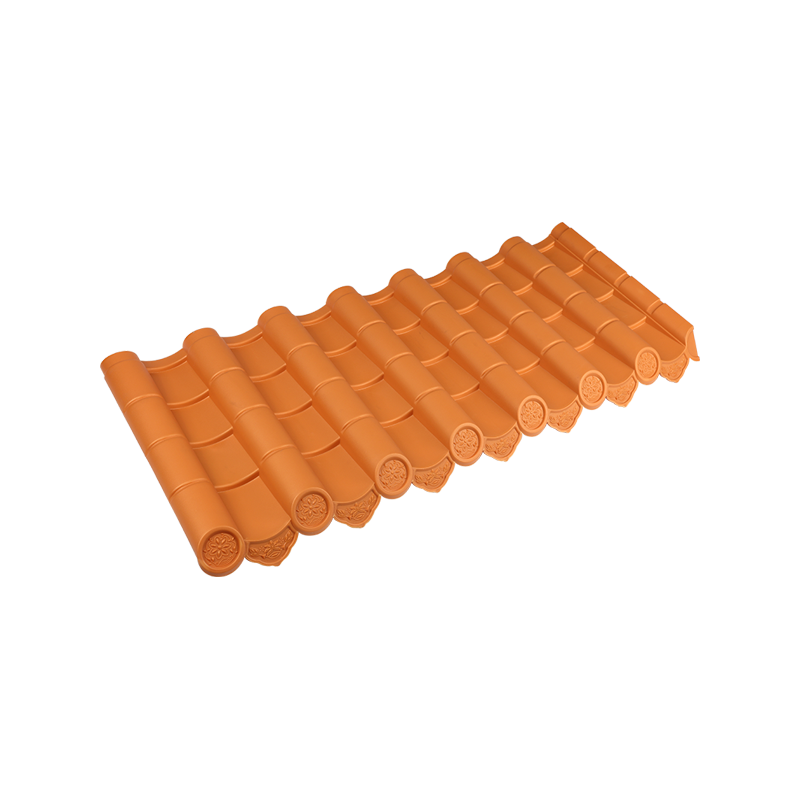
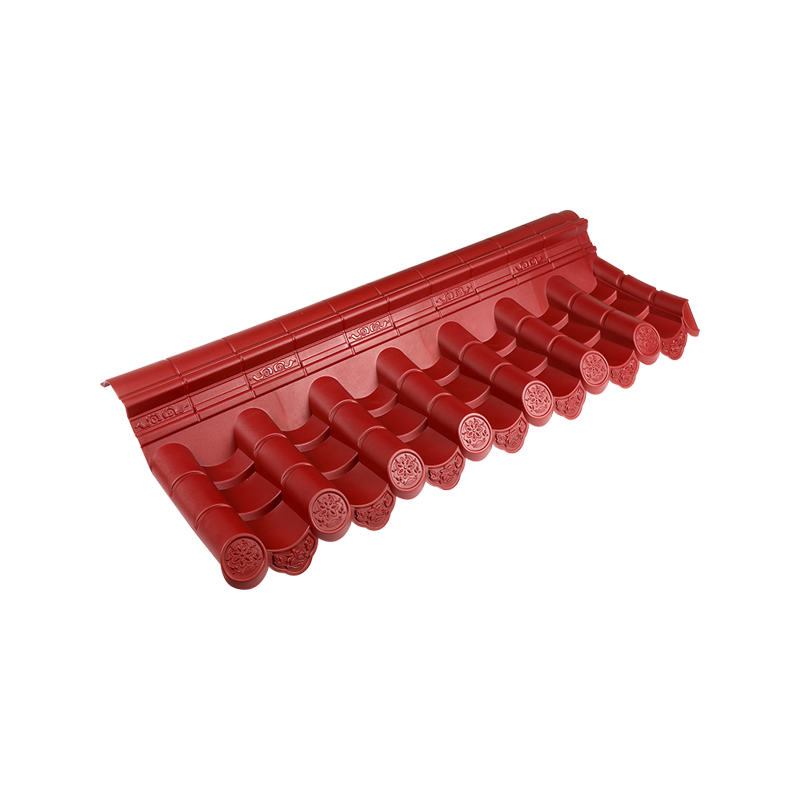
Resin roof tiles are exactly what they sound like — roofing products built from resin-based materials, designed to offer something distinct from what traditional roofing typically provides.
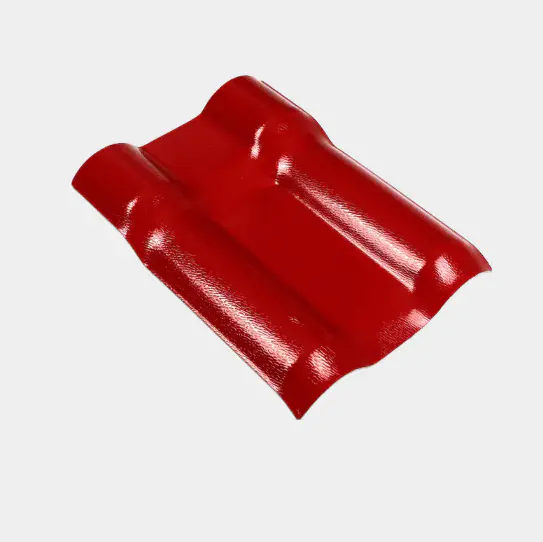
One thing that stands out about them is how well they adapt to different design styles. Their look can be shaped to match a pretty wide range of architectural preferences, which isn't always easy to pull off with more rigid traditional materials.
You'll typically see resin tiles considered for:
- Residential buildings
- Renovation projects
- Decorative roofing applications
- Modern construction designs
| Feature | Resin Roof Tile Consideration |
|---|---|
| Appearance | Supports different architectural styles |
| Material design | Allows flexible product development |
| Application range | Fits various building projects |
| Market use | Provides another roofing option |
The growing interest here really comes down to builders wanting more diverse roofing solutions to pick from. Different buildings genuinely need different things — a material that's perfect for one project might completely miss the mark on another. That's exactly why having more choices on the table actually matters.
How Are Resin Roof Tiles Different From Traditional Roofing Materials?
Traditional roofing materials carry their own set of characteristics, backed by a long track record of real-world use. Resin tiles represent a genuinely different approach, built around more modern material development.
A few areas really highlight the contrast:
| Comparison Area | Resin Roof Tiles | Traditional Roofing Materials |
|---|---|---|
| Design options | Flexible appearance choices | Often connected with classic styles |
| Material approach | Modern resin-based development | Uses established material types |
| Application needs | Suitable for various projects | Depends on material characteristics |
| Consumer choices | Offers another option | Remains common in many markets |
Which one makes more sense really comes down to what a specific project actually needs. Some builders stick with traditional materials simply because they're familiar and well-proven over time. Others reach for resin tiles specifically because they want design flexibility that traditional options can't quite match.
The roofing industry isn't collapsing toward one single "winning" material here — if anything, it's expanding to fit a wider range of needs than it used to.
Can Resin Roof Tiles Improve Modern Building Design?
Appearance carries a lot more weight in construction now than it probably did a couple of decades back. Buildings today are designed with real attention paid to both function and visual identity, not one at the expense of the other.
Roofing makes up a huge chunk of a building's overall exterior look, so the right material can genuinely shift the whole style of a structure.
Resin roof tiles fit into that conversation well, given how much flexibility they offer in appearance.
They tend to come up specifically for:
Residential design — homeowners generally want a roof that actually matches the personality of their home, not something generic bolted on top.
Renovation projects — older buildings often need materials flexible enough to fit an updated design vision without a complete structural overhaul.
Commercial buildings — businesses frequently care about roofing that reinforces a specific architectural identity or brand image.
| Building Type | Roofing Consideration |
|---|---|
| Houses | Appearance and overall style |
| Villas | Design coordination |
| Commercial buildings | Visual identity |
| Renovation projects | Compatibility with existing structures |
Modern construction keeps pushing toward spaces that work well and look good — and that dual demand is exactly what's nudging manufacturers to keep expanding roofing options for architects and builders alike.
Why Are Builders Considering Resin Roof Tiles?
Builders juggle a lot of factors when choosing roofing materials — project requirements, design ambitions, and what the client actually expects, all at once.
Resin tiles have earned attention simply by giving builders another genuinely viable path forward.
A few reasons they keep coming up in these conversations:
Flexible design options — different projects call for different looks, and resin tiles can flex across a wide range of styles without much fuss.
Wide application possibilities — they work across a decent range of building types and construction projects, not just one narrow niche.
Changing consumer preferences — plenty of buyers now want roofing that delivers on both looks and practicality, and resin often checks both boxes.
| Builder Consideration | Importance |
|---|---|
| Design matching | Helps achieve desired building appearance |
| Material selection | Supports project planning |
| Customer needs | Reflects market changes |
| Construction approach | Influences product choice |
The rising use of resin tiles really shows builders are willing to look past the traditional playbook when a project calls for it. Material selection has become a much more deliberate process these days — each option genuinely needs to be weighed against what a specific project actually requires.
Are Resin Roof Tiles Suitable for Sustainable Building Trends?
Sustainable construction has firmly planted itself as a major topic across the building industry. Companies and everyday consumers alike are paying a lot closer attention to material choices and how resources actually get used.
Roofing is very much part of that bigger conversation. What material gets chosen can ripple through construction planning and shape future maintenance decisions too.
Resin roof tiles are getting looked at within this shifting landscape, as manufacturers keep pushing roofing solutions that match where modern expectations are heading.
| Sustainability Consideration | Roofing Impact |
|---|---|
| Material development | Encourages new product approaches |
| Building efficiency | Influences construction decisions |
| Long-term use | Affects replacement planning |
| Design flexibility | Supports different building concepts |
Sustainable construction was never really about picking one magic material anyway — it's a string of decisions running through the whole building process. Resin tiles are just one option among many currently being weighed in that broader picture.
Could Resin Roof Tiles Replace All Traditional Roofing Materials?
Resin roof tiles are getting harder to ignore these days, but wiping out traditional roofing materials entirely just isn't realistic — and probably never will be.
Different roofing materials exist in the first place because buildings genuinely have different needs. That variety isn't going anywhere.
Traditional materials still hold real advantages in plenty of applications, and they remain the familiar, trusted choice for a lot of builders and homeowners alike.
Resin tiles will likely keep gaining ground specifically in situations where their particular strengths line up well with what a project actually needs.
| Roofing Material Choice | Suitable Consideration |
|---|---|
| Traditional materials | Projects requiring familiar solutions |
| Resin roof tiles | Projects needing flexible design options |
| Other alternatives | Special building requirements |
The roofing market going forward is a lot more likely to hold onto multiple material options side by side rather than collapsing into one dominant choice. The rise of resin tiles really just shows the industry stretching to cover a wider range of construction demands than before.
How Should You Choose the Right Roofing Material?
Picking a roofing material takes some real thought. What actually works best comes down to the building type, the design vision, and how the space will get used going forward.
Before settling on a roofing product, it's worth thinking through:
Building style — the roof genuinely needs to complement the structure's overall look, not clash with it.
Project requirements — different buildings call for different material solutions, no way around that.
Maintenance expectations — long-term upkeep needs can steer the decision just as much as looks do.
Design preferences — the visual effect of the roof shapes how the whole building ultimately reads to anyone looking at it.
| Selection Factor | Question to Consider |
|---|---|
| Appearance | Does it match the building style? |
| Application | Is it suitable for the project? |
| Material features | Does it meet the expected needs? |
| Future planning | Does it support long-term goals? |
The rising attention on resin roof tiles really reflects how much the construction market's expectations have shifted lately.
Roofing materials keep developing right alongside modern architecture, and resin tiles are very much part of that evolution — giving builders, designers, and property owners one more genuinely solid option as they figure out what actually works best for their specific project.


 Email:
 Phone:
 Adress: