



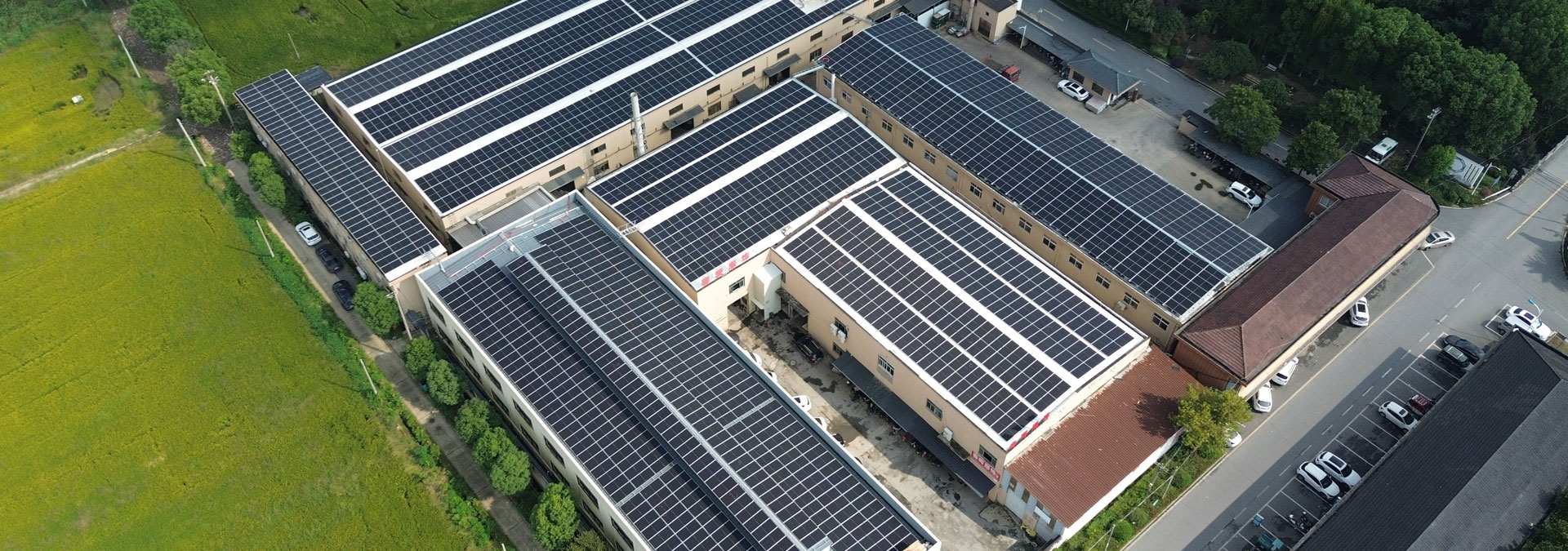
Roofing keeps evolving as modern buildings demand solutions that are a lot more flexible and practical than what worked a generation ago. A roof isn't just a protective cap on top of a structure anymore — it genuinely shapes how a building looks, feels, and functions as a whole.
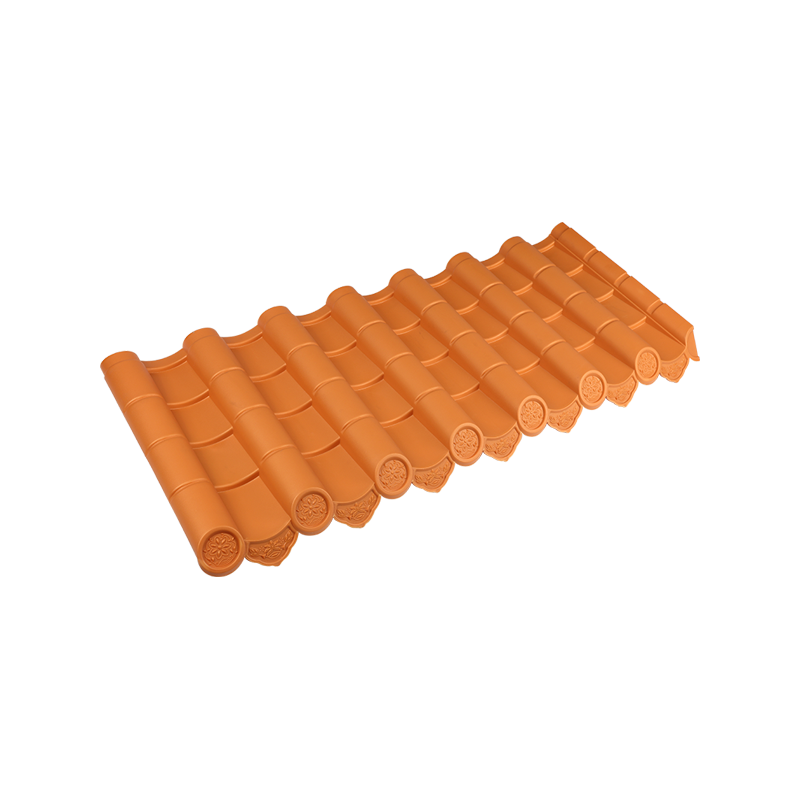
Traditional roofing materials have carried plenty of construction projects for decades, and they're not going anywhere. But shifting customer preferences and newer building concepts have pushed people to look beyond the usual playbook. PVC resin tile have picked up real attention here, offering something a bit different for residential, commercial, and renovation projects alike.
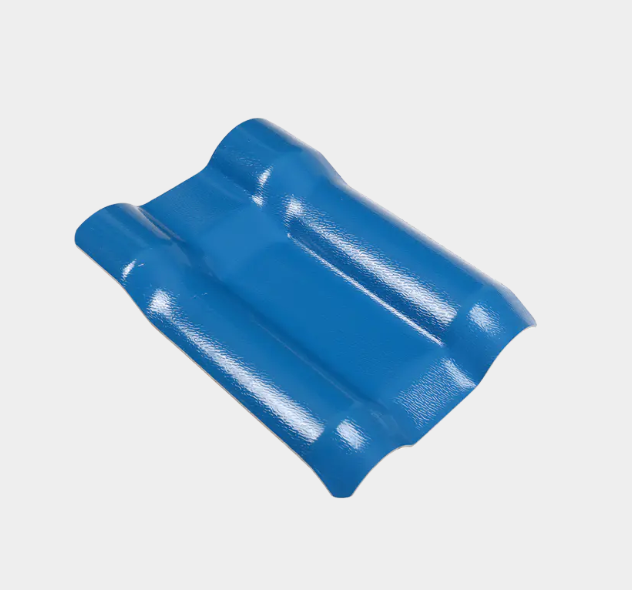
Resin tiles were really built to cover a wide range of roofing needs at once. They combine genuine design flexibility with practical, real-world application — which makes them worth a serious look when planning almost any type of building project.
Why Are PVC Resin Tiles Becoming More Popular in Modern Construction?
The construction industry keeps gravitating toward materials that can actually keep pace with shifting project demands. Durability alone doesn't cut it anymore for builders and property owners — appearance, ease of installation, and long-term use all factor into the decision now.
Resin tiles have earned attention precisely because they offer something beyond traditional roofing products. Their rise really reflects a bigger trend: construction materials are getting more adaptable across different environments and design visions.
A few things are fueling this growing interest:
| Consideration | Influence on Roofing Choices |
|---|---|
| Design needs | Supports different architectural styles |
| Construction planning | Provides more material options |
| Building appearance | Helps create different visual effects |
| Project requirements | Fits various application situations |
None of this means traditional roofing materials are becoming obsolete, though. Different materials still serve genuinely different purposes. What's really happening is the market expanding, as builders keep hunting for solutions that fit their specific projects more precisely.
How Do PVC Resin Tiles Improve Building Appearance?
A roof's visual impact shapes the overall impression a building gives off. Get it right, and it ties together walls, windows, and every other exterior detail into something cohesive.
Resin tiles come in a decent range of styles, letting them bend toward all sorts of architectural preferences — whether a project leans modern or sticks closer to something more traditional.
For homeowners, that often means chasing a roof that feels both comfortable and genuinely attractive. For commercial buildings, roof design can end up folded right into a company's broader brand image and architectural identity.
That flexibility opens up real room for designers to experiment, especially on projects that need to strike a careful balance between how something looks and how well it actually performs.
A building's exterior really tells the story of decisions made way back at the planning stage. Roofing plays a huge role in that story simply because it covers so much visual real estate and shapes the final look more than people often realize.
Can PVC Resin Tiles Provide More Flexible Roofing Options?
No two building projects have identical needs. A small home renovation calls for something completely different from a sprawling commercial structure — and that's exactly where flexible materials earn their keep.
Resin tiles work across a genuinely wide range of applications because of how flexible their design and use actually are.
Common places they show up include:
- Residential houses
- Commercial buildings
- Agricultural structures
- Renovation projects
- Decorative roofing applications
That adaptability is a big reason tiles keep drawing interest across such different project types.
Modern construction really does demand materials that can flex across different design concepts — a single roofing style just won't work for every situation anymore. Having flexible material options gives builders and designers a lot more room to make choices grounded in what a project actually needs, rather than settling for whatever's conveniently available.
Are PVC Resin Tiles Convenient for Roofing Installation?
Installation ease genuinely matters when picking a roofing material. Construction teams think hard about how easily something can be handled and applied on-site before committing to it.
Resin tiles were designed with practical installation front and center, and their characteristics tend to support a smoother build process across suitable applications.
Easier installation tends to deliver a few real advantages:
- Helps construction planning stay on track
- Adapts more easily to different project schedules
- Cuts down on complexity during actual application
- Makes it easier to adjust for different design needs
A roofing material's value isn't purely about how it looks once installed — how it actually behaves during construction matters just as much to the people building it.
Builders weigh a lot of factors before landing on any roofing solution: how the material handles, what site conditions look like, what the building actually requires. Resin tiles fit naturally into that equation whenever their characteristics genuinely line up with what a project needs.
Why Are PVC Resin Tiles Considered a Practical Roofing Choice?
A roofing material's real value goes well beyond how it looks fresh off installation. Property owners are thinking about maintenance, long-term appearance, and future planning right alongside initial cost and look.
Tiles keep coming up in these conversations because they strike a genuinely practical balance between design and real-world application.
They tend to bring advantages in a few key areas:
Design adaptability — buildings come in endless styles, and roofing that can flex to match gives architects and owners a lot more creative freedom.
Maintenance considerations — roofing has to fit into long-term building management, and materials that are easier to maintain make future planning simpler.
Application variety — a material that works across different building types gives construction projects a lot more room to maneuver.
That said, whether tiles are truly the right fit always comes down to the specific environment and project requirements at hand. No roofing material works everywhere, so careful, deliberate selection still matters a great deal.
How Do PVC Resin Tiles Compare With Traditional Roofing Materials?
Traditional roofing materials carry their own history and their own real strengths, and they keep serving plenty of buildings well precisely because of that track record.
Tiles bring a genuinely different set of characteristics to the table. Which one actually makes sense really depends on design goals, building type, and what a project is trying to achieve overall.
Traditional materials tend to appeal to projects chasing classic style and familiar, time-tested solutions. Resin tiles tend to draw in projects looking for something a bit more modern, with different design possibilities on offer.
This isn't really about one material replacing the other across the board. It's about figuring out which option genuinely fits a particular project's needs.
The roofing market keeps expanding precisely because different buildings need different things. Having more choices on the table just gives builders and property owners a better shot at creating plans that actually match their goals.
Could PVC Resin Tiles Support Future Roofing Trends?
Where roofing heads next will keep hinging on shifting construction ideas and evolving consumer expectations. Buildings are getting more personalized by the day, and materials have to keep pace with that push toward customization.
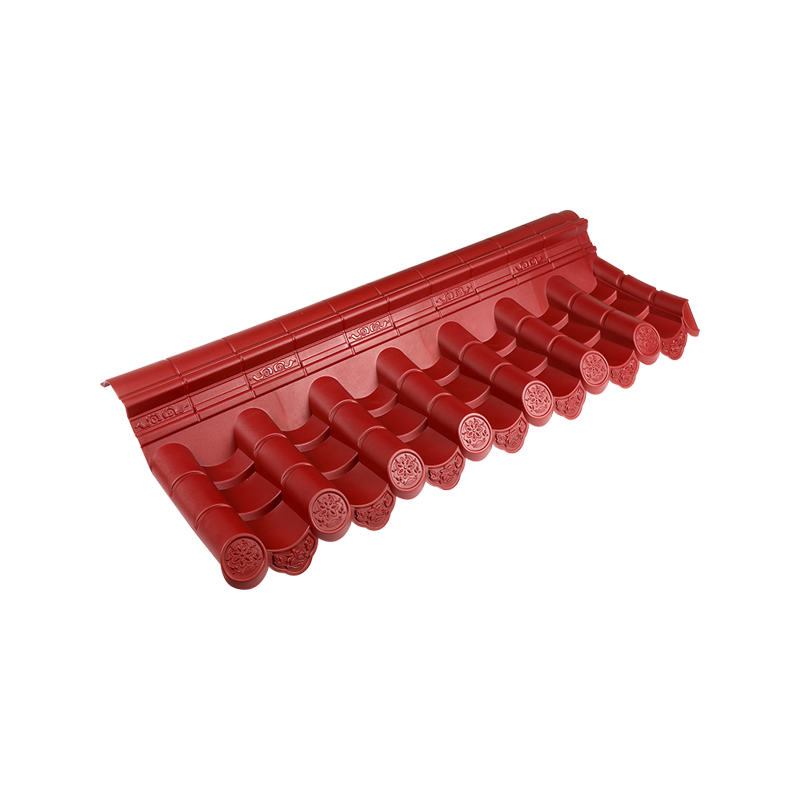
China resin roof tile will likely keep picking up attention as the industry keeps chasing more flexible roofing solutions overall.
A few trends worth watching:
More focus on appearance — modern buildings increasingly blend function with genuine design ambition, and roofing has to support that attractive exterior look.
More material choices — the construction market keeps expanding with new solutions built for very specific applications.
More attention to practical use — builders and owners want materials that actually work under real project conditions, not just on paper.
As these trends keep unfolding, resin tiles are likely to remain part of a much broader lineup of roofing options serving very different kinds of building projects.
What Should You Consider Before Choosing PVC Resin Tiles?
Picking the right roofing material takes real thought — every building has its own needs, and the best choice ultimately comes down to the specific project in front of you.
A few things worth weighing before settling on resin tiles:
Building style — the roofing material genuinely needs to complement the building's overall design.
Application environment — where the building sits and what it's used for can shift what material actually makes sense.
Maintenance planning — future upkeep needs deserve a real seat at the table during the decision-making process, not an afterthought.
Design expectations — the roof's appearance has to align with whatever architectural effect the project's chasing.
Taking time to think this through carefully makes it a lot more likely the chosen roofing material actually delivers what the project needs.
Tiles have earned a real spot in the roofing conversation because they hand modern construction more choices to work with. Their role isn't really to push traditional materials out the door — it's to offer another genuinely solid solution for projects chasing different design and application possibilities.


 Email:
 Phone:
 Adress: