



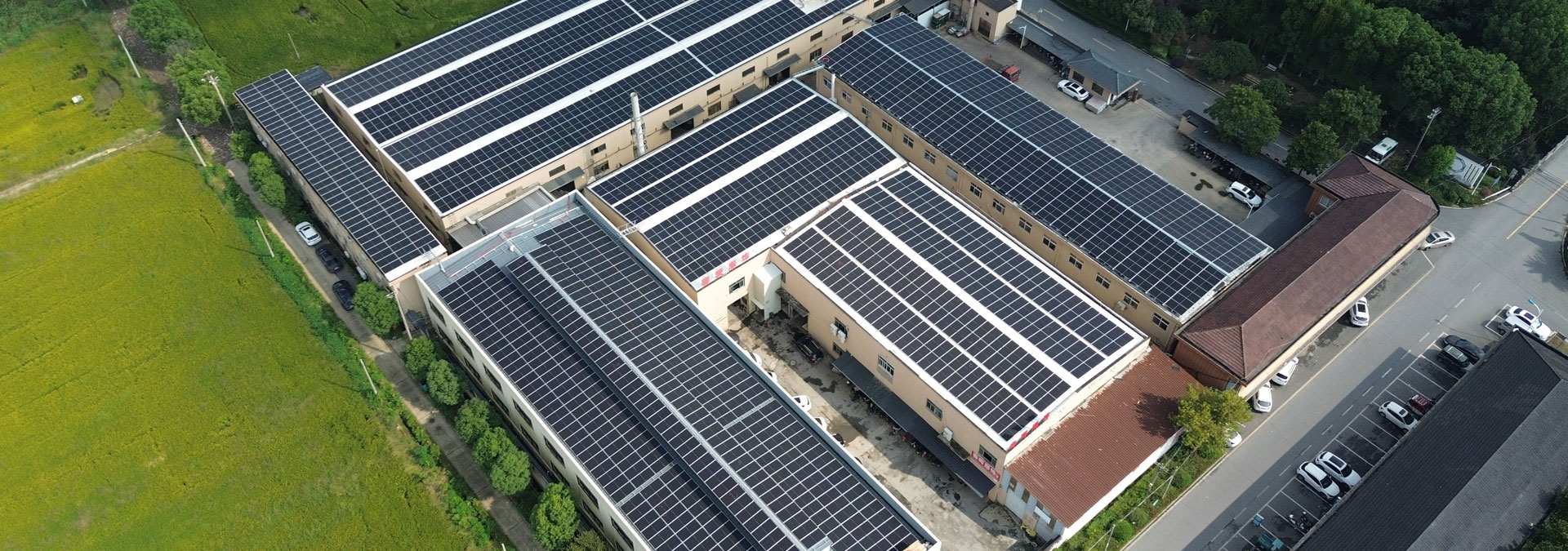
PVC Resin Tile has become a familiar material in modern flooring applications. It appears in indoor spaces, work areas, and light commercial environments. The surface looks simple, and installation often seems straightforward at first glance. That impression can be misleading.
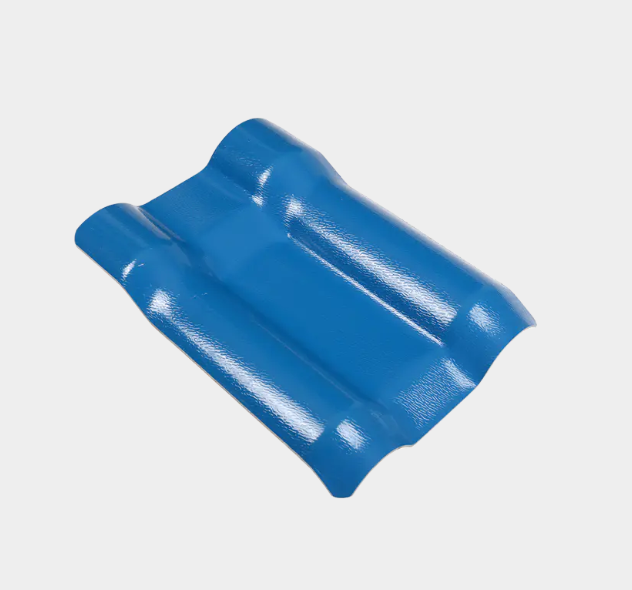
In real use, many performance issues are not caused by the material itself. They come from the installation stage. Small oversights during preparation or placement can slowly affect how the surface behaves over time. These issues may not show immediately. They often appear later as uneven wear, lifting edges, or changes in surface feel.
Industry attention has been shifting toward these hidden factors. The focus is no longer only on material selection. The way the material is installed is now seen as equally important.
Why does surface preparation matter more than expected?
The condition of the base surface plays a quiet but central role. PVC resin tile sits directly on it. Any irregularity beneath the surface will eventually reflect on top.
A common issue is uneven groundwork. At first, it may not be noticeable. The tile may still sit in place. Over time, however, pressure begins to reveal underlying differences. Some areas may feel slightly raised. Others may feel lower underfoot.
Dust and residue are also often overlooked. Even a thin layer of particles can affect how well the tile sits. The connection becomes less stable. Movement during use may slowly increase.
Moisture is another factor. If the base is not fully dry, the material above may respond in unexpected ways. The change is not immediate. It develops gradually, often showing as subtle surface variation.
Preparation is sometimes treated as a simple step. In reality, it sets the tone for everything that follows.
How do uneven surfaces affect long-term stability?
A smooth-looking surface does not always mean a stable one. Small height differences can still exist. These differences may seem minor during installation.
Once the tile is in use, pressure begins to travel through the surface. Walking, furniture movement, and repeated load create constant contact. Areas above uneven sections react differently.
Some parts may experience more stress than others. Over time, this imbalance becomes visible. The surface may show slight bending patterns. Edges may not sit as evenly as before.
These changes are not sudden. They build slowly through repeated use. The material responds to the structure beneath it, not just its own quality.
What happens when installation is done without proper alignment?
Alignment affects both appearance and function. When tiles are not placed in a consistent direction, small gaps or overlaps can form.
At first, these gaps may be barely visible. The floor may still look complete. But daily movement changes the situation. Foot traffic passes through these points again and again.
Edges that are not aligned evenly can begin to shift. A small gap may widen slightly. A raised edge may catch movement and become more noticeable.
This does not only affect appearance. It also changes how the surface feels during use. The floor may no longer feel uniform underfoot.
Alignment is often considered a visual step. In practice, it directly influences long-term stability.
Why does improper spacing lead to visible changes later?
Spacing between tiles is often treated casually. In some cases, it is too tight. In others, it is inconsistent.
When spacing is too tight, the material has no room to respond to movement. Pressure builds along edges. Over time, this can create slight lifting or surface tension.
When spacing is uneven, the surface loses consistency. Some areas may expand slightly more than others during use. This difference becomes more noticeable with time.
Temperature changes also play a role. Even small environmental shifts can affect how the material behaves. Without balanced spacing, these effects become more visible.
Spacing is not only about fitting pieces together. It influences how the surface adapts over time.
How does incorrect handling before installation affect performance?
Before installation, the material is often stored, moved, or prepared on site. These steps may seem unrelated to final performance, but they have an impact.
Rough handling can create early surface marks. These marks may not affect function immediately. However, they can become starting points for later wear.
Improper stacking is another concern. When tiles are placed under uneven pressure, some sections may carry more load. This can influence how they behave once installed.
Bending or folding during transport can also leave subtle stress lines. These lines are not always visible. They may appear later as slight changes in surface behavior.
Handling before installation sets an invisible foundation. Once installed, these early conditions remain part of the material's history.
What role does environmental condition play during installation?
Installation is often carried out in environments that are not fully controlled. Temperature and humidity may vary during the process.
When conditions are unstable, the material may respond differently during placement. It may not sit as evenly as expected. Small adjustments may be required during installation.
Humidity can also influence surface interaction. If the environment is too damp, bonding between surfaces may feel less stable. If it is too dry, the material may respond differently to pressure.
These effects are not always obvious during installation. They often appear later as slight surface inconsistency.
Environmental condition is sometimes seen as background detail. In practice, it quietly shapes the final result.
Can incorrect cutting or shaping cause long-term issues?
In some installation cases, tiles need to be adjusted to fit specific spaces. Cutting and shaping become part of the process.
When this step is not done carefully, edges may lose their smoothness. Uneven edges can create small weak points.
These points may not cause immediate problems. However, during use, they can become areas of repeated contact. Over time, this leads to visible wear.
Poorly shaped sections may also affect how tiles sit next to each other. Small misfits can create uneven lines across the surface.
Cutting is often seen as a finishing step. It actually influences how stable the surface will remain.
Why do installation mistakes often show delayed effects?
One of the most confusing aspects of flooring issues is timing. Problems rarely appear immediately after installation.
China resin roof tile responds gradually. The surface may look stable at first. Movement begins to reveal hidden inconsistencies.
Daily use applies repeated pressure. Walking patterns, furniture placement, and cleaning routines all interact with the surface. Small installation issues become more visible over time.
A slight uneven area may slowly become noticeable. A minor gap may widen. A weak edge may begin to lift.
This delay makes it harder to connect cause and effect. The original installation step may no longer be under observation when the issue appears.
Common Installation Issues and Their Later Effects
| Installation Issue | Early Observation | Later Surface Behavior |
|---|---|---|
| Uneven base preparation | Slight height differences | Visible surface waviness |
| Poor alignment | Small gaps or overlaps | Uneven walking feel |
| Incorrect spacing | Tight or irregular joints | Edge lifting or tension marks |
| Rough handling before use | Minor surface marks | Early wear patterns |
| Unstable environment | Slight placement inconsistency | Surface variation over time |
| Poor cutting or shaping | Irregular edges | Localized wear and weak points |
Which installation areas deserve closer attention?
Some parts of the installation process carry more influence than others.
Base preparation often sets the overall foundation. Alignment shapes the visual and structural flow. Spacing affects movement response. Cutting determines edge behavior. Environmental conditions influence how all these steps interact.
Each factor may seem small on its own. Together, they shape how the surface behaves long after installation is complete.
How do small installation decisions influence long-term appearance?
Many changes in PVC resin tile do not come from sudden damage. They come from small decisions made during installation.
A slightly uneven base. A rushed alignment. A missed cleaning step. Each one adds a subtle influence.
Over time, these small influences combine. The surface begins to reflect them. It may not look dramatically different, but it feels different under use.
The material continues to perform, but its behavior carries the history of how it was installed.

 Email:
 Phone:
 Adress: