



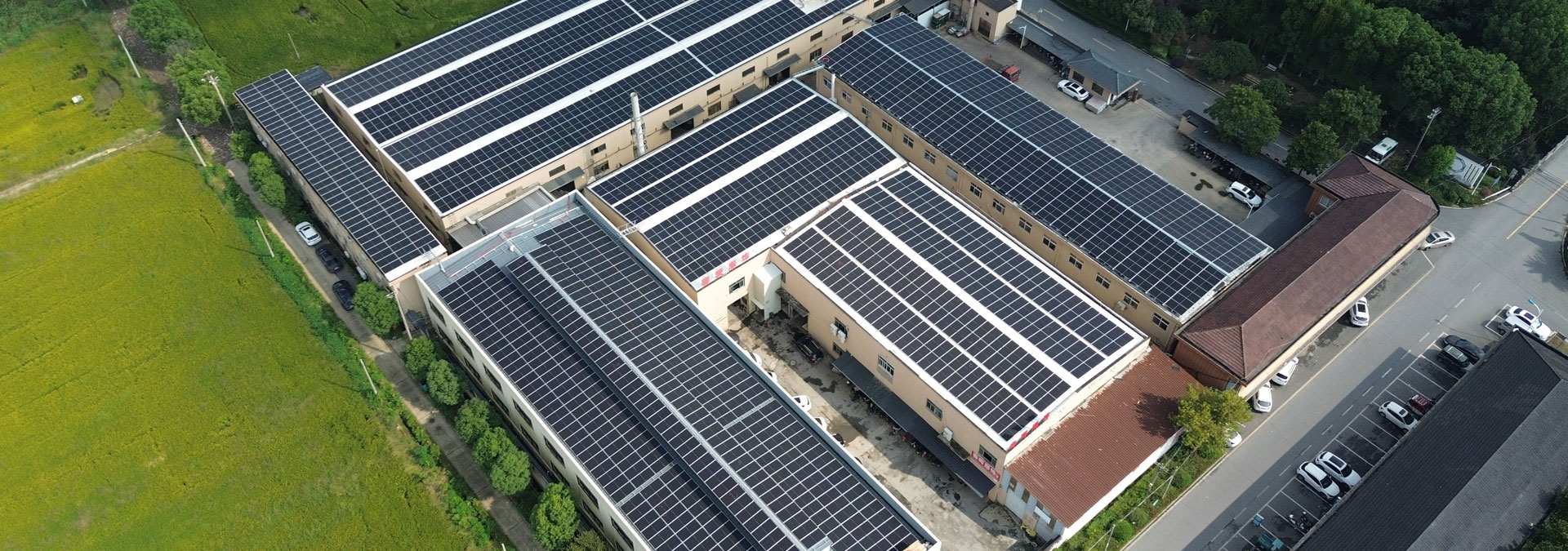
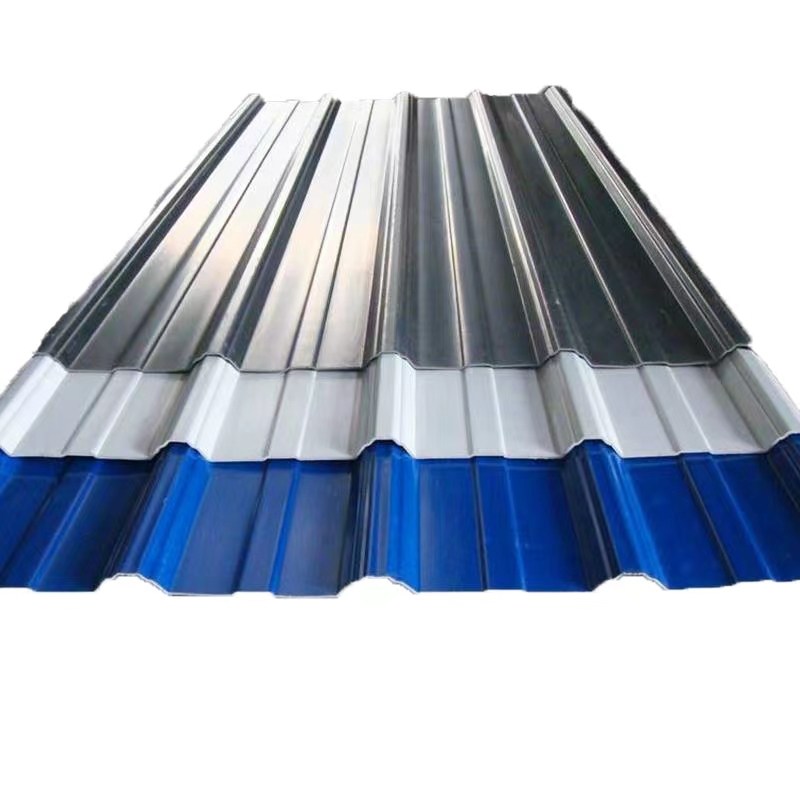
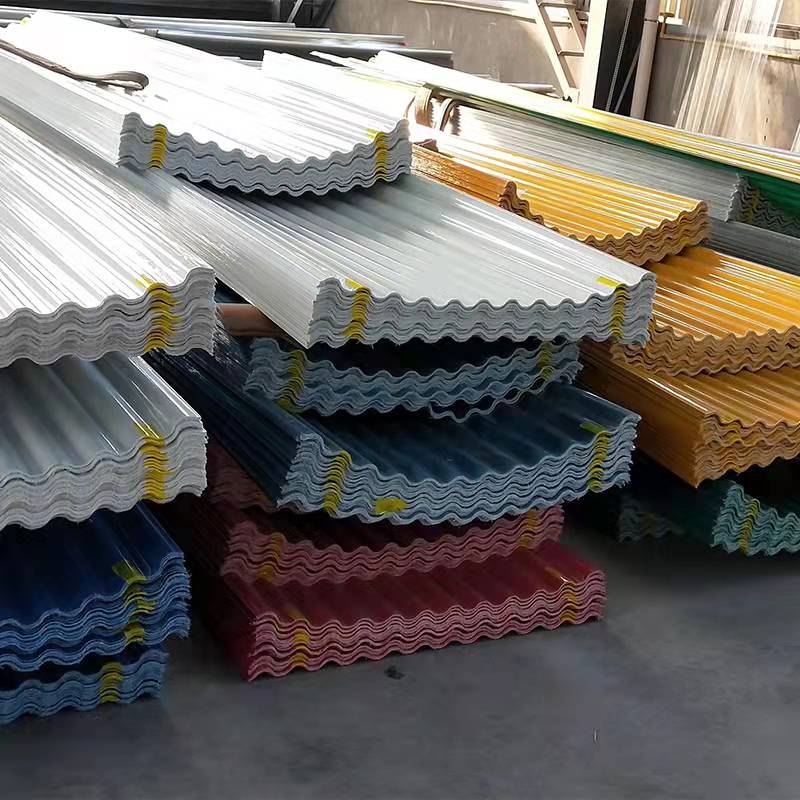
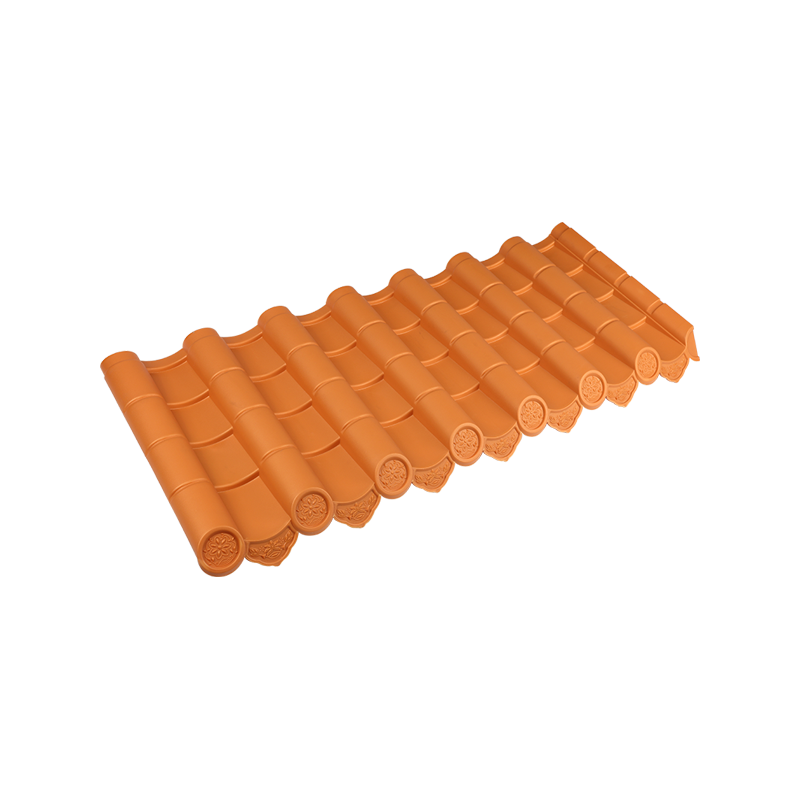
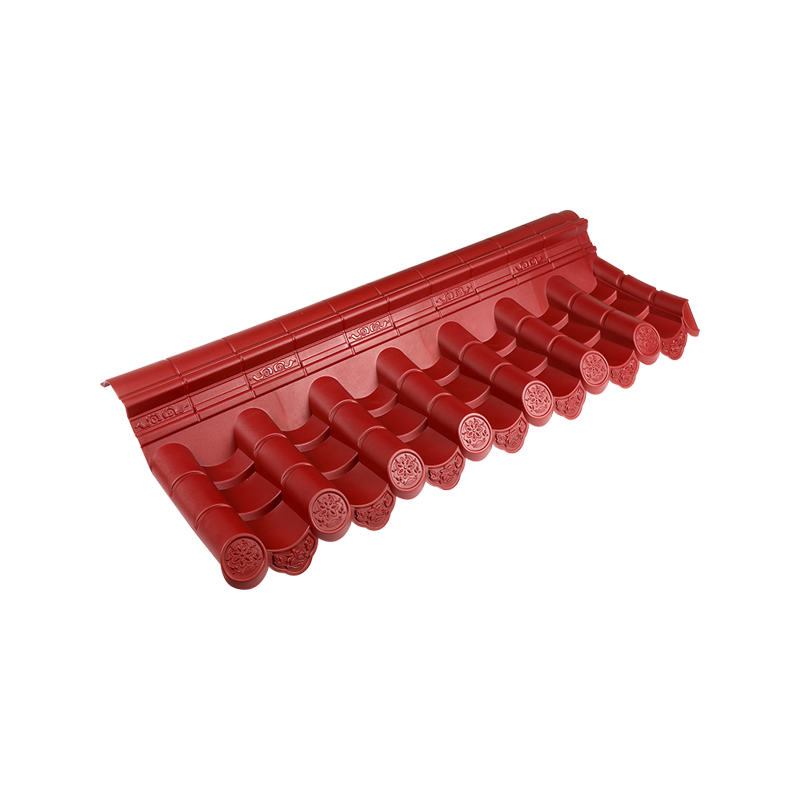
Lightweight conservatory roof tiles for sale is often seen in modern home upgrades and building projects. They bring a softer visual feel to roof structures and are chosen for their easy handling and flexible installation. At first glance, they seem adaptable to many environments.
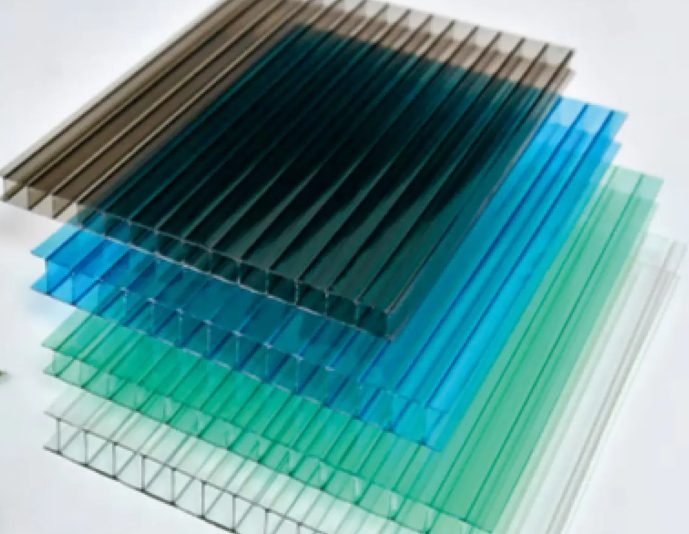
Still, seasonal change is never simple. Sunlight shifts, temperature rises and falls, and moisture levels move up and down across the year. A roof surface has to respond to all of these conditions without losing stability or comfort. This is where long-term behavior becomes more important than appearance alone.
Across recent industry discussions, one question appears repeatedly. Can lightweight conservatory roof tiles perform consistently across all seasons, or do they respond differently as conditions change?
Why do seasonal changes matter for roof materials?
A roof is constantly exposed. It does not get breaks from weather shifts. One day may bring strong sunlight. Another may bring cool air or long periods of moisture. These changes do not stay isolated. They interact with the surface over time.
Lightweight conservatory roof tiles respond quickly to environmental change because of their reduced mass. This can be an advantage in handling and installation. At the same time, it means the material may also react more visibly to seasonal shifts.
Temperature variation is one of the main influences. Warm air can soften surface behavior slightly. Cooler conditions may bring a firmer feel. These shifts are not sudden, but they repeat often across the year.
Moisture is another factor. Rain, humidity, and condensation all interact with roof surfaces. Over time, these interactions shape how the tiles look and feel.
How do lightweight conservatory roof tiles behave in warm seasons?
Hot summer days mean nonstop sun and steep surface heat, which makes all roofing materials expand and shift with temperature changes.
Lightweight roof tiles react noticeably to this heat. Extended sunshine softens them a little and makes the surface more bendable. You might not pick up on this at first glance, yet year after year of heat creates clear wear patterns.
Strong sunlight also alters the roof's look slowly. Parts hit by direct rays fade unevenly, leaving patchy tones across the surface. How much each tile fades depends on its angle and whether nearby areas cast shade.
Dry, warm air stirs up more dust too, letting fine dirt settle thickly on the tiles. Without regular wiping, this grime builds up and dulls the whole roof's finish.
Even if the roof stays structurally sound all summer, hot weather makes it obvious just how much constant sun exposure ages roofing materials over time.
What happens during colder seasons?
Cold seasons introduce a different set of conditions. The air becomes denser. Surfaces tend to feel firmer. Movement in materials slows slightly.
Lightweight conservatory roof tiles may respond with a more rigid surface feel during colder periods. This does not mean failure or damage. It simply reflects how materials react to lower temperatures.
Repeated cooling and warming cycles can create subtle stress over time. The material adjusts between states, especially during transitions between day and night temperatures.
Moisture in cold seasons can also behave differently. Condensation may appear in certain conditions, especially where temperature differences are strong. These small moisture changes can influence surface behavior if they repeat frequently.
Cold weather does not affect appearance immediately. The changes tend to develop slowly across multiple cycles.
Do rainy and humid conditions affect long-term performance?
Rain and humidity are part of most seasonal environments. Roof surfaces interact with them constantly. Lightweight materials often respond quickly to moisture presence.
When rainwater flows across the surface, it may leave behind subtle traces. These traces can build up if cleaning is not regular. Over time, the surface may look less even.
Humidity introduces a slower effect. Moist air can remain in contact with surfaces for longer periods. This does not create immediate change, but it influences how the material ages.
Water movement through roof edges and joints is another area of attention. Even small changes in how moisture flows can influence long-term surface condition.
These effects are not dramatic. They develop quietly and become more visible over extended use.
Can sunlight exposure change the appearance over time?
Sunlight is one of the most constant influences on roof materials. It does not apply pressure, but it affects surface behavior in a continuous way.
Lightweight conservatory roof tiles may gradually shift in appearance when exposed to direct sunlight for long periods. The change is usually uneven. Areas with stronger exposure may behave differently from shaded sections.
This can create a soft contrast across the surface. The difference is not immediate, but it becomes more noticeable over time.
Surface texture may also change slightly. A smoother finish can slowly become less uniform under continuous exposure. This is part of long-term environmental interaction rather than sudden change.
Sunlight does not only affect color. It also influences how the surface feels when touched.
How does daily temperature movement influence structure stability?
Few people notice daily temperature shifts wear on roofing, yet roof surfaces heat up and cool down constantly every single day.
Lightweight roofing materials react fast to these temperature changes. They stretch out when hot and shrink back when cool, repeating this slight movement nonstop.
This back-and-forth shift won't break the roof right away, but it slowly alters the material's condition over years.
Tiny surface adjustments happen over and over. These tiny motions are barely visible, yet they slowly make the roof surface lose its uniform finish long term.
The whole structure stays intact, but its performance gets permanently altered after years of cycling through hot and cold temperatures.
What role does installation quality play across seasons?
The way you fit roofing pieces heavily impacts how they hold up through all seasons. Even high-quality material will react poorly to weather if installed carelessly.
Uneven underlying support leaves some sections expanding and shrinking at different speeds. Over time, this mismatch creates obvious unevenness on the roof.
The gaps laid between tiles also matter. Too-tight or inconsistent spacing leaves no room for the material to shift with temperature changes in summer and winter.
Proper alignment matters too. Small misalignments you can't spot at installation will stand out once seasonal expansion and contraction kick in.
Installation choices aren't just about how the roof looks. They control how temperature stress spreads evenly across the whole roof surface all year long.
Do seasonal changes affect cleaning and maintenance needs?
Cleaning patterns often shift with seasons. In warmer months, dust may accumulate more quickly. In rainy periods, water traces become more noticeable. In colder months, cleaning may happen less frequently.
Lightweight conservatory roof tiles respond to these patterns through surface condition changes. Dirt buildup can affect how light reflects from the surface. Moisture marks may create uneven appearance if left untreated.
Maintenance is not only about cleaning frequency. It is also about timing. Seasonal awareness helps reduce long-term surface change.
Simple routines often include:
- Regular surface cleaning after heavy weather exposure
- Checking areas where water tends to collect
- Observing changes in shading or surface tone
- Avoiding long periods of untreated moisture buildup
These habits help reduce uneven aging across seasons.
How do small seasonal effects build up over time?
Seasonal effects rarely act alone. They repeat and overlap. One season affects the next. Over months and years, this creates a layered pattern of change.
A slight surface dullness may appear after repeated sunlight exposure. Small moisture traces may follow rainy periods. Cold seasons may contribute to subtle firmness changes.
Individually, these changes are minor. Together, they form a visible pattern over time.
The material continues to function, but its surface history becomes visible in small ways. This is often what users notice first after long-term use.
Common Seasonal Response Patterns in Lightweight Conservatory Roof Tiles
| Seasonal Condition | Early Surface Response | Longer-Term Behavior Pattern |
|---|---|---|
| Warm and sunny | Slight surface softening | Gradual visual unevenness |
| Cold conditions | Firmer surface feel | Subtle rigidity cycles |
| Rainy periods | Water traces on surface | Light staining or residue buildup |
| Humid environment | Slow moisture retention | Gradual surface dulling |
| Daily temperature shift | Small expansion and contraction | Long-term surface variation |
Daily temperature shiftSmall expansion and contractionLong-term surface variation
Which seasonal conditions influence visible change the most?
Not all seasonal factors affect appearance in the same way. Sunlight tends to create the most visible surface differences over time. Moisture influences texture and cleanliness patterns. Temperature change affects overall surface behavior more quietly.
Each condition contributes in a different direction. None of them act alone. They combine across seasons, shaping how the roof surface evolves through continuous exposure.
Lightweight conservatory roof tiles remain in place through these changes, but their surface reflects the environment they have experienced.

 Email:
 Phone:
 Adress: