



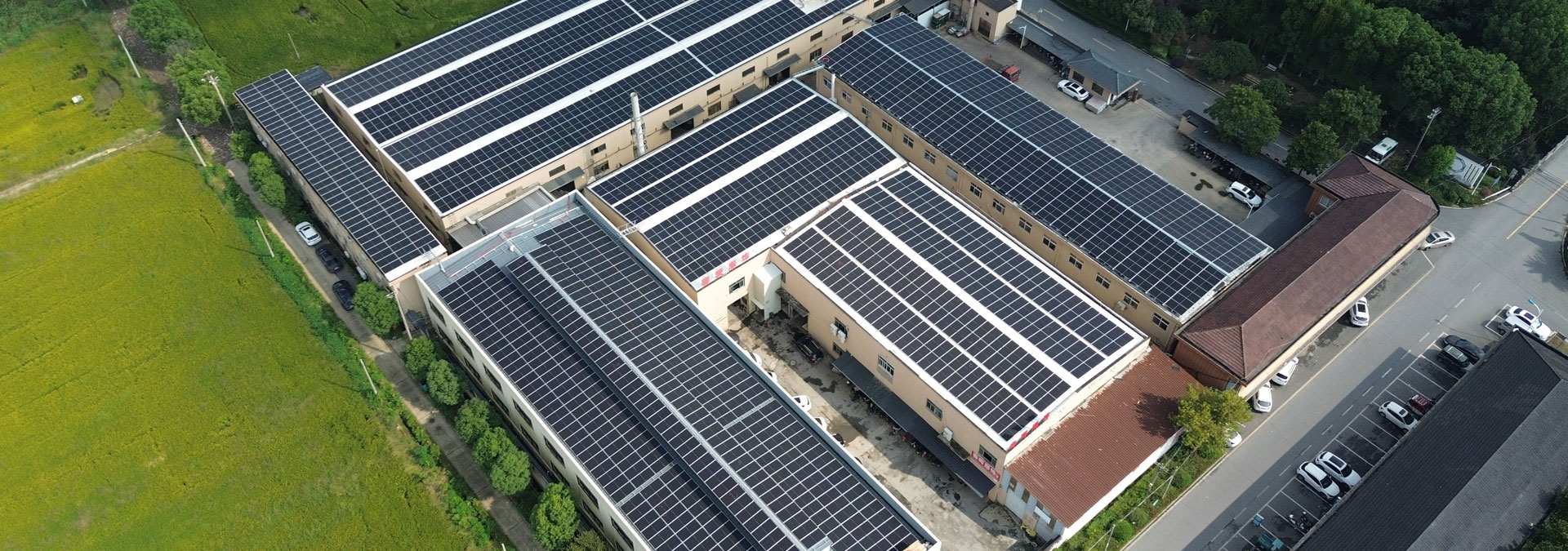
Industrial and commercial roofing projects face many challenges. Weather often dictates the pace of installation. Rain, wind, or extreme temperatures can delay construction, increase costs, and create safety hazards. Roofing materials that allow installation under varied weather conditions reduce downtime. They make project schedules more flexible and minimize disruption to ongoing operations.
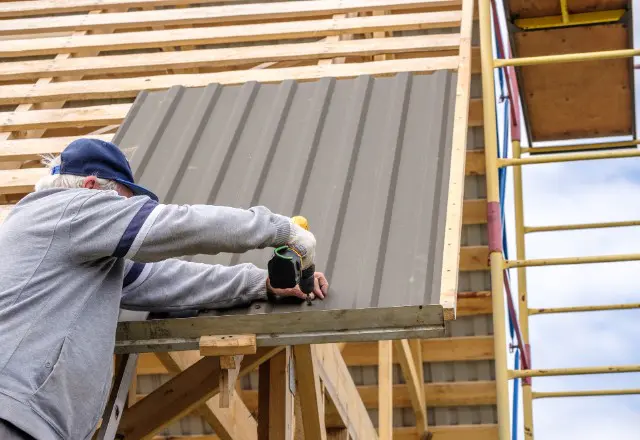
Selecting the right material requires understanding how different roof types react to moisture, temperature, and wind. Some materials are adaptable and quick to install, while others are sensitive to environmental changes. Proper planning ensures durability, efficiency, and safety.
What are some weather-resistant roofing materials?
Some roofing materials have properties that allow them to be installed even in challenging conditions. Their flexibility, weight, and design simplify handling and reduce the risk of damage during installation.
| Material Type | Characteristics | Installation Advantages | Common Applications |
|---|---|---|---|
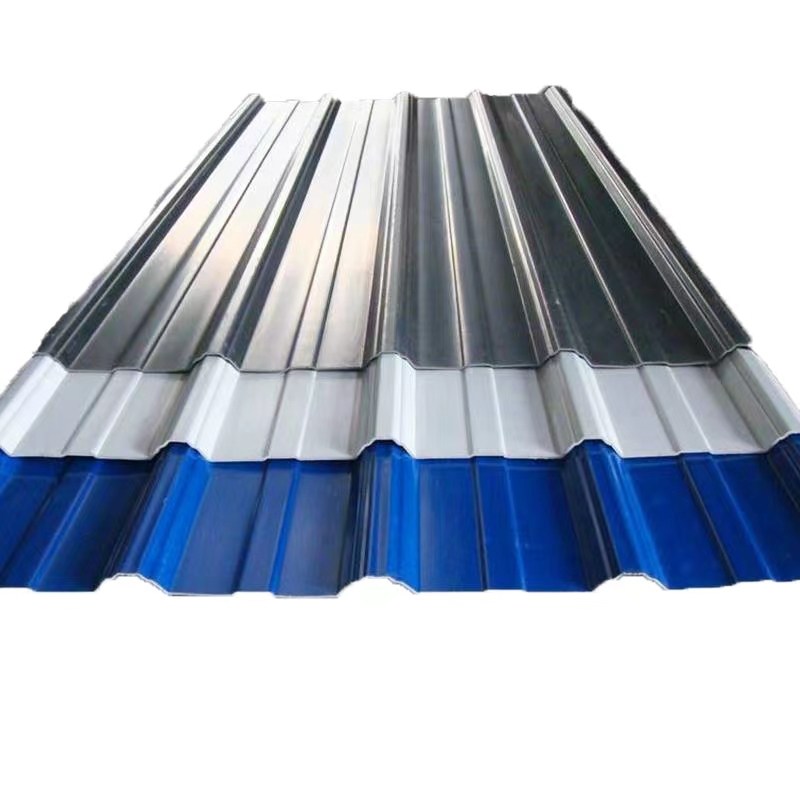
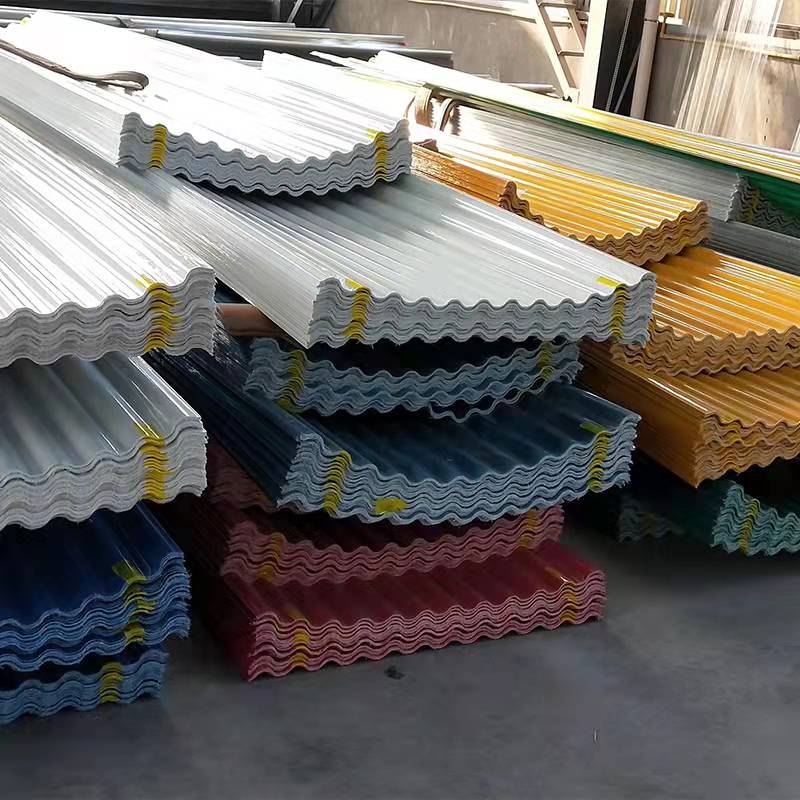
| Metal Sheets | Lightweight, rigid, recyclable | Can be installed in light rain or cold weather | Warehouses, factories, workshops |
| PVC and TPO Membranes | Flexible, water-resistant | Can be applied in wet or dry conditions | Flat roofs, industrial offices |
| Bitumen Rolls | Rollable, adhesive-based | Fast application, some products tolerate moisture | Storage buildings, sheds |
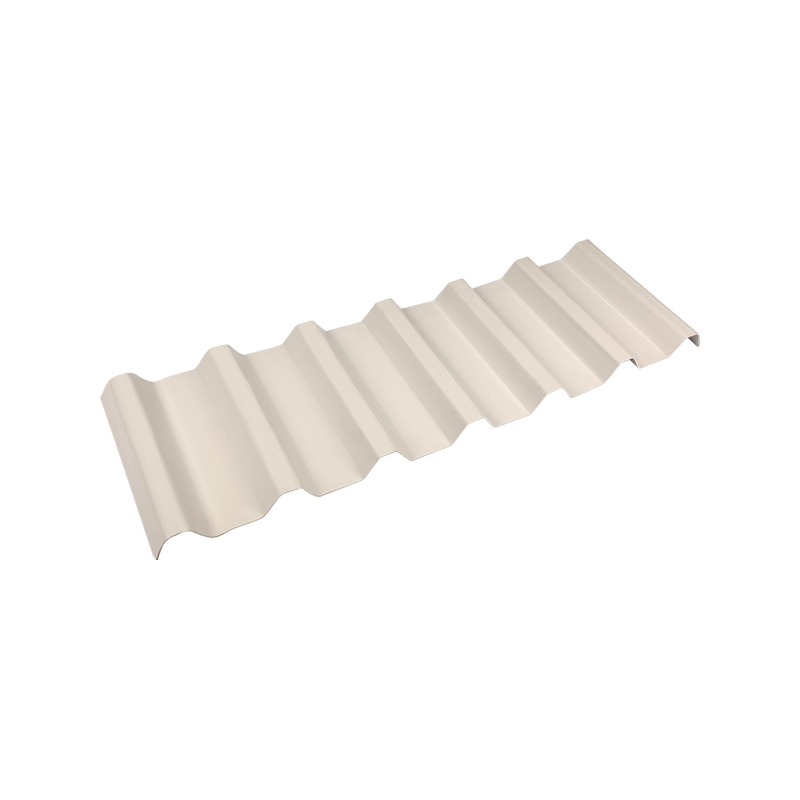
| Interlocking Panels | Modular, snap-fit design | Easy alignment in variable weather | Production facilities, large spans |
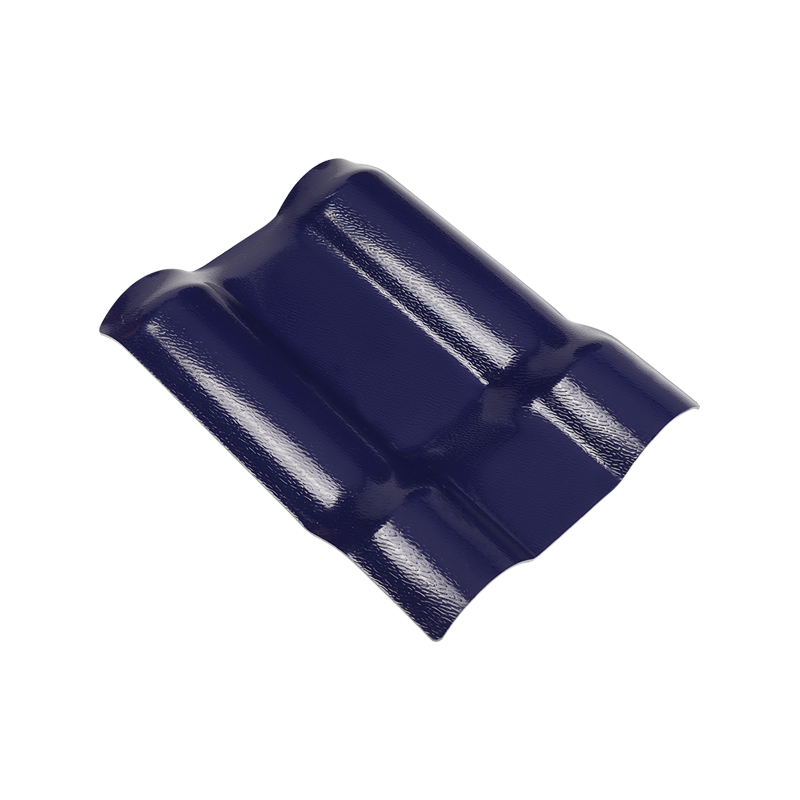
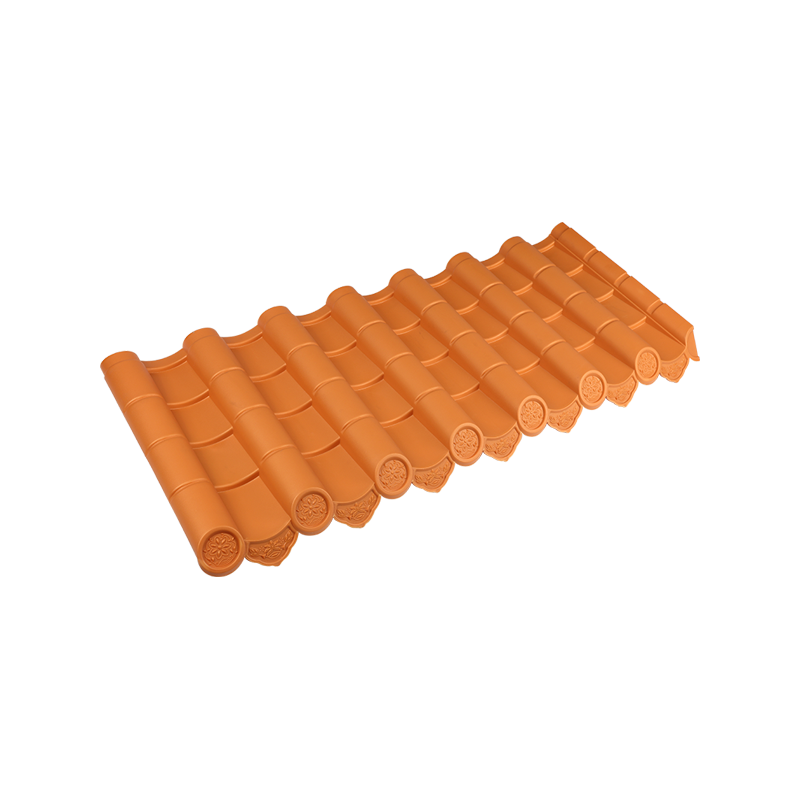
| Synthetic Shingles | Lightweight, flexible | Can handle wind and light precipitation during installation | Office buildings, annex structures |
Each material offers benefits depending on roof design, structure, and project constraints. Lighter options reduce the need for cranes or lifting machinery. Flexible systems tolerate slight surface imperfections, common during wet or cold periods.
Roofing Systems Suitable for Installation in Adverse Weather Conditions
Here are the most weather-tolerant roofing options commonly used in industrial and commercial projects, ranked by their ability to be installed during rain, wind, cold, or damp conditions:
1. Single-Ply Flexible Membranes
- Most forgiving system for poor weather
- Can be installed in light to moderate rain (fully adhered or mechanically fastened)
- Remains flexible in cold temperatures (down to 0°F / -18°C for some products)
- Heat-welded seamscreate watertight bonds even on damp substrates
- Fleece-backed versions tolerate wet surfaces extremely well
- Lightweight rolls are not affected by wind once partially secured
- Ideal for flat or low-slope roofs
2. Metal Roofing (Standing Seam & Exposed-Fastener Panels)
- Excellent choice when speed and all-weather installation are critical
- Panels can be installed in rain — water runs off immediately due to slope and overlaps
- No curing adhesives required (mechanically seamed or screwed)
- Works in cold and freezing conditions (no temperature-sensitive materials)
- High wind resistance during installation (clips and fasteners hold panels securely)
- Small crews can carry and place panels even in gusty conditions
- Best for pitched roofs
3. Torch-Applied or Self-Adhered Modified Bitumen (Mod-Bit) Rolls
- Specifically designed for cooler and damp conditions
- Self-adhered versions require no torches and work down to 25°F / -4°C
- Torch-down can be used in light drizzle if experienced crew
- Immediate waterproofing upon application
- Excellent for flat roofs and details
4. Interlocking Metal or Composite Panels (e.g., insulated metal panels, zippered standing seam)
- Snap-lock or mechanical-lock profiles require no sealants
- Can be walked on and installed in wet or windy conditions
- Very fast coverage — large areas secured quickly
- Minimal exposed fasteners reduce leak risk during installation
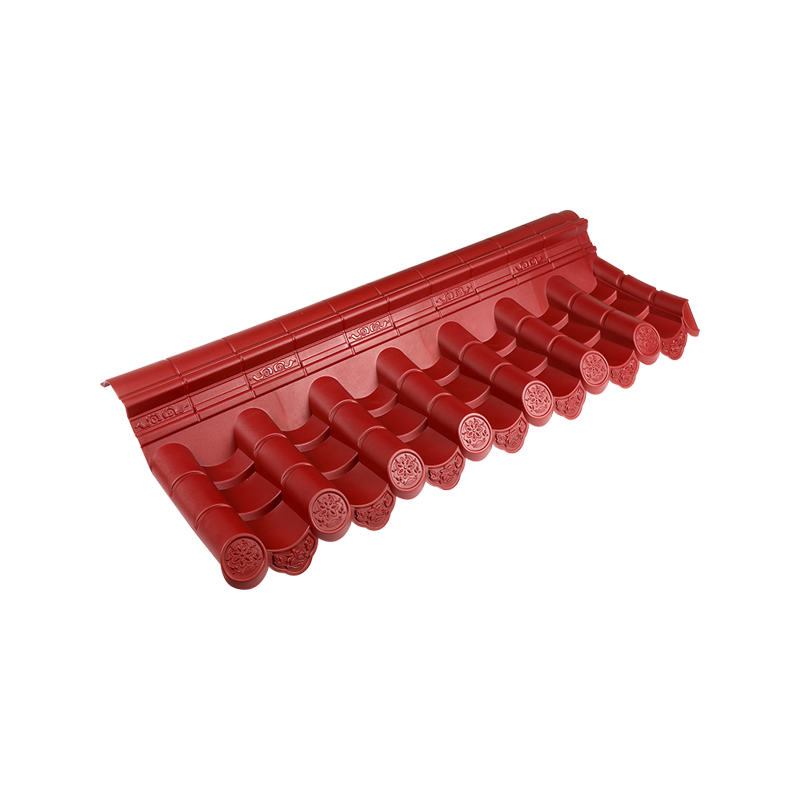
5. Synthetic Polymer Shingles / Slates
- Much more flexible and lightweight than asphalt or clay
- Can be installed in light rain or high wind (nails or clips hold immediately)
- Remain pliable in cold weather (won't crack like asphalt)
- Good option when aesthetics matter but weather is unpredictable
6. Cold-Applied Liquid-Applied Systems (Silicone, Acrylic, Polyurethane)
- True "rain-ready" systems — many can be applied in damp conditions
- Some high-solids silicones accept ponding water minutes after application
- No risk of wind uplift (monolithic coating)
- Best for re-roofing or complex geometries
What installation strategies are effective in all weather conditions?
1. Pre-Installation Weather Window Planning
Monitor 72-hour hyper-local forecast.
Identify 2–4 hour "installable windows" even on bad-weather days
Schedule the most weather-sensitive details (flashing terminations, sealants) during the best window.
2. Substrate Management in Wet/Cold Conditions
Sweep standing water; use air blowers or propane tigers to flash-dry deck.
Accept slightly damp concrete or existing membranes with fleece-backed TPO/PVC or self-adhered mod-bit.
Install temporary walk pads or plywood over wet insulation boards to prevent compression.
3. Rapid-Deployment Sequencing
"Lead edge first" rule: Always secure the leading edge of every roll or panel within 60 seconds of exposure.
Work in 100–150 ft² "bite sizes" — fully complete and waterproof each section before moving.
On metal roofs: Start at the eave and work uphill in rain so water never runs under unfinished panels.
4. Wind & Material Control Tactics
Stage only 15–20 minutes of materials on the roof at a time.
Use weighted sand snakes or strap-down racks for metal panels.
Clip or screw every panel immediately — never leave loose sheets.
For membranes: Partially unroll and ballast with sandbags or insulation boards until ready to adhere/weld.
5. Crew Organization for Speed & Safety
Minimum crew size for adverse weather:
Metal standing seam: 5–6 person crew
Fully adhered TPO/PVC: 7–8 person crew
Mechanically attached: 4–5 person crew
Assign dedicated "weather runner" to monitor radar and call stop/work in <3 minutes if lightning or gust front approaches.
6. Temporary Protection & Phased Waterproofing
Install 30–60 mil temporary roof membrane or ice-and-water shield on critical areas the day before forecasted heavy rain.
Use shrink-wrap or reusable tarps with sandbag anchors only as last resort.
7. Cold-Weather Specific Techniques
Store rolls and adhesives in heated trailers.
Use cold-process adhesives or induction-weld plates for PVC/TPO down to 0°F.
Pre-heat metal panels with propane rosebuds in sub-freezing temps to prevent condensation under panels.
8. Integration Details That Survive Weather Delays
Termination bars and metal counterflashings: Install the same day as membrane to prevent wind peel.
Pipe penetrations: Use pourable sealer pockets or pre-molded split boots instead of field-fabricated pitch pans when rain is imminent.
Drains: Install clamping rings and strainers immediately after membrane — never leave open sumps overnight.
Why choose Chuanya's Easy-to-install Roofing Materials?
Construction projects face many challenges, from unpredictable weather to tight schedules. Choosing the right roofing material can make a major difference in efficiency, safety, and cost. Chuanya's easy-to-install roofing systems are designed to meet these real-world needs, allowing crews to complete roofs faster, safer, and more reliably.
Built for All Weather Conditions
Weather often dictates the pace of a project. Rain, wind, or cold temperatures can delay installation and increase costs. ChuanYa's roofing systems are engineered to be installed in light rain, strong winds, and near-freezing conditions without interrupting work. This flexibility ensures that projects remain on schedule, even when the weather is less than ideal.
Lightweight Yet Robust Materials
ChuanYa's membranes and panels are lightweight, which reduces the need for heavy machinery or large crews. Despite their low weight, the materials remain strong and durable. Small teams can handle each sheet or roll with ease, simplifying installation and improving safety on site.
Quick and Reliable Installation
Efficiency is key. Every sheet or roll is designed for rapid fastening. Mechanical methods or hot-air welding create instant waterproofing, without waiting for curing. Within seconds, the roofing system is secure, reducing the risk of wind lift and weather-related delays. This approach ensures a fully watertight roof on the same day of installation.
Benefits of Chuanya's Quick-Install Systems
- Reduced Labor Costs: Smaller crews can complete large areas faster.
- Instant Waterproofing: No curing time, no exposure to leaks during installation.
- Safety During Installation: Lightweight panels and minimal prep reduce hazards.
- Weather Resilience: Can be installed in rain, wind, or cold conditions.
- Reliable Performance: Backed by 20–30 year warranties.
Versatility for Different Projects
Chuanya's roofing systems are suitable for a variety of industrial and commercial buildings. Whether it's warehouses, factories, or production facilities, the panels and membranes adapt to different roof structures and layouts. Their modular design allows for efficient coverage of large spans, minimizing installation errors and improving overall project quality.
Long-term Value
Choosing a roofing system is about more than installation speed. Chuanya's materials provide durable protection for decades. The combination of robust materials, quick installation, and comprehensive warranties ensures long-term reliability and peace of mind. Reduced labor requirements and fewer weather delays also translate into cost savings, making it a practical choice for construction teams.

 Email:
 Phone:
 Adress: