



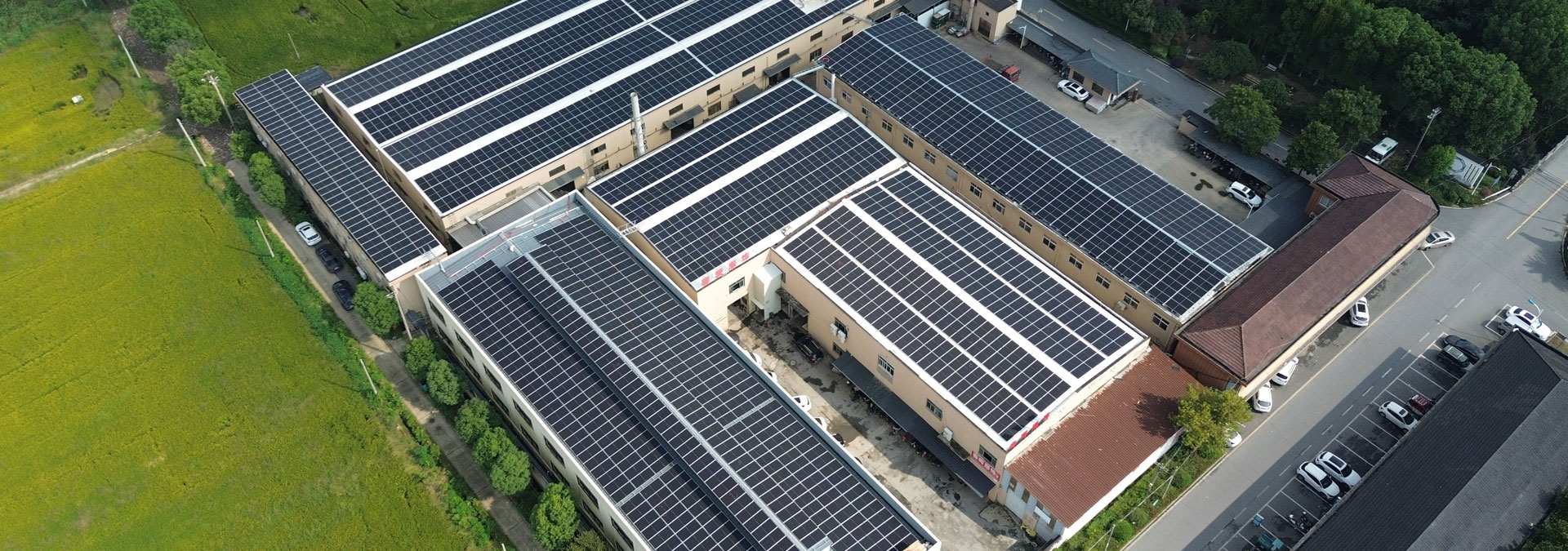
Chinese Roof Tiles shape the skyline of Chinese buildings, from quiet villages to bustling cities. They carry forward a sense of history while meeting today's demands. Modern choices in materials allow builders to adapt to different settings, climates, and styles.
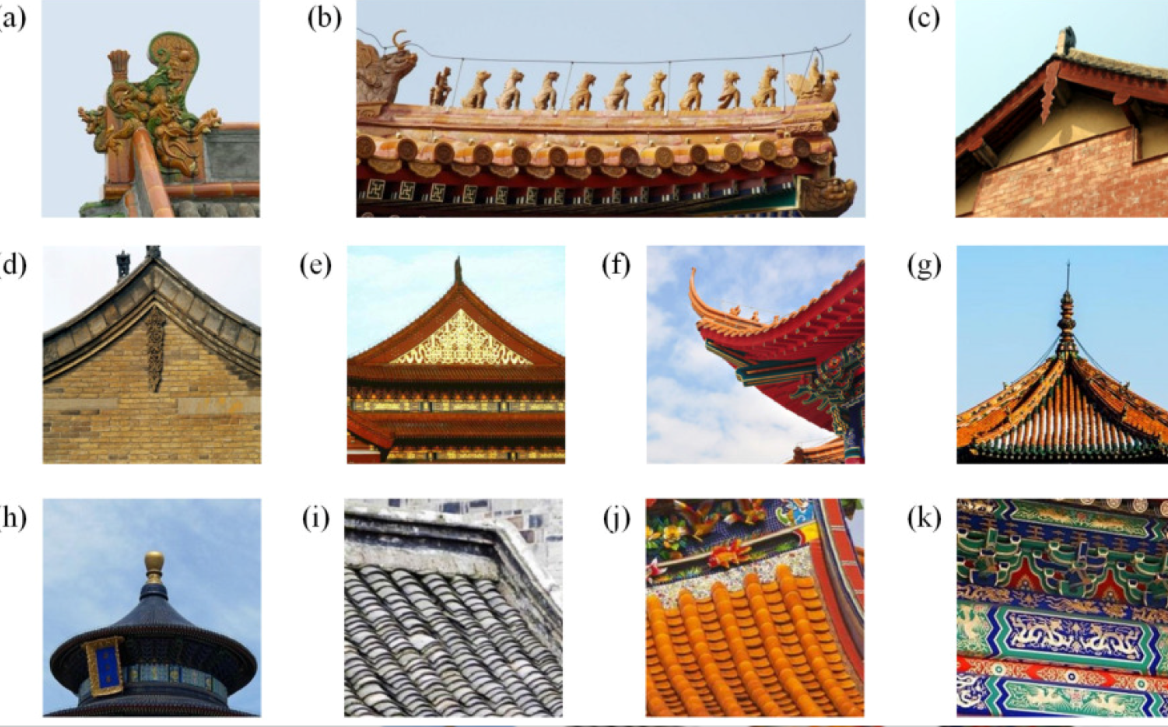
How Have Chinese Roof Tile Materials Evolved?
Material choice has changed gradually due to:
- Urban development: Preference for lightweight, standardized tiles in cities.
- Climate considerations: Resistance to humidity, heat, and seasonal changes.
- Visual continuity: Keeping traditional appearances in modern buildings.
- Construction efficiency: Easier installation for large projects.
Modern materials reflect both heritage and practical needs rather than drastic departures from tradition.
Why Do Clay Tiles Remain Popular?
Clay tiles connect directly to longstanding traditions. Workers mix natural earth with water, shape it, and fire it in kilns. The result is a solid piece with a warm, matte surface. These tiles often curve gently, fitting sloped roofs.

They appear frequently on homes and cultural structures. The natural tones blend into surroundings. Clay handles rain and sun without much change. Its weight provides stability, though it needs strong underlying supports.
Considerations: Heavier, requires careful handling during installation.
Why have cement tiles and concrete tiles become common choices?
Concrete offers a reliable option for broader projects. Cement binds aggregates into molds, forming uniform shapes. Pigments can adjust the color to fit needs.
Developments and larger homes use them often. The material pairs easily with modern frames. It provides steady coverage and holds up in varied weather.
Considerations: Less aesthetic variation than clay or ceramic tiles. Slightly heavier than cement or clay tiles.
Why Are Glazed Tiles Used in Modern Projects?
Glazed tiles retain their decorative and symbolic function.
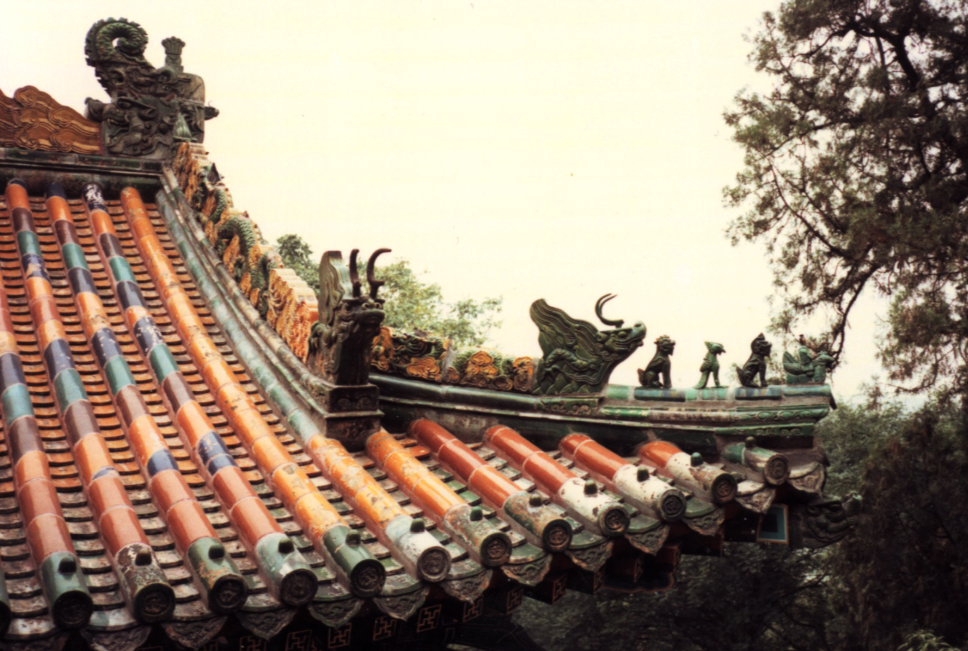
Appearance: Glossy surface, vibrant colors.
Usage: Public buildings, restoration, and cultural projects.
Advantages: Strong visual identity, emphasizes traditional symbolism.
Considerations: Production is specialized; cost is higher, so use is selective.
How Do Ceramic Tiles Offer a Refined Look?
Ceramic builds on clay but with finer control. The material goes through higher heating, creating a smoother finish. Colors stay even, and some versions add a light glaze for subtle shine.
These suit urban homes and villas. The clean look makes upkeep simple—just a rinse now and then. Ceramic resists moisture well, useful in damp regions.
Considerations: Less rustic than traditional clay tiles.
What Are the Benefits of Composite and Synthetic Tiles?
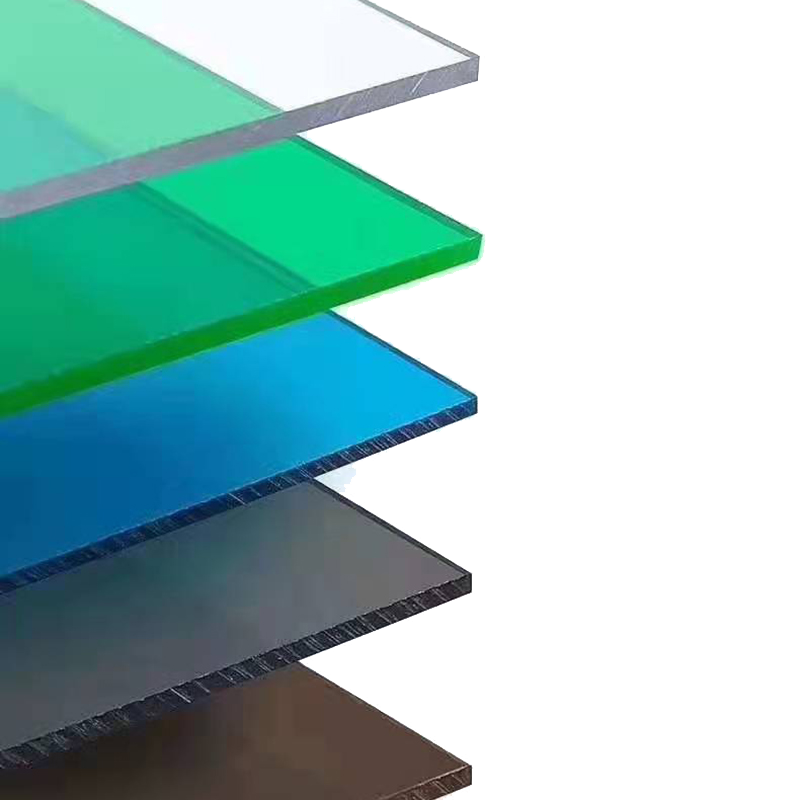
Composites mix resins or polymers to create flexible pieces. They imitate traditional curves and surfaces without the full weight.
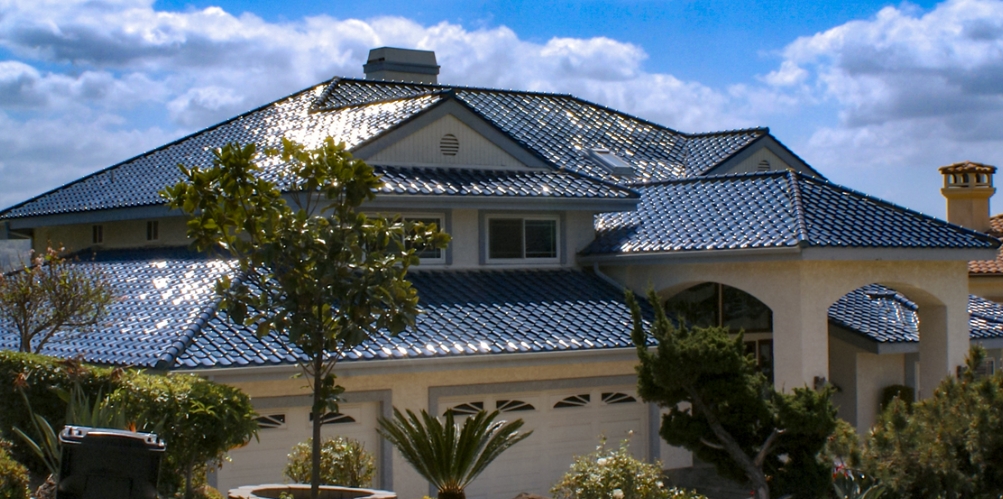
Renovation work and new eco-minded projects turn to them. Handling is straightforward, and they adapt to different roof pitches.
Considerations: May lack historical authenticity in high-profile restoration projects.Durability depends on material quality.
How Are Metal Tiles Integrated Into Metal and Stone-Coated Tiles?
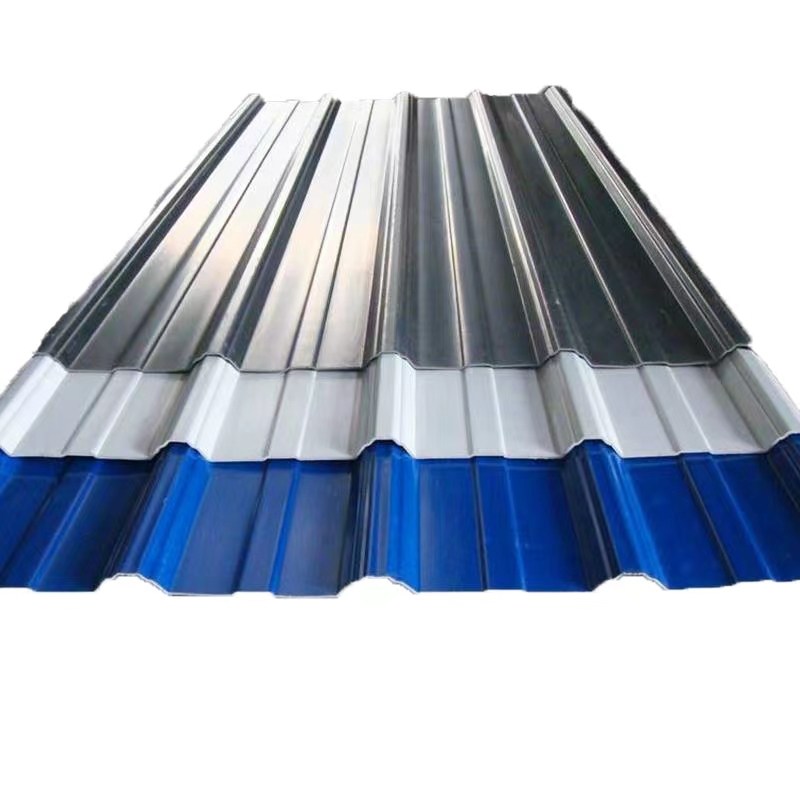
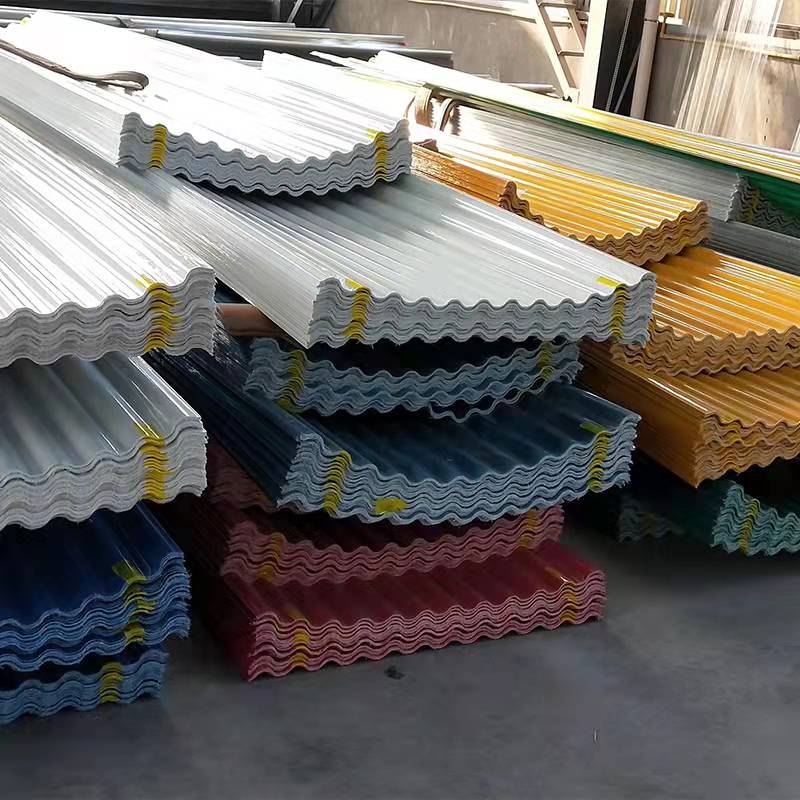
Metal tiles, sometimes coated with fine stone particles, bring a lighter alternative. Shaped sheets get protective layers to guard against rust.
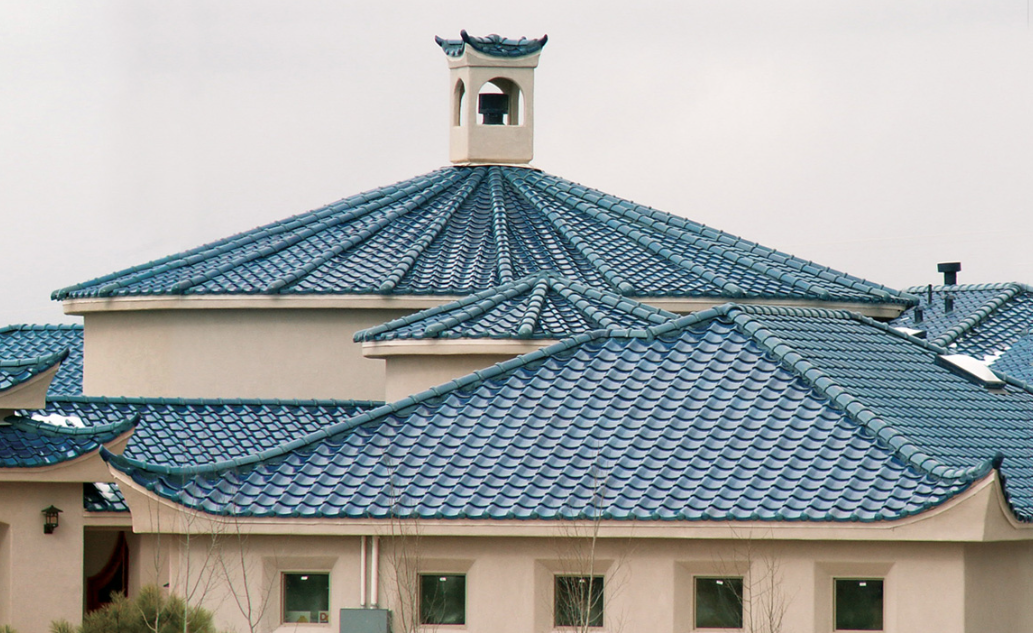
Contemporary designs favor them for quick setup. The coating adds texture, mimicking older styles. They reflect heat and ease installation on diverse structures.
Considerations: Requires protective coatings to avoid corrosion and maintain aesthetics.Slightly higher production cost than plain concrete tiles.
| Material Type | Visual Style | Typical Use Context | Key Feature |
|---|---|---|---|
| Clay | Matte, traditional | Residential, cultural buildings | Traditional appearance |
| Cement | Uniform, neutral tones | Housing developments | Scalable production |
| Concrete | Structured, adaptable | Urban construction | Versatile profiles |
| Glazed | Glossy, decorative | Cultural/public buildings | Symbolic value |
| Ceramic | Smooth, refined | Villas, themed architecture | Controlled finish |
| Composite | Traditional-inspired | Renovations, mixed projects | Lightweight, flexible design |
| Metal | Tile-shaped modern look | Contemporary developments | Low maintenance |
| Synthetic | Lightweight imitation | Temporary/renovation projects | Easy to install |
| Stone-coated | Textured, subdued | Residential communities | Layered visual effect |
How Do Regional Preferences Affect Material Selection?
Material choices change depending on climate, culture and how dense the buildings are:
- Humid regions: People strongly prefer ceramic tiles or glazed tiles because they resist moisture so well.
- Urban areas: Lightweight composite tiles are chosen for upper floors or renovation work because they are easy to carry and install.
- Historic and cultural areas: Clay tiles and glazed tiles are used almost everywhere to keep the authentic traditional appearance.
- Large-scale housing projects: Cement tiles and concrete tiles are picked because they are uniform, easy to supply in huge quantities and quick to lay.
How Do Modern Construction Requirements Influence Material Choice?
Tiles must work perfectly with today's building methods:
- Roof framing: They need to fit easily on wood frames, steel structures or concrete roofs
- Insulation and waterproofing: They must pair well with underlay membranes and insulation layers
- Installation speed: Lighter materials save a lot of labor time and finish projects faster
- Visual consistency: Uniform shapes and colors help entire neighborhoods or building groups look harmonious
How Does Craft and Cultural Influence Persist?
Even when modern materials are used:
- The classic curved roof shapes and proportions are kept exactly the same
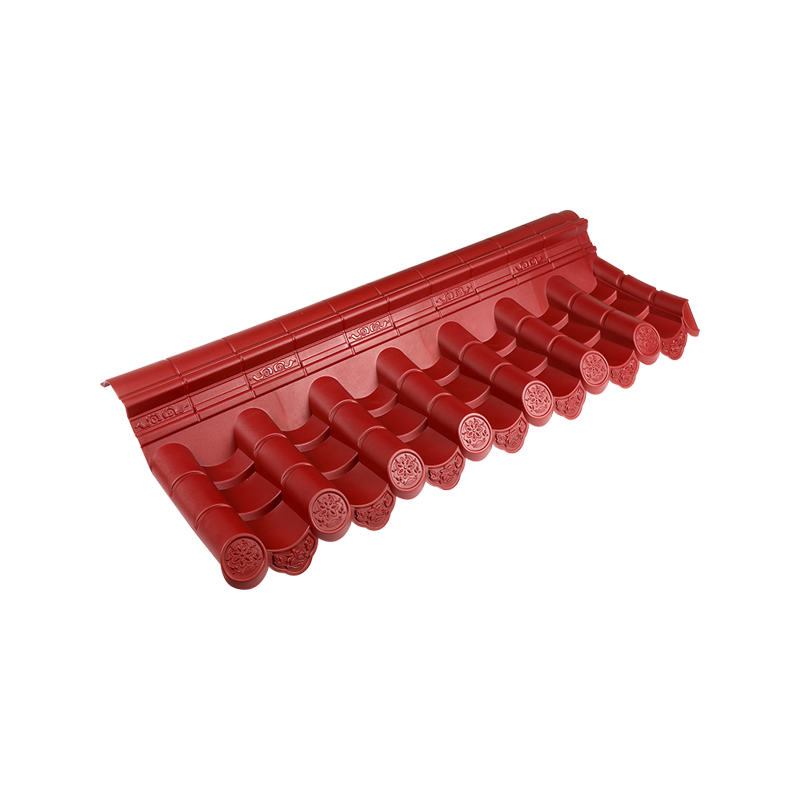
- Decorative details (roof ridges, animal figures, end tiles) still carry their traditional symbolic meaning
- The overall roof look stays instantly recognizable as part of Chinese architectural heritage
Why Choose Chuanya's Chinese Roof Tiles?
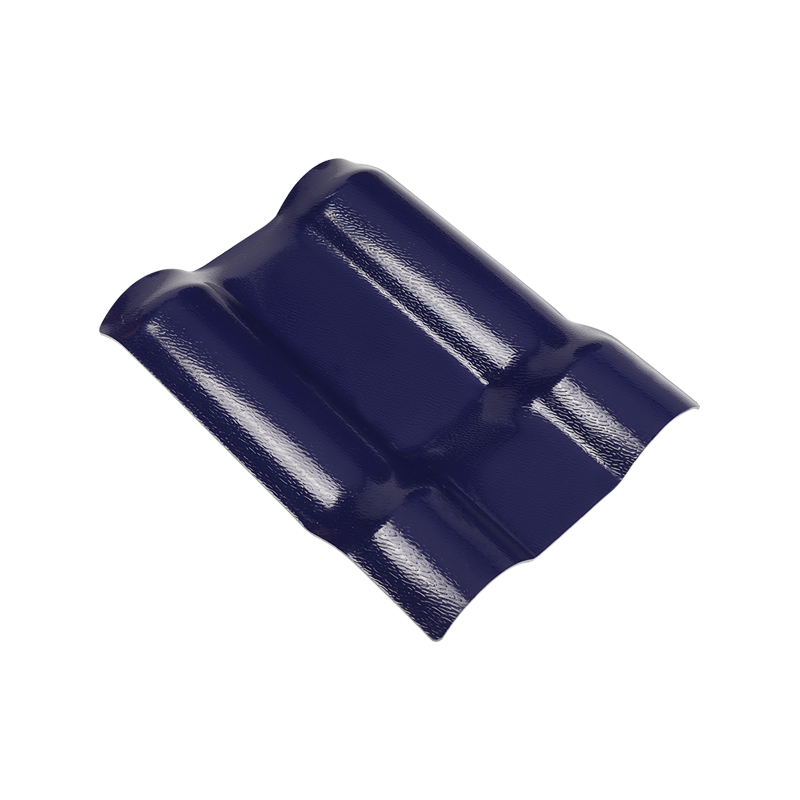
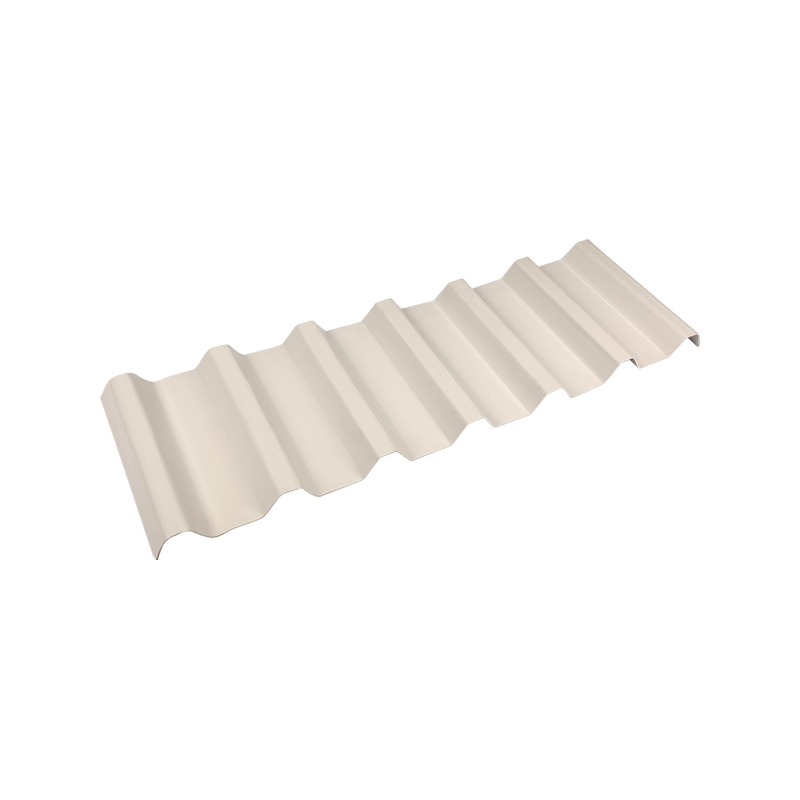
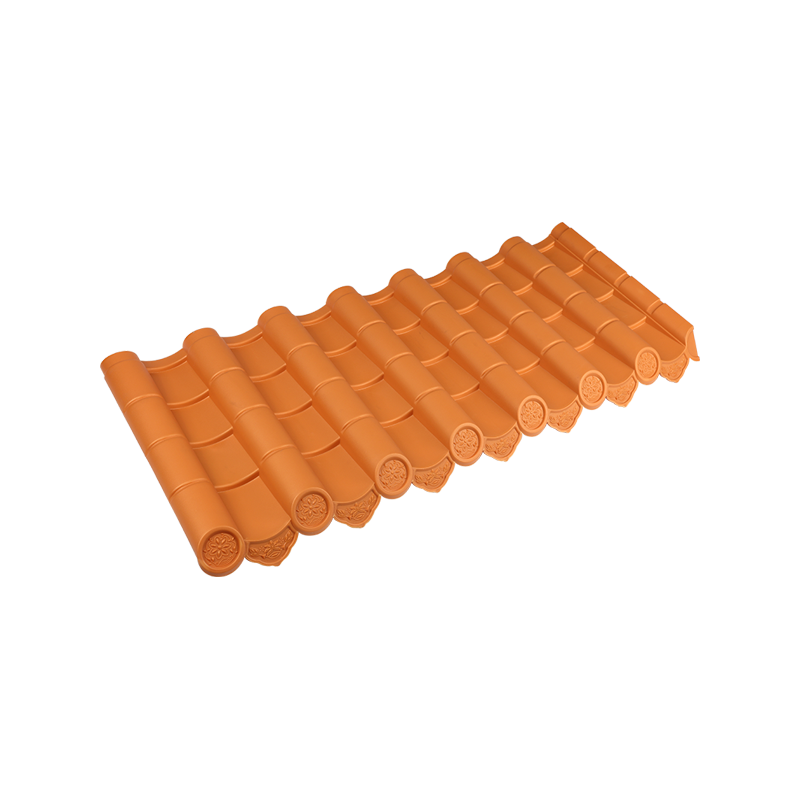
Hangzhou Chuanya Building Materials Co., Ltd. specializes in producing modern synthetic resin tiles and composite roofing materials. These products retain the traditional Chinese roof shapes while incorporating contemporary practical advantages. Many projects choose It's tiles for the following reasons:
- Lightweight Design — Compared to traditional clay or concrete tiles, It's resin tiles (such as ASA synthetic resin tiles and PVC tiles) are much lighter, making them easy to transport and install. They are especially suitable for old house renovations or additions to upper floors, reducing the load on roof structures.
- Strong Weather Resistance — The materials feature special coatings that resist UV rays, acid rain, and extreme temperature changes. Colors remain vibrant without fading, performing reliably in humid southern regions or cold northern areas, with a lifespan of several decades.
- Flexible Traditional Appearance — Chuanya offers a variety of styles that mimic classic barrel tiles, flat tiles, or glazed tiles, along with multiple color options. This allows modern buildings to easily achieve the elegant curves and layered look of traditional Chinese roofs, ideal for villas, residential communities, gardens, or cultural projects.
- Eco-Friendly and Energy-Saving — The products emphasize low-carbon production, with many series using recyclable materials. They provide good thermal insulation, helping lower indoor temperatures and reduce air conditioning energy use.
- Convenient Installation — Tiles come in uniform sizes with complete accessories, enabling fast construction and lower labor costs—perfect for large-scale residential developments or time-sensitive projects.
- Customization Services — The company provides a wide range of specifications and colors, allowing adjustments based on project needs, and has completed cases from residential homes to commercial centers.
| Advantage | Compared to Traditional Tiles | Suitable Scenarios |
|---|---|---|
| Weight | Much lighter | Renovations, additions |
| Durability | Corrosion-resistant, crack-proof | Various climates |
| Aesthetics | Mimics traditional shapes, stable colors | Villas, cultural buildings |
| Eco-Friendliness | Low-carbon materials, heat insulation | Green buildings |
| Installation Efficiency | Quick fixing, complete accessories | Large developments, urgent projects |
Choosing Chuanya's roof tiles allows you to maintain the classic beauty of Chinese roofs while gaining more practical and cost-effective solutions—especially ideal for projects seeking a balance between traditional aesthetics and modern functionality.

 Email:
 Phone:
 Adress: