



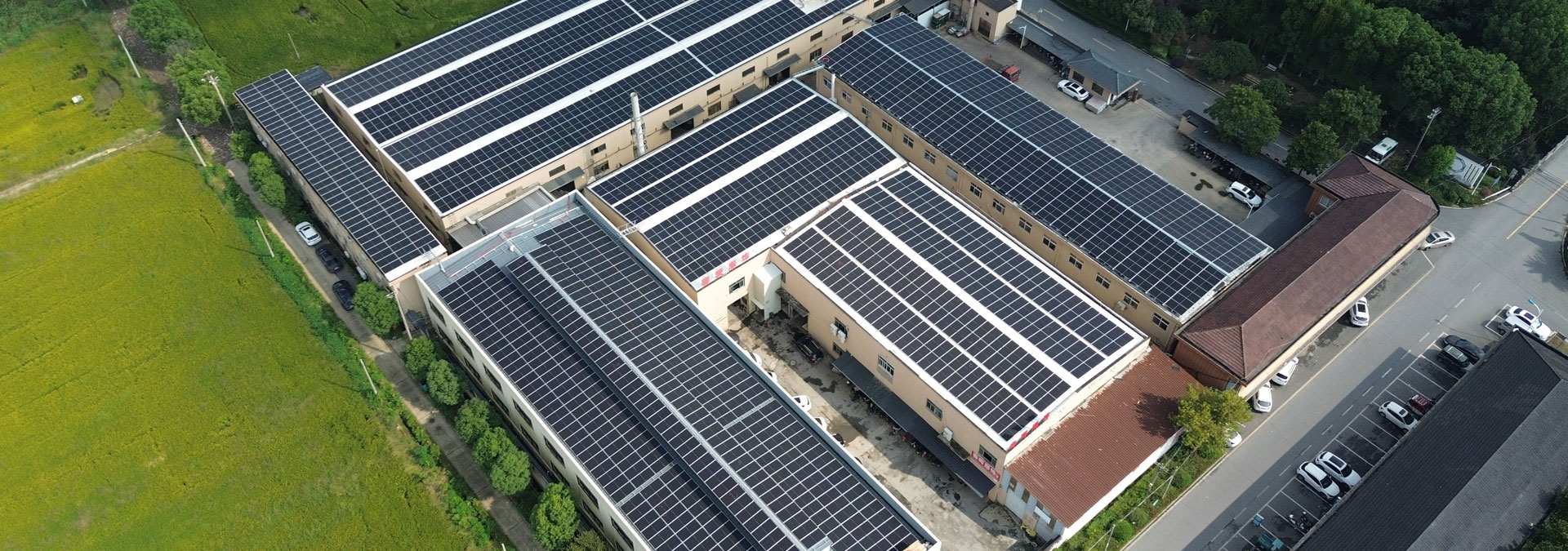
The construction industry is increasingly focusing on sustainability, and Environmentally Friendly Roofing Materials are no exception. As concerns over climate change and resource depletion grow, the demand for environmentally sustainable roofing solutions has surged. Roofing materials are an essential part of this shift, as they can play a key role in reducing energy consumption, minimizing waste, and lowering carbon footprints.
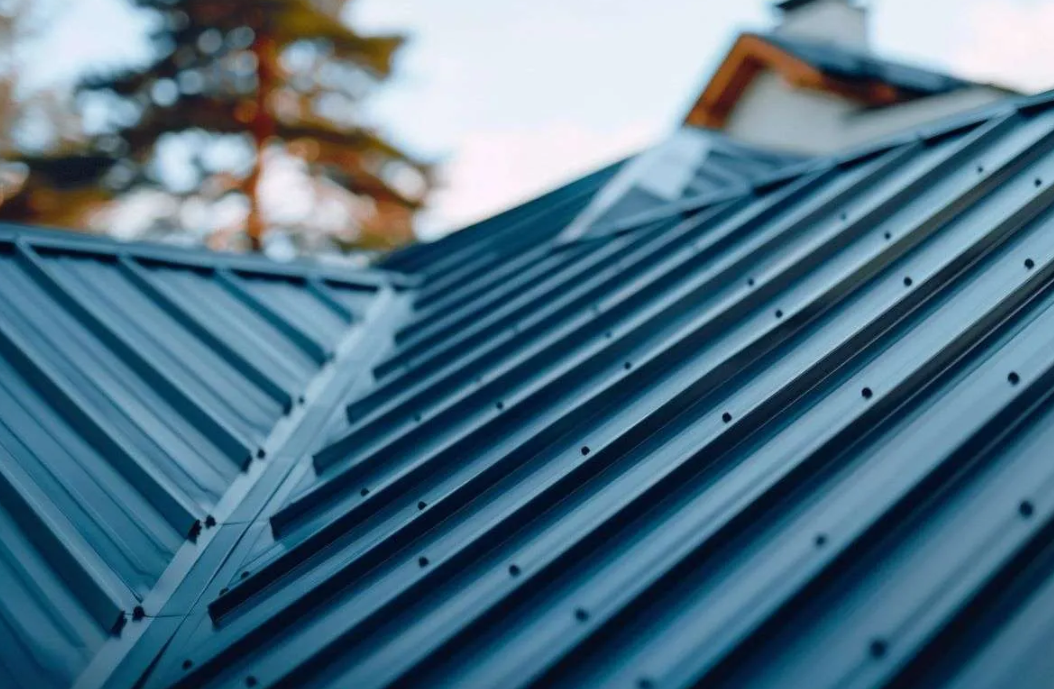
Sustainable roofing materials offer benefits for both the environment and the buildings they protect. They contribute to energy efficiency, improve the lifespan of structures, and help in waste management.
What Defines Environmentally Sustainable Roofing?
Environmentally sustainable roofing materials go beyond merely being "green." They incorporate several attributes that contribute to a building's overall sustainability. These include:
- Energy Efficiency: Roofing materials that help in minimizing the amount of energy required to heat or cool a building.
- Recyclability: Materials that can be reused at the end of their lifecycle, reducing waste sent to landfills.
- Durability: Long-lasting roofing materials that do not require frequent repairs or replacements, thereby reducing consumption of resources.
- Low Environmental Impact: Materials with minimal environmental damage during extraction, manufacturing, and installation.
Why Is Energy Efficiency Important for Roofing Materials?
Energy-efficient roofing materials help regulate a building's internal temperature by minimizing heat absorption or improving insulation. Reflective surfaces bounce rays back. Light tones cool interiors in warm spells. Insulating builds trap warmth when needed. Ventilation lets hot air escape attics. Buildings run lighter on power, easing grid strain.
What Makes Roofing Materials Energy Efficient?
Several characteristics make roofing materials energy efficient:
- Reflectivity: Materials with high reflectivity (such as white or light-colored roofs) reflect more sunlight, preventing heat absorption. This can significantly reduce the need for air conditioning in buildings.
- Thermal Insulation: Roofing materials that offer superior insulation help keep indoor temperatures stable. Good insulation prevents heat loss in winter and heat gain in summer, lowering energy bills.
- Ventilation: A well-ventilated roof can allow heat to escape, preventing the build-up of excessive heat in attic spaces. This reduces the need for air conditioning and helps maintain a comfortable temperature inside.
How Does Material Recyclability Affect Sustainability?
Sourcing plays a big part. Materials drawn from renewable stocks renew naturally. Wood from managed groves regrows. Clay pulls from earth that replenishes. Recycled elements turn old products into fresh coverings. Metal scraps melt down for new sheets. Rubber from tires forms durable layers. These paths cut fresh mining and keep waste low.
Making the materials counts too. Processes that sip energy leave lighter marks. Factories reusing heat or water trim outputs. Clean power sources power lines. Minimal additives avoid harmful releases. Simple forming keeps air and ground clearer.
What Are Some Examples of Recyclable Roofing Materials?
Recyclable roofing materials help close loops in construction. They turn old coverings into new uses, cutting waste and fresh resource needs. Here are common examples that fit sustainable paths.
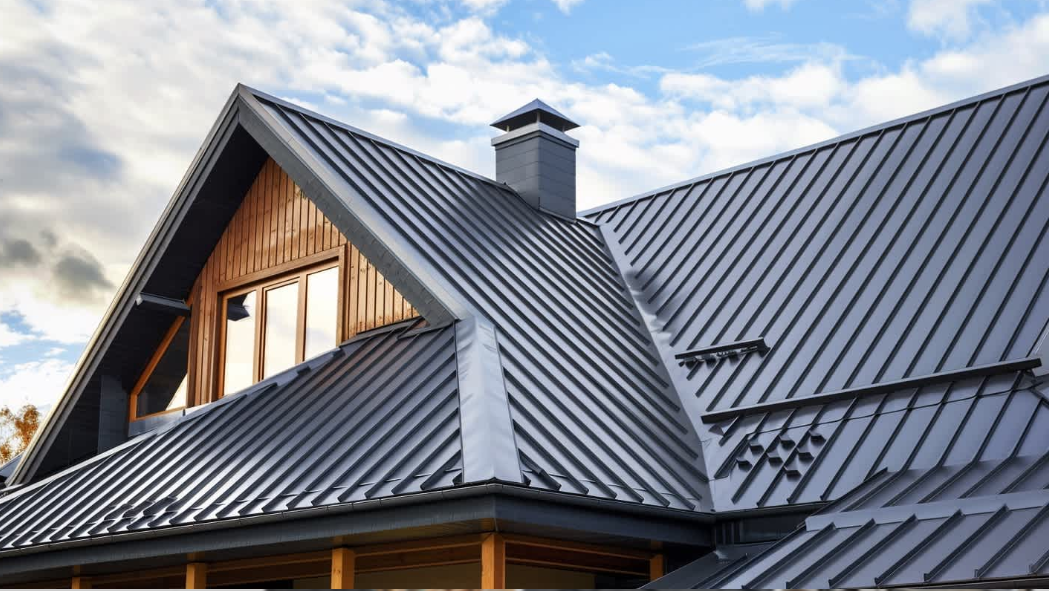
Metal Roofing
Metal stands out for endless reuse. Steel and aluminum melt down without losing strength. Old panels become fresh sheets or other items. This keeps materials in play long-term.
Rubber Roofing
Rubber often comes from old tires. Ground and shaped, it forms flexible layers. At end of life, it recycles again into similar products. This diverts waste while providing waterproof seals.
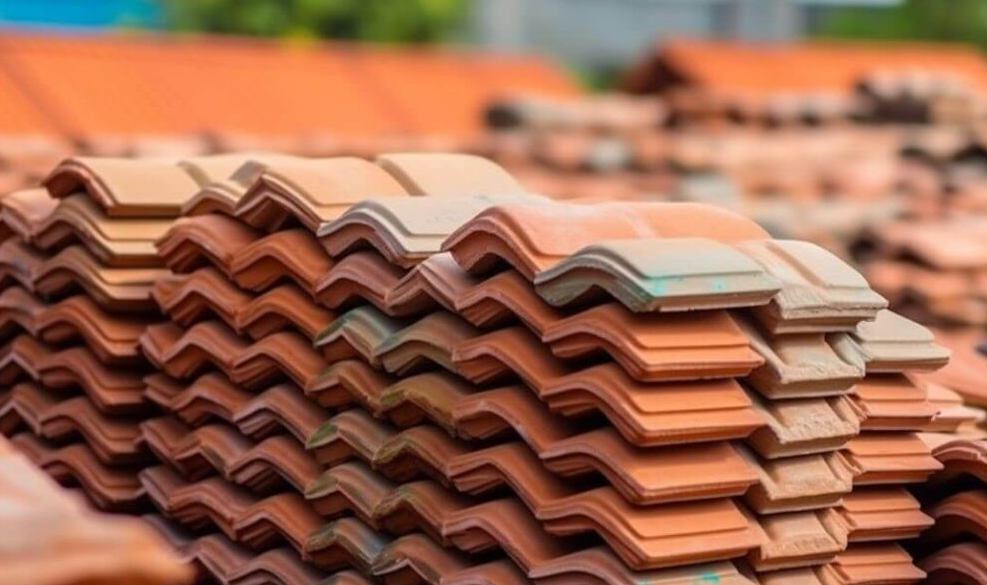
Clay Tiles
Clay tiles hold up well and reuse easily. Removed pieces clean for new roofs or crush into aggregates. Natural makeup allows breakdown without harm.
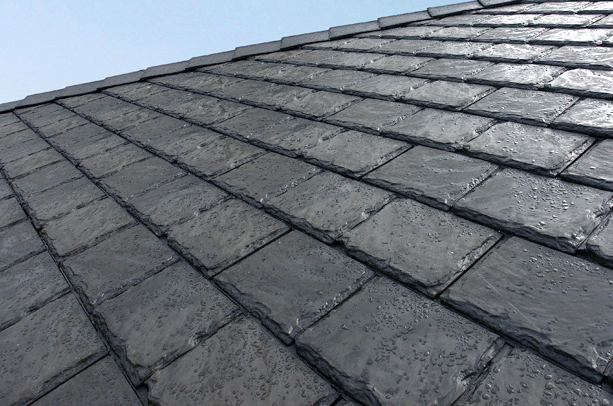
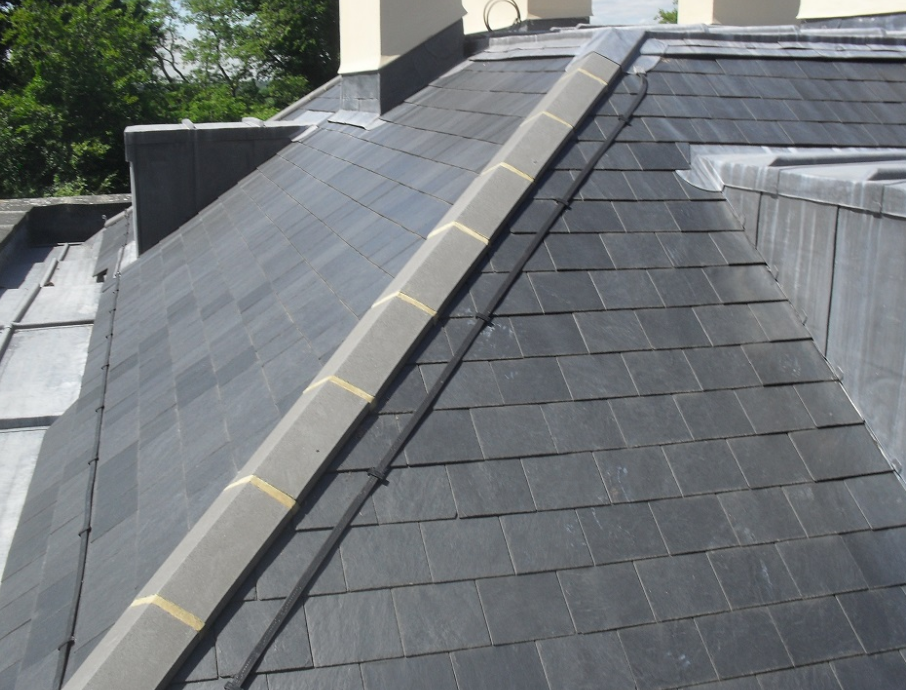
Slate
Natural slate lasts ages and recycles cleanly. Old slabs split for repairs or grind into fillers. Quarried with care, it leaves light marks overall.
Why Is Durability Crucial for Sustainable Roofing?
Long life reduces churn. Sturdy roofs face storms and sun without quick wear. Fewer swaps mean less new stuff pulled in. Homes stay covered longer, sparing landfills from old layers.
Materials that are durable and resilient can withstand harsh weather conditions, extreme temperatures, and wear and tear, leading to longer-lasting roofs. This reduces the consumption of raw materials and minimizes the waste associated with roof replacements.
How Do Sustainable Roofing Materials Impact the Environment?
Sustainable roofing materials help reduce the negative impact on the environment in several ways:
- Reduced Carbon Footprint: Energy-efficient roofing reduces the amount of energy required to heat or cool a building, thereby lowering the building's carbon footprint. Additionally, using materials that have lower embodied energy (the energy consumed in manufacturing and transporting materials) helps reduce overall emissions.
- Lower Heat Island Effect: By using reflective materials that prevent heat absorption, sustainable roofs help mitigate the urban heat island effect, which contributes to the overall warming of cities.
- Conservation of Resources: Using recycled or sustainably sourced materials conserves natural resources and reduces the environmental impact of resource extraction.
What Are the Emerging Trends in Sustainable Roofing?
As the demand for environmentally sustainable buildings grows, the roofing industry is witnessing several emerging trends:
- Cool Roofs: The development of cool roofing materials that reflect more sunlight is one of the key innovations in sustainable roofing. These materials can help reduce urban heat islands and lower cooling costs.
- Green Roofs: Green roofs, also known as living roofs, involve growing vegetation on the roof, which provides insulation, reduces stormwater runoff, and improves air quality.
- Solar Roofing: Solar roofing materials, such as solar tiles, are gaining popularity as they offer the dual benefits of roofing and energy generation. These materials can convert sunlight into electricity, making roofs both sustainable and energy-efficient.
Environmentally Sustainable Roofing Materials
| Material Type | Environmental Benefit | Key Feature | Typical Use |
|---|---|---|---|
| Metal Roofing | 100% recyclable, long-lasting | Durable, energy-efficient | Residential, commercial |
| Rubber Roofing | Made from recycled materials | Waterproof, durable | Flat roofs, commercial |
| Clay Tiles | Reusable, long lifespan | Natural material, energy-efficient | Residential, cultural |
| Slate Roofing | Natural, long-lasting, recyclable | Timeless, low-maintenance | Historic buildings |
| Wood Shingles | Biodegradable, sustainable production | Natural aesthetic, durable | Eco-friendly homes |
| Green Roofs | Reduces heat island effect, provides insulation | Biophilic design, stormwater management | Urban buildings |
Why choose Chuanya's environmentally friendly roofing materials?
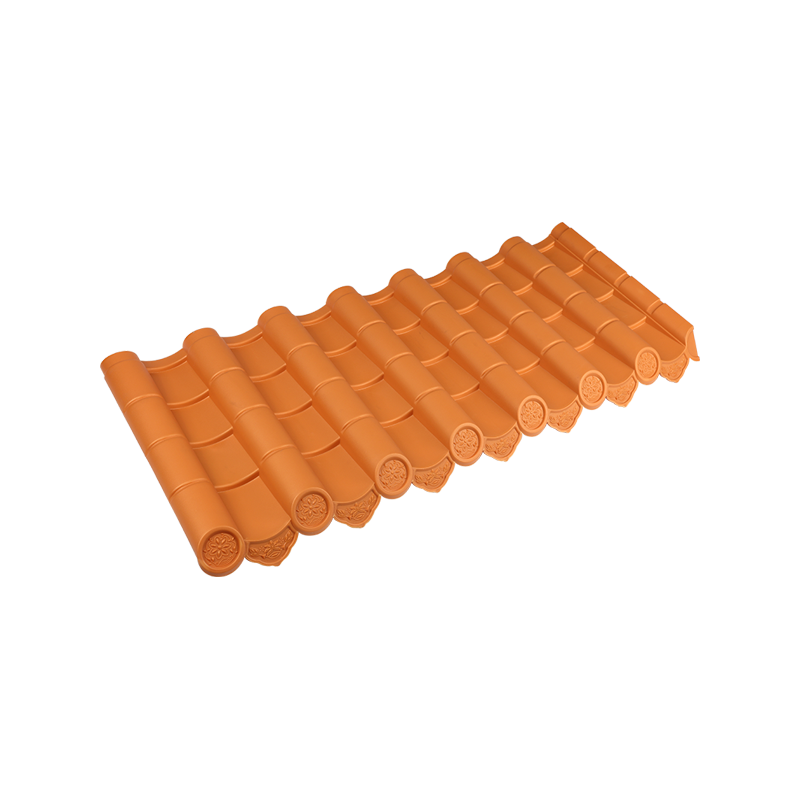
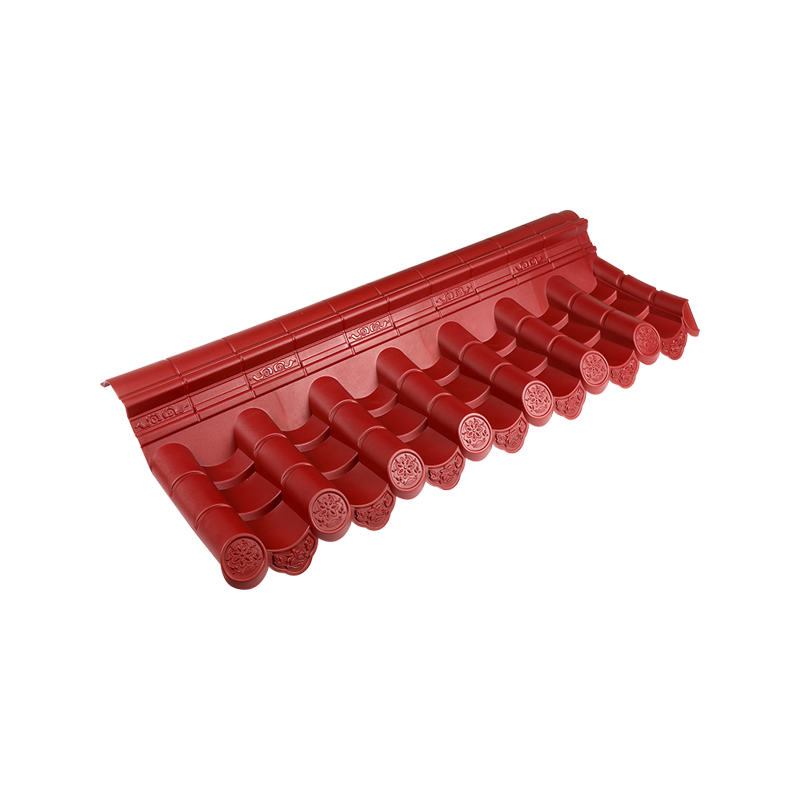
Hangzhou Chuanya Building Materials Co., Ltd.specializes in the production of environmentally friendly synthetic resin tiles and composite roofing materials. These products provide reliable roof protection while focusing on minimizing environmental impact. Many projects and homeowners choose it's materials for the following reasons:
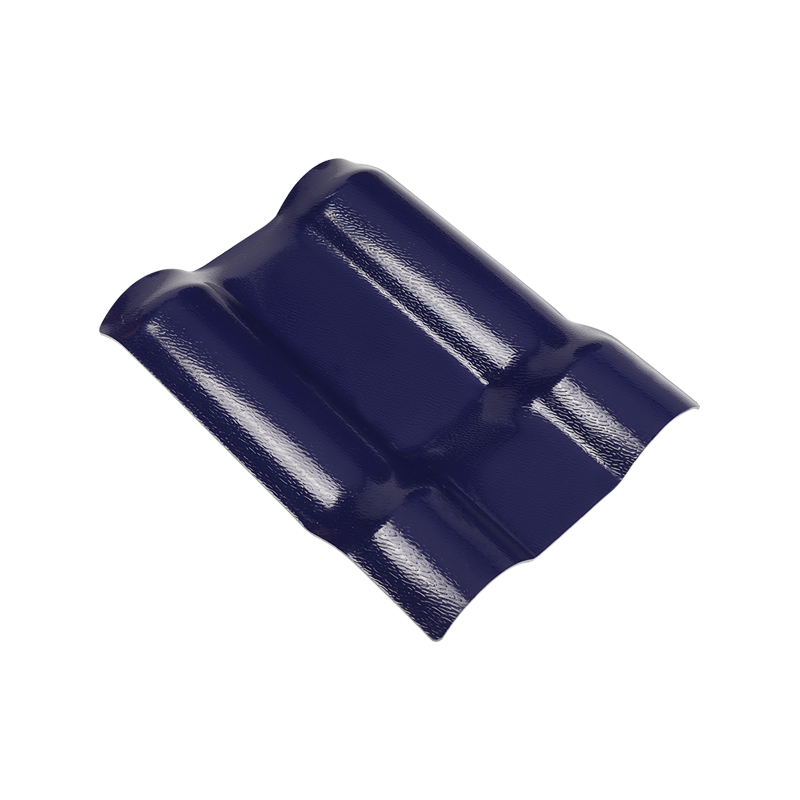
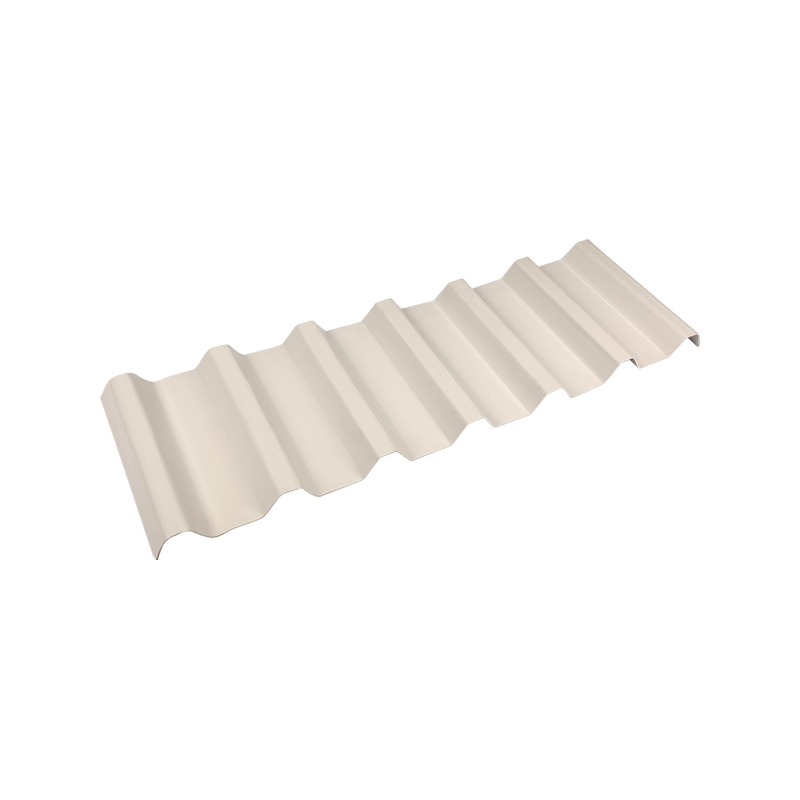
Lightweight and environmentally friendly design — Compared to traditional concrete or clay tiles, Chuanya's ASA synthetic resin tiles and PVC composite tiles are significantly lighter, reducing carbon emissions during transportation and lowering the load on the roof structure, making them ideal for renovation and extension projects.
Excellent weather resistance and long lifespan — The material surface uses a special environmentally friendly coating that effectively resists UV rays, acid rain, and extreme temperature changes. The color remains stable and long-lasting, reducing the need for frequent replacements due to fading, thus extending the overall lifespan of the roof and reducing resource consumption.
High proportion of recyclable components — Some of it's series incorporate recycled materials, and the production process focuses on low-carbon technologies. The products are easily recycled and reused at the end of their lifespan, supporting the circular economy and reducing the environmental burden of construction waste.
Excellent thermal insulation and energy-saving effects — The materials have good reflective and insulating properties, effectively reducing indoor temperatures in summer, reducing the frequency of air conditioning use, thus saving energy and lowering the building's carbon footprint.
Convenient installation and low maintenance — The tiles have uniform specifications and complete accessories, allowing for fast and efficient construction and reducing on-site waste; daily maintenance requirements are low, requiring almost no chemical cleaning agents, further protecting the surrounding environment.
Diverse appearance options — A variety of traditional tile styles and color options are available, preserving the classic beauty of roofs while meeting the needs of modern green buildings, suitable for residential communities, villas, gardens, and public projects.
| Advantage | Compared to Traditional Tiles | Suitable For |
|---|---|---|
| Weight & Transport | Much lighter, lower shipping costs | Old house renovations, additions |
| Durability & Maintenance | Lasts longer, fewer replacements | All kinds of weather areas |
| Eco Components | More recycled content, cleaner production | Projects needing green certification |
| Energy Saving | Keeps things cooler in summer | Hot regions |
| Installation | Fast, less waste | Big developments, tight schedules |
| Appearance | Looks like classic tiles, stable colors | Villas, gardens |

 Email:
 Phone:
 Adress: