



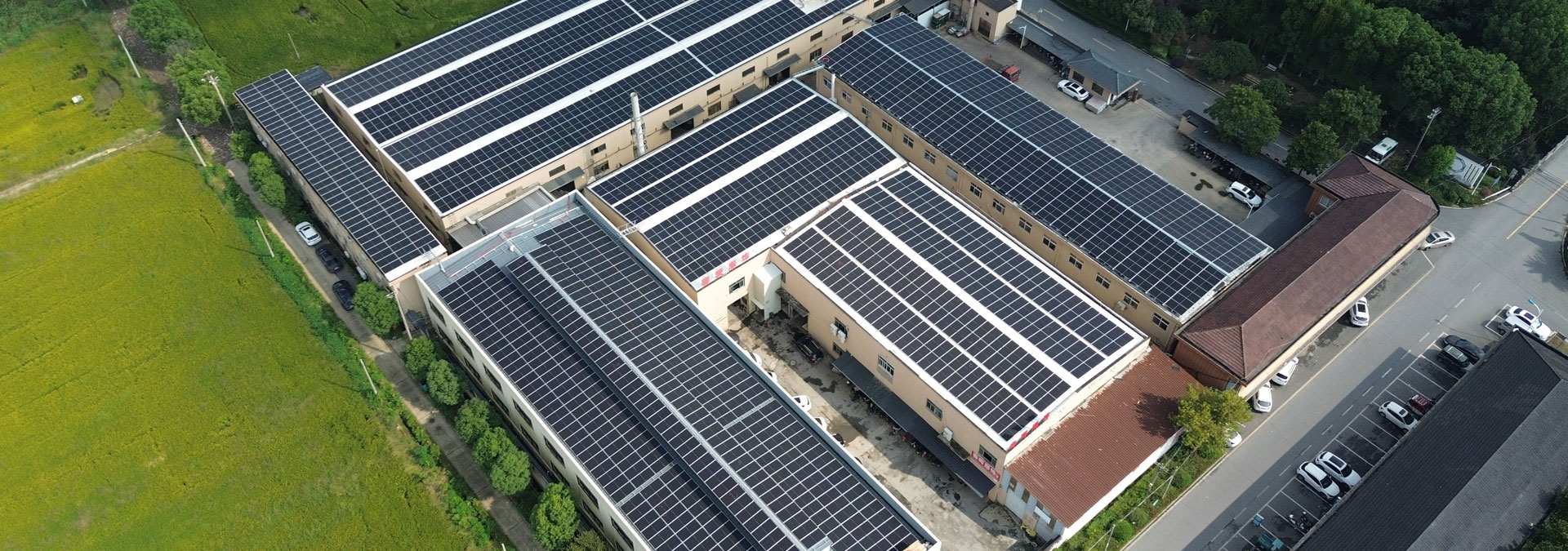
Green building is changing how materials are evaluated. Roofs are no longer treated as simple protective layers. They now influence energy use, comfort, resource efficiency, and even neighborhood identity.
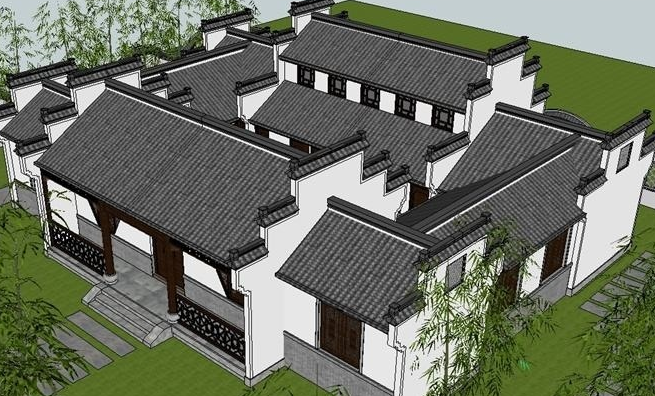
Modern construction focuses on whole-building performance. That includes how heat moves, how moisture escapes, and how long materials last. Roofing systems sit at the top of this system, exposed to sun, wind, and rain every day.
Chinese roof tiles are drawing attention because they connect traditional building methods with modern sustainability goals. Their growing presence in international projects raises a practical question: are they helping push green construction forward, or simply following market demand?
What Defines Chinese Roof Tiles in Today's Market?
Roof tiles originate from a long tradition of clay-based roofing. Over time, production methods have evolved, but many core characteristics remain.
Common features include:
- Use of natural raw materials
- Layered installation that allows airflow
- Designs that suit both heritage and contemporary buildings
- Surfaces that weather gradually rather than failing suddenly
These traits shape how tiles perform in real buildings.
Below is a general overview of how Roof tiles compare with other common roofing categories:
| Aspect | Chinese Roof Tiles | Synthetic Roofing | Metal Roofing |
|---|---|---|---|
| Material origin | Natural | Manufactured | Industrial |
| Heat behavior | Slower heat transfer | Varies | Rapid heat transfer |
| Visual integration | Traditional and modern | Mostly modern | Modern |
| Aging pattern | Gradual | Can degrade unevenly | May corrode |
| Replacement frequency | Lower over time | Moderate | Moderate |
This balance of physical performance and architectural flexibility helps explain why tiles remain relevant in sustainability discussions.
How Natural Materials Contribute to Green Building Goals?
Material selection—especially the source and composition of those materials—quietly shapes a building's long-term environmental impact more than many people realize.
Take traditional Roof tiles as a strong example. These are predominantly made from naturally sourced clays, minerals, and earth materials with little to no reliance on industrial processing. This inherent "naturalness" delivers multiple sustainability advantages:
- Decreased need for synthetic or fossil-fuel-derived components Relying on plentiful, locally dug clay and earth reduces the extraction and manufacturing burden of high-energy plastics, resins, or chemical additives.
- Simple, low-impact end-of-life handling When the time comes to remove or replace them, natural clay tiles can often be crushed on-site for use as fill material, aggregate in new concrete, or simply returned to the ground—no specialized recycling facilities, chemical separation, or hazardous waste classification required.
- Very low chemical load in the finished tile Free (or nearly free) of synthetic binders, plasticizers, heavy-metal pigments, or VOC-emitting coatings, these tiles help maintain cleaner indoor air and reduce off-gassing over decades of service.
- Graceful, predictable aging and weathering Rather than cracking, fading dramatically, or becoming brittle, natural clay tiles typically develop an attractive, stable patina. This slow, even aging often extends functional life and cuts down on replacement frequency and associated resource use.
Natural materials like these also tend to "breathe" in sync with their environment. Clay roof tiles, in particular, exhibit strong hygroscopic behavior—they readily take in moisture vapor from humid air and release it again when conditions dry out. This natural buffering helps regulate humidity levels under the roof, lowering the chances of persistent dampness, condensation buildup, mold development, or wood rot in the structure below.
Looking at the complete lifecycle, materials that originate close to their natural form often return to nature with far less disruption. At deconstruction, earth-based tiles can be carefully removed, broken down, and repurposed or reintegrated into soil or construction fill with almost no residual waste or pollution. This clean exit strategy is a cornerstone of circular building principles: choose materials not only for how effectively they serve during the building's life, but also for how easily and harmlessly they can leave the system afterward.
Specifying natural, regionally abundant materials such as classic clay roof tiles supports green building aims by:
- Reducing embodied energy (the total energy used from extraction to installation)
- Minimizing construction and demolition waste
- Promoting healthier indoor and outdoor environments
- Strengthening compatibility with regenerative, closed-loop design philosophies
These quiet, inherent qualities make natural materials a practical and powerful ally in creating more sustainable, resilient, and ecologically considerate buildings.
Can Roof Tiles Provide Better Indoor Comfort with Zero Added Energy?
One of the simplest yet most powerful sustainability advantages of traditional tile roofing is its ability to regulate indoor temperatures passively—relying entirely on material properties and clever installation rather than electricity, fans, or mechanical cooling systems.
A classic feature of many Chinese tile roof systems is the intentional creation of a shallow, ventilated air space beneath the tiles. This modest gap acts as a built-in thermal buffer and natural convection channel: solar heat absorbed by the exposed tile surface warms the air in the cavity, causing it to rise and exit through ridge vents, eaves, or open joints. As this hot air flows out, it pulls away much of the heat before it can conduct downward through the roof deck into the attic or living spaces. The effect is a measurable reduction in heat gain indoors during sunny days.
Several built-in characteristics of tile roofing combine to amplify this passive comfort benefit:
- Significant thermal mass Tiles made from clay or other earthen materials have considerable density and mass. This means they take time to heat up under direct sunlight and, just as importantly, take time to cool down after sunset. The slow absorption and release of heat smooths out daily temperature fluctuations—helping keep rooms noticeably cooler through the hottest afternoon hours and preventing sharp drops or overheating at night.
- Surface properties that reduce solar heat absorption The natural texture, subtle color variations, and micro-porosity found in many unglazed or lightly fired traditional tiles help diffuse and reflect a good portion of incoming sunlight rather than converting it directly into heat. Lighter-toned tiles, in particular, remain cooler to the touch on hot days compared to darker, smoother, or more reflective modern roofing options.
- Layered design that blocks radiant and conductive heat The complete roof assembly—tiles + ventilated air space + underlayment/felt + roof deck/sheathing—forms a series of barriers that slow the downward movement of both radiant heat (infrared energy) and conducted heat. Each layer adds resistance, so far less warmth makes it through to the ceiling plane and into the occupied rooms below.
What Environmental Practices Are Appearing in Tile Manufacturing?
Production methods strongly influence the overall sustainability of building materials.
Many Chinese tile manufacturers have begun refining their processes to reduce environmental strain. Common improvements include:
- Reusing clay scraps from shaping stages
- Collecting dust for material recovery
- Recycling water during cleaning and forming
- Reducing packaging waste
Some facilities also focus on:
- Cleaner kiln operation
- Better quality control to reduce rejected products
- Training workers in waste reduction practices
These changes may not be visible on finished tiles, but they matter throughout the supply chain.
Here is a simplified view of sustainability efforts across production stages:
| Production Stage | Typical Improvement Focus |
|---|---|
| Raw material handling | Reduced waste, material reuse |
| Tile shaping | Water recycling |
| Firing process | Energy efficiency |
| Packaging | Lower material usage |
| Quality inspection | Fewer rejects |
Why Durability Is a Cornerstone of Sustainable Architecture?
Sustainability conversations tend to emphasize energy efficiency—lowering the ongoing demand for heating, cooling, and lighting—yet durability is every bit as essential. When key building elements are designed and built to last for many decades, the overall consumption of resources shrinks significantly across the structure's entire existence.
A roof offers one of the strongest examples. A roof engineered for long-term performance avoids the cycle of repeated full replacements. Every replacement that never happens spares:
- The quarrying, mining, and processing of new raw materials
- Substantial fuel use and carbon emissions tied to hauling heavy materials long distances
- Large quantities of demolition debris and fresh construction waste deposited in landfills
- The considerable embodied energy plus labor needed to tear off worn-out layers and install new ones
Traditional Roof tiles embody this advantage clearly. Crafted from natural clay and high-temperature fired, they typically degrade in a slow, controlled way rather than breaking down suddenly. Minor surface wear, fine cracks, or faint color changes usually appear gradually over the years, providing building owners and caretakers with plenty of advance notice to schedule thoughtful, limited repairs instead of dealing with abrupt, emergency interventions.
Selecting materials with proven longevity—like these classic clay tiles—therefore becomes one of the most direct ways to lighten a building's lifetime environmental load. It reduces the frequency of resource-heavy interventions and keeps the total ecological footprint much smaller over time, while also delivering practical economic benefits through lower maintenance and replacement expenses. In this sense, durability stands as one of the most reliable paths toward authentic, enduring sustainability.
How Cultural Continuity Supports Green Design?
Truly sustainable buildings must endure not only in a physical sense—resisting weather, wear, and time—but also in an emotional and social sense, remaining valued and cared for by the people who live with them.
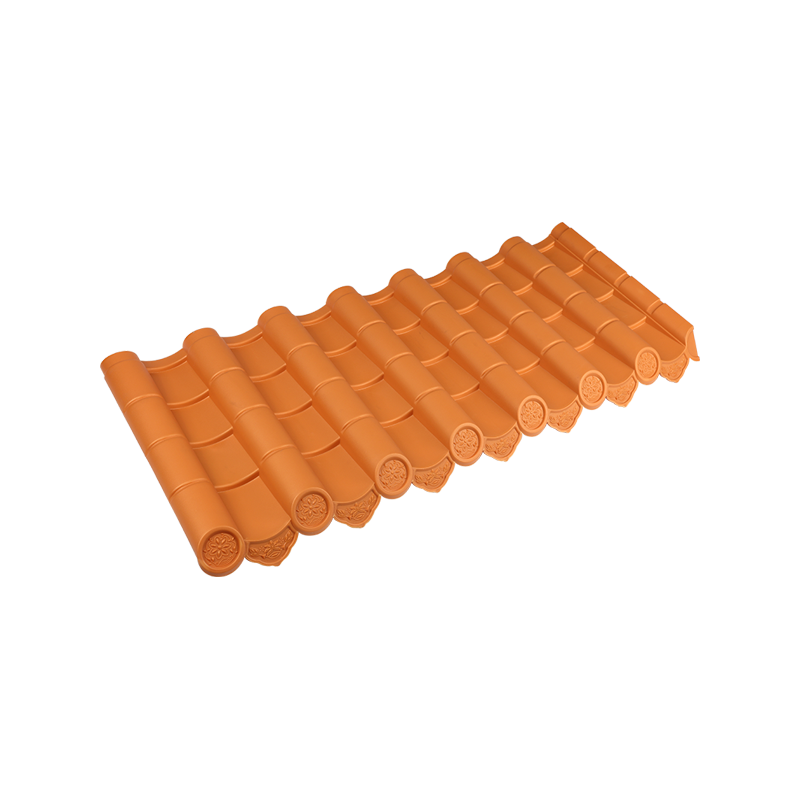
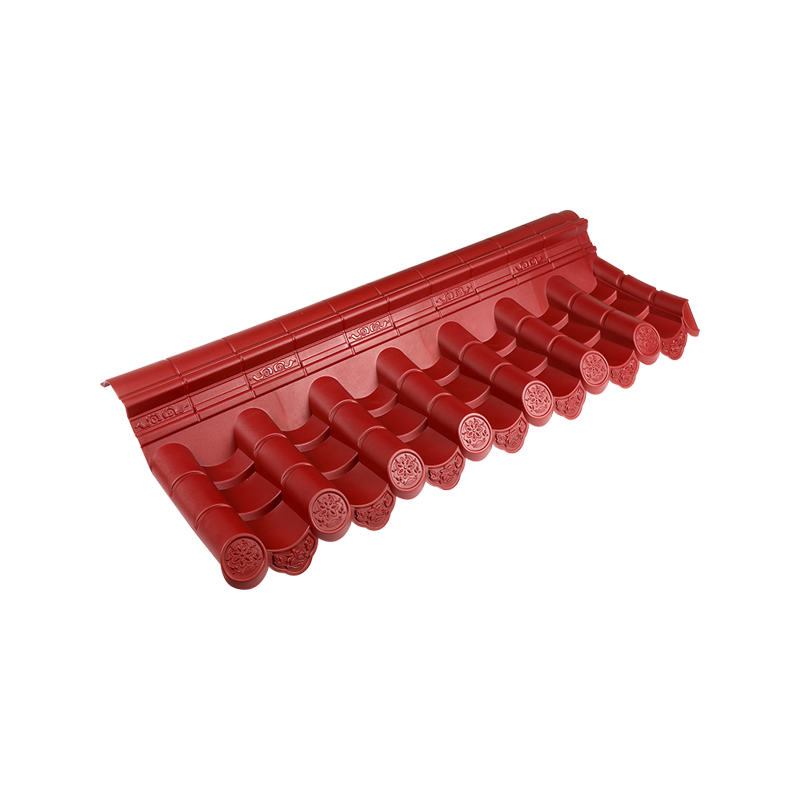
Traditional Tiles carry deep cultural resonance. Their characteristic upturned curves, rhythmic interlocking layers, and graceful silhouettes are instantly recognizable to many communities, echoing centuries of architectural heritage and shared history.
Buildings that incorporate such familiar, meaningful forms tend to inspire stronger attachment. When a place feels like part of one's cultural identity or collective memory—when it simply "feels right" or "belongs"—people are far more inclined to maintain it, repair it, and protect it across generations rather than allowing it to fall into disrepair or be demolished for something new.
This protective instinct has direct environmental benefits:
- It greatly reduces the likelihood of premature demolition and the massive waste that demolition generates.
- It avoids the high carbon cost and resource consumption of tearing down and rebuilding from scratch.
- It breaks the wasteful cycle of short-lived construction that demands repeated extraction, manufacturing, transport, and disposal.
In this way, cultural continuity functions as a powerful form of "social durability" that reinforces physical and environmental durability. A structure that people love and identify with is much more likely to receive the ongoing care needed to last for a very long time.
What Do Architects Look for When Specifying Tile Roofs?
Architects balance many factors when selecting roofing systems.
Common considerations include:
- Compatibility with local building styles
- Thermal performance
- Installation reliability
- Long-term maintenance needs
- Visual impact on surrounding areas
Roof tiles often meet these criteria by offering both technical practicality and aesthetic flexibility.
Developers also value consistency. As manufacturing quality improves, tile systems become easier to integrate into standardized building workflows.
Are Homeowners Seeing Benefits Beyond Environmental Impact?
Sustainable building proves its worth most clearly through the improvements people actually feel and live with every day—not just through environmental data points or theoretical calculations.
Owners of homes with high-quality, long-lasting tile roofs commonly describe several practical advantages that stand out in daily use. These include:
- A noticeably quieter home during rainstorms—the dense clay tiles effectively soak up and deaden the sound of falling water, creating a much more tranquil indoor environment than what's typical with lighter or metallic roofing options.
- More even and comfortable indoor temperatures season after season—the natural thermal mass of the thick tiles helps smooth out temperature fluctuations, keeping rooms cooler in summer heat and warmer during cold spells with less need to run heating or cooling equipment constantly.
- Greatly reduced frequency of roof-related problems and repairs—the way traditional clay tiles age is slow and steady, so any developing issues usually show up as minor, visible signs well in advance, making it easy to handle them with routine, affordable maintenance rather than costly emergency work.
- An enduring, attractive appearance that adds real character to the property—the classic gentle curves, warm natural hues, and crafted texture of tile roofs give the house a welcoming, established look that blends harmoniously with its surroundings and tends to draw favorable attention.
Is Traditional Tile Production Still Evolving?
Traditional roof tiles keep their classic, centuries-old appearance and cultural charm intact, yet the production techniques behind them are actively—and quietly—being refined to better suit present-day realities.
Manufacturers are steadily incorporating small but meaningful upgrades that focus on performance and practicality. The most common areas of improvement right now include:
- Stronger, more precise interlocking systems that lock tiles together more firmly, resulting in joints that better withstand wind, thermal movement, and long-term weathering while staying watertight.
- Advanced surface treatments and specialized finishes that encourage water to run off more efficiently, resist the accumulation of moss, lichen, or staining, and help tiles maintain a cleaner look with minimal effort—all without altering their traditional color or texture.
- Thoughtfully adjusted shapes, edge profiles, and weight distribution that make individual tiles easier to lift, position, overlap, and secure during installation, saving time and reducing strain for roofers while keeping the recognizable silhouette unchanged.
- More effective packaging and handling solutions—including sturdier crates, tailored protective inserts, better stacking arrangements, and cushioning materials—that noticeably decrease breakage and damage from factory to jobsite.
These developments are almost always understated. There's no radical redesign or flashy rebranding; the goal is to enhance dependability, installer satisfaction, weather resistance, and overall service life while faithfully preserving the material's heritage appearance, tactile quality, and historical resonance.
This patient, incremental progress is exactly what allows an age-old craft to stay relevant. It ensures traditional clay tiles continue to align with current building standards, regional codes, modern roofing practices, and what today's homeowners and professionals expect from a roofing material. Through these quiet advancements in manufacturing, the classic tile remains a viable, high-performing choice for sustainable buildings that are meant to last for generations.


 Email:
 Phone:
 Adress: