



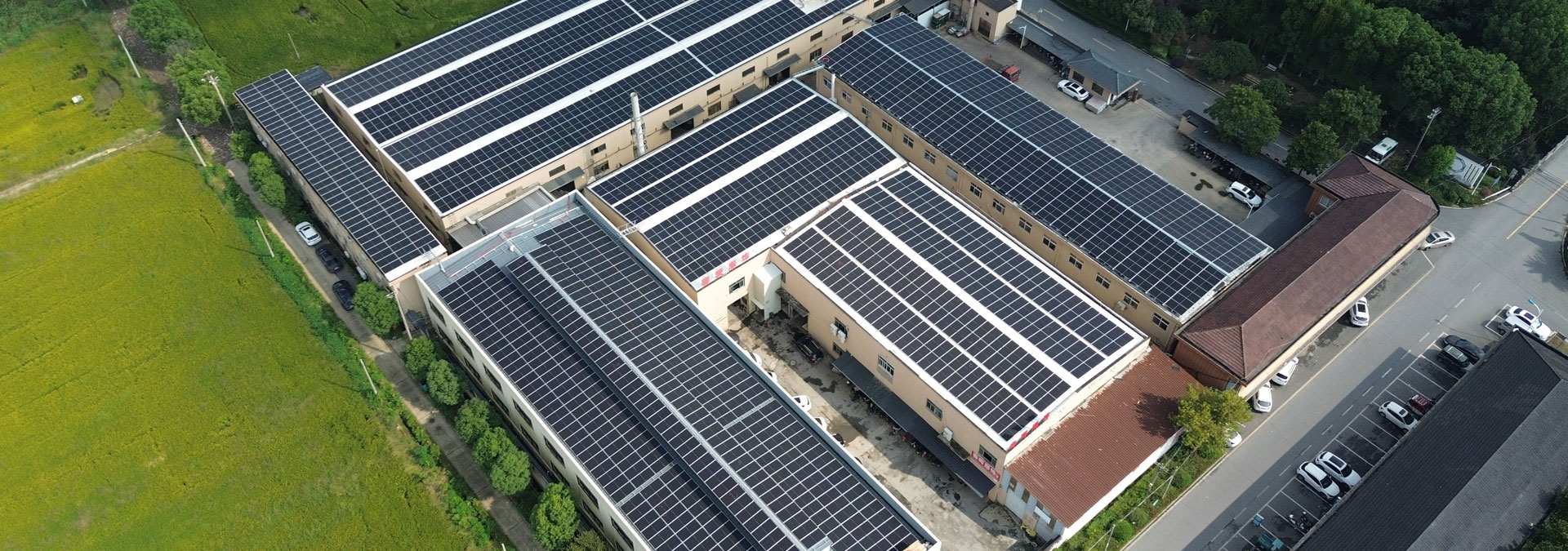
When considering home improvement, the roof is often the most prominent and impactful feature on the exterior of a home. While functionality and protection are key, the visual appeal of a roof can significantly enhance the overall look of the home. Easy-to-install roofing materials not only simplify the installation process but also offer aesthetic advantages. We are explores the various ways in which these materials benefit the visual appeal of homes, from design flexibility to long-lasting beauty.
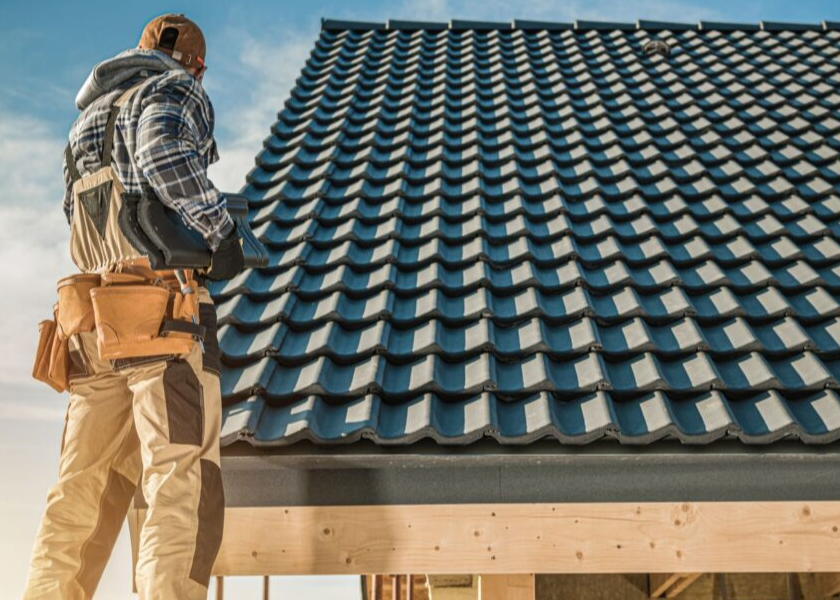
How Do Easy-to-Install Roofing Materials Enhance Design Flexibility?
Easy-to-install roofing options open up a wide array of design choices that adapt well to different home styles and individual tastes.
Highly Versatile Design Options These materials make it straightforward to achieve a tailored look that complements virtually any architectural direction—whether a classic Craftsman, a mid-century modern, a coastal farmhouse, or a clean-lined contemporary build. They're offered in extensive palettes of colors, plus a range of surface textures and sheen levels (matte, semi-gloss, textured, etc.), so the roof can harmonize with exterior siding, stonework, trim details, and landscaping rather than fighting against them.
Upscale Modern Look with Low-Maintenance Character Products such as standing-seam metal panels, aluminum shingles, or engineered synthetic slate provide a polished, high-end appearance that closely replicates the visual appeal of heavier, more traditional materials like real cedar shakes, natural slate, clay tiles, or quarried stone. You get the sophisticated curb appeal and architectural interest of those premium classics—without the substantial weight, frequent upkeep, splitting, curling, cracking, or moss/algae issues that often come with authentic versions. The roof ends up looking refined and intentional, noticeably elevating the home's overall presence.
Realistic Texture and Multi-Dimensional Finishes Many of these easy-install systems, especially synthetic shake or faux-slate varieties, are molded or textured to convincingly imitate the irregular, organic patterns found in hand-split wood, aged cedar, or naturally varied stone. Some incorporate subtle multi-tone coloring—blending several complementary shades within each panel or shingle—to create visual depth, shadow play, and richness that makes the roof appear more handcrafted and less uniform. Despite delivering this authentic, dimensional look, the materials stay significantly lighter in weight and far simpler to handle and fasten during installation compared to their natural counterparts.
All of these qualities combine to let homeowners select a roofing solution that truly reflects their personal style and suits the home's architecture—while keeping the installation process manageable and avoiding the complexity, cost, or labor typically associated with traditional premium roofing.
Can Easy-to-Install Roofing Materials Be Tailored to Different Architectural Styles?
One of the most significant aesthetic advantages of roofing materials is their ability to fit a wide range of architectural styles.
Traditional Homes:
- Materials like synthetic slate or cedar shakes can offer a classic, elegant look that complements historical architecture.
- Traditional designs with steeply pitched roofs can benefit from lightweight and durable materials that maintain authenticity.
Modern Designs:
- Flat or standing seam metal roofs offer sleek, minimalist designs that complement modern, industrial-style homes.
- These materials help achieve a clean and streamlined appearance, enhancing the bold lines and shapes of modern architecture.
Rustic & Eclectic Homes:
- Synthetic wood or rubber roofing materials are ideal for rustic or eclectic designs, as they mimic the natural, earthy feel of wood and stone.
- These materials provide a warm and natural appearance without the heavy weight or high cost of natural materials.
Roofing Materials and Their Compatibility with Architectural Styles
| Architectural Style | Roofing Materials | Aesthetic Result |
|---|---|---|
| Traditional | Synthetic Slate, Asphalt Shingles | Timeless, classic look |
| Modern | Standing Seam Metal, Flat Tiles | Clean, contemporary finish |
| Rustic | Cedar Shakes, Synthetic Wood Shingles | Warm, natural and earthy feel |
| Eclectic | Rubber Shingles, Mixed Metal | Bold, unique, and adaptable designs |
What Role Does Roof Color Play in the Aesthetic Appeal?
Color plays a pivotal role in the overall aesthetic impact of a roof, and roofing materials stand out for offering an extensive selection of shades and tones. This variety lets homeowners fine-tune the look to perfectly complement their home's architecture, siding, trim, and surroundings.
Light Colors
Lighter shades—think soft beige, pale gray, crisp white, or subtle creams—are excellent choices for reflecting sunlight rather than absorbing it. This natural reflectivity helps keep attic and interior temperatures lower, contributing to better energy efficiency and potentially lower cooling costs, especially in sunnier or warmer regions. Visually, these tones have a brightening effect: they make the home appear more open, airy, and spacious while blending harmoniously with light exteriors or coastal/traditional styles.
Dark Colors
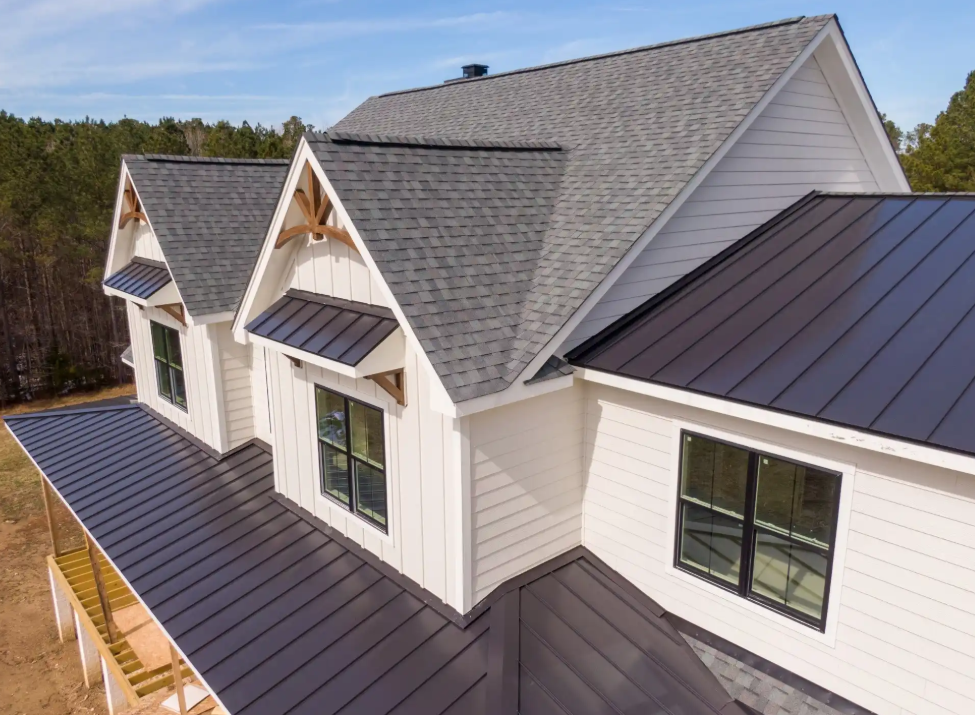
Deeper hues such as charcoal gray, deep brown, slate black, or rich espresso deliver a bolder, more sophisticated presence. These darker options create strong visual contrast against lighter siding or stonework, adding depth and a sense of solidity to the roofline. They suit modern designs seeking a sleek, contemporary edge as well as traditional or Craftsman homes that benefit from a grounded, substantial feel.
Multi-Tone and Blended Color Options
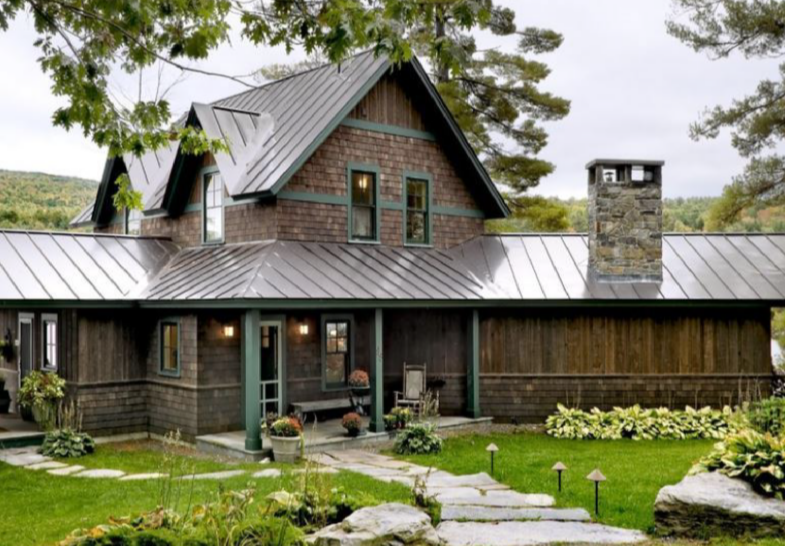
Many easy-to-install systems go beyond solid colors by offering multi-shade variations within the same panel or shingle. These can blend subtle gradients of one color family (like varying grays or earth tones) for a natural, weathered look, or combine contrasting yet complementary shades to mimic the organic irregularity of real stone, slate, or aged wood. The result is a more dynamic, customized roof that feels handcrafted and adds visual interest without looking artificial—helping the roof tie seamlessly into the home's overall palette and style.
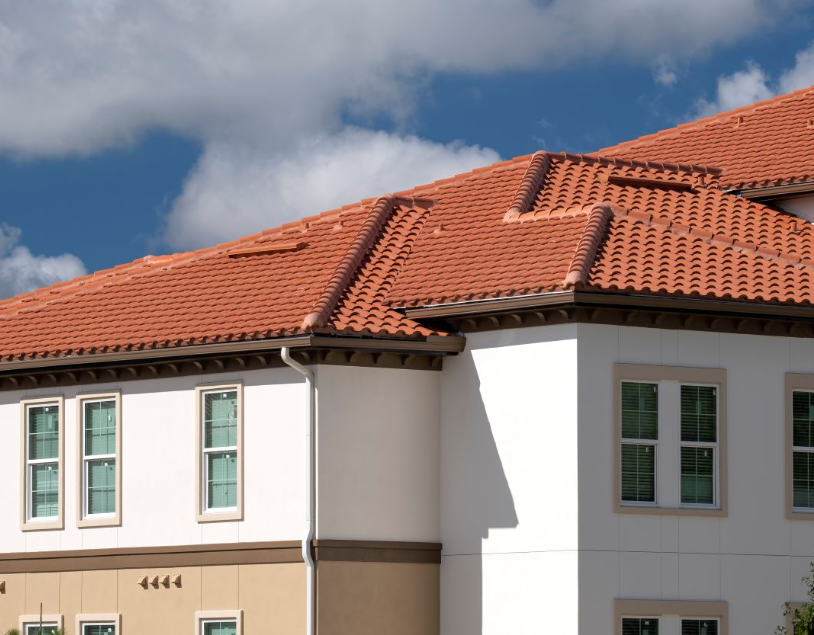
With this broad color flexibility, homeowners can confidently select a roofing solution that not only enhances curb appeal but also aligns with practical needs like climate considerations or desired mood—while keeping installation straightforward and accessible.
How Do Easy-to-Install Materials Contribute to Consistent Roof Appearance?
One of the challenges with traditional roofing materials is that they may deteriorate or lose their aesthetic appeal over time.Roofing materials address this issue with their durability and long-lasting visual integrity.
Consistent Color & Texture:
Materials are often treated with coatings or finishes that resist fading, ensuring the roof maintains its color and texture for years.
Weather-Resistant Properties:
Materials like metal and synthetic slates are resistant to weathering, preventing discoloration from UV rays, rain, or snow.
Minimal Wear and Tear:
Because of their engineered nature, easy-to-install materials are more resistant to cracking, warping, or losing their shape over time.
Reduced Maintenance:
These materials require fewer touch-ups or repairs, ensuring the roof continues to look fresh without the need for regular aesthetic maintenance.
Durability and Appearance Retention of Roofing Materials
| Roofing Material | Key Durability Features | Aesthetic Retention Over Time |
|---|---|---|
| Metal Roofing | Rust-resistant, fade-resistant | Maintains vibrant appearance |
| Asphalt Shingles | UV-protective coating, weatherproof | Retains color and texture |
| Synthetic Slate | Lightweight, crack-resistant | Looks like real slate without fading |
| Rubber Shingles | Moisture-resistant, flexible | Resistant to wear and discoloration |
Why Are Low-Maintenance Roofing Materials Aesthetically Beneficial?
Low-maintenance roofing materials play a major role in preserving and even enhancing a home's overall appearance by keeping the roof looking sharp, clean, and well-kept for years with almost no ongoing effort from the homeowner.
Strong Resistance to Moss, Algae, and Staining Many easy-to-install options are specifically engineered with surfaces or coatings that naturally discourage moss, algae, lichen, and black streaks from taking hold. Unlike traditional materials that can develop dark green or black patches over time—especially in shaded, damp, or humid areas—these roofs stay noticeably cleaner and more uniform in color. There are no unsightly spots, streaks, or gradual discoloration to detract from curb appeal, so the roof continues to look fresh and intentional without the need for periodic chemical treatments, power washing, or manual scrubbing.
Long-Term Resistance to Physical Wear and Damage These materials are built to withstand cracking, curling, splitting, warping, or granule loss that often plague older or natural roofing products. They hold their shape, edges, and surface integrity through freeze-thaw cycles, intense sun exposure, heavy rain, and wind—meaning the roof doesn't develop the visible signs of aging or deterioration that require frequent patch jobs, replacement shingles, or cosmetic fixes. The result is a consistently smooth, intact appearance that avoids the patchy, worn look that can make even a well-designed home seem neglected.
Truly Low-Effort, Always-Presentable Look Because these roofs demand so little in terms of routine care—no climbing ladders for cleaning, no annual inspections for loose pieces, no re-coating or sealing—the homeowner can maintain an attractive, polished exterior without the usual time, expense, or hassle. The roof simply continues performing and looking good season after season. This hands-off reliability translates to sustained curb appeal: the home consistently presents as neat, modern, and well-maintained, even during busy periods or over the long term, without the owner ever having to prioritize roof upkeep on their to-do list.
How Does Roof Design Influence the Overall Aesthetic of a Home?
Roof design is one of the most prominent elements shaping a home's exterior appearance and its impression from the street. Easy-to-install roofing materials are built with enough flexibility to integrate smoothly across a wide variety of roof forms, helping maintain—or even strengthen—the home's overall visual harmony and balance.
Adaptable to Different Roof Shapes These materials perform reliably on nearly any common roof configuration: low-slope or flat roofs, classic gable ends, hipped designs with all four sides sloping, gambrel or mansard profiles, and even more complex combinations found on modern or custom homes. Whether the roofline is simple and symmetrical or features multiple pitches, dormers, valleys, or transitions, easy-to-install options (panels, shingles, shakes, or tiles) can be cut, overlapped, or fastened to fit cleanly without requiring specialized fabrication or excessive labor. This adaptability ensures the roofing doesn't fight the home's structure—it complements and completes it.
Enhances Architectural Features and Flow The right roofing choice can tie together—or intentionally contrast with—the home's other major elements: siding, stone or brick accents, window frames, trim, doors, and gutters. Easy-to-install materials come in finishes that let you coordinate closely (for a seamless, unified look) or create purposeful contrast (for added depth and definition). For example, a darker roof can ground a light-colored façade, while a lighter or metallic roof can lift and brighten a heavier base. This thoughtful interplay improves the architectural rhythm and makes the entire elevation feel more intentional and cohesive from any viewing angle.
Highlights Roof Slope and Adds Dimensional Interest Some of these materials—particularly standing-seam metal, interlocking tiles, or profiled synthetic shakes—naturally emphasize the roof's pitch and geometry. On steeper slopes, their clean lines, shadows, and texture create stronger visual movement and a more dynamic silhouette against the sky. A pronounced slope paired with the right material can make the home appear taller, more substantial, or architecturally bold. Even on gentler pitches, the material's surface detail (ridges, grains, or subtle variations) adds richness and prevents the roof from looking flat or monotonous. The end result is a stronger, more expressive roofline that contributes meaningfully to the home's character and street presence.

 Email:
 Phone:
 Adress: