



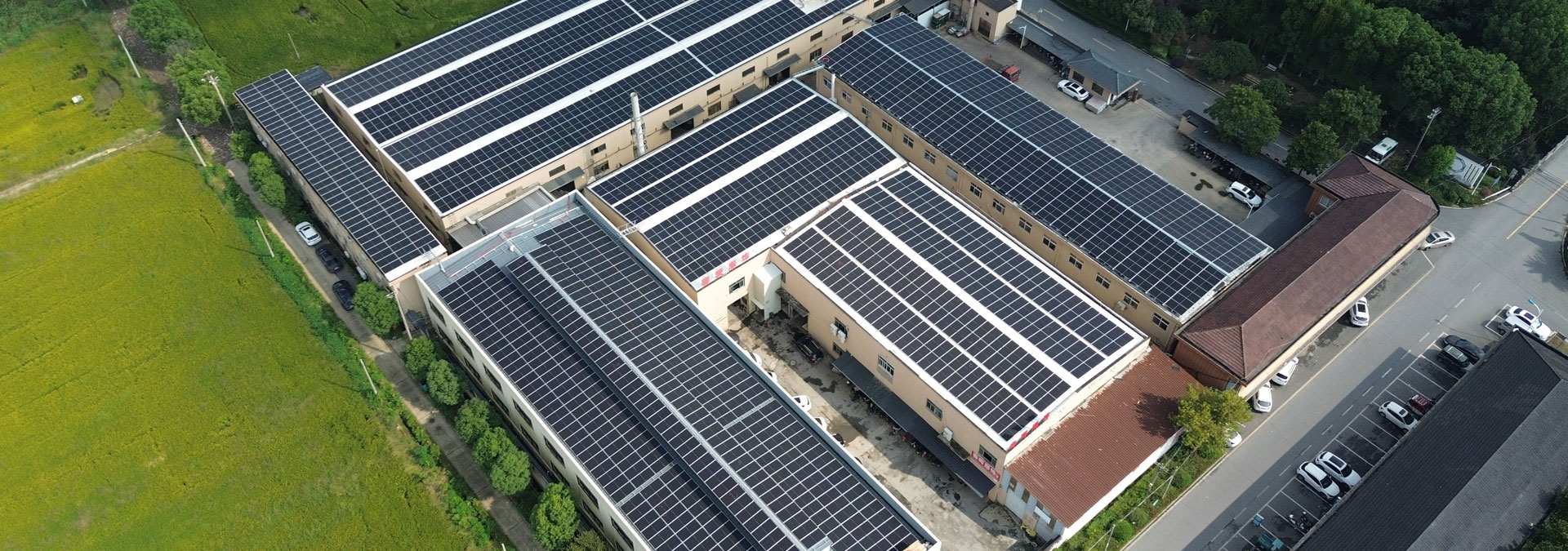
Sustainable construction and eco-friendly practices are reshaping industries, and roofing is no exception. As the world focuses more on environmental conservation and reducing carbon footprints, innovative materials like Chuanya Environmentally Friendly Roofing Materials have entered the scene, offering a greener and smarter way to build.
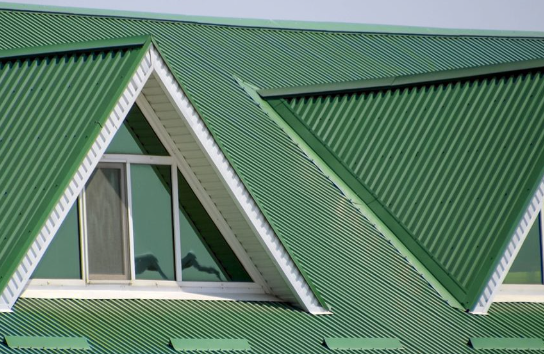
Roofing materials bring together quality, functionality, and environmental consciousness. These materials are engineered to meet modern construction needs, ensuring a perfect balance between durability and sustainability. We will take a deep dive into the various aspects that make roofing solutions stand out in the market.
What Makes Chuanya Roofing Materials Environmentally Friendly?
Chuanya roofing materials distinguish themselves through a genuine, built-in commitment to sustainability that influences every stage of their lifecycle—from raw material selection to manufacturing and eventual recyclability.The brand approaches environmental responsibility holistically, ensuring that eco-conscious decisions are embedded in the product itself rather than added as an afterthought.
Responsible and Sustainable Sourcing it prioritizes raw materials that come from renewable sources or are harvested in ways that minimize ecological disruption. They actively avoid or sharply limit ingredients tied to heavy chemical extraction, toxic processing, or unsustainable mining practices. This careful sourcing reduces habitat impact, lowers resource consumption, and prevents harmful substances from entering the production stream or leaching into the environment over the roof's lifespan.
Optimized, Low-Energy Production Manufacturing is deliberately streamlined and modernized to consume significantly less energy per square foot of roofing produced. This includes efficient machinery, heat recovery systems, cleaner electricity sources where feasible, and process refinements that cut waste at every step. The cumulative effect is a much smaller carbon footprint during fabrication—meaning fewer greenhouse gas emissions are generated before the product ever reaches a jobsite.
Designed for Recyclability and Circular Use A substantial portion of It's roofing lineup—panels, shingles, underlayment components, and trim pieces—is engineered so that, after decades of service, the materials can be collected, sorted, and reprocessed into new products rather than discarded. This recyclability supports a true circular model: it reduces landfill burden, conserves virgin resources for future generations, and keeps valuable materials in active use rather than becoming waste.
By making these principles central rather than peripheral, it offers roofing that lets builders, architects, and homeowners meaningfully lower the environmental cost of a new or replacement roof. The result is a high-performing, attractive roofing solution that aligns with growing demand for greener building practices—helping advance sustainability across residential and light commercial construction without compromising durability, appearance, or ease of installation.
How Do Chuanya Roofing Materials Enhance Energy Efficiency?
Energy efficiency continues to be a major concern for homeowners and property managers, and the roof stands out as one of the single biggest factors in managing a building's indoor temperature. The right roofing choice can dramatically cut energy use, bring down heating and cooling bills month after month, and create a noticeably more comfortable interior with far less reliance on HVAC systems running constantly.
Roofing materials are specifically engineered to provide robust thermal regulation that helps buildings maintain pleasant conditions year-round. They make it easier to keep interiors cooler during hot summers and warmer during cold winters—reducing how hard heating and cooling equipment must work and delivering reliable, ongoing savings on energy costs.
It achieves this strong energy performance through three core, integrated strengths:
Advanced Solar Reflectivity Many It options feature specially formulated reflective surfaces or lighter, high-reflectance color choices that are designed to bounce back a large share of incoming sunlight rather than converting it into absorbed heat. This keeps the roof surface and underlying deck significantly cooler even under intense sun, which stops excess heat from conducting downward into attic spaces and living areas. The practical result is steadier indoor temperatures in warm weather, shorter air-conditioning cycles, better comfort on hot days, and less strain on cooling systems overall.
Reliable Bidirectional Thermal Resistance These materials deliver meaningful insulation performance that slows heat movement in either direction. In winter, they help contain indoor warmth, reducing how much heat leaks out through the roof and allowing the heating system to maintain desired temperatures with lower energy input. During summer, the same insulating quality blocks unwanted exterior heat from entering. This two-way protection means the entire building envelope demands less energy to keep the interior climate stable across seasons—no matter whether the goal is retaining heat or rejecting it.
Promotion of Passive Ventilation it designs are built to work seamlessly with natural ventilation elements like ridge vents, soffit/eave intakes, or integrated airflow pathways in the roofing system itself. These allow hot air trapped in the attic to rise, escape, and be replaced with cooler air rather than building up and transferring heat downward into the home. Improved attic airflow keeps roof sheathing and deck temperatures lower, cuts peak heat loads on the structure, and supports more efficient energy use by decreasing the need for mechanical cooling to compensate.
By blending high reflectivity, effective insulation, and ventilation-friendly construction, Roofing creates a smarter, more self-managing building envelope that naturally dampens temperature extremes. Homeowners and building operators enjoy the combined benefits of reduced energy consumption, lower utility expenses, and a more consistently comfortable indoor environment—all from a roofing system that also offers long-term durability, attractive appearance, and straightforward installation that holds up well over time.
How Do Chuanya Roofing Materials Enhance Durability and Longevity?
Durability and longevity stand as key priorities in any roofing project, and materials excel in delivering robust, reliable performance. Engineered with advanced techniques, these roofing solutions are built to endure tough environmental challenges, offering extended protection that minimizes the need for ongoing maintenance or early replacement.
Roofing materials effectively combat prevalent issues that can compromise roof integrity, including:
- Water damage — With strong water-resistant properties, the materials block leaks and moisture intrusion, helping avoid expensive water-related issues and structural disruptions.
- UV damage — Extended sunlight exposure often breaks down conventional roofing over time, but It products incorporate UV-resistant features that preserve color, strength, and overall function across many years.
- Wind resistance — In areas prone to powerful gusts, these materials provide exceptional stability, holding firm against high winds to safeguard the entire structure.
Thanks to this built-in toughness, Roofing gives property owners confidence in a dependable, low-maintenance roof that continues performing reliably for decades.
How Can Chuanya Roofing Materials Add Value to Your Property?
Choosing the right roofing material plays a major role in a property's overall value, and It's eco-friendly roofing solutions stand out by combining strong sustainability benefits with clear boosts to both appearance and long-term worth.
Homeowners and developers who select It's environmentally responsible materials often see a measurable uptick in property value. Several important advantages drive this increase:
- Stronger curb appeal — It provides an impressive range of styles, colors, and textures, allowing the roof to complement or elevate the home's architectural look. A visually striking roof creates instant positive first impressions and makes the property stand out in the market.
- Lower long-term maintenance expenses — Built with exceptional durability and resistance to water, UV rays, wind, and other common threats, Roofs demand far less upkeep over the years. Fewer repairs and replacements translate into meaningful cost savings for owners.
- Energy-efficiency appeal — These materials help regulate indoor temperatures more effectively, reducing heating and cooling demands. Prospective buyers consistently value homes that promise noticeably lower utility bills, making energy-efficient roofing a desirable selling point.
By delivering sustainability, visual sophistication, and practical cost advantages all in one package, Roofing becomes a smart investment that enhances both the enjoyment and the resale potential of any property.
How Do Chuanya Roofing Materials Support Sustainable Urban Development?
Sustainability reaches well beyond single residences—it shapes the future of cities and metropolitan areas as a whole. Roofing materials actively participate in the shift toward greener construction standards within urban planning initiatives. With rapid urban expansion and increasing calls for environmentally sound infrastructure, solutions like It play an essential role in fostering more responsible, eco-conscious communities.
Roofing contributes meaningfully to sustainable urban growth in multiple important ways:
- Combating urban heat island effects — Featuring reflective surfaces and strong energy-efficient characteristics,Roofs minimize heat buildup on buildings. This reduction in rooftop temperatures helps cool surrounding neighborhoods, easing the overall thermal burden on densely populated areas and improving livability during warmer periods.
- Advancing green building ratings — Numerous construction projects aim to achieve respected environmental certifications such as LEED. Incorporating It's sustainable, low-impact materials enables teams to accumulate valuable points toward these credentials, supporting higher certification levels and highlighting a project's dedication to responsible design.
- Helping lower citywide carbon emissions — Conventional roofing production and materials frequently generate substantial greenhouse gases. It prioritizes more environmentally considerate approaches through efficient manufacturing and superior thermal performance, cutting emissions linked to roofing applications and supporting the creation of cleaner, more sustainable urban settings.
Integrating Roofing into city-scale developments represents a practical, forward-thinking choice that strengthens environmental resilience, enhances quality of life, and builds communities designed to thrive responsibly over the long term.
What Are the Aesthetic Options for Chuanya Roofing Materials?
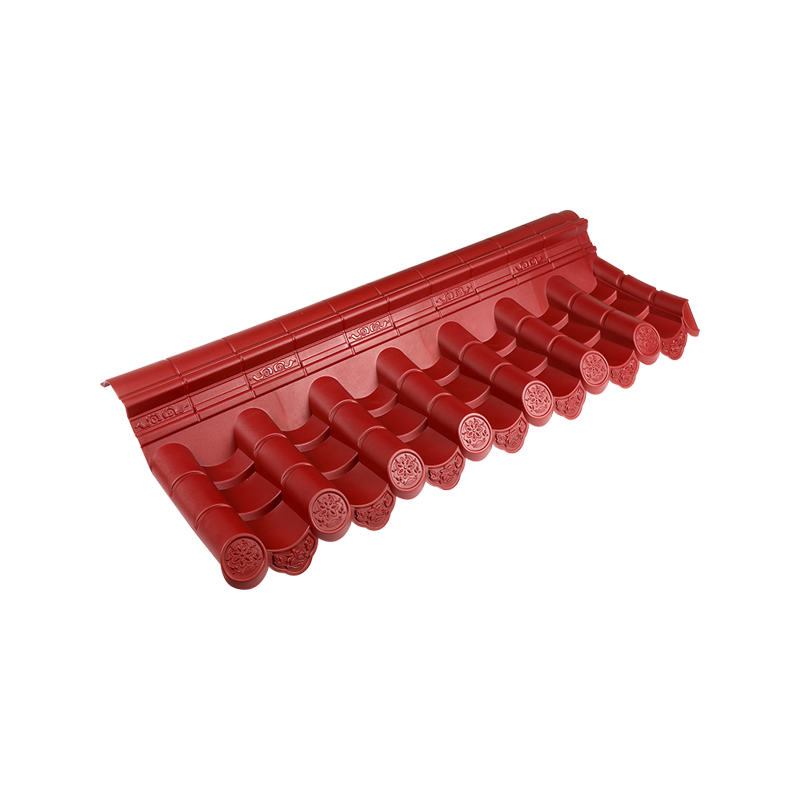
Roofing materials go well beyond practical and eco-friendly advantages by offering rich aesthetic possibilities that complement virtually any architectural direction. Whether the project involves a cutting-edge contemporary residence, a classic period-style home, or a professional commercial space, It provides roofing solutions that align beautifully with the intended design vision.
Standout visual strengths include:
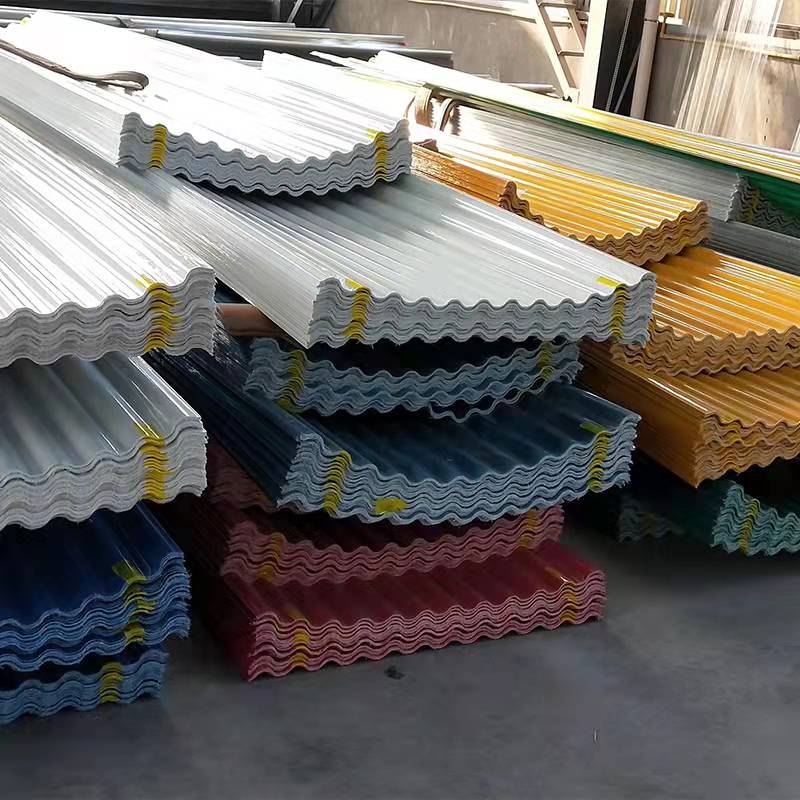
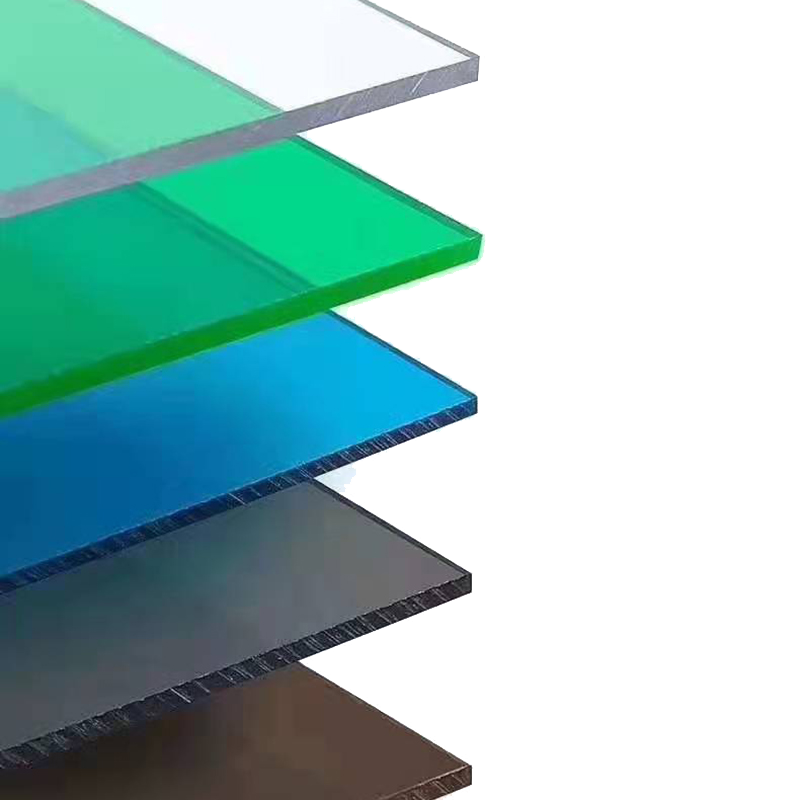
- Wide-ranging color palette — It features an extensive selection of hues, enabling precise coordination with the building's siding, trim, windows, and overall exterior scheme. Homeowners and designers can choose tones that create striking contrast, gentle harmony, or a perfectly balanced monochromatic effect.
- Varied surface textures — The lineup includes everything from ultra-smooth, modern gloss and satin finishes to soft, understated matte surfaces and subtly tactile profiles. These textural differences add dimension and refinement, helping the roof read as an intentional, high-quality design feature rather than a simple covering.
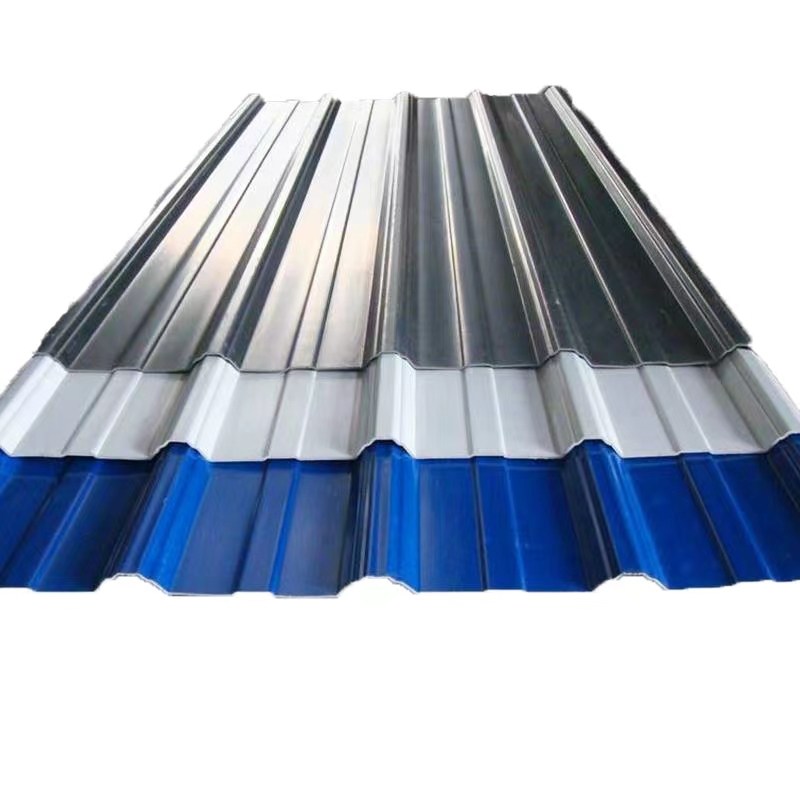
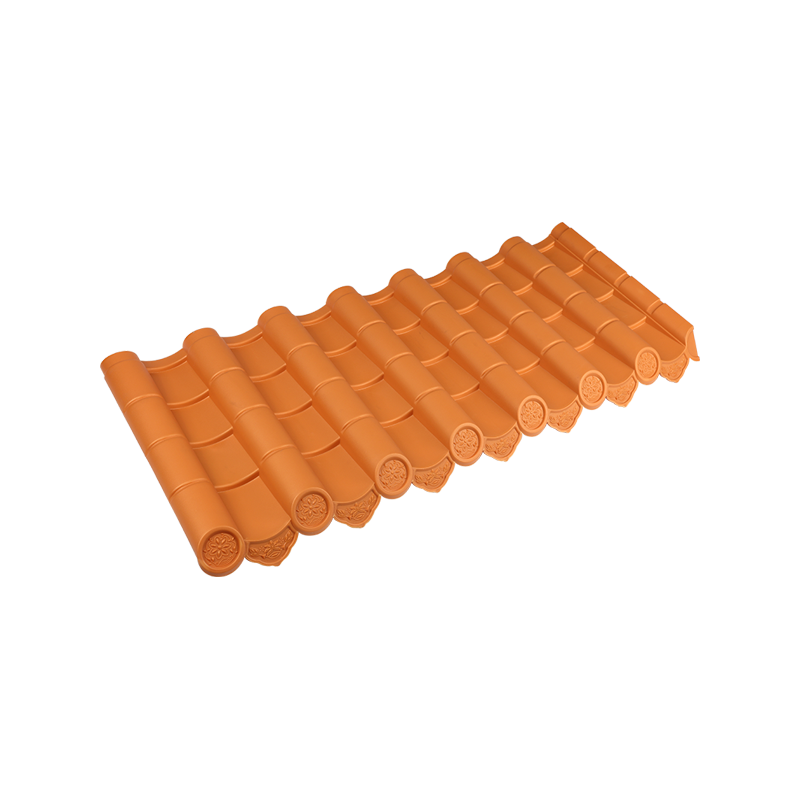
- True stylistic versatility — It supports an impressive breadth of looks, from crisp, minimalist flat or low-slope profiles ideal for current architecture to more traditional pitched shapes, standing-seam elegance, or heritage-inspired patterns. This adaptability means the roofing can genuinely serve the architectural concept instead of limiting it.
It turns the roof into a meaningful contributor to the property's character—enhancing its visual sophistication, reinforcing the chosen style, and delivering enduring beauty that continues to impress year after year.
How Do Chuanya Roofing Materials Compare to Other Roofing Options?
When it comes to roofing materials, there are many options available. However, It's eco-friendly roofing materials offer distinct advantages over traditional roofing materials.
Below is a comparison table highlighting key differences between Roofing materials and traditional roofing options:
| Feature | Chuanya Roofing Materials | Traditional Roofing Materials |
|---|---|---|
| Environmental Impact | Eco-friendly, sustainable production | Often made with non-renewable resources |
| Energy Efficiency | High insulation, reflective surfaces | Moderate insulation, may absorb heat |
| Durability | Long-lasting, weather-resistant | May require more frequent repairs |
| Maintenance | Low maintenance, resistant to common issues | Higher maintenance, prone to damage |
| Aesthetic Options | Wide range of colors and textures | Limited design choices |
This comparison showcases how Roofing materials provide superior environmental benefits, energy efficiency, and design flexibility compared to traditional roofing options.
It environmentally friendly roofing materials offer a comprehensive solution to modern roofing needs. They combine sustainability, durability, aesthetic appeal, and energy efficiency, making them a smart choice for homeowners, builders, and developers focused on creating greener and more efficient buildings. By choosing Chuanya roofing materials, you are not just investing in quality, but also contributing to a more sustainable and eco-friendly future.

 Email:
 Phone:
 Adress: