



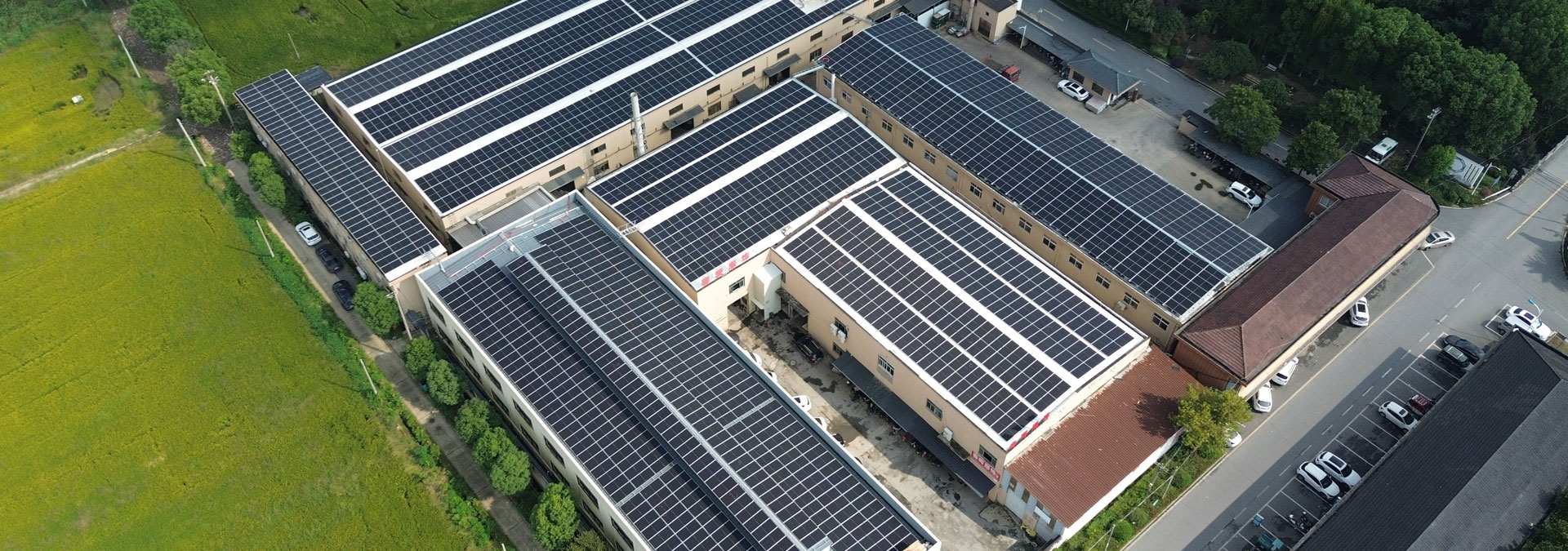
Walk through any region of China and you will see roofs that carry memory. Curved lines. Layered ridges. Surfaces that catch light in quiet ways. Roof tiles are not just coverings. They shape identity. They signal climate response. They reflect craft.

Today, the materials used in Chinese roof tiles are more diverse than many expect. Tradition still plays a role. So does manufacturing innovation. Builders now choose from clay, concrete, ceramic blends, metal systems, composite products, and even polymer-based options. Each material responds to climate, budget, and design goals.
Architects speak about performance. Contractors focus on installation efficiency. Developers look at long-term maintenance. Homeowners consider appearance and durability. The result is a wide material landscape that continues to evolve.
Why Does Clay Still Hold a Strong Position?
Clay remains deeply connected to Chinese roofing culture. The visual language of curved clay tiles is familiar in both heritage projects and new residential compounds.Natural clay is shaped, dried, and fired. The firing process transforms soft earth into a hardened surface. The color varies depending on mineral content and kiln conditions. Earth tones dominate. Some producers apply surface treatments to achieve darker or more uniform shades.
Clay tiles breathe. They allow subtle airflow beneath the surface. In humid regions, this characteristic can help reduce trapped moisture. The weight of clay also supports stability in windy areas.Builders often appreciate clay for its texture. The surface carries slight variation. No two tiles look identical. This irregularity creates depth across a finished roof.At the same time, clay requires careful handling. It can crack if dropped. Installation demands attention to alignment and spacing. When properly installed, it forms a layered system that sheds rain effectively.Clay's continued presence reflects more than nostalgia. It responds to environmental rhythm and architectural heritage.
How Has Concrete Entered the Mainstream?
Concrete roof tiles were once viewed as an alternative. Now they are widely used in residential and commercial developments.Concrete mixtures are molded under pressure. Pigments can be added during production. The result is a consistent color profile across batches. Surface coatings are often applied to reduce water absorption and maintain appearance.
Developers often choose concrete for structural stability. The weight adds resilience in regions exposed to strong winds. Concrete also supports a wide range of shapes. Flat profiles, curved designs, and interlocking systems are available.The production process allows greater dimensional uniformity than traditional clay. Contractors find this useful during installation. Tiles align more predictably.Concrete surfaces can resemble traditional clay forms. They can also take on modern lines suited to contemporary housing.While heavier than some newer materials, concrete remains a practical solution for many large-scale projects.
What Role Do Ceramic Variants Play?
Ceramic roof tiles differ from basic clay in processing and finish. They undergo firing similar to clay but often include glazing or refined surface treatments.Glazed ceramic tiles display a smooth finish. Color saturation appears deeper. In heritage-style developments, glazed surfaces create strong visual contrast along roof ridges and decorative elements.Ceramic materials resist fading. The glaze forms a protective layer against environmental exposure. In coastal regions, this surface treatment can help limit salt-related wear.Architects working on cultural or tourism projects frequently specify ceramic variants for visual impact. The finish communicates tradition while maintaining a clean appearance.Installation practices resemble those used for clay systems. Attention to alignment remains essential. When placed correctly, ceramic tiles form a continuous shell over the roof structure.
Are Metal Roof Tiles Becoming More Visible?
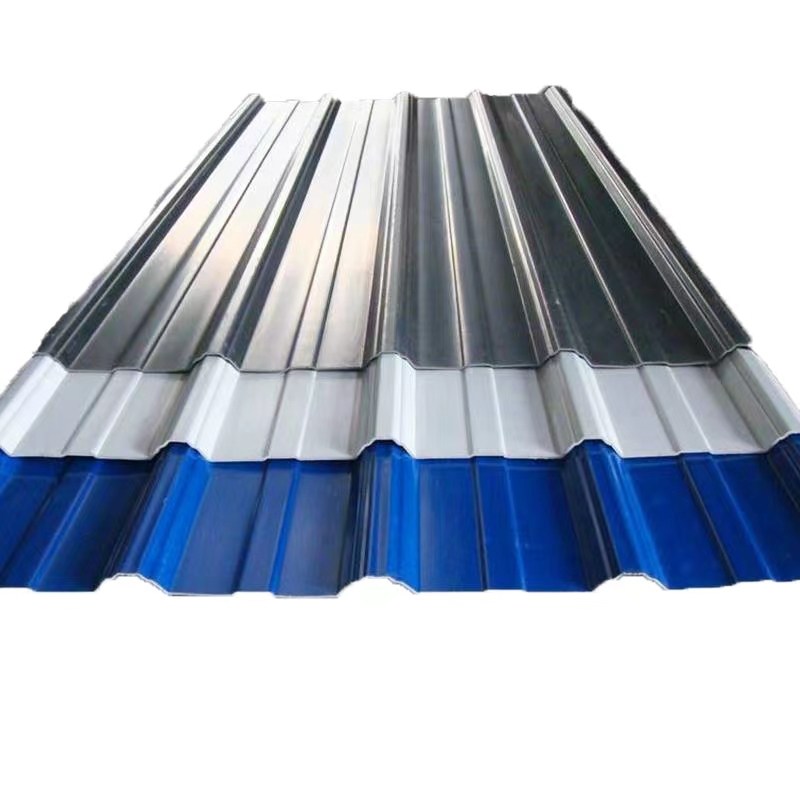
Metal has entered the roofing conversation with increasing visibility. Steel and aluminum systems are shaped to resemble traditional tile profiles.Metal roof tiles are lighter than clay or concrete. This reduces structural load. In renovation projects, lighter weight can simplify installation over existing frameworks.Protective coatings are applied to prevent corrosion. Surface finishes vary from matte tones to textured appearances. Some designs mimic the layered look of classic Chinese tiles.
Metal responds well to temperature shifts. It expands and contracts without cracking. In regions with sharp seasonal variation, this flexibility can extend service life.Sound management remains a consideration. Insulation layers beneath metal panels help reduce rain noise. Builders often pair metal tiles with thermal underlayment systems.Metal roofing does not replace traditional forms. It offers an alternative where weight, speed of installation, or structural limitations influence decisions.
What About Composite and Polymer-Based Options?
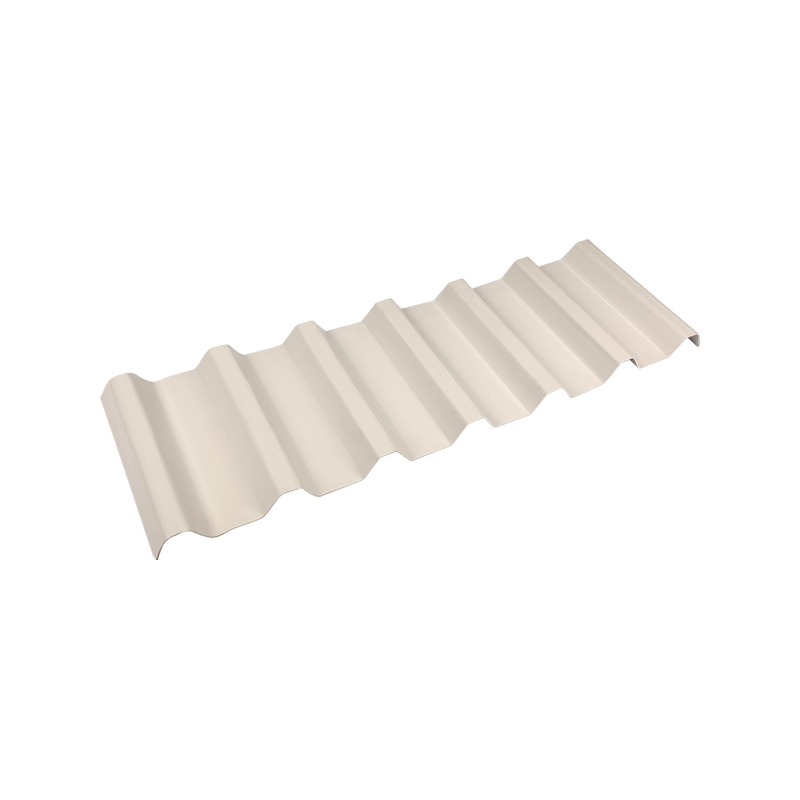
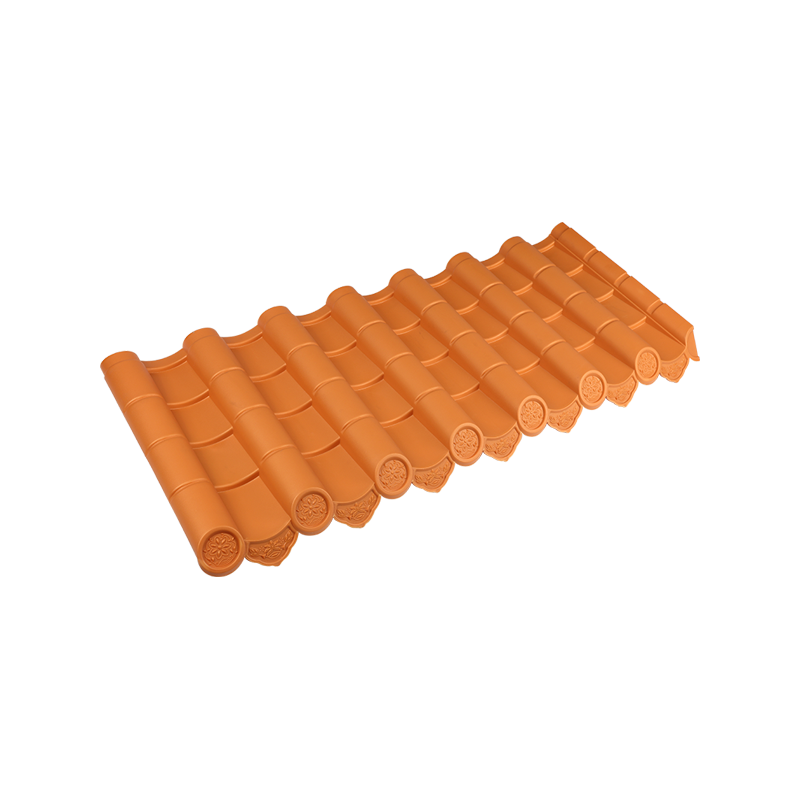
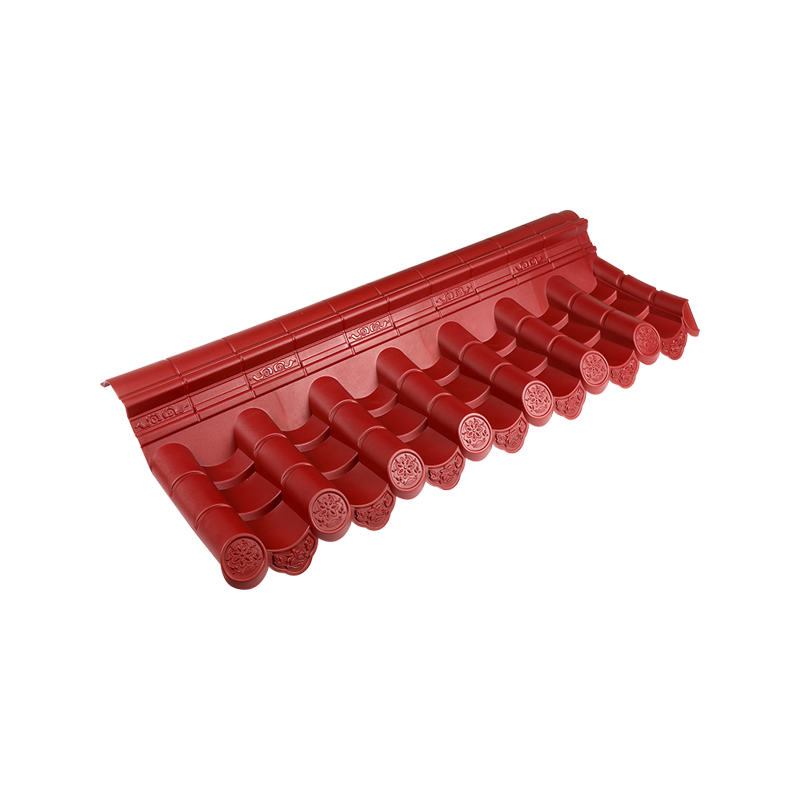
Composite roof tiles combine different materials. Some blend mineral particles with resins. Others integrate recycled components into molded forms.Polymer-based tiles are lighter than clay or concrete. They are resistant to breakage during transport. For remote construction sites, this can reduce logistical challenges.
Manufacturers design these tiles to replicate traditional curvature. Surface textures often resemble stone or ceramic finishes. Color is embedded within the material rather than applied only to the surface.Environmental discussions influence this category. Some producers highlight the use of recycled content. Others focus on energy-efficient production methods.Composite materials also address installation speed. Interlocking edges simplify alignment. Contractors can cover large areas efficiently.These products appeal to developers seeking a balance between appearance and practicality.
How Do Material Choices Compare?
The variety of materials invites comparison. Each option carries strengths and limitations.
| Material Type | Visual Style | Weight Profile | Maintenance Consideration | Typical Use Context |
|---|---|---|---|---|
| Clay | Traditional texture | Heavy | Periodic inspection | Heritage homes, villas |
| Concrete | Uniform finish | Heavy | Surface coating care | Residential projects |
| Ceramic | Gloss or matte | Heavy | Glaze monitoring | Cultural buildings |
| Metal | Profiled panels | Light | Coating upkeep | Renovations, modern housing |
| Composite | Molded forms | Light | Minimal cracking risk | New developments |
This table outlines general characteristics. Actual performance depends on installation quality and environmental exposure.
Material selection often reflects climate. In humid regions, breathability matters. In coastal zones, corrosion resistance becomes central. In mountainous areas, freeze-thaw resilience influences choice.Design intent also guides selection. Developers seeking a historic atmosphere lean toward clay or ceramic. Projects with modern geometry may choose metal or composite forms.
Is Sustainability Shaping Material Development?
Environmental awareness affects building material decisions across sectors. Roofing follows the same path.Clay production relies on natural resources. Energy use during firing draws attention. Some manufacturers explore efficiency improvements in kilns.Concrete production involves cement. Discussions about emissions encourage alternative mix strategies and longer service life planning.Metal roofing benefits from recyclability. Steel and aluminum can re-enter production cycles. This characteristic appeals to sustainability-focused projects.Composite tiles often incorporate recycled polymers. Durability reduces replacement frequency. Longer lifespan supports resource conservation.Sustainability does not hinge on a single factor. It involves material sourcing, manufacturing processes, transport logistics, and maintenance cycles. Buyers increasingly evaluate the entire lifecycle rather than initial cost alone.
How Are Aesthetics and Technology Interacting?
Design language evolves alongside material innovation. Traditional roof tiles featured sweeping curves and layered ridges. Modern projects reinterpret these forms.Some developers request simplified profiles. Others retain ornamental ridges while using contemporary materials underneath.Surface treatments now allow varied color ranges. Matte finishes create understated visuals. Textured coatings mimic aged surfaces without requiring decades of weathering.Digital modeling tools influence production molds. Tile shapes can be refined for tighter alignment and improved water flow. Subtle adjustments improve performance without altering visual identity.Technology does not erase tradition. It adapts it. The familiar silhouette remains. The underlying material system may differ.
What Factors Guide Final Selection?
Material choice rarely depends on a single criterion. Stakeholders weigh multiple concerns:
- Structural capacity of the building
- Climate exposure
- Desired visual identity
- Budget constraints
- Installation timeline
- Maintenance expectations
A coastal villa may prioritize corrosion resistance. An inland cultural center may focus on authentic appearance. A housing complex may consider speed of construction.Consultation between architects, contractors, and material suppliers shapes the final decision. Mock-up installations often help visualize the outcome before full deployment.In today's market, Chinese roof tiles represent a spectrum rather than a single product category. Clay continues to anchor tradition. Concrete supports large-scale development. Ceramic adds visual refinement. Metal introduces lightweight flexibility. Composite materials offer hybrid solutions.The roof remains one of the most visible elements of any structure. Its material speaks quietly but clearly about purpose, place, and time.


 Email:
 Phone:
 Adress: