



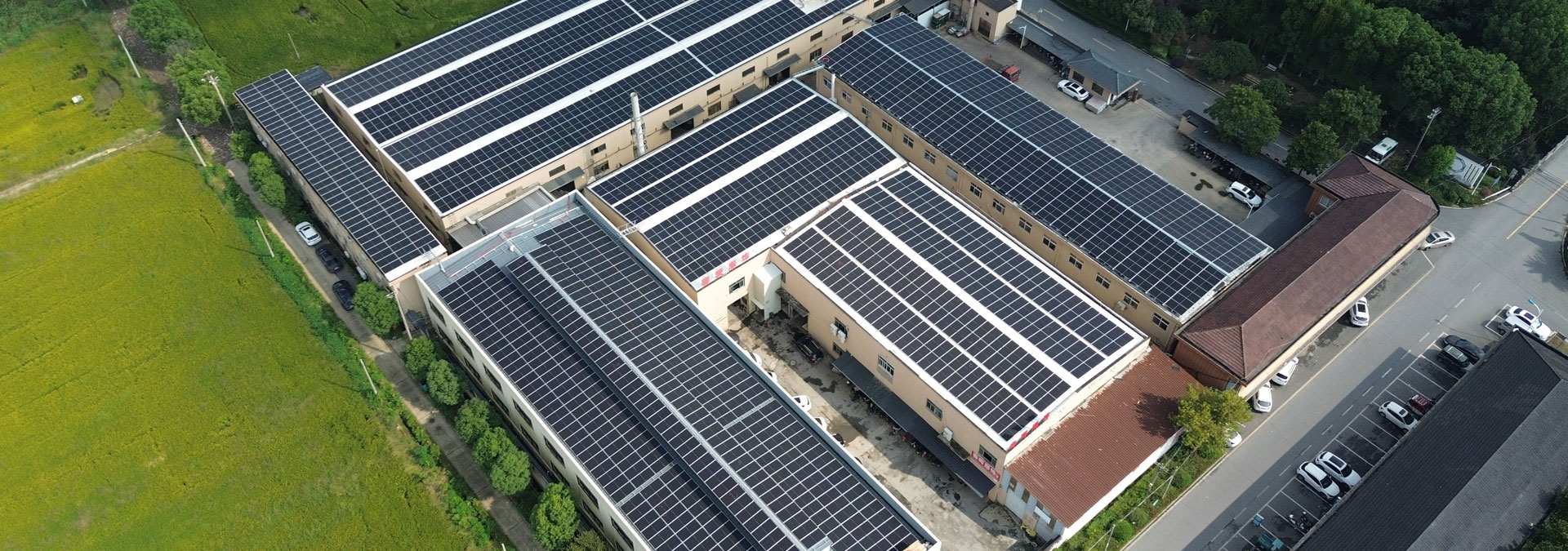
The conversation around roofing has changed. It no longer sits quietly in the background of construction decisions. It now carries weight in discussions about comfort, cost, and environmental awareness. Among the many options available, environmentally friendly roofing materials have drawn steady attention.
They are often presented as a thoughtful choice. Yet like any building solution, they come with both advantages and limitations. The value lies in understanding both sides, rather than focusing on a single narrative.
What Makes a Roofing Material Environmentally Friendly?
The idea of an environmentally friendly roof is not tied to any single material or particular style. It reflects a broader way of thinking about roofing choices.
Environmentally friendly roofing materials are shaped by several key aspects: how they are sourced, how they are produced, how they perform while in use, and how they are handled at the end of their useful life. Some materials incorporate recycled content as a starting point. Others are designed to interact thoughtfully with heat and sunlight, which helps ease the workload on a building's heating and cooling systems. There are also materials that assist with water management or work in harmony with natural surroundings.
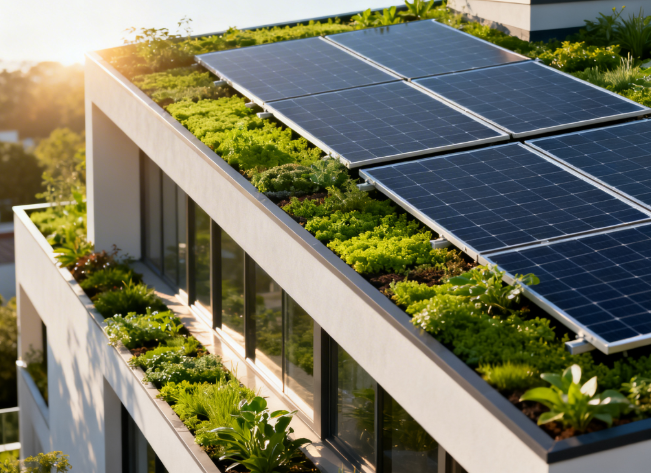
This approach moves the focus away from short-term performance alone and toward the longer-term impact the roof will have. It encourages a simple but important question: how does this roof behave and perform over many years, not just how it looks or functions on the day it is installed?
Why Are These Materials Gaining Attention?
Interest in roofing materials has grown for several reasons, and no single factor explains it completely.
Urban areas keep expanding, which increases the overall number of buildings and the demands placed on them. Energy use continues to be a major concern for property owners who want to keep long-term costs under control. At the same time, people increasingly expect buildings to provide stable and comfortable indoor conditions without depending so heavily on mechanical heating and cooling systems.
Roofing plays a quiet but meaningful role in creating this balance. A material that reflects more sunlight or handles heat in a different way can noticeably improve indoor comfort throughout the year. A longer-lasting roof reduces how often replacements are needed, which in turn lowers the cycle of production, transportation, and disposal.
These practical benefits have slowly brought roofing decisions into a much wider conversation. What was once seen mainly as a basic protective layer is now being viewed as an important part of how buildings perform, how much energy they use, and how responsibly they fit into their surroundings.
What Are the Key Advantages?
The benefits of roofing materials often appear in daily use rather than in dramatic ways. They shape how a building feels and performs over time.
1. Reduced Energy Demand
Many of these materials interact with sunlight in ways that limit heat buildup. This can ease the need for cooling in warm conditions. In cooler periods, some options help retain warmth. The result is a more balanced indoor environment.
2. Extended Service Life
Durability is often part of the design. Materials that resist wear reduce the need for frequent replacement. This lowers the flow of resources through the building over time.
3. Resource Efficiency
Some products make use of recycled content or renewable sources. This reduces reliance on newly extracted materials and supports a more circular approach to production.
4. Contribution to Urban Conditions
Roofing surfaces cover large areas, especially in dense settings. Materials that reflect light or support vegetation can influence how heat is distributed across neighborhoods. While the effect may not always be visible, it plays a role in shaping local environments.
5. Design Flexibility
There is a wide range of visual styles available. Some options blend with traditional architecture, while others introduce a more contemporary look. This allows designers to match environmental goals with aesthetic intent.
Are There Hidden Drawbacks?
The appeal of environmentally roofing materials can sometimes overshadow their limitations. A balanced view requires attention to the challenges as well.
1. Higher Initial Investment
Some materials involve a greater upfront cost. This can affect decision-making, especially in projects with strict budgets. The long-term value may offset this, but the initial step can still feel significant.
2. Installation Complexity
Certain systems require different installation methods. This may involve additional training or adjustments in construction practice. In some cases, not all contractors are familiar with these approaches.
3. Availability and Supply Factors
Access to specific materials can vary by region. This may influence project timelines or limit options. Supply chains continue to evolve, but they are not always consistent.
4. Maintenance Considerations
While many environmentally friendly materials aim to reduce maintenance, some require specific care. For example, systems that include natural elements may need regular attention to maintain their condition.
5. Perception Gaps
There can be misunderstandings about performance or durability. These perceptions may slow adoption, even when the materials meet practical needs.
How Do the Pros and Cons Compare?
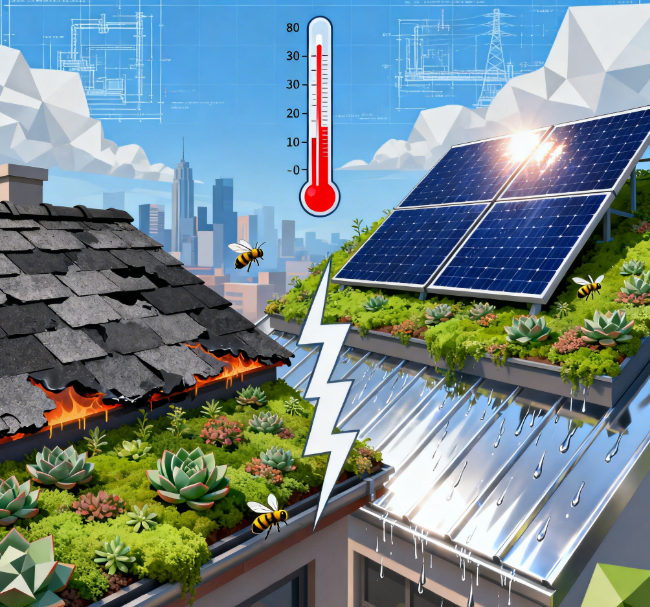
A simple comparison can help clarify the balance between benefits and challenges:
| Aspect | Advantages | Limitations |
|---|---|---|
| Energy Interaction | Supports stable indoor conditions | Performance depends on correct selection |
| Durability | Longer lifespan reduces replacement frequency | Initial cost may be higher |
| Resource Use | Encourages recycled or renewable inputs | Availability may vary |
| Installation | Can align with modern construction methods | May require specialized skills |
| Maintenance | Often designed for reduced upkeep | Some systems need ongoing care |
| Design | Wide range of styles and finishes | Choices may depend on local supply |
This comparison does not suggest a clear preference. It highlights how each factor should be considered within the context of a specific project.
Do These Materials Affect Long-Term Costs?
Cost is rarely just about what you pay at the moment of purchase. It continues to unfold and add up over the many years that follow.
Environmentally friendly roofing materials can help bring down energy use, which often means lower monthly bills for heating and cooling. Their stronger durability also reduces how often repairs are needed and delays the time until a full replacement is required. These qualities together make long-term costs more predictable and easier to manage.
That said, the higher upfront cost is still a genuine consideration. People making the decision usually compare that initial investment with the savings and advantages they expect to see over the full lifespan of the roof. The best choice depends on what matters most for the project and how long the building is planned to be in use.
There is also an indirect advantage worth noting. Buildings that show environmental awareness through their choice of roofing can attract certain buyers or tenants who value those qualities. This can strengthen the way the property is seen in the market and may lead to better resale value or rental income down the line.
In the end, these materials affect long-term costs in two main ways: through direct savings on energy and maintenance, and through quieter, broader effects on how appealing and valuable the building feels overall.
What Should Decision-Makers Consider Before Choosing?
Selecting the right roofing material is about much more than just comparing features, specifications, or price tags on a sheet. It calls for a broader and more thoughtful look at the building's real purpose, how it will actually be used day to day, and the conditions it will face for many years ahead.
Here are the key factors that decision-makers should carefully consider:
- Project Goals What is the main reason for this roofing decision? Is the top priority cutting energy use as much as possible, making the roof last for decades with minimal issues, improving comfort for the people inside, or creating a certain visual appearance? Having clear goals from the beginning helps guide the entire process and keeps the choice focused on what truly matters for that specific building, instead of picking something that sounds good but doesn't actually serve the project's real needs.
- Local Conditions The local climate, the surrounding environment, and the way the building will be used all have a major influence on how any roofing material will hold up over time. A material that performs well in one place can behave quite differently somewhere else because of variations in temperature changes, rainfall, wind, snow load, sunlight exposure, or even nearby trees and buildings that create shade. Taking the time to understand these site-specific conditions is essential if you want the roof to perform reliably for many years.
- Budget Structure It is wise to look at the complete financial picture rather than focusing only on the initial cost. This includes both the upfront investment for materials and installation as well as the expected long-term expenses such as energy bills, routine maintenance, occasional repairs, and the eventual cost of replacement. In some cases, spending less money at the start can lead to higher costs later on, while a larger investment upfront can result in meaningful savings and fewer problems throughout the roof's life.
- Installation Capability Not every roofing material is simple or straightforward to install. Some require special tools, specific techniques, or crews with particular experience. The availability of skilled local labor and contractors who are comfortable working with the chosen system can make a big difference in the quality and success of the project. Selecting a material that the available teams are not properly equipped or trained to handle can lead to installation issues that cause problems both during construction and for years afterward.
- Maintenance Expectations Different roofing systems have very different requirements for ongoing care. Some roofs need almost no attention for many years, while others require regular inspections, periodic cleaning, or occasional minor repairs. Decision-makers should be realistic about how much time, money, and effort can realistically be devoted to upkeep and choose a material whose maintenance needs match the resources that will actually be available over the long run.
By carefully thinking through all of these points, decision-makers can make a roofing choice that fits the building properly, supports its intended goals, and performs reliably for many years — helping to avoid future headaches, unexpected repairs, or unnecessary expenses down the line.
Are Environmentally Friendly Roofing Materials Always the Right Choice?
The honest answer is that it really depends on the specific context of each project. There is no single, one-size-fits-all answer that applies to every situation.
These materials do provide clear advantages in many cases. They fit well with wider goals around more responsible use of resources and increasing environmental awareness. They can also improve everyday indoor comfort by handling heat and sunlight in a more thoughtful way, and their durability often helps the entire building last longer with fewer issues over time.
At the same time, they are not a perfect or universal solution for every single roof. Real-world limitations such as tight budgets, strict project schedules, and specific local conditions — including the local climate, the type and age of the building, or how easily the materials can be obtained — all play a big part in deciding if they are the most suitable choice. In certain situations, more traditional roofing materials may still handle the immediate needs of the project more effectively and practically.
The decision should not come down to simply choosing an "environmentally friendly" label over all other options. It is really about finding the best overall fit for the particular situation, the owner's priorities, and the practical limitations involved. What works very well for one building, one owner, or one location may not be the smartest or most balanced choice for another. Taking the time to carefully consider all the different factors usually leads to the most thoughtful and successful outcome.


 Email:
 Phone:
 Adress: