



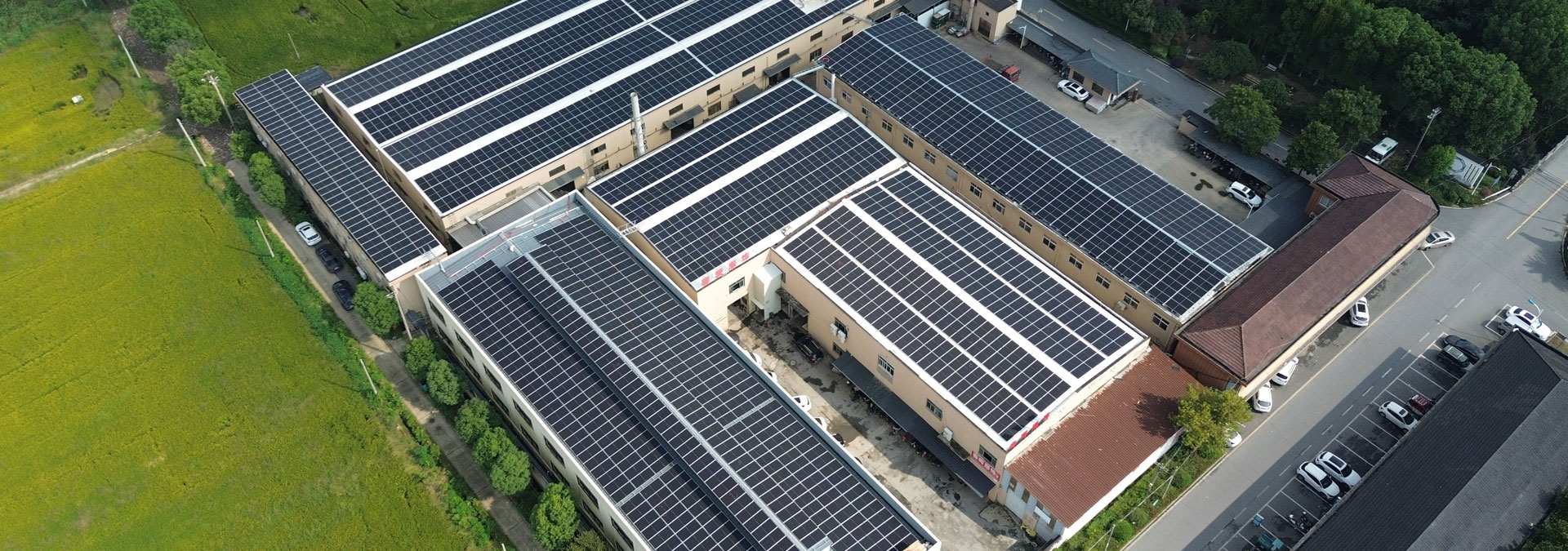
In today's construction industry, sustainability has become a fundamental requirement rather than a temporary trend. Architects, builders, and developers are giving more attention to environmentally responsible solutions that help lower carbon emissions, conserve energy, and support long-term ecological balance. Roofing is one of the most visible elements of any building. It serves not only as protection against the weather but also as a key feature that shapes the overall look and character of the structure.
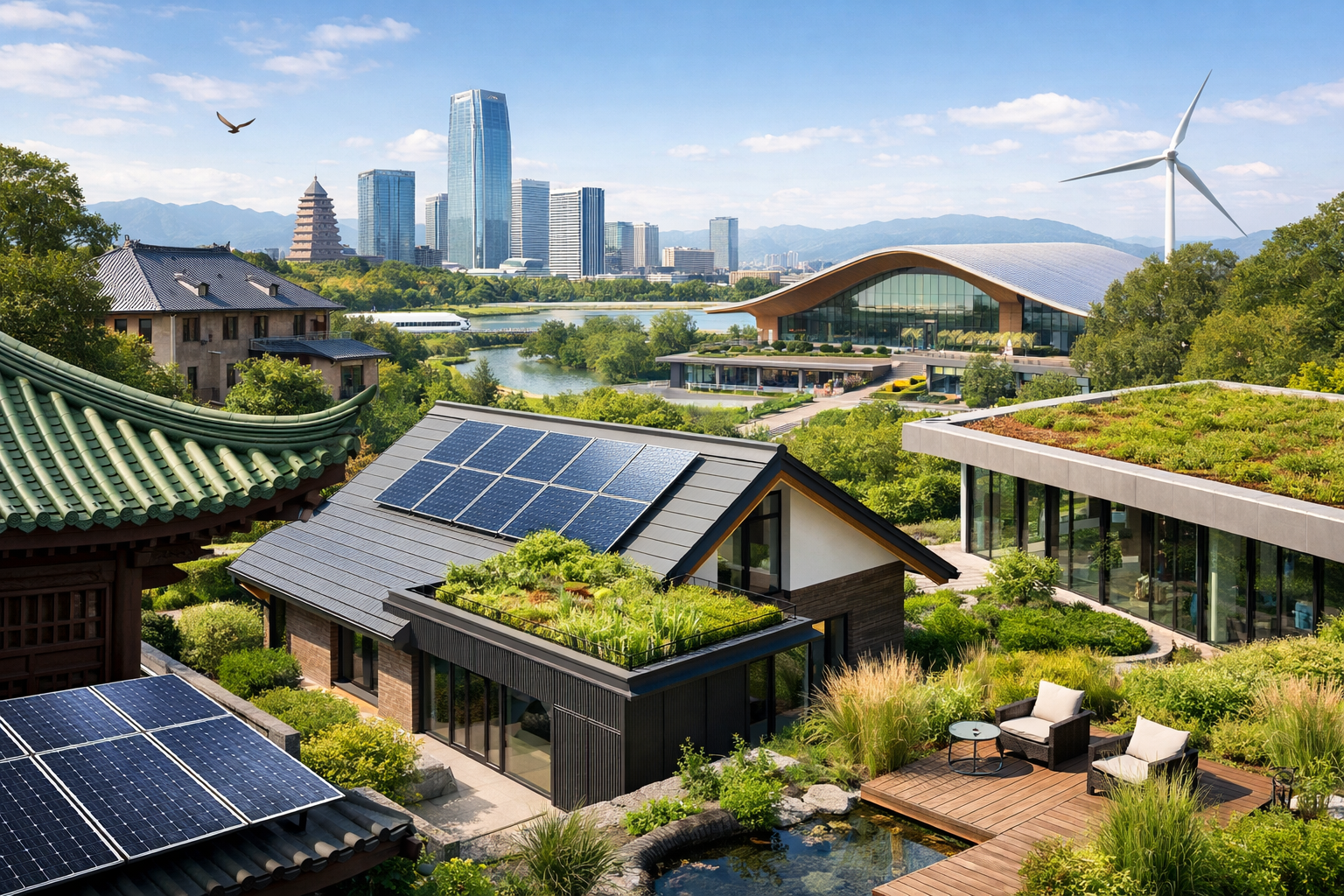
High-quality roofing materials must deliver reliable protection from a wide variety of weather conditions, contribute to energy efficiency through effective insulation and heat reflection, and remain durable for many years. However, the importance of roofing goes beyond these functional aspects. Environmentally friendly roofing materials also carry cultural and aesthetic significance. They influence how a building integrates with its surroundings and reflects local traditions and heritage.
When these materials are chosen to harmonize with different architectural styles, regional features, and natural landscapes, a roof can evolve from a simple protective layer into a meaningful design element. By combining modern technology with visual appeal, they help achieve a balanced outcome between sustainable performance and attractive appearance.
We are discussion is to explore how Chuanya's roofing materials successfully combine strong functionality with appealing design. This includes examining their energy efficiency, durability, weather resistance, and the variety of design options available to suit many different architectural styles. By focusing on the connection between technical performance, cultural expression, and environmental responsibility, this piece highlights the role of roofs as both practical and artistic elements in sustainable construction.
What are functionality and environmental benefits?
1. Material Characteristics
Chuanya's roofing materials are designed to deliver strong and reliable performance while remaining mindful of their environmental impact. They are carefully engineered to meet important functional requirements and support sustainable building practices at the same time.
Key features include:
- Recyclable Materials: These roofing products are made using ceramics, composite materials, and eco-friendly metal panels that can be fully recycled at the end of their service life. This helps reduce construction waste and promotes a more circular approach to resource use.
- High Durability and Weather Resistance: The materials are built to handle tough weather conditions, including heavy rain, strong winds, extreme temperatures, and prolonged UV exposure. This durability ensures a long service life, reduces the need for frequent repairs, and enhances overall building safety.
- Energy Efficiency: Thanks to good insulation properties and reflective surfaces, the roofing helps keep buildings cooler in hot weather and warmer during cold seasons. As a result, less energy is required for heating and cooling systems, which lowers overall energy consumption.
- Acoustic Performance: Some of these roofing solutions are specially designed to reduce noise from rain, wind, and outside surroundings. This creates a quieter and more comfortable indoor environment in both residential and commercial buildings.
| Feature | Description | Benefit |
|---|---|---|
| Recyclable Materials | Ceramics, composites, eco-friendly metals | Reduces landfill waste, supports circular economy |
| Durability & Weather Resistance | UV-resistant, wind and rain protection | Extends lifespan, minimizes repair frequency |
| Energy Efficiency | Insulation and reflective coating | Reduces heating/cooling costs, improves comfort |
2. Contribution to Sustainable Architecture
Roofing materials actively support sustainable building goals by offering both environmental and economic benefits.
- Reduction of Carbon Emissions: Using these materials helps reduce the overall carbon footprint of construction projects.
- Extended Building Lifespan: Their high durability allows buildings to last longer with fewer material replacements. This conserves natural resources and lowers long-term environmental impact.
- Lower Maintenance Costs: Strong resistance to corrosion, weathering, and biological growth greatly reduces the need for frequent maintenance and repairs.
- Resource Efficiency: The lightweight and modular design helps lower energy consumption during transportation and installation.
By choosing roofing materials, architects and builders can develop structures that meet today's sustainability standards while also reducing operational costs.
3. Technological Innovations
Chuanya integrates several innovative technologies to enhance the performance, usability, and adaptability of its roofing materials.
- Waterproof and Fire-Resistant Technologies: Advanced coatings and surface treatments provide effective protection against water damage and fire hazards, contributing to long-term building safety.
- Lightweight Solutions: These materials reduce the structural load on buildings without sacrificing strength or durability, allowing for greater design flexibility.
- Modular Design: The roofing panels are designed for straightforward installation, replacement, or upgrading. They work well for both new construction and renovation projects.
- Smart Integration Potential: Many solutions are built to integrate seamlessly with solar panels, green roofs, or rainwater collection systems, combining practical function with enhanced sustainability.
These innovations make roofing materials highly adaptable to different architectural styles and real-world needs. They fit well with today's emphasis on sustainable and resilient building design.
What are the cultural considerations?
1. Architectural Style Integration
Roofing materials are designed to blend smoothly with a wide range of architectural styles. This versatility allows architects to maintain the intended aesthetic while meeting modern sustainability standards.
- Compatibility with Multiple Styles: The materials adapt easily to traditional Chinese, European, and modern minimalist designs, providing strong flexibility for residential, commercial, and public projects.
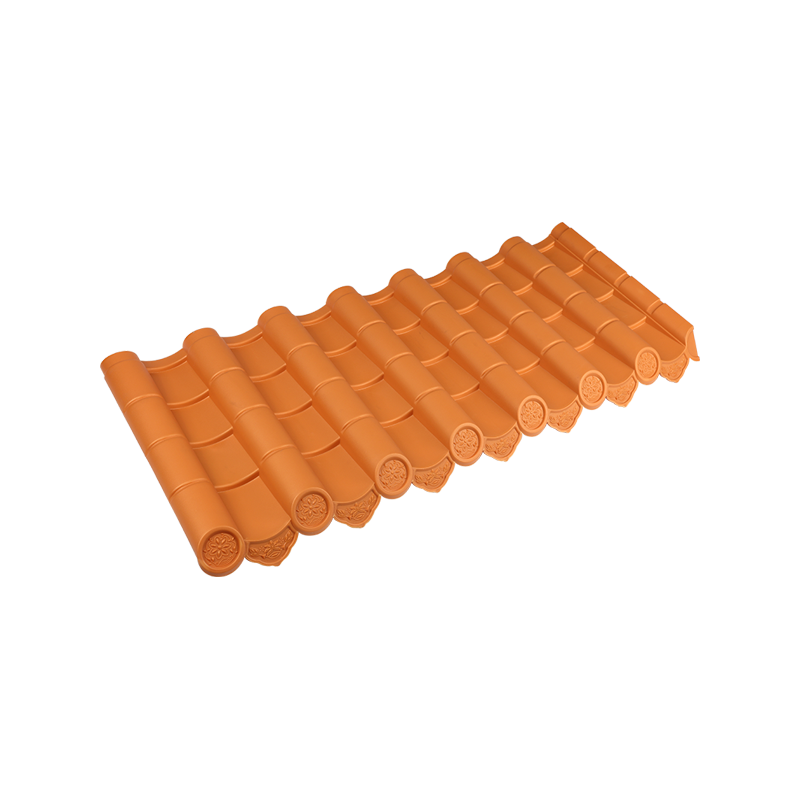
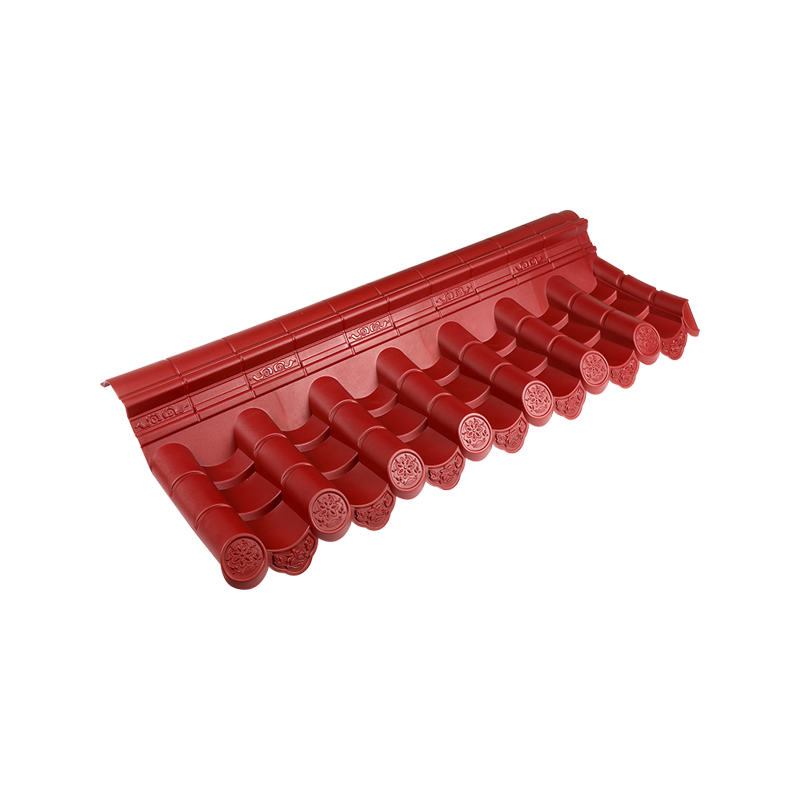
- Color, Texture, and Form: Roofing panels come in various colors, textures, and shapes. This gives designers the ability to match or reflect historical and regional architectural elements. For example, curved tiles can capture classical aesthetics, while flat panels complement contemporary minimalist structures.
- Visual Harmony: When the roofing design aligns with the overall building style, the roof enhances the building's visual appeal and creates a stronger connection with its surroundings.
| Architectural Style | Material Adaptation | Design Benefit |
|---|---|---|
| Traditional Chinese | Curved, layered tiles | Echoes heritage, cultural identity |
| European Classic | Slate or composite panels | Enhances elegance, historical accuracy |
| Modern Minimalist | Flat, uniform panels | Complements clean lines, emphasizes simplicity |
2. Regional Cultural Characteristics
Roofs often reflect local climate conditions, cultural traditions, and historical building practices.
- Integration with Local Climate: In southern regions with heavy rainfall, sloped roofs help with effective water drainage. In northern regions, flat or slightly inclined roofs are better suited for snow accumulation and insulation needs.
- Cultural Symbols and Heritage: Roofing forms and materials can embody local identity by incorporating traditional patterns, colors, or shapes specific to the area. This helps maintain cultural continuity while still delivering strong environmental performance.
3. Cultural Continuity and Innovation
Chuanya roofing materials support both preservation and innovation by bridging historical aesthetics with modern performance.
- Modern Interpretation of Traditional Design: These eco-friendly materials allow architects to reinterpret classic roof forms using contemporary construction techniques.
- Preserving Historical Elements: The materials maintain cultural authenticity while improving key functional aspects such as durability, insulation, and weather resistance.
- Design Flexibility: This balance between tradition and innovation enables creative solutions that respect heritage while meeting current sustainability standards.
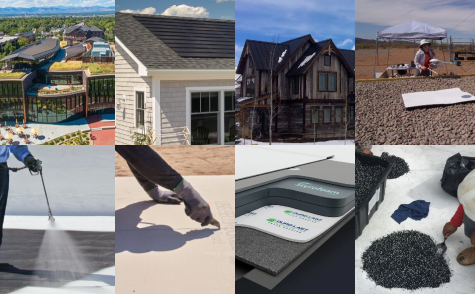
By paying attention to cultural and aesthetic considerations, Roofing materials go beyond basic functionality. They contribute meaningfully to the architectural character of the building and its surrounding environment.
What aesthetic and environmental considerations?
1. Integration with Environmental Aesthetics
Roofing materials are designed to harmonize with their surroundings, enhancing both urban and natural landscapes.
- Coordination with Surroundings: The roofs are thoughtfully designed to complement cityscapes, suburban neighborhoods, and natural environments. Materials, colors, and forms can be adapted to match the local context and create visual cohesion with nearby buildings.
- Unified Design Language: Colors, textures, and shapes can be chosen to align with the overall architectural concept, resulting in a seamless visual experience. For example, earth-toned tiles blend naturally with rural or natural landscapes, while sleek, neutral panels suit modern urban structures.
| Aspect | Design Consideration | Benefit |
|---|---|---|
| Surrounding Integration | Matching cityscape, natural and suburban environment | Enhances visual harmony and architectural coherence |
| Color & Texture | Coordinated palette, surface finish | Strengthens aesthetic appeal, emphasizes architectural identity |
| Form & Shape | Roof slope, curvature, panel geometry | Supports overall design narrative, complements building silhouette |
2. Visual Design and Versatility
Roofing solutions provide designers with a wide range of customization options.
- Variety of Colors, Textures, and Shapes: Roof panels are available in multiple shades, surface finishes, and forms to satisfy both aesthetic and functional requirements. This flexibility allows architects to adapt the materials to specific project needs, whether the style is traditional, contemporary, or a blend of both.
- Personalized Design Solutions: Customizable roofing supports individual creativity, enabling designers to express cultural themes, corporate identity, or ecological concepts directly through the roof design.
3. Modern Architectural Trends
Contemporary sustainable architecture increasingly combines roofing aesthetics with ecological functionality.
- Green Roofs and Ecological Roofs: Vegetation-covered rooftops improve environmental performance through better thermal insulation and stormwater management, while also adding natural beauty to urban and rural landscapes.
- Landscape Roofs: Roofs designed as extensions of the building's outdoor environment — including terraces and rooftop gardens — create practical and visually appealing spaces.
- Integration of Aesthetics and Ecology: By blending strong design appeal with environmental benefits, Roofing materials help architects create structures that are both visually striking and environmentally responsible.
By addressing both visual appeal and ecological performance, Roofing materials help produce buildings that are not only sustainable but also culturally and aesthetically meaningful.
Real-World Application Cases
1. Urban Residential and Commercial Buildings
Roofing materials are widely used in modern urban residential and commercial projects.
- Modern Aesthetic and Functionality: These materials align well with contemporary design preferences. They provide sleek surfaces, neutral or customizable colors, and flexible panel layouts that complement the clean lines and modern appearance of today's buildings.
- Energy Efficiency and Sustainability: With effective insulation properties and reflective surfaces, these roofs help lower heating and cooling demands. This improves overall energy efficiency while supporting broader environmental goals.
- Durability and Low Maintenance: The long-lasting performance of the materials reduces the frequency and cost of repairs, making them a practical choice for high-density urban settings.
| Application | Key Features | Benefits |
|---|---|---|
| Residential Buildings | Customizable colors, modular panels | Enhances curb appeal, supports energy savings |
| Commercial Buildings | Durable, weather-resistant materials | Reduces maintenance costs, prolongs service life |
2. Cultural and Historical Buildings
Chuanya roofing materials are well suited for heritage conservation and renovation projects.
- Preserving Traditional Style: These eco-friendly materials allow roofs to be upgraded or replaced while preserving the original historical appearance. Curved tiles, layered textures, and carefully matched colors help replicate traditional designs without sacrificing modern performance standards.
- Sustainable Renovation: The advanced materials provide improved insulation, weather resistance, and fire protection. This enhances the building's functionality while fully respecting its cultural and historical integrity.
3. Public Buildings and Landscape Projects
Public buildings and landscape projects benefit from roofing materials in several important ways.
- Enhancing Urban Environment: The roofs add visual appeal to cityscapes and blend naturally with the surrounding urban design.
- Integration with Natural Landscapes: The materials harmonize well with vegetation, parks, and waterfront areas, supporting an ecological aesthetic.
| Application | Key Features | Benefits |
|---|---|---|
| Public Buildings | Modular, durable panels | Enhances cityscape, low maintenance |
| Landscape Projects | Green roof-compatible, aesthetic textures | Integrates with natural surroundings, supports ecological function |
Roofing materials demonstrate versatility across various building types, balancing visual beauty, cultural respect, and environmental performance. Their applications highlight the synergy between functionality, sustainability, and aesthetic integration in modern architecture.
What are the design and implementation recommendations?
1. Design Phase Considerations
Using Chuanya roofing materials effectively begins in the design stage.
- Material Aesthetics and Cultural Context: Architects should carefully consider the color, texture, and shape of the roofing materials so they blend naturally with the local culture, historical surroundings, and the building's overall style. This helps the roof serve its practical purpose while also enhancing the visual appeal of the entire structure.
- Alignment with Sustainable Design Standards: Selecting these eco-friendly materials early supports important goals such as energy efficiency, resource conservation, and environmental compliance. Designers can include features like improved insulation, reflective surfaces, or modular panels to help the building meet key sustainability requirements.
- Holistic Planning: It is important to consider how the roof works together with the surrounding landscape, urban environment, and the building's internal climate control. This complete approach creates buildings that are visually harmonious and environmentally responsible.
2. Construction and Maintenance
Proper construction practices and consistent maintenance are essential for achieving both the functional reliability and aesthetic quality of roofing materials.
- Professional Installation: Choosing skilled and experienced contractors ensures the materials are installed correctly, which protects their performance and keeps their appearance intact. Thanks to their modular and lightweight design, these materials allow for precise placement, help reduce installation mistakes, and often speed up the overall construction process.
- Regular Maintenance: Periodic inspections and basic cleaning routines support the roof's visual appeal, guard against weathering or corrosion, and help extend the lifespan of the roofing materials.
- Adaptive Upgrades: Maintenance activities also make it possible to replace or upgrade individual panels as needed, allowing the roof to adapt to new architectural styles or updated environmental standards over time.
3. Collaboration with Architects
Effective implementation of these roofing materials requires close cooperation between manufacturers, contractors, and architects.
- Design Integration: Architects and suppliers can collaborate to review how particular roofing choices contribute to the project's overall design vision, cultural significance, and environmental aims.
- Customization and Flexibility: Early teamwork enables stakeholders to adjust material selections, colors, shapes, and textures to precisely fit the unique aesthetic and functional demands of each project.
- Long-Term Vision: Ongoing communication from the beginning helps guarantee that the roof not only meets technical requirements but also upholds cultural relevance and environmental responsibility for the full duration of the building's life.
By combining thoughtful design, professional installation, and collaborative planning, Roofing materials can deliver sustainable, attractive, and culturally sensitive roofing solutions suitable for many different types of building projects.
What does the future hold?
1. Unified Functionality and Aesthetics
Roofing materials demonstrate how performance, sustainability, and design can come together smoothly.
- Meeting Environmental Requirements: These materials are created for long-term durability, good energy efficiency, and recyclability, helping to promote responsible and sustainable construction practices.
- Balancing Cultural and Aesthetic Values: With various colors, textures, and forms available, the materials give architects and designers the flexibility to respect historical, regional, and cultural contexts while creating an attractive overall appearance.
- Supporting Sustainable Architecture: The strong combination of functional performance and appealing design contributes to energy savings, environmental responsibility, and improved long-term durability for buildings.
2. Diverse Design Possibilities
Chuanya roofing solutions provide architects, designers, and developers with greater freedom to pursue creative and innovative ideas.
- Flexibility Across Styles: The materials adapt easily to traditional, modern, and mixed architectural styles, allowing for a wide range of aesthetic expressions.
- Customization and Personalization: Designers can select specific colors, textures, and panel shapes to produce unique architectural features that fit each project's needs.
- Integration with Urban and Natural Environments: These roofs support cohesive cityscapes, integrate well with surrounding landscapes, and help create visually pleasing and sustainable urban spaces.
3. Future Outlook
As roofing material technologies continue to progress, Chuanya is prepared to offer solutions that link function, environmental performance, and aesthetics even more effectively.
- Material Innovation: Ongoing advancements in lightweight, durable, and multi-functional materials will enhance overall performance while advancing green building objectives.
- Ecological and Smart Integration: Future roofing systems may incorporate features such as solar energy capture, green roof components, or rainwater collection, all while preserving an attractive and clean appearance.
- Cultural Continuity with Modern Innovation: Newer materials will enable architects to maintain cultural heritage alongside modern functionality and sustainability standards.
Chuanya environmentally friendly roofing materials address both practical and ecological needs while encouraging creative architectural design. They offer a sustainable, culturally respectful, and visually appealing option for the buildings of the future.

 Email:
 Phone:
 Adress: