



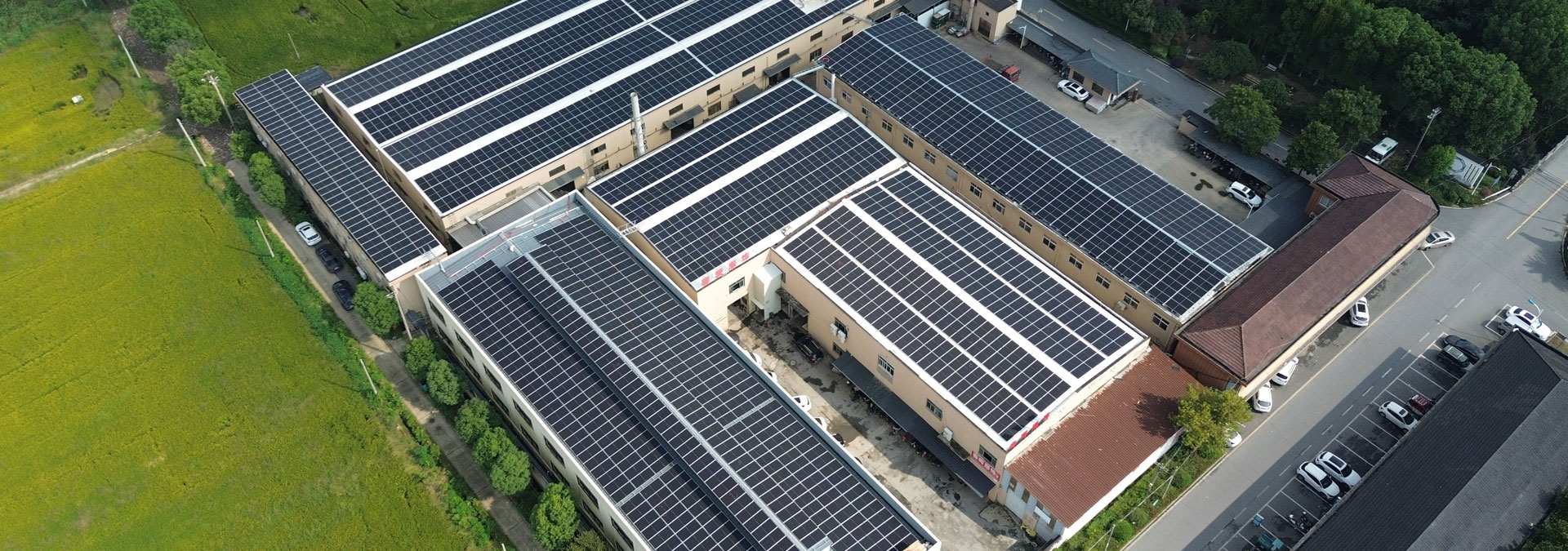
Environmental sustainability has become a central concern in modern construction. Roofing, often overlooked in discussions about green building, plays a crucial role in energy efficiency, resource conservation, and overall environmental impact. Choosing the right Environmentally Friendly Roofing Materials can reduce energy consumption, minimize waste, and support healthier living environments. But what exactly counts as an environmentally friendly roofing material, and how can property owners make informed choices?
Why Does Roofing Impact the Environment?
Roofs play a much larger role in environmental impact than many people realize because they cover such a substantial portion of buildings and homes. They directly affect how much energy is needed for heating and cooling, how stormwater runs off into drainage systems, and even the overall temperature of surrounding areas. Traditional roofing materials are often produced through processes that consume a great deal of energy, and many of them are difficult or impossible to recycle once they reach the end of their lifespan. As a result, old or worn-out roofing frequently ends up adding significant volumes of waste to already overcrowded landfills. Another important consideration is energy efficiency. Roofs that feature reflective surfaces or strong insulation can dramatically lower the amount of energy required to keep indoor spaces comfortable, which in turn helps reduce greenhouse gas emissions from power plants. When builders and homeowners choose sustainable roofing options, they are not only helping to protect the environment over the long term but are also able to bring down the day-to-day operating costs of the building through improved energy performance and greater durability.
What Types of Environmentally Friendly Roofing Materials Exist?
Several categories of roofing materials are recognized for their lower environmental impact. Each comes with distinct advantages, suitable applications, and maintenance considerations. Common options include:
| Material | Description | Environmental Benefit |
|---|---|---|
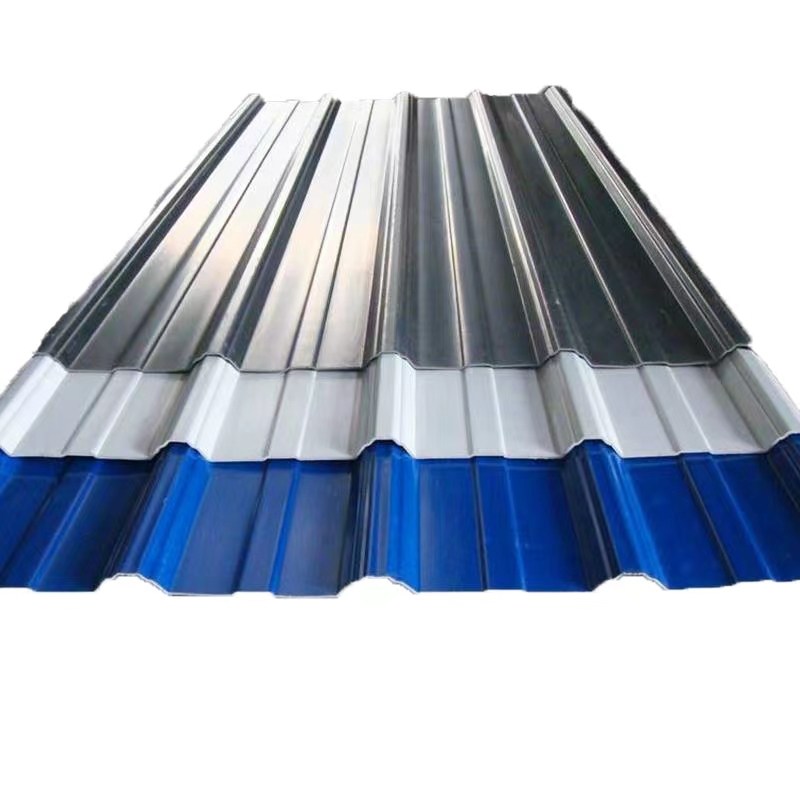
| Metal | Often recycled aluminum or steel | Durable, recyclable, reflective surfaces reduce energy use |
| Clay or Concrete Tiles | Naturally sourced materials formed into tiles | Long-lasting, recyclable, can improve thermal regulation |
| Wood Shingles | Harvested from sustainably managed forests | Biodegradable, renewable, low energy in production |
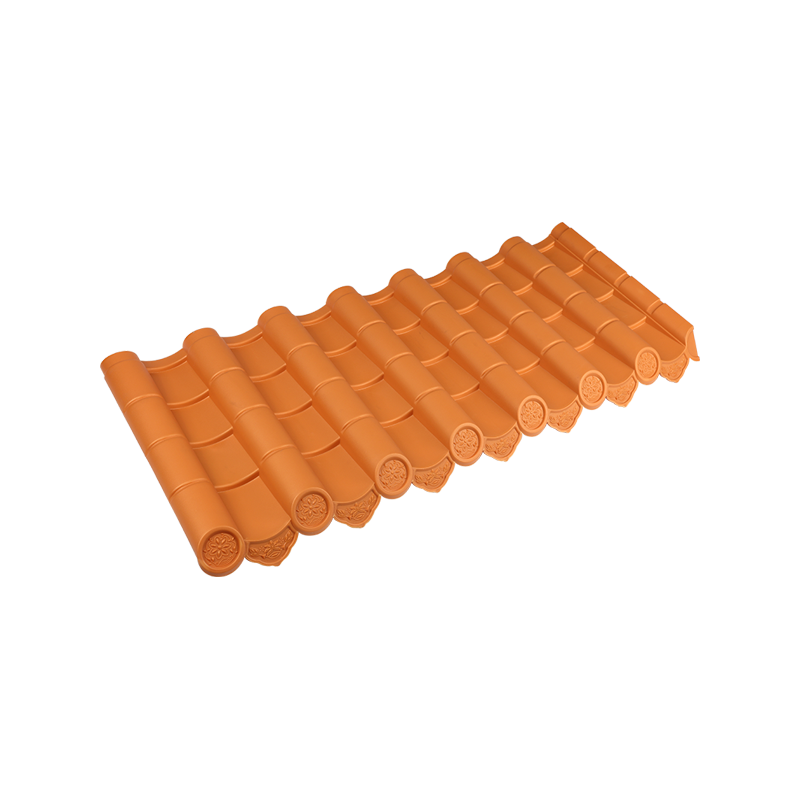
| Rubber or Synthetic Shingles | Made from recycled tires or plastics | Reduces waste, durable, can mimic traditional roofing aesthetics |
| Green Roofs | Vegetative layers installed over a waterproof membrane | Improves insulation, absorbs rainwater, supports biodiversity |
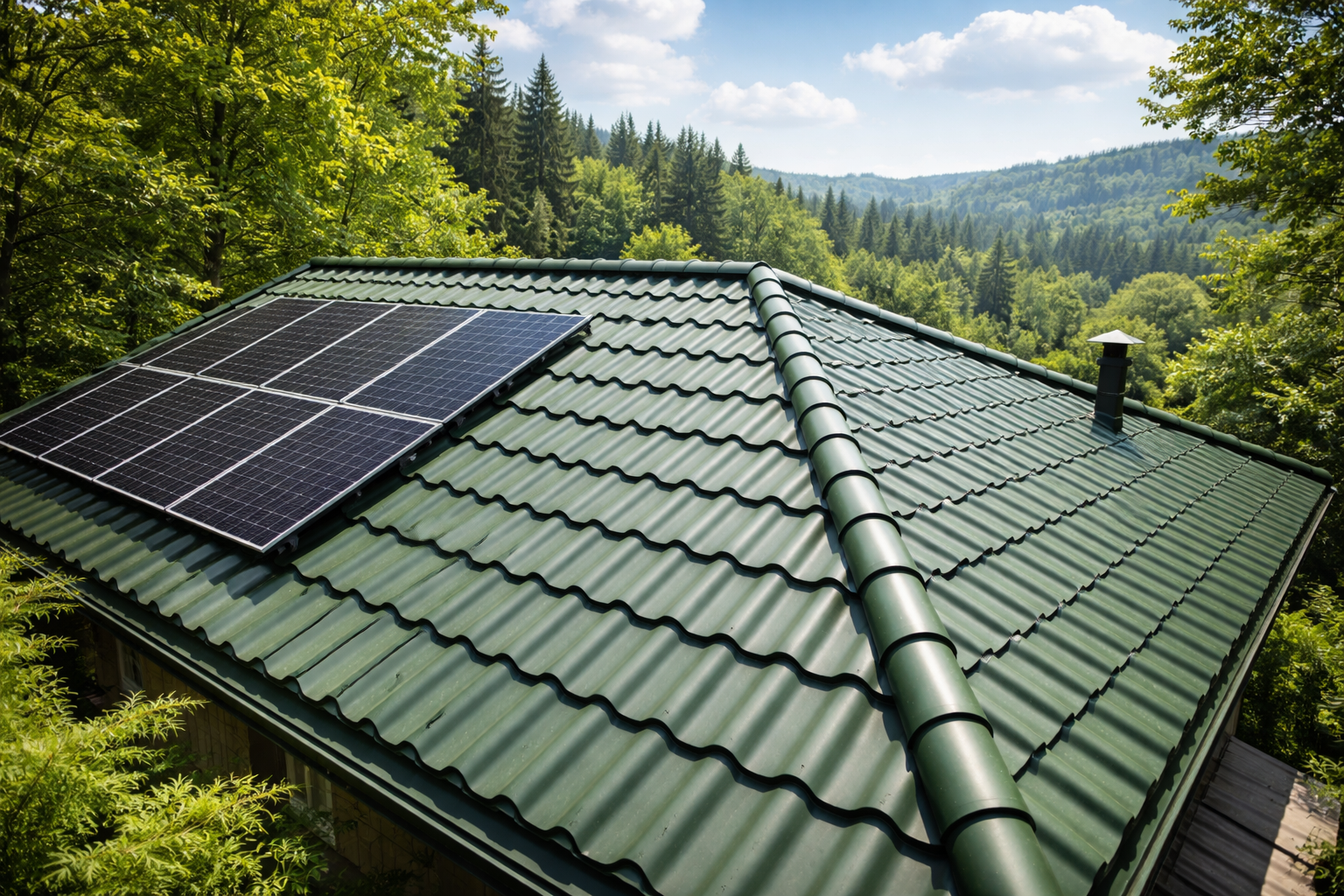
| Solar Shingles | Integrated photovoltaic cells | Generates renewable energy, offsets building energy use |
| Slate | Natural stone tiles | Extremely durable, minimal maintenance, long life reduces replacement frequency |
Each material has environmental strengths and trade-offs. Decisions often depend on local climate, building design, and resource availability.
How Does Energy Efficiency Factor Into Roofing Choices?
Energy efficiency plays a central role when making thoughtful roofing choices, especially in the context of green building practices. The right roof can have a noticeable effect on how much energy a building consumes over its lifetime. Reflective roof surfaces, for instance, work by bouncing a large portion of incoming sunlight back into the atmosphere instead of allowing it to heat up the interior spaces below. Materials with strong insulating properties further help by slowing down the transfer of heat through the roof, making it easier to keep indoor temperatures stable without relying heavily on heating or air conditioning systems. In warmer climates, roofs made of metal or tile have been shown to cut down the demand for cooling quite effectively, while green roofs offer even more benefits—they provide an extra layer of insulation, absorb solar radiation, and help moderate temperatures in the air surrounding the building.
At the same time, roofing has a broader environmental impact because roofs cover such a large share of built environments. They influence not only heating and cooling needs but also how stormwater flows off structures and into local drainage systems. Many conventional roofing materials require energy-intensive manufacturing processes, and once installed, they are often difficult to recycle or may break down relatively quickly. This leads to substantial amounts of roofing waste heading to landfills each year. By contrast, choosing energy-efficient and sustainable roofing options—such as reflective, well-insulated, or green systems—can meaningfully reduce a building's carbon footprint. These choices lower greenhouse gas emissions associated with ongoing energy use and support more responsible, cost-effective building operations over the long term. In the end, selecting the right roofing materials allows structures to contribute positively to environmental preservation while also reducing everyday operating expenses.
Are Recycled Materials a Good Option?
Recycled materials have become a strong and practical choice for many roofing projects today. They offer a smart way to address two major environmental concerns in one step. On one hand, using recycled content significantly cuts down on the need for virgin raw materials that would otherwise have to be freshly mined, harvested, or manufactured from scratch. This helps preserve valuable natural resources and reduces the heavy energy consumption that typically goes into producing new roofing products. On the other hand, giving these materials a second useful life keeps large amounts of old roofing waste from piling up in already strained landfills.
Recycled metal roofing systems, rubber-based shingles, and composite tiles made from recycled plastics are now readily available and widely installed in both homes and commercial buildings. Beyond these, reclaimed wood shingles and salvaged slate tiles can also be thoughtfully repurposed in suitable applications. When the condition of the reclaimed materials is still good, they not only perform well but also bring a unique sense of character, texture, and history to the finished roof, all while helping to lighten the overall environmental impact of the project.
Even though opting for recycled roofing materials may involve a somewhat higher initial investment in some cases, their proven durability and extended service life often make them cost-effective in the long run. This approach continues to gain favor as more people recognize the benefits of reducing waste and supporting a more sustainable, circular way of building.
What About Roof Longevity and Maintenance?
Roof longevity and proper maintenance are essential factors when it comes to creating truly sustainable roofing systems. A roof that is designed and built to endure for many years reduces the need for repeated replacements and repairs, which in turn lowers the overall environmental burden associated with manufacturing, transporting, and disposing of roofing materials. Materials that naturally resist weathering, decay, and physical damage help extend the roof's useful life considerably. Options such as metal, clay, concrete, and slate roofs are well known for their ability to last several decades, often with only routine, minimal maintenance required to keep them performing well.
Green roofs and solar shingles, while offering valuable energy savings and ecological benefits over the long term, may call for more specialized care to maintain their effectiveness. Regardless of the roofing type selected, ongoing maintenance plays a critical part in preserving its sustainability value. Regular practices like scheduling thorough inspections at set intervals and performing necessary cleaning help catch potential issues early and prevent minor wear from developing into major problems. By committing to these straightforward maintenance steps, building owners can maximize the environmental advantages of their roof and ensure it delivers reliable performance and resource efficiency for as long as possible.
How Do Water Management and Roof Runoff Play a Role?
Roofs play an important role in how rainwater interacts with the built environment and local water systems. The materials chosen for a roof and the way the roof is designed can either increase environmental strain or support more responsible water handling.
- Many conventional roofing surfaces, such as standard asphalt shingles or other low-permeability materials, cause rainwater to run off very quickly. As the water moves across the roof, it frequently collects dirt, debris, and chemical residues before flowing straight into storm drains and eventually making its way into rivers, lakes, and other natural waterways.
- This fast-moving runoff often adds to water pollution problems and raises the risk of flooding in cities and towns, especially during intense rainstorms.
- More sustainable roofing options provide a much more effective way to manage water. Green roofs, for instance, can absorb a large volume of rainfall, while permeable tiles and well-sealed recycled materials help slow the water down, naturally filter out impurities, and in some cases allow water to be held on the roof rather than rushing away.
- By reducing both the amount and the speed of runoff, these materials help limit flooding and result in cleaner water entering local drainage networks.
When these sustainable roofing solutions are combined with thoughtfully designed drainage systems, the benefits increase even further. This pairing makes urban areas more resilient to heavy weather events and contributes to better overall water quality in the community. Making careful decisions about roofing and water management is therefore a meaningful way to support healthier, more sustainable neighborhoods and cities.
Are Green Roofs and Solar Solutions Practical Everywhere?
Green roofs and solar roofing solutions deliver real environmental benefits, yet they are not automatically practical for every building or location. Their success depends heavily on factors such as the structure's ability to support added weight, the local climate conditions, and the available budget for installation and ongoing care.
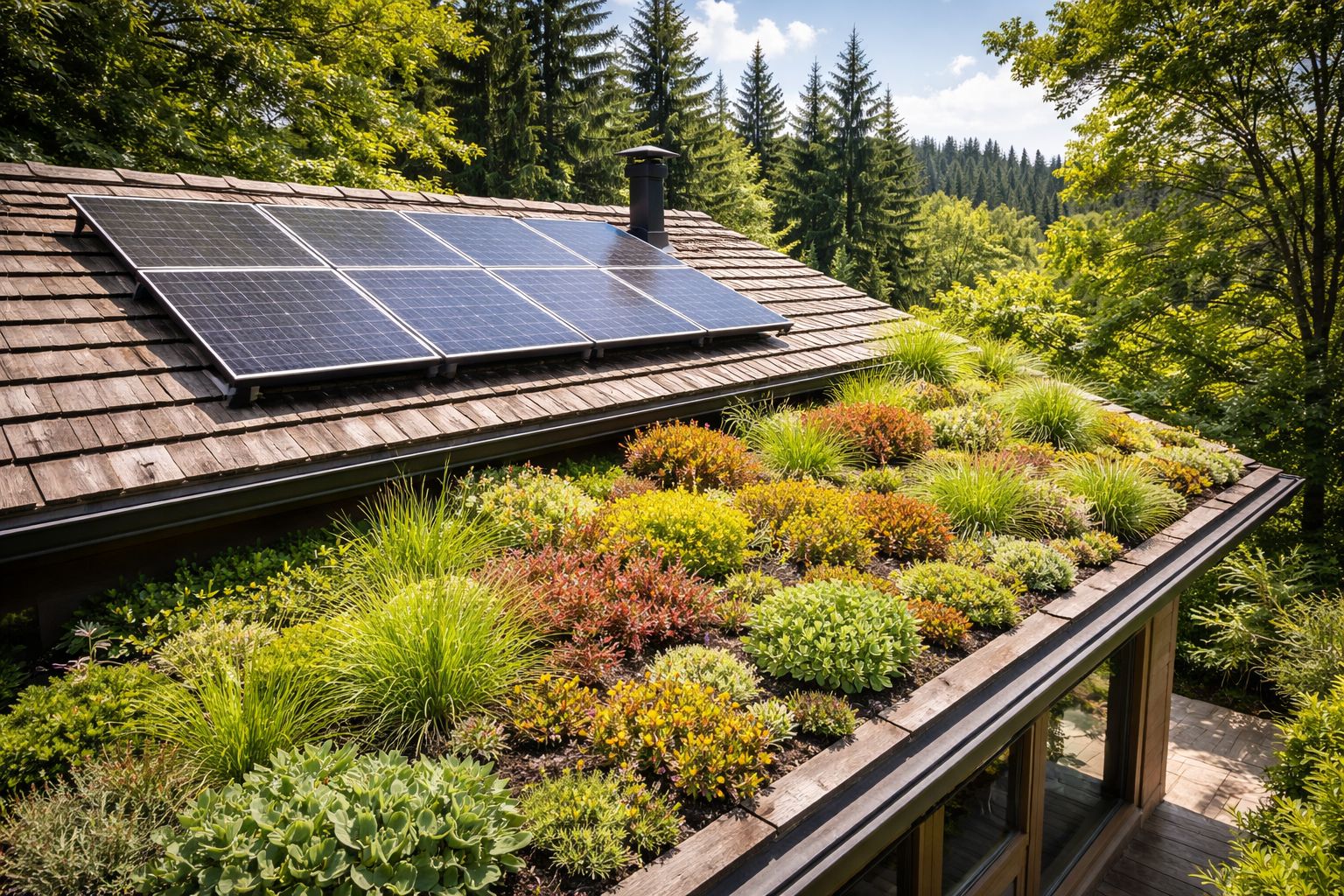
Vegetative roofs require a strong, well-engineered support system to safely carry the extra load of soil, growing medium, plants, and retained water. When these requirements are met, green roofs become especially valuable in crowded urban environments. They help reduce the urban heat island effect, moderate surrounding air temperatures, and improve local air quality by naturally filtering out pollutants and dust.
Solar shingles offer a different but equally promising approach. By converting sunlight into electricity directly on the roof, they support greater energy independence for the property and can lead to noticeable long-term savings on energy costs.
Successfully integrating green roofs, solar shingles, or a combination of both calls for thoughtful planning from the earliest stages of a project. Structural evaluations, climate suitability, maintenance considerations, and cost implications all need to be carefully weighed.
Although these technologies may not suit every roof or every region, when the conditions are right, they provide substantial and lasting environmental gains. Both green roofs and solar solutions represent meaningful progress toward more sustainable and responsible building practices.
What Are the Emerging Trends in Sustainable Roofing?
Sustainable roofing is advancing rapidly as the industry continues its shift toward more environmentally responsible solutions. Research teams are actively exploring and developing promising new materials and technologies, including biodegradable composites, shingles capable of generating energy, and advanced surfaces that can clean themselves over time. At the same time, stronger collaboration between manufacturers, architects, and builders is resulting in innovative roof designs that significantly reduce their overall environmental footprint without sacrificing durability, reliability, or visual appeal. Urban planners are also playing an important role by advocating for updated policies and regulations that promote the wider adoption of green roofs and the increased use of recycled materials in both new construction and major renovation projects. As these developments continue, sustainable roofing is moving well beyond its earlier status as a niche or specialized choice. It is quickly becoming a mainstream expectation and standard practice in any construction project that places a genuine priority on long-term environmental responsibility and performance.
How Can Property Owners Make Informed Choices?
Property owners who want to choose a more environmentally friendly roof need to take a thoughtful and thorough approach. The decision involves looking at several important factors to make sure the selected roofing system is not only better for the environment but also a good fit for the specific building and its location.
Here are the key considerations to keep in mind:
- Material Life Cycle: Take time to evaluate the full impact of the roofing material, from how it is produced and transported to how it is installed and eventually disposed of or recycled at the end of its life.
- Local Availability: Whenever possible, select materials that are sourced or manufactured close to the project site. This helps reduce transportation-related emissions and supports the local economy.
- Energy Efficiency: Look closely at how well the roof can help manage indoor temperatures. Features such as reflective surfaces, effective insulation, or the ability to generate energy (like solar shingles) can make a big difference in lowering energy use over time.
- Maintenance Requirements: Consider how much ongoing care the roof will need and how durable it is likely to be. A roof that requires frequent or expensive maintenance may lose some of its environmental advantages if it needs early replacement.
- Financial Factors: Weigh the initial cost of the roofing system against the potential long-term savings. These savings can come from reduced energy bills, fewer repairs, and less frequent full replacements.
- Regulatory Compliance: Check local building codes, zoning rules, and any available incentives or rebates for using sustainable roofing materials. Meeting these requirements can sometimes make greener options more affordable.
By carefully weighing all of these elements, property owners can select a roofing solution that is genuinely environmentally responsible while also meeting the practical needs and conditions of their particular building. This balanced approach leads to better outcomes for both the environment and the owner.
What Are the Broader Benefits Beyond Environmental Impact?
Environmentally friendly roofing offers many important benefits that stretch far beyond simply helping the environment. These advantages reach into areas such as human health, daily comfort for people inside the building, long-term financial savings, stronger community well-being, and greater resilience in both cities and suburban neighborhoods.
Green roofs, for example, quietly improve local air quality by naturally catching and filtering out pollutants and tiny airborne particles. At the same time, they add patches of living greenery to urban and suburban landscapes, creating small natural spaces that support biodiversity. Birds, helpful insects, and native plants all gain places where they can live and grow, even in areas crowded with buildings and pavement.
Solar shingles bring another clear benefit by turning sunlight into clean electricity directly on the roof. This helps lower a building's dependence on fossil fuels and often leads to noticeably smaller energy bills for owners and residents year after year.
The choice of recycled and highly durable roofing materials also reduces the overall amount of waste created during construction and when roofs eventually need replacing. By keeping materials in use for much longer periods and cutting down on the need for new raw resources, these options help build a more circular economy—one in which materials are reused and recycled rather than constantly thrown away.
In addition to these practical gains, sustainable roofing frequently increases the value of a property. As more buyers and renters become aware of environmental issues, they actively look for homes and commercial buildings that show a genuine commitment to responsible practices. A well-chosen sustainable roof can therefore make a property more attractive and desirable in today's real estate market.
Selecting environmentally friendly roofing helps buildings meet society's growing expectations for more thoughtful and responsible construction. When you consider all of these broader benefits together, sustainable roofing becomes a smart, worthwhile investment that benefits individual property owners, improves living conditions, and contributes to healthier, more resilient communities over the long term.


 Email:
 Phone:
 Adress: