



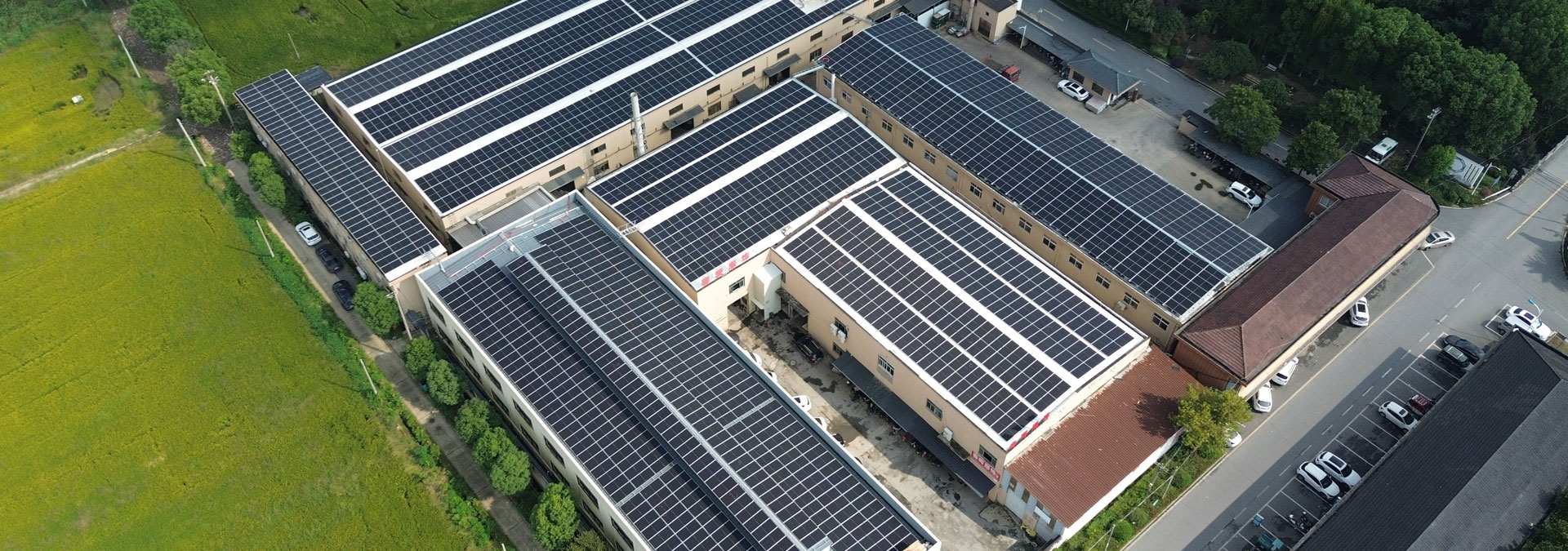
The roof has always carried quiet responsibility. It shields interiors from wind, sun, and rain. It shapes how a building ages. Yet in recent years, its role has expanded. A roof is no longer only a barrier. It is now part of a wider conversation about resources, comfort, and long-term impact.
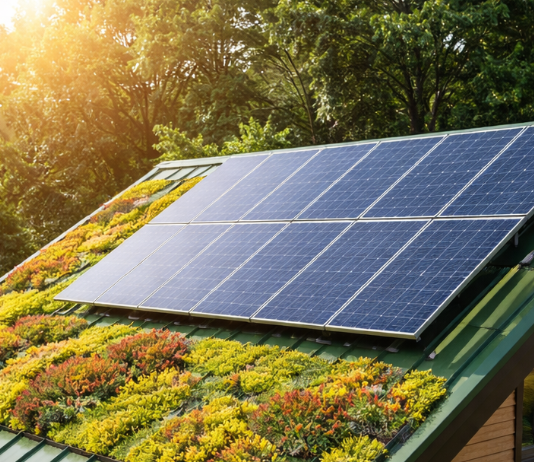
Environmentally friendly roofing materials sit at the center of this shift. They are discussed in design studios, construction sites, and supply chains. Their value is often described in simple terms, yet the reality is layered. It touches not only the environment but also economics, aesthetics, and human experience.
What Defines an Environmentally Friendly Roof?
The phrase "environmentally friendly roof" can feel broad and is often used in marketing. At its core, though, it comes down to a few straightforward ideas.
An environmentally friendly roof is shaped by three main things: how it is made, how it performs during its life, and how it is handled at the end of its life.
- Materials are often chosen because they come from renewable sources or include recycled content.
- The production methods focus on reducing waste.
- The finished roof interacts with heat, light, and water in ways that help reduce the burden on the surrounding environment.
The idea is not tied to any single material. Instead, it describes an overall approach. It encourages a shift in thinking — moving away from just short-term installation toward choices that support long-term environmental balance.
Why Does Material Choice Matter More Than Before?
Construction decisions used to focus on cost and durability alone. That focus is still present, yet it no longer stands alone.
Urban growth has increased pressure on energy use. Climate patterns feel less predictable. At the same time, building users expect comfort without heavy reliance on mechanical systems. Roofing materials sit at the intersection of these concerns.
A conventional roof may trap heat or degrade in ways that create waste. An alternative material can influence indoor temperature, reduce the need for artificial cooling, and extend the usable life of the structure.
The shift is not driven by a single factor. It is shaped by changing expectations from property owners, developers, and even occupants. The roof has become part of a broader system rather than a separate layer.
How Do These Materials Influence Energy Use?
Energy use stands out as one of the most noticeable ways that roofing choices affect a building. The materials selected for the roof play a direct role in how much energy is needed to keep indoor spaces comfortable throughout the year.
Different materials interact with sunlight and temperature in distinct ways. Some are designed to reflect a larger amount of sunlight rather than absorbing it. Others take in heat more gradually and then release it at a slower, more controlled pace. These natural behaviors influence the indoor climate in meaningful ways. When the roof keeps excessive heat from entering the building during hot weather, the cooling system does not have to work as hard or as often. In cooler seasons, materials that help retain warmth inside can ease the demand on heating systems.
What makes this influence especially practical is that it does not depend on adding complex technology or extra equipment. It begins right at the roof's surface. The color of the material, its texture, and even its overall structure all contribute to how it handles heat, light, and air movement.
Over time, buildings with these kinds of thoughtful roofing choices often enjoy more consistent and stable indoor temperatures. This stability means people inside can experience better comfort without needing to make frequent adjustments to thermostats or relying heavily on heating and cooling equipment. The result is often lower energy consumption and a quieter, more even living or working environment.
What Role Does Longevity Play in Sustainability?
Durability is sometimes overlooked in conversations about what makes a roof environmentally responsible, yet it remains one of the most important pieces of the puzzle.
- Longevity reduces the frequency of replacement: When a roof lasts significantly longer, the need for full replacement comes much less often. This breaks the repeated cycle of manufacturing new roofing materials, shipping them to the job site, installing them, and eventually removing and disposing of the old roof.
- Even modest extensions in lifespan make a real difference: Adding just a few extra years to a roof's service life can lead to noticeable reductions in total resource consumption, energy use, and waste generated over the decades.
- Environmentally friendly materials emphasize resilience: Many of these materials are specifically designed to be tough and long-lasting. They are built to endure constant exposure to sun, rain, wind, snow, and temperature swings without deteriorating rapidly.
- They perform better under stress: Some materials resist cracking or splitting over time, while others maintain their strength and shape even after going through hundreds of freeze-thaw cycles or intense heat fluctuations.
- It lowers long-term maintenance needs: A durable roof typically requires fewer repairs and touch-ups throughout its life. This means less labor, fewer replacement parts, and a smaller ongoing use of additional materials and resources.
- Sustainability is about performance over time, not just ingredients: Being environmentally friendly is not limited to the source of the raw materials or the production process. A big part of the picture is how long the roof continues to function effectively before it reaches the end of its useful life.
Longevity plays a central role in sustainability because it slows down the entire cycle of resource extraction, production, and disposal, helping to keep the overall environmental impact much lower for many years.
Can Roofing Materials Affect Urban Environments?
The impact of roofing extends beyond individual buildings. It contributes to the broader character of urban spaces.
In dense areas, large surfaces of traditional roofing can absorb heat and release it slowly. This effect can influence the temperature of entire neighborhoods. Environmentally friendly materials often aim to soften this impact.
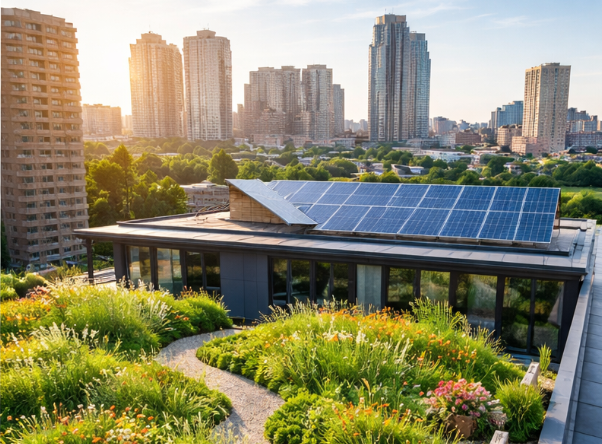
Some reflect sunlight. Others support vegetation or manage water flow in a more natural way. These features can shape how cities respond to seasonal changes.
The roof becomes part of an environmental network. It interacts with air, water, and light. Its influence may not always be visible, yet it is present in daily conditions.
How Do These Materials Support Resource Efficiency?
Resource efficiency begins long before installation. It starts at the stage of material selection and production.
Many environmentally friendly roofing options use recycled inputs. Others rely on processes that reduce waste. The goal is to limit the extraction of new resources and make better use of what already exists.
Below is a simplified comparison of how different approaches can influence resource use:
| Aspect | Conventional Approach | Environmentally Friendly Approach |
|---|---|---|
| Raw Material Source | Primarily new extraction | Recycled or renewable inputs |
| Production Waste | Often higher | Reduced where possible |
| Installation Waste | Standard disposal | Focus on reuse or reduction |
| End-of-Life Handling | Disposal-focused | Recyclable or reusable options |
This comparison does not assign judgment. It simply highlights how choices can shift the flow of materials over time.
Do These Roofing Materials Influence Building Value?
Value is often thought of first in strictly financial terms, like the purchase price or what the property might sell for later. But in reality, value reaches much further than those immediate numbers.
A building with environmentally conscious roofing materials tends to catch the eye of buyers and tenants who care about long-term efficiency and keeping ongoing costs down. These roofs commonly help cut energy use for both heating and cooling, and they usually need less maintenance over the years. Because of that, the property can offer real savings on utility bills and repair expenses year after year. This makes the building especially appealing to people who look at the full picture of what it costs to own or use the space over time, instead of just the initial price tag.
Beyond the dollars-and-cents side, there is another important layer. Buildings that use environmentally responsible roofing often create a different impression for people. They come across as more progressive and thoughtful, fitting well with today's growing focus on sustainability. In many markets, this kind of alignment helps the property stand out in a favorable light.
That perception can quietly shape decisions. It influences how the building is marketed and presented when it is up for sale or rent. It can also change how the people inside experience the space day to day, leaving them with a stronger feeling of satisfaction or pride in the choices behind the building. When you combine the practical savings with this broader positive image, the overall value of the property grows in ways that go well past simple financial figures.
How Do These Materials Align with Evolving Regulations?
Regulatory frameworks keep changing over time. They mirror shifting priorities around how resources are used and what kind of impact buildings have on the environment.
Environmentally friendly roofing materials often fit more naturally with these ongoing changes. They can make it easier for projects to meet new or upcoming standards and help simplify the process of complying with fresh guidelines.
This kind of alignment brings practical benefits. It lowers uncertainty for developers and builders, allowing for smoother project planning from the start. It also reduces the chance of having to make last-minute changes or corrections later on.
The relationship between roofing materials and regulations is not fixed — it continues to evolve. Still, the overall direction is clear. There is increasing focus on how buildings interact with their surroundings, and materials that support this direction tend to stay better positioned as rules continue to develop.
Are There Challenges in Adoption?
No material choice is completely free of challenges, and environmentally friendly roofing options are no exception.
Some of these materials come with a higher upfront cost compared to traditional options. Others may call for different installation methods or specialized techniques that crews are not always used to. In addition, there can be gaps in knowledge or experience among contractors, architects, and decision-makers, which can make people hesitate.
Awareness also matters. Misunderstandings about how well these roofs actually perform or how durable they really are can slow down wider acceptance. In some areas, supply chains are still developing and may not yet make these materials easy to obtain in large quantities or at consistent prices.
These challenges are a natural part of any transition. They reflect the move away from long-standing habits and familiar practices toward newer, more sustainable approaches. With time, familiarity usually increases. Contractors gain experience, best practices spread, and what once seemed unfamiliar gradually becomes a normal part of the conversation and consideration when planning a roof.
What Drives Continued Interest in Sustainable Roofing?
Interest in sustainable roofing does not come from just one place. It grows from several different influences working together.
- Property owners focus on long-term costs: Many owners are looking for roofing solutions that help control expenses over the full life of the building. They see value in materials that lower energy bills, reduce maintenance needs, and avoid frequent replacements.
- Designers seek alignment with bigger environmental goals: Architects and designers are increasingly choosing materials that support wider sustainability targets. They want roofs that fit into projects aiming for lower environmental impact and better overall building performance.
- Occupants want greater comfort and stability: People who live or work in the building often benefit from more consistent indoor temperatures. Sustainable roofing materials can help create steadier, more comfortable spaces without relying as heavily on heating and cooling systems.
- A broader cultural shift is at work: There is a growing awareness of environmental issues that has become part of everyday thinking. This heightened consciousness influences choices, even when it is not directly mentioned. People now expect buildings to reflect more responsible approaches to resource use and environmental care.
- Roofing has moved beyond a purely technical decision: What used to be seen as mainly a functional or technical choice is now viewed in a much larger context. Sustainable roofing materials are judged not only by how well they perform, but also by how well they meet changing expectations around efficiency, responsibility, and long-term value.
Together, these factors keep driving interest forward. As expectations evolve, sustainable roofing continues to gain attention as a practical way to address multiple needs at once.
How Do These Materials Fit into the Future of Construction?
The future of construction is often talked about in terms of greater efficiency, better adaptability, and a stronger sense of environmental balance. Environmentally friendly roofing materials have a meaningful part to play in each of these areas.
These materials support more efficient use of resources by reducing waste and lowering the overall demand placed on energy systems. They adapt well to changing conditions thanks to their performance qualities — such as how they handle heat, light, and water. At the same time, they help create a more balanced relationship between the building and the environment around it.
This contribution does not stand alone. The roof works together with other parts of the building, including walls, windows, insulation, and mechanical systems. All of these elements interact and influence one another. When the roof performs thoughtfully, it strengthens the performance of the entire structure.
The real value of these roofing materials comes from this integration. They are not treated as a separate add-on. Instead, they form a natural part of the larger whole, helping shape buildings that are more efficient, resilient, and in harmony with their surroundings for years to come.
Where Does the Real Value Reside?
The value of environmentally friendly roofing materials cannot be boiled down to just one thing. It is not simply about saving energy, cutting costs, or improving appearance. Instead, the real value lives in how all of these elements come together.
A roof that lowers energy demand, lasts for many years, and supports broader environmental goals creates a deeper, more layered kind of value. It meets practical needs right away while also taking care of longer-term concerns that matter over decades.
This value is often quiet and steady. It does not always show itself in flashy or obvious ways. Yet it quietly shapes how the building performs day to day, how people perceive the property, and how the structure interacts with its surroundings.
The conversation around roofing keeps moving forward. Materials that were once considered niche alternatives are gradually becoming part of normal, everyday thinking when planning a roof. The roof itself still does what it has always done — protect the building — but its meaning and importance continue to grow and expand with time.


 Email:
 Phone:
 Adress: