



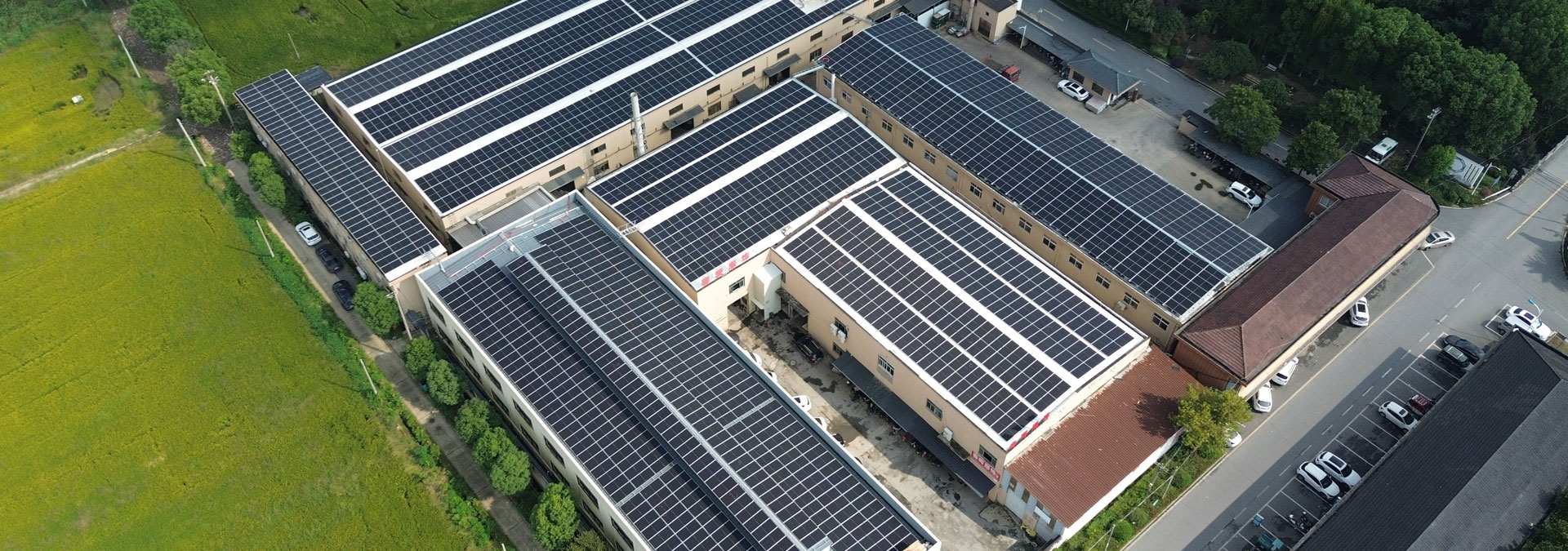
Walk through any growing city or expanding suburb and one detail stands out. Roofs dominate the view. They sit quietly above daily life, yet they shape how a building uses energy, how often materials are replaced, and how much waste is created over time. The choice of roofing is no longer just about shelter. It has become part of a larger environmental discussion.
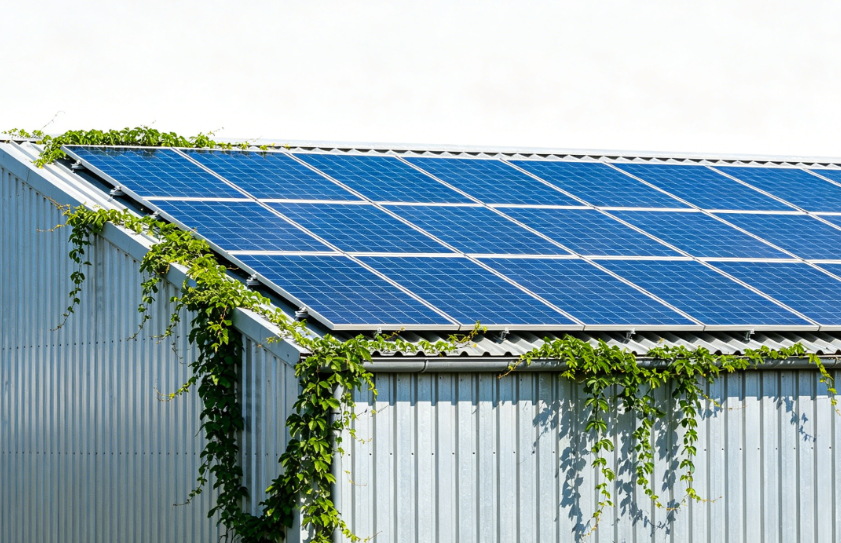
Metal roof environmentally friendly has gained attention in this context. Not because it claims to solve every issue, but because it changes how a roof behaves across its entire life. From raw material use to long-term performance, its impact builds gradually rather than appearing in a single stage.
Why does roofing matter in environmental discussions?
A roof covers one of the largest exposed areas of any building. It absorbs sunlight, channels rainwater, and faces wind and temperature shifts every day. These constant interactions affect energy use inside the structure.
When a roofing material wears out quickly, the cycle of removal and replacement begins. Old materials are discarded. New ones are produced and transported. This repeated process increases pressure on natural resources.
Metal roofing shifts that pattern. It stays in place longer. It reduces how often this cycle happens. Over time, this alone changes the environmental footprint of a building.
How does material sourcing influence environmental impact?
The story of a roof begins long before installation. It starts with how materials are obtained and processed.
Metal roofing often includes recycled content. This means part of the material has already been used before. Instead of extracting entirely new resources, existing materials are brought back into use. The process is not always visible, yet it quietly reduces demand for raw extraction.
Waste during production also tends to be handled differently. Offcuts and unused pieces can return to the manufacturing process rather than being thrown away. This creates a more continuous material cycle.
| Stage | Common Roofing Materials | Metal Roofing Approach |
|---|---|---|
| Resource sourcing | Mostly new extraction | Mix of new and reused input |
| Production waste | Often discarded | Often reprocessed |
| Material lifecycle | Linear use | Repeated use potential |
This shift from a straight line to a loop may seem small, but over time it reduces strain on natural systems.
Can a roof really affect energy use?
It may sound surprising, but a roof plays a steady role in how much energy a building consumes. Heat enters and escapes through the top surface. The way a roof handles sunlight matters.
Metal surfaces tend to reflect a portion of incoming heat. Instead of absorbing it all, they send some of it back into the atmosphere. During warmer periods, this helps limit how much heat enters the building.
Inside, this can reduce the need for cooling systems to work as hard. In cooler conditions, the roof works together with insulation to keep warmth inside.
The effect is not dramatic in a single moment. It becomes noticeable over long periods of use. Energy demand becomes more stable. Systems operate more evenly rather than in constant adjustment.
What role does lifespan play in sustainability?
One of the less obvious factors in environmental impact is time. How long a material stays in use can matter as much as how it is made.
Many roofing materials require replacement after a relatively short period. Each replacement brings new materials, transport, and waste disposal.
Metal roofing tends to remain functional for longer stretches. This reduces how often replacement is needed. Fewer replacements mean fewer materials entering and leaving the site.
Think of it as a slower cycle:
- Less frequent removal of old roofing
- Reduced need for new production
- Lower accumulation of discarded materials
Over decades, this slower pace changes the overall environmental load.
What happens when the roof is no longer used?
Every material eventually reaches the end of its service life. What happens next is often overlooked.
Some roofing materials break apart during removal. They mix with other waste and become difficult to reuse. This often leads to disposal rather than recovery.
Metal behaves differently. It can be collected, processed, and returned to use. Its basic properties remain stable through recycling. This allows it to re-enter production without losing function.
Instead of ending as waste, it becomes part of a new cycle. This reduces the amount of material sent to disposal sites and supports a more continuous use of resources.
Does maintenance affect environmental performance?
Maintenance is not always discussed in environmental terms, yet it plays a clear role. Frequent repairs require materials, transport, and labor. Each visit adds to the overall impact.
Metal roofing usually requires less ongoing attention. Its surface handles exposure with fewer visible changes. This reduces the need for repeated repairs.
Lower maintenance means:
- Fewer additional materials used over time
- Less travel for repair work
- Reduced disturbance to the building structure
The roof remains in place with minimal intervention. Over the long term, this steady performance contributes to a lower overall footprint.
How does water interaction shape environmental outcomes?
Rainwater meets the roof before it reaches the ground. The surface it touches influences how it flows and how it can be reused.
Metal roofing provides a smooth path for water. Rain moves across it with fewer obstacles. This supports efficient drainage and reduces pooling.
In some buildings, rainwater is collected for reuse. A clean, consistent surface helps maintain the quality of collected water. This connects the roof to broader water management practices.
The effect may seem minor when viewed alone. When combined with other systems, it becomes part of a more thoughtful approach to resource use.
Can roofing materials influence urban temperatures?
In dense areas, surfaces absorb and release heat throughout the day. Roofs play a role in this pattern. Materials that store heat can contribute to higher local temperatures.
Metal surfaces reflect more sunlight than many traditional options. This reduces heat buildup on the building itself. When used across multiple structures, it can help balance temperature conditions in the surrounding area.
The change is gradual. It does not happen overnight. Yet over time, repeated use of reflective materials shapes the environment at a larger scale.
What about installation and construction waste?
The environmental impact of a roof does not begin only when it is in use. It also appears during installation.
Some roofing systems require extensive cutting and adjustment. This creates leftover materials that may not be reused.
Metal roofing systems are often designed with structured components. Pieces fit together in a planned way. This can reduce the amount of excess material generated on site.
Less waste during installation leads to a cleaner process. It also reduces the need to manage and dispose of unused materials.
How does transportation fit into the picture?
Every building material travels before it reaches the site. Transportation adds to environmental impact through fuel use and emissions.
Metal roofing influences this stage indirectly. Because it lasts longer, it reduces how often new materials need to be transported. Fewer replacement cycles mean fewer deliveries over time.
In some cases, its form allows for more efficient transport. This depends on design and packaging, but it can contribute to lower overall movement of materials.
These small differences add up when viewed across the full lifespan of a building.
Does a metal roof environmentally friendly affect indoor comfort?
Comfort inside a building connects closely to how the roof behaves. Temperature swings can make indoor spaces feel uneven and require constant system adjustments.
Metal roofing helps create a more stable indoor environment. By reflecting heat and working with insulation, it reduces sharp changes in indoor temperature.
Occupants may notice fewer sudden shifts between hot and cool conditions. This steady climate reduces the need for frequent adjustments to heating or cooling systems.
Comfort and efficiency are linked. When one improves, the other often follows.
How does durability shape long-term impact?
Durability is not only about strength. It is about how well a material holds its form over time.
Metal roofing resists common forms of wear such as cracking or warping. This allows it to maintain its function through changing conditions.
A stable material reduces unexpected repairs and early replacement. It continues to perform without frequent intervention.
This reliability supports environmental goals in a simple way. The longer a material stays in use, the less often it needs to be replaced.
How do individual choices add up over time?
A single building may not seem to change much on its own. Yet construction choices repeat across cities and regions.
When many buildings adopt materials that last longer and can be reused, the overall pattern shifts. Resource use becomes more measured. Waste grows more slowly.
Metal roofing fits into this pattern. It supports a gradual move toward materials that remain useful for longer periods and return to use after removal.
This is not a sudden transformation. It is a steady adjustment that builds over time.
Why are more people paying attention to metal roof environmentally friendly ?
Awareness has grown around how buildings affect the environment. People look beyond immediate cost and consider long-term impact.
Roofing has become part of that conversation. It is no longer seen as a simple covering. It is a system that influences energy use, material cycles, and maintenance needs.
Metal roofing draws attention because it touches several of these areas at once. Its role is not dramatic, but it is consistent.
As more people think about long-term outcomes, material choices begin to reflect those concerns. The roof, once overlooked, becomes part of a broader environmental picture.


 Email:
 Phone:
 Adress: