



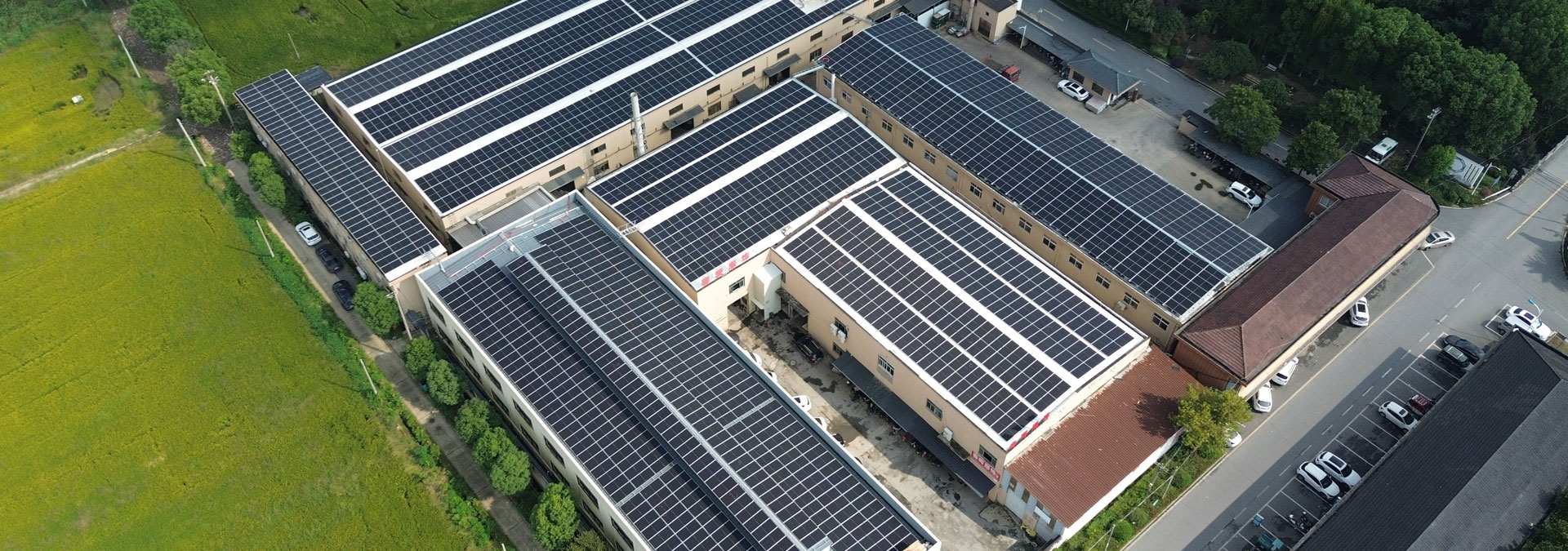
Building design today is no longer only about structure and appearance. A quieter shift is happening behind the scenes. People involved in construction are paying attention to how materials behave during installation, how much waste is produced, and how long systems can stay in use without constant replacement.
Roofing sits right at the center of this discussion. It covers a large exposed surface, deals with weather every day, and often defines how stable a building feels in the long run. Because of that, the way a roof is installed is starting to matter almost as much as what it is made from.
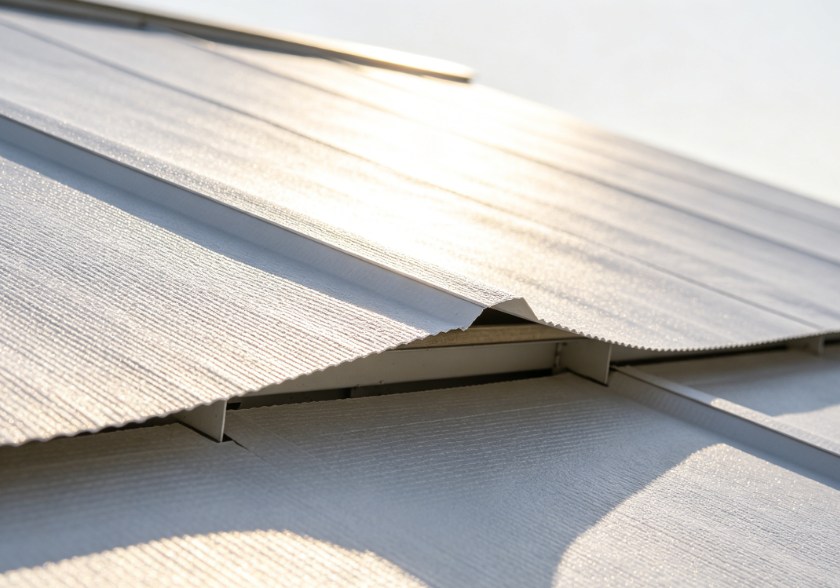
Easy-to-install roofing materials are part of this shift. They are not only about making construction faster. They also change how resources are handled on site, how workers interact with materials, and how much adjustment is needed before a roof becomes functional.
Sustainable building design often sounds like a big concept, but in practice, it comes down to small decisions like this.
Why does roofing matter so much in sustainable building thinking?
In many projects, roofing is one of the last layers added, but it has long-term influence.
A roof affects heat movement, moisture control, and even how often a building needs repair work. When something goes wrong at the roof level, it usually affects more than one part of the structure.
From a sustainability point of view, roofing becomes important for a simple reason: it is both material-heavy and exposure-heavy. That combination means any inefficiency during installation or maintenance gets multiplied over time.
Easy-to-install systems reduce friction at the start of this cycle. Less friction usually means fewer corrections, fewer discarded pieces, and fewer rework actions.
How does installation simplicity reduce waste on site?
Construction waste is not always about large mistakes. It often comes from small repeated actions: trimming, adjusting, re-fitting, or replacing pieces that no longer fit after modification.
Roofing materials designed for easier installation tend to reduce these moments.
They often arrive in forms that match expected layouts more closely. That reduces cutting and reshaping. It also reduces leftover material that cannot be reused.
On-site teams usually notice this in a very practical way. The ground stays cleaner. There are fewer piles of unused fragments. The workflow feels more controlled.
| Installation behavior | Typical outcome |
|---|---|
| Pre-aligned sections | Less cutting |
| Stable fit design | Fewer corrections |
| Predictable layout | Reduced leftovers |
| Simpler handling | Lower damage rate |
Nothing about this is abstract. It is visible in how much material ends up being discarded at the end of the day.
Does faster installation actually affect environmental impact?
Speed alone is not the goal, but it changes conditions around the work.
When roofing systems are easier to install, teams spend fewer hours adjusting materials at height. That alone reduces repeated tool use, temporary setup time, and energy spent keeping the site active.
It also affects transport planning. If installation is smoother, there is less need for extra delivery runs caused by missing or damaged pieces.
The environmental impact is indirect but still real:
- shorter active construction periods
- less repeated handling of materials
- fewer corrections that require extra supply
- reduced idle equipment time
None of these changes look dramatic individually, but together they shape how efficient the building process becomes.
Why are lighter roofing materials often linked with sustainability?
Weight plays a quiet role in roofing decisions.
Heavier systems usually need stronger support underneath. That means more structural material is required before the roof is even installed. Lighter systems reduce that pressure.
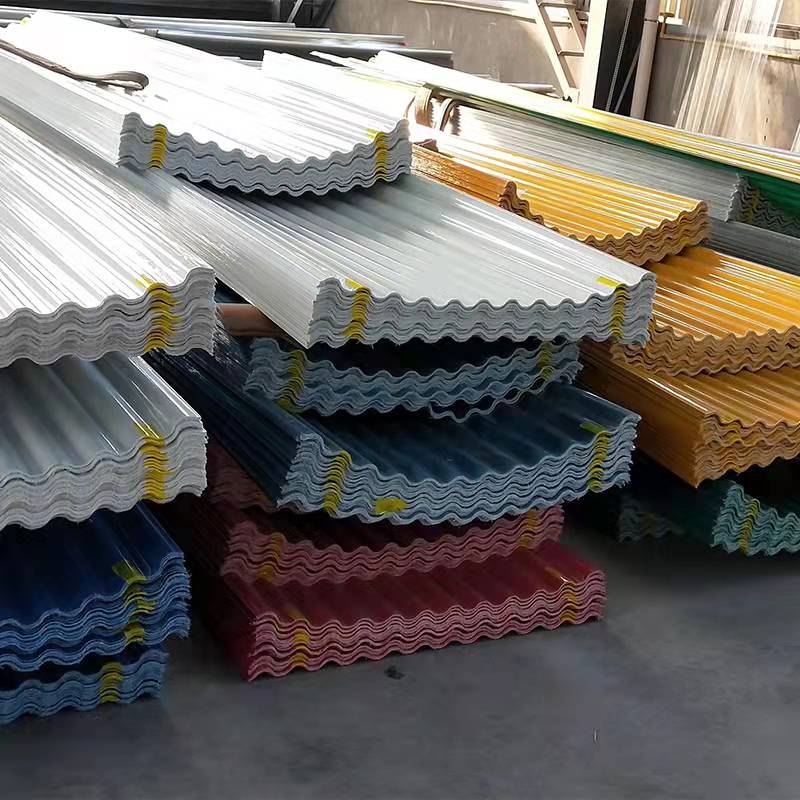
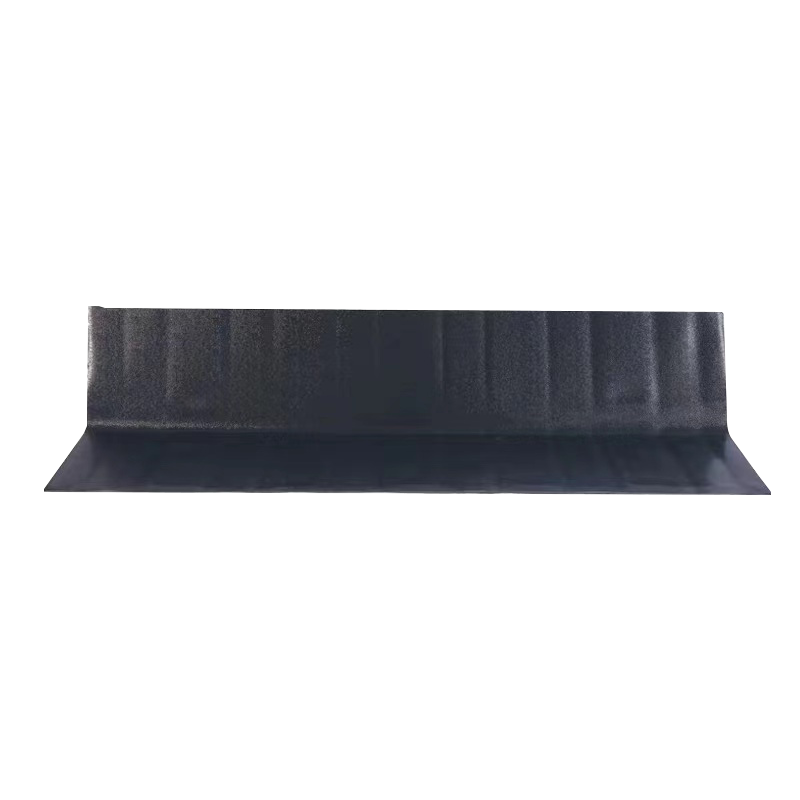
In many modern projects, Easy-to-install Roofing Materials Factory are also designed to be lighter and easier to position.
This brings a few practical effects:
- simpler lifting and placement
- less strain during installation
- reduced structural reinforcement needs
- easier transport from storage to site
These are not design slogans. They are daily construction realities that influence cost, timing, and resource use.
| Material behavior | Construction effect |
|---|---|
| Lower weight | Easier handling |
| Stable form | Faster positioning |
| Reduced load | Less structural demand |
| Simple transport | Fewer logistics steps |
Sustainability here is tied to how much support a material requires, not just what it is made of.
What role does modular design play in roofing systems?
Modular thinking has quietly become more common in building materials.
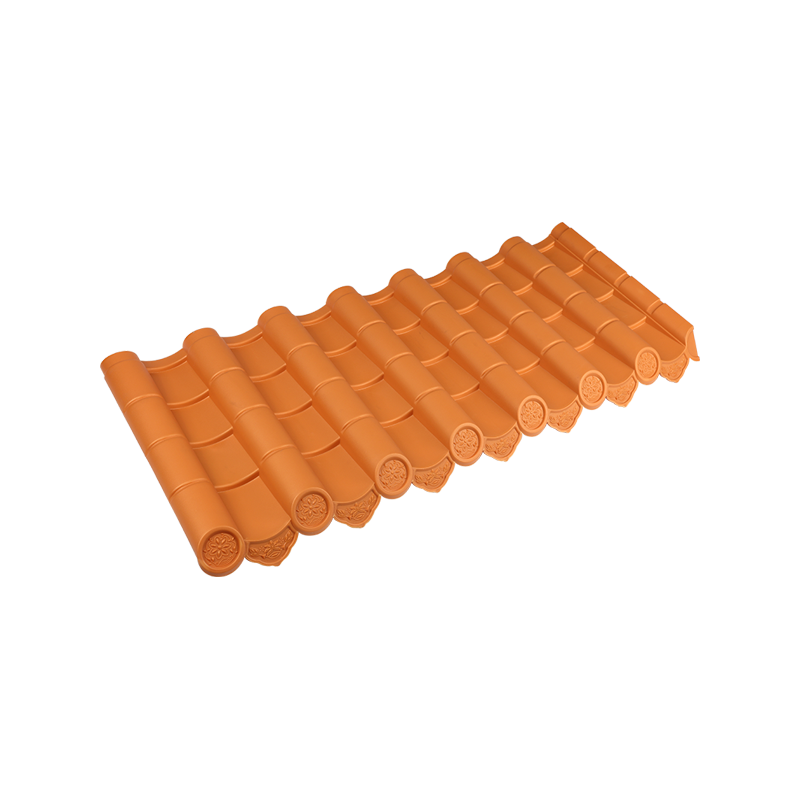
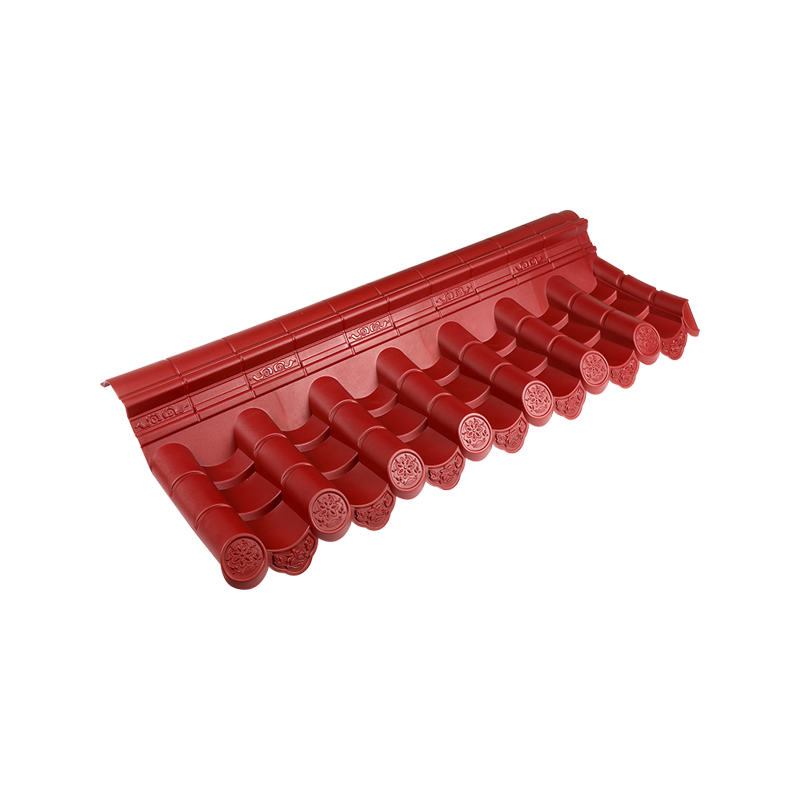
Instead of relying on fully customized on-site adjustments, roofing systems are increasingly built from repeatable sections. These sections are designed to connect in predictable ways.
This approach changes installation behavior. Workers spend less time adapting materials and more time placing them correctly.
It also reduces uncertainty. When parts are predictable, planning becomes easier.
In real construction environments, this often results in:
- fewer on-site modifications
- reduced measurement errors
- faster coordination between teams
- easier replacement of damaged sections later
Modularity also has a long-term effect. If a section is damaged, it can often be replaced without disturbing the rest of the roof.
Can easier installation improve long-term maintenance?
Maintenance is where sustainability becomes very visible over time.
A roofing system that is difficult to install is often also harder to repair. Access becomes more complicated, and small issues may take longer to fix.
Easy-to-install roofing materials usually follow a similar logic in maintenance. The structure is more straightforward, and parts are easier to identify and replace.
This leads to more practical maintenance patterns:
- quicker inspection cycles
- simpler repair actions
- less disruption during fixes
- lower need for full replacement work
In many cases, this extends the usable life of the roof simply because problems can be handled earlier.
How does roofing connect to energy performance?
Roofing is one of the main surfaces exposed to sun, wind, and temperature changes. That makes it a major factor in indoor comfort.
Even without focusing on complex systems, a roof influences how much heat enters or leaves a building.
Easy-to-install roofing materials are often designed with stable surface behavior in mind. Once installed properly, they help maintain more consistent indoor conditions.
That consistency can reduce pressure on heating and cooling systems.
| Roof effect area | Possible result |
|---|---|
| Heat exposure | Indoor temperature shift |
| Surface stability | More balanced comfort |
| Sealing quality | Reduced energy loss |
| Layer structure | More steady performance |
Sustainability here is not only about saving materials. It is also about reducing ongoing energy demand.
Why are construction teams moving toward simpler roofing systems?
On construction sites, complexity often turns into delays.
When a roofing system requires fewer adjustments, teams can coordinate more easily. Work becomes more predictable, and scheduling becomes less fragile.
There is also a safety factor. Less time spent adjusting materials at height reduces exposure during installation.
From a practical perspective, simpler systems tend to reduce pressure on both labor and planning.
- fewer installation interruptions
- more stable workflow between teams
- reduced chance of on-site rework
- smoother material coordination
These effects are not always highlighted in design documents, but they are felt strongly during execution.
What makes roofing part of a sustainable design mindset?
Sustainable building is not a single feature. It is a collection of decisions that reduce unnecessary effort over time.
Roofing contributes to that in several layers:
- less waste during installation
- lower transport and handling demand
- reduced structural overload
- easier maintenance cycles
- longer usable life of components
Easy-to-install roofing materials sit inside this system as a practical tool rather than a concept. They change how work is done on site and how resources move through a project.
The focus is shifting toward quiet efficiency. Not dramatic changes, but smoother processes that repeat well across different projects.


 Email:
 Phone:
 Adress: