



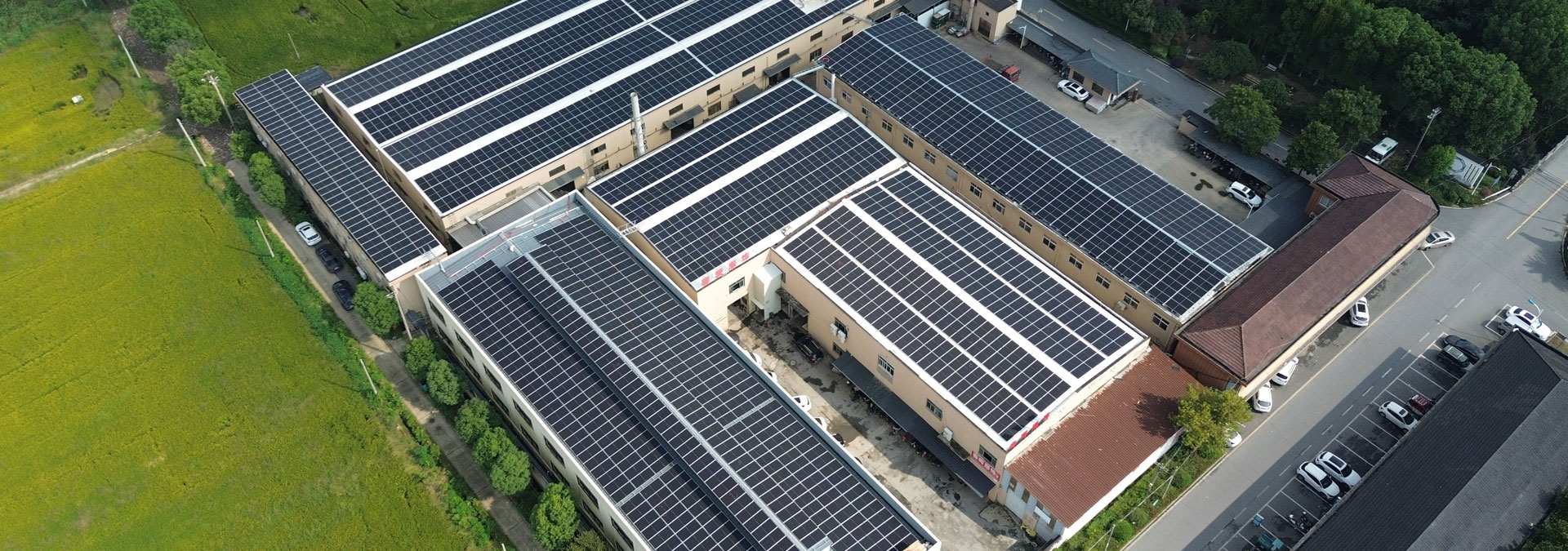
Roofing decisions rarely stay at the surface level. They shape how a building performs, how it looks, and how it responds to changing conditions over time. Among newer roofing options, Chinese Asa Resin Tile have entered the conversation with a distinct profile. They are often discussed in projects where appearance and durability both matter, yet the decision to use them involves more than visual appeal.
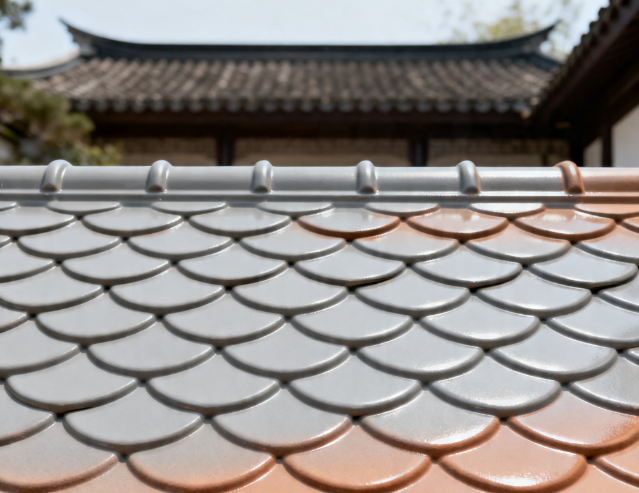
These tiles are used across a range of building types. Their growing presence reflects shifts in construction priorities, where materials are expected to handle weather exposure, maintain color, and support long-term use without constant intervention. Choosing them requires a clear view of how they behave in real settings, not just how they appear at installation.
What Makes ASA Resin Tiles Different from Other Roofing Materials?
Materials used in roofing tend to follow familiar patterns. Some rely on weight and density, while others depend on layered systems. ASA resin tiles sit somewhere in between. They are designed to provide surface stability while remaining relatively lightweight.
The outer layer is often discussed in relation to weather resistance. It is shaped to face sunlight, rain, and air exposure without rapid fading or surface breakdown. This makes them appealing in environments where appearance plays a visible role over time.
Their structure also allows for consistent shaping. This means tiles can maintain a uniform look across large surfaces. For projects where visual rhythm matters, this consistency can be part of the appeal.
At the same time, differences from traditional materials require attention. Installation methods, support structures, and handling practices may not follow older patterns exactly. Understanding these differences helps avoid mismatched expectations.
How Does Climate Influence the Choice?
Climate conditions often decide how well a roofing material performs. ASA resin tiles are frequently considered in regions with strong sunlight, fluctuating temperatures, or regular rainfall. Their response to these factors shapes their long-term behavior.
In areas with intense sun exposure, surface stability becomes important. Materials that fade or crack easily may require earlier replacement. ASA resin tiles are often selected for their ability to maintain a stable appearance under prolonged exposure.
Rainfall introduces another layer of consideration. Water flow across the roof should remain smooth, without pooling or penetration. The shape and surface of these tiles can support this flow when installed correctly.
Temperature variation also plays a role. Materials expand and contract with changing conditions. A roofing system needs to allow for this movement without causing distortion or gaps. Choosing tiles that align with local climate patterns helps reduce future adjustments.
What Should You Know About Installation Requirements?
Installation is where material choice meets practical execution. Even a well-designed product can underperform if not installed in the right way. ASA resin tiles require attention to alignment, spacing, and fastening.
The supporting structure must be prepared to match the tile format. This includes ensuring that spacing between supports allows the tiles to sit evenly. Uneven support can lead to visible irregularities or long-term stress on the material.
Handling during installation also matters. Tiles should be placed carefully to avoid surface damage. While they are designed for durability, unnecessary force or incorrect positioning can affect their performance.
Another aspect involves sealing and overlap. Proper overlap between tiles helps prevent water entry. This detail may seem small during installation, yet it plays a significant role during heavy rainfall or wind-driven conditions.
How Do ASA Resin Tiles Affect Building Appearance?
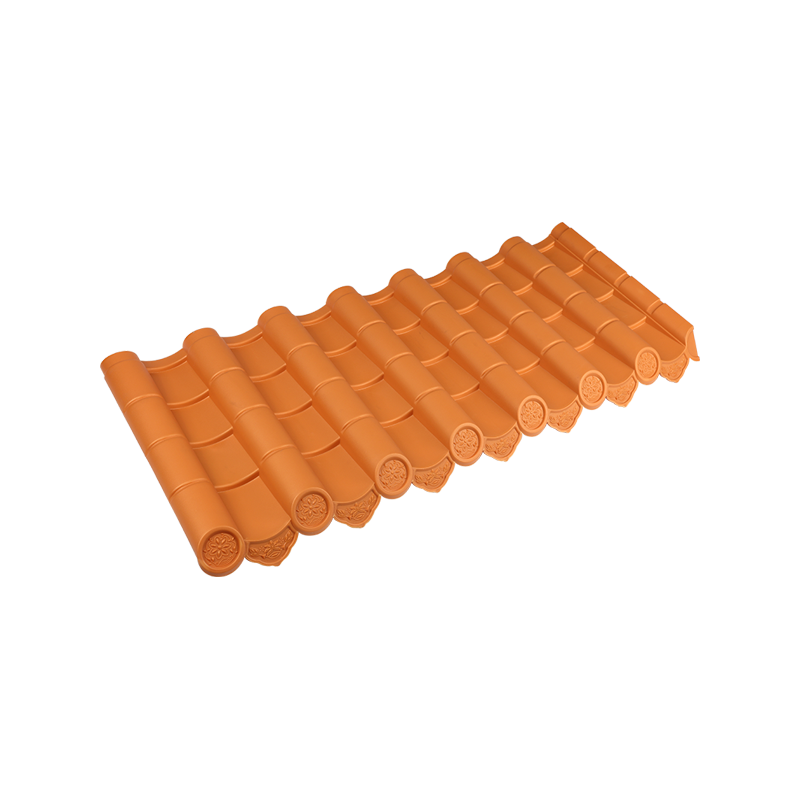
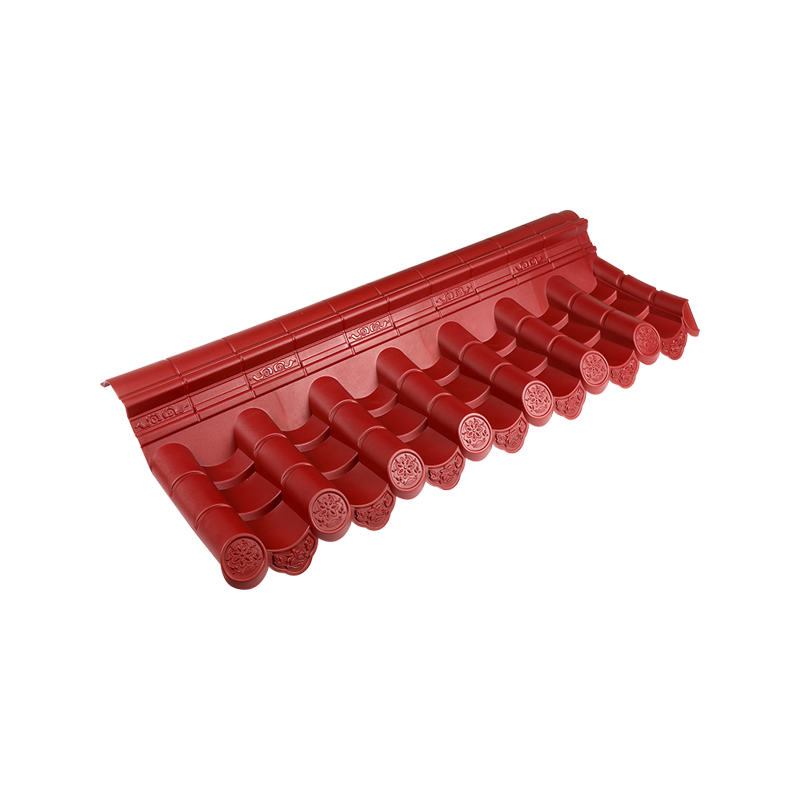
Visual impact often guides material selection, especially in residential and public-facing structures. ASA resin tiles offer a range of styles and colors that can align with different architectural designs.
The surface finish tends to remain stable over time. This supports a consistent look without frequent repainting or treatment. For buildings where appearance contributes to identity, this stability can reduce maintenance concerns.
Color selection also interacts with the surrounding environment. Lighter tones may reflect more sunlight, while darker tones can create contrast. The choice often depends on both design goals and climate considerations.
Texture and shape contribute to how the roof is perceived from a distance. Uniform lines can create a sense of order, while more varied patterns can add visual interest. ASA resin tiles can support both approaches depending on their design.
Are Maintenance Needs Easy to Manage?
Maintenance is not always visible during the early stages of a project. Over time, however, it becomes a key factor in material satisfaction. ASA resin tiles are often chosen with the expectation of manageable upkeep.
Their surface tends to resist common forms of buildup such as dust or debris. This does not eliminate the need for cleaning, yet it can reduce the frequency of intervention. Occasional inspection helps ensure that the roof remains in good condition.
Repairs, when needed, are often localized. Individual tiles can be adjusted or replaced without affecting the entire system. This approach supports long-term use without requiring large-scale work.
It is also important to consider how the material responds to environmental exposure over time. Even materials designed for stability benefit from periodic checks. Early attention to small issues can prevent larger concerns later.
How Do They Perform in Terms of Durability?
Durability often shapes the overall value of a roofing material. ASA resin tiles are discussed in this context because of their ability to maintain structure under regular environmental stress.
Wind exposure is one factor to consider. Properly installed tiles can remain stable during strong airflow. This depends not only on the material but also on how it is secured.
Resistance to surface wear also matters. Over time, materials may show signs of aging. ASA resin tiles are often selected for their ability to retain their form without rapid deterioration.
Impact resistance is another aspect. While no material is immune to damage, some are better suited to handle occasional stress without cracking. This contributes to their use in varied environments.
What About Environmental Considerations?
Sustainability continues to influence material choices. ASA resin tiles are often evaluated based on how they fit into broader environmental goals. This includes production, use, and end-of-life handling.
Their relatively lightweight nature can reduce transport impact. Less weight may translate into lower energy use during movement and installation. This is one of several factors considered in environmental assessment.
Longevity also plays a role. Materials that remain in place for longer periods reduce the need for replacement. This can limit waste over time.
Some projects also consider how materials can be handled after use. While recycling practices vary, the potential for reuse or responsible disposal is part of the discussion.
How Do Costs and Value Interact in the Decision?
Cost is often part of the decision, yet it is rarely the only factor. ASA resin tiles may involve an initial investment that reflects their design and material composition. The evaluation often shifts toward long-term value.
Reduced maintenance needs can influence overall cost over time. Fewer repairs and less frequent replacement may offset initial expenses. This depends on how the material performs in a given environment.
Installation efficiency can also affect project budgeting. Materials that are easier to handle may reduce labor time. This does not eliminate the need for skilled work, but it can shape the overall process.
Value is often linked to how well the material aligns with project goals. A material that supports both performance and appearance may justify its selection even when compared with lower-cost options.
How Can You Compare ASA Resin Tiles with Other Roofing Options?
Comparing materials helps clarify their role within a broader selection. ASA resin tiles are often considered alongside more traditional options. Each material brings its own set of characteristics.
| Aspect | ASA Resin Tiles | Traditional Materials |
|---|---|---|
| Weight | Relatively lightweight | Often heavier |
| Appearance Stability | Maintains surface look | May require surface treatment |
| Installation Style | Structured alignment | Varies by material |
| Maintenance Pattern | Periodic inspection | May involve more frequent care |
| Adaptability | Fits varied designs | Sometimes more limited |
This comparison does not define a single direction. It offers a framework for understanding how different materials behave. The final choice often depends on how these traits align with project priorities.
What Role Does Project Type Play in Material Selection?
Different building types place different demands on roofing materials. A residential project may emphasize appearance and comfort, while a commercial structure may focus on scale and efficiency.
ASA resin tiles can be adapted to both contexts. Their flexibility in design allows them to fit into varied architectural styles. At the same time, their structural properties support use in larger installations.
The surrounding environment also matters. Urban settings, rural landscapes, and coastal areas each present unique conditions. Materials that respond well to these conditions tend to perform more reliably.
Project goals often guide the final decision. Whether the focus is visual harmony, long-term use, or ease of maintenance, the chosen material should support these aims without creating unnecessary complexity.
How Can You Make a Thoughtful and Balanced Choice?
Selecting roofing materials is rarely about a single feature. It involves understanding how different factors interact. ASA resin tiles offer a combination of visual consistency, manageable maintenance, and adaptability, yet their suitability depends on context.
A thoughtful approach looks at climate, installation conditions, and long-term expectations. It considers how the material will behave not only at the moment of installation but throughout its use.
Balancing these elements helps create a roofing solution that aligns with both practical needs and environmental awareness.


 Email:
 Phone:
 Adress: