



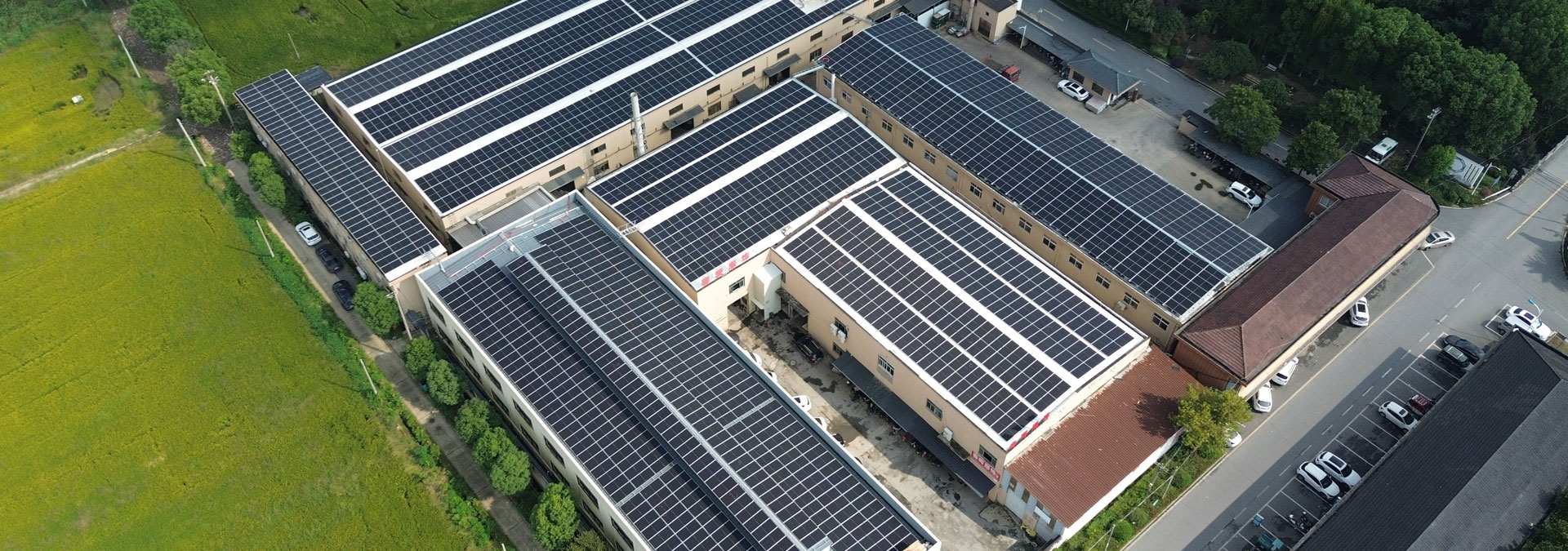
Roofing choices in modern construction often reflect a balance between function, appearance, and long-term behavior. Among the many options available, ASA resin tiles and metal roofing materials are frequently discussed side by side. Each brings a different approach to how a roof responds to weather, heat, and daily use.
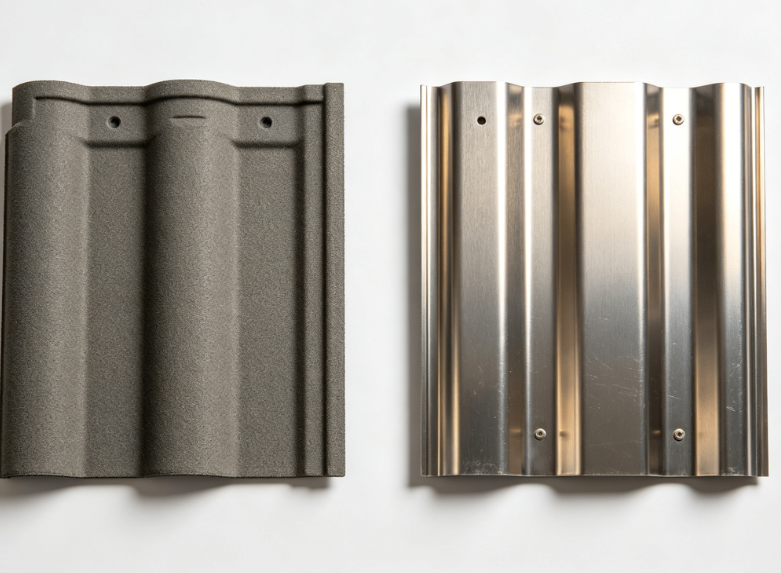
In factory buildings, residential structures, and light commercial spaces, the roof is more than a cover. It shapes indoor comfort, influences maintenance patterns, and affects how a building ages over time. Comparing these two materials helps clarify how design choices align with real-world conditions.
What Makes Chinese Asa Resin Tile Different In Structure?
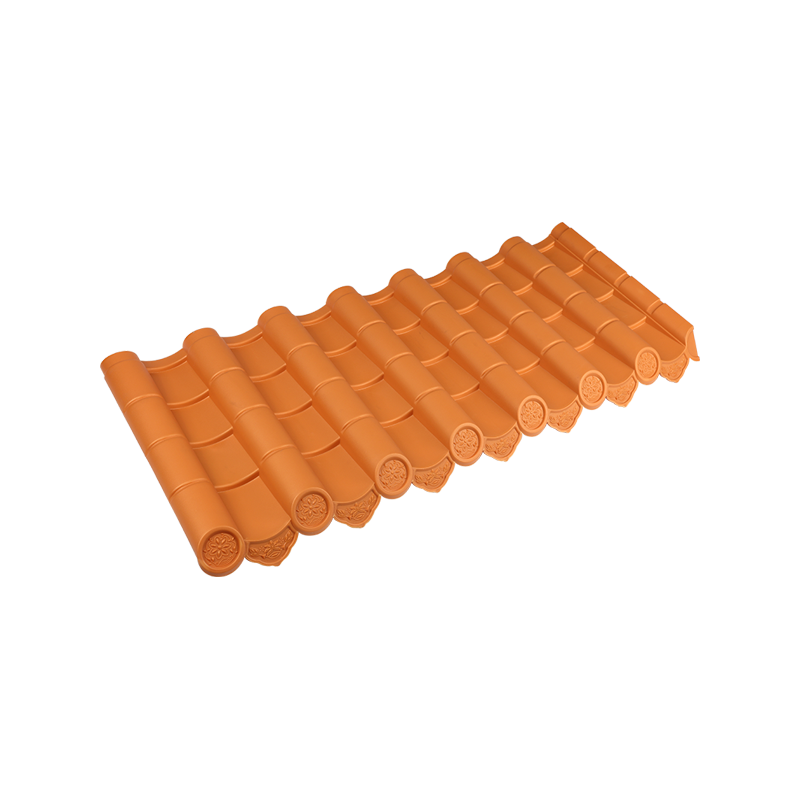
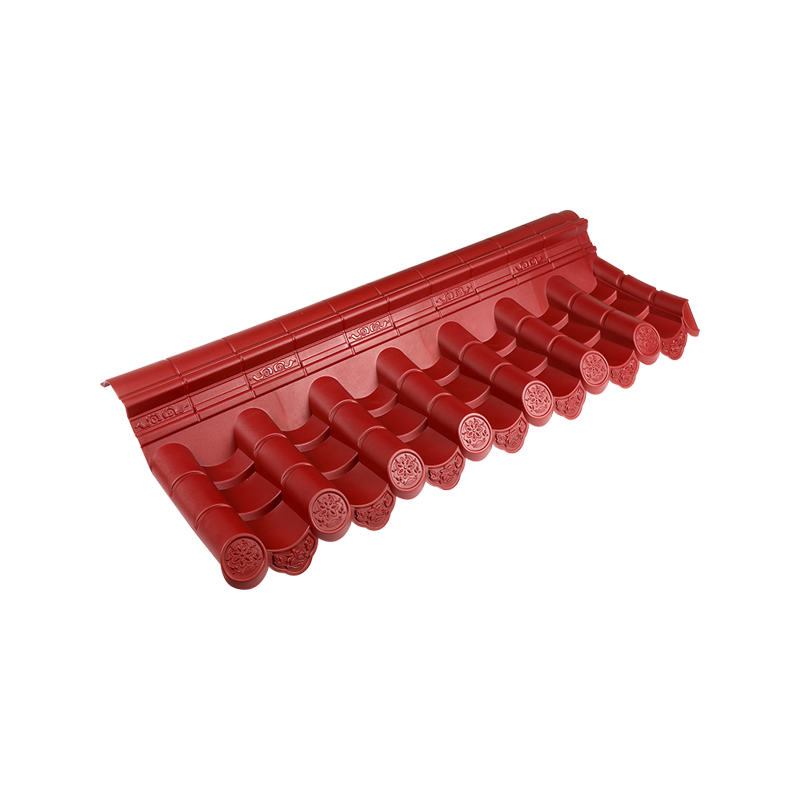
ASA resin tiles are formed through layered material design. Their outer surface is created to handle exposure, while the inner layer supports shape and strength. This layered approach allows the tile to manage both environmental contact and structural stability.
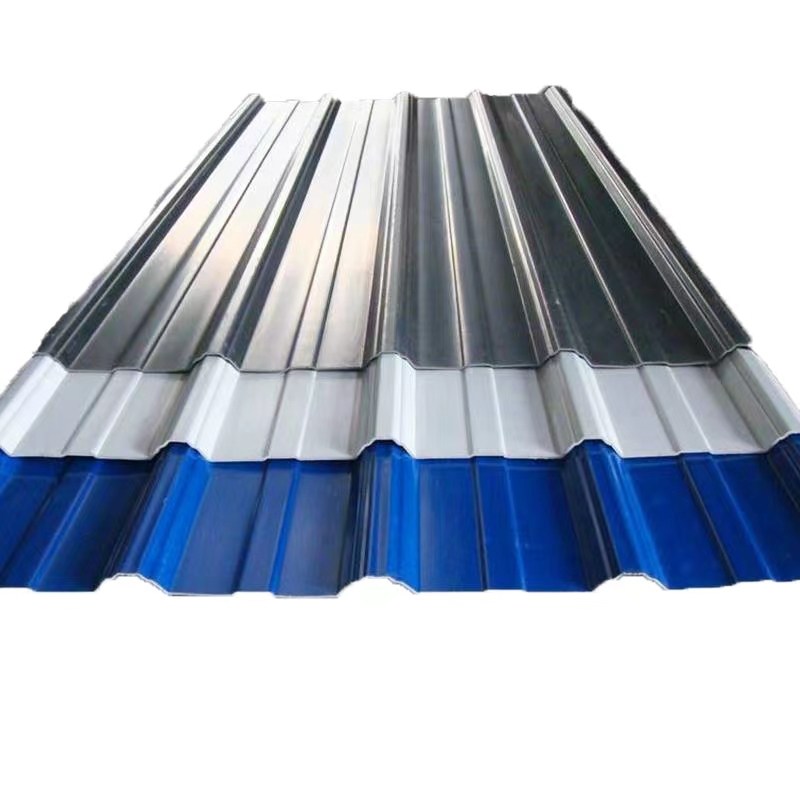
Metal roofing materials follow a different path. They are typically formed from a single solid sheet or panel. Their strength comes from the inherent rigidity of the material itself.
This difference affects how each material reacts to external pressure. ASA tiles absorb and distribute impact through their layered structure. Metal panels rely more on surface strength and support from the framework beneath.
The result is two distinct behaviors. One leans toward flexibility and layered response. The other depends on solid form and structural support.
How Do They Perform Under Changing Weather Conditions?
Weather exposure is one of the most important factors in roofing performance. Sunlight, rain, wind, and temperature shifts all interact with the roof surface.
ASA resin tiles tend to respond gradually to temperature changes. Their material structure allows slight movement without sudden expansion or contraction. This helps maintain a stable surface under varying conditions.
Metal roofing reacts more directly to temperature shifts. Heat can cause expansion, while cooler conditions lead to contraction. This movement is natural, but it requires proper installation to manage over time.
Rain behavior also differs. ASA tiles guide water along their shaped surface, encouraging smooth drainage. Metal panels rely on their slope and joints to direct water flow.
Both materials can handle environmental exposure, but they do so through different physical responses.
How Do ASA Resin Tiles And Metal Roofing Compare In Heat Management?
Heat management affects indoor comfort and energy use. Roofing materials play a key role in how heat enters and leaves a building.
ASA resin tiles tend to reduce direct heat transfer. Their structure slows the movement of heat from the outer surface to the interior. This can help maintain more balanced indoor conditions during warm periods.
Metal roofing can reflect sunlight effectively, depending on surface treatment. At the same time, it may transfer heat more quickly into the structure if not combined with additional layers.
The difference is not only about heat reflection. It also involves how heat moves through the material.
| Feature | ASA Resin Tiles | Metal Roofing Materials |
|---|---|---|
| Heat transfer behavior | Slower and more gradual | Faster conduction |
| Surface response | Moderate heat absorption | Reflective or conductive |
| Indoor impact | More stable temperature | More variable conditions |
These patterns influence how each material contributes to indoor climate balance.
What About Noise And Indoor Comfort?
Sound behavior is often overlooked when choosing roofing materials. In buildings exposed to rain or wind, noise can become noticeable.
ASA resin tiles tend to soften external sound. Their layered structure absorbs part of the impact when rain hits the surface.
Metal roofing produces a different acoustic effect. Rain or debris striking the surface can create a sharper sound. This does not affect structural performance, but it may influence indoor comfort.
In environments where quiet conditions are valued, this difference becomes more relevant.
How Do They Compare In Durability Over Time?
Durability is not only about how long a material lasts. It also involves how it responds to repeated exposure.
ASA resin tiles maintain surface stability through their outer layer. This layer is designed to resist fading and surface change over time. The inner structure supports shape retention.
Metal roofing materials rely on protective coatings to maintain surface condition. Over time, exposure may affect these coatings, depending on environmental conditions.
Both materials can remain functional over long periods. Their aging patterns, however, are different.
ASA tiles tend to show gradual surface change. Metal surfaces may reflect environmental impact more visibly, especially if the outer layer is affected.
What Are The Differences In Installation And Handling?
Installation plays a key role in how roofing materials perform after placement.
ASA resin tiles are installed in overlapping patterns. This creates a layered surface that supports water flow and structural coverage.
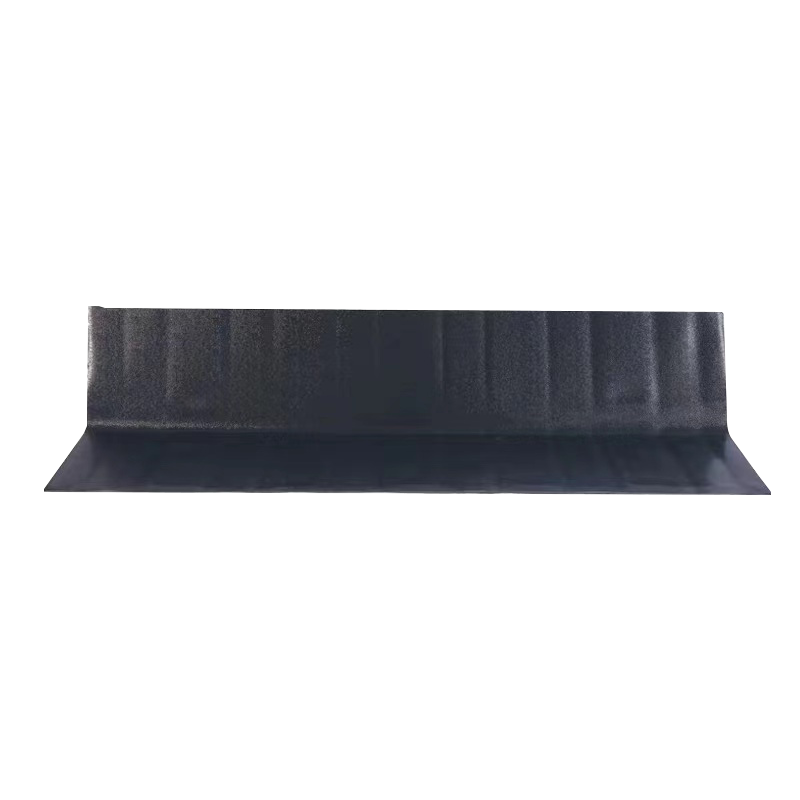
Metal roofing is often installed in larger panels. These panels cover wider areas with fewer joints.
Handling also differs. ASA tiles are typically lighter in individual pieces, allowing flexible placement. Metal panels may require more careful positioning due to their size.
Installation style influences how the roof behaves under stress. More joints can allow flexibility, while larger panels offer broader coverage with fewer connection points.
How Do Maintenance Needs Compare?
Maintenance patterns depend on how materials respond to environmental exposure.
ASA resin tiles generally require surface inspection and basic cleaning. Their structure helps resist buildup, but periodic checks are still needed.
Metal roofing may require attention to joints and surface condition. Over time, connections and exposed areas may need inspection to ensure stability.
Neither material is maintenance-free. The difference lies in where attention is focused.
ASA tiles tend to distribute wear across multiple pieces. Metal systems may concentrate attention on specific areas such as seams or edges.
Which Material Adapts Better To Different Building Types?
Different buildings have different needs. A factory roof may prioritize durability and heat control. A residential roof may focus on appearance and comfort.
ASA resin tiles are often chosen for their balance between visual design and environmental response. Their form allows for varied styles while maintaining consistent performance.
Metal roofing is often selected for its structural simplicity and wide coverage. It is commonly used in large-span buildings where efficiency of installation is important.
Adaptability depends on how the material aligns with building requirements rather than a single defining feature.
How Do ASA Resin Tiles And Metal Roofing Influence Long-Term Building Behavior?
Over time, roofing materials shape how a building responds to daily use and environmental exposure.
ASA resin tiles support gradual response to change. Their layered structure allows the roof to adapt without sharp shifts in behavior.
Metal roofing provides a more direct interaction with environmental conditions. Its response is immediate, reflecting changes in temperature and external pressure.
These differences influence how the building feels over long periods. Stability, sound behavior, and maintenance patterns all reflect the nature of the roofing material.
ASA resin tiles and metal roofing materials represent two distinct approaches to covering a building. One relies on layered design and gradual response. The other depends on solid form and direct interaction with the environment.

 Email:
 Phone:
 Adress: