



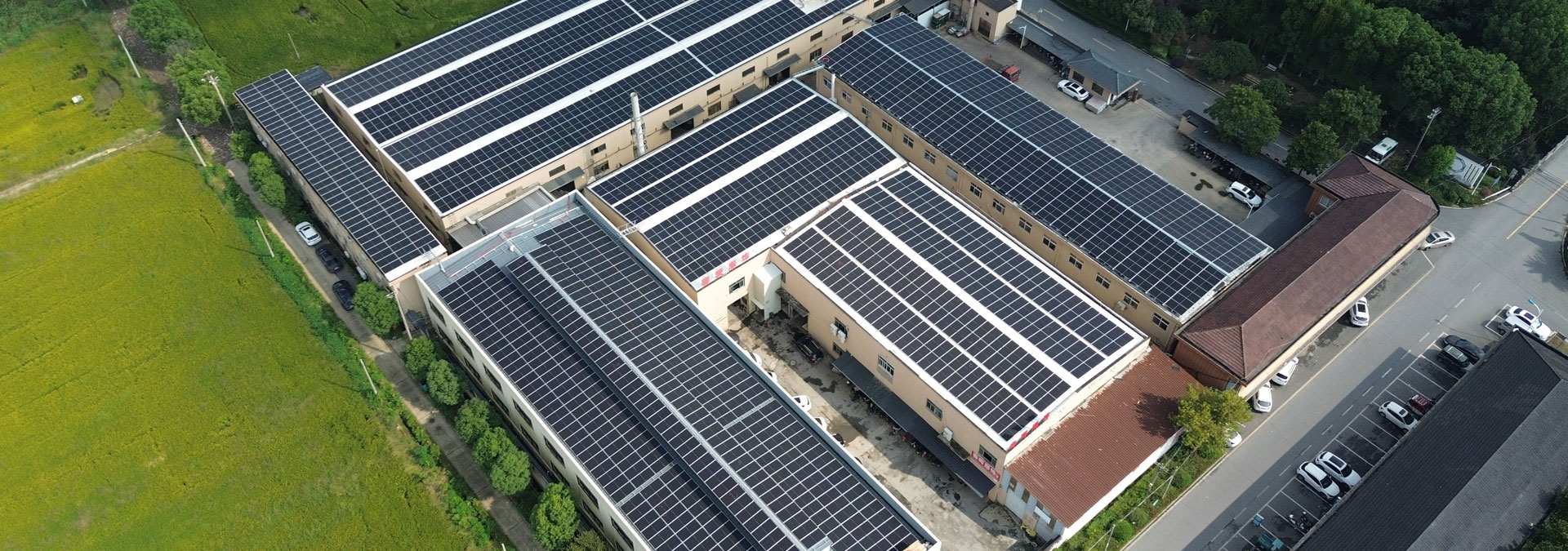
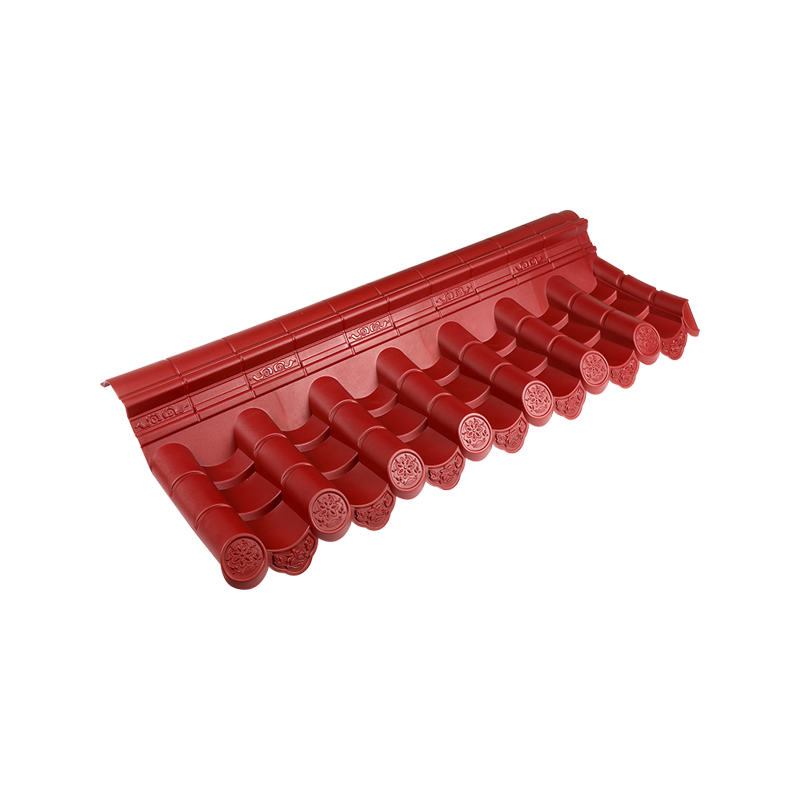
Factory buildings operate under constant exposure to changing weather, heat load, and long hours of use. The Factory Building Roof Tiles is one of the most exposed parts of the structure. Roof tiles play a central role in shaping how the building performs over time.
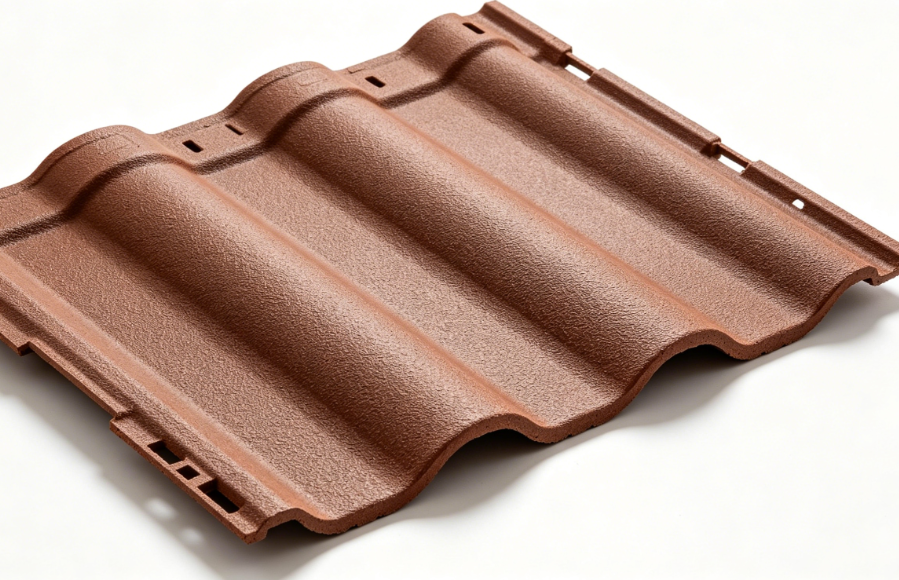
In industrial environments, roofing is not only about covering space. It affects internal conditions, energy use patterns, and long-term structural behavior. Roof tiles form a protective layer that supports stability while responding to environmental pressure.
How Do Roof Tiles Support Factory Protection?
A factory roof faces continuous exposure from sunlight, rain, wind, and airborne particles. Roof tiles act as a barrier between these external forces and the internal workspace.
They help reduce direct impact from weather conditions. Rainwater is directed away from the building surface. Sunlight is partially reflected or absorbed depending on material type.
This layer of protection reduces direct wear on the main structure. Without it, roofing systems would be more exposed to gradual surface damage.
Roof tiles also help manage surface movement caused by temperature changes. Expansion and contraction are less disruptive when the outer layer is stable.
Why Do Factories Need Stable Temperature Control?
Inside a factory, temperature stability is often linked to productivity and equipment performance. Roof tiles influence how heat enters and leaves the building.
When sunlight hits the roof, part of that energy is absorbed. Roof tiles help slow down heat transfer into the interior space.
At the same time, they support heat release when external temperature drops. This balance helps reduce sudden changes inside the building.
| Roof Condition | Heat Behavior Inside Factory | Result on Indoor Environment |
|---|---|---|
| No roof tile layer | Rapid heat transfer | Unstable temperature |
| Basic roof covering | Moderate insulation | Slight fluctuation |
| Tile-protected roof | Slower heat movement | More balanced conditions |
Stable temperature conditions support better working environments and reduce stress on equipment.
How Do Roof Tiles Improve Structural Durability?
Factory buildings are designed for long-term operation. Roof tiles contribute to this by reducing direct exposure of the main structure.
Instead of allowing weather to interact directly with the roof base, tiles absorb and distribute external impact.
This helps reduce surface fatigue over time. Materials underneath the roof layer are less likely to degrade quickly.
Repeated exposure to rain or sunlight can slowly affect structural components. Roof tiles act as a protective interface that slows this process.
They also help distribute physical pressure more evenly across the roof surface.
What Role Do Roof Tiles Play In Water Management?
Water flow control is a key function of roofing systems. In factory environments, unmanaged water can affect both structure and operations.
Roof tiles guide rainwater along controlled paths. This reduces random water accumulation on the roof surface.
When water is directed properly, the risk of pooling decreases. Standing water can create long-term surface stress if not managed.
Roof tile patterns also help speed up water movement away from sensitive areas.
This supports a cleaner roof surface and reduces unnecessary moisture exposure.
How Do Roof Tiles Influence Energy Use?
Energy use in factory buildings is often linked to heating and cooling demands. Roof tiles contribute indirectly to this balance.
By reducing direct heat transfer, they help lower cooling requirements during warm periods.
During cooler periods, they can also slow down heat loss from inside the building.
This does not eliminate energy demand, but it helps stabilize internal conditions.
Over time, more stable indoor environments reduce frequent adjustment of temperature control systems.
The roof becomes part of a passive energy regulation layer rather than just a covering surface.
What Types Of Environmental Stress Do Roof Tiles Handle?
Factory roofs are exposed to multiple environmental factors at the same time. Roof tiles help manage these combined pressures.
Common stress factors include:
- Continuous sunlight exposure
- Rain and moisture cycles
- Wind pressure changes
- Dust and airborne particles
- Temperature shifts between day and night
Roof tiles act as a first response layer to these conditions. They reduce direct contact with the base roof structure.
This layered protection supports long-term stability in industrial environments.
How Do Roof Tiles Affect Maintenance Needs?
Maintenance in factory buildings is influenced by how well the roof handles daily stress.
Roof tiles reduce direct exposure of structural surfaces. This means fewer surface issues may appear in the underlying roof system.
Cleaning routines often focus on tile surfaces rather than deeper structural elements.
Inspection patterns may also become more predictable when the outer layer is stable.
Small surface issues can often be addressed without affecting the main structure.
This helps support a more controlled maintenance process over time.
Why Is Installation Quality Important For Factory Roof Tiles?
The performance of roof tiles is closely linked to installation conditions. Even well-designed materials depend on proper placement.
Correct alignment helps ensure water flows in the intended direction. Uneven installation may disrupt drainage paths.
Secure placement also reduces movement under wind pressure. Stability is important in large surface structures like factory roofs.
Spacing and overlap patterns influence how effectively tiles manage environmental exposure.
When installation is consistent, the roof system behaves more predictably over time.
What Happens When Roof Tiles Are Not Used?
Without roof tiles, factory roofs are more directly exposed to environmental conditions.
Heat transfer becomes faster. Rain impact reaches deeper layers. Surface wear may increase over time.
This can lead to more frequent maintenance requirements. Structural surfaces may experience faster changes due to direct exposure.
Temperature inside the building may also fluctuate more noticeably.
Roof tiles reduce these effects by acting as an intermediate protective layer.
How Do Roof Tiles Support Long-Term Building Stability?
Factory buildings are designed for continuous use. Stability over time depends on how well external stress is managed.
Roof tiles reduce the intensity of environmental contact with the main structure.
They help distribute pressure, manage water flow, and reduce direct heat transfer.
Over time, this contributes to a more balanced building environment.
The roof becomes a controlled interface between external conditions and internal operations.
Factory roof tiles play a quiet but important role in industrial building performance. They influence temperature balance, structural exposure, and environmental resistance in ways that support long-term use without directly changing the core structure itself.

 Email:
 Phone:
 Adress: