



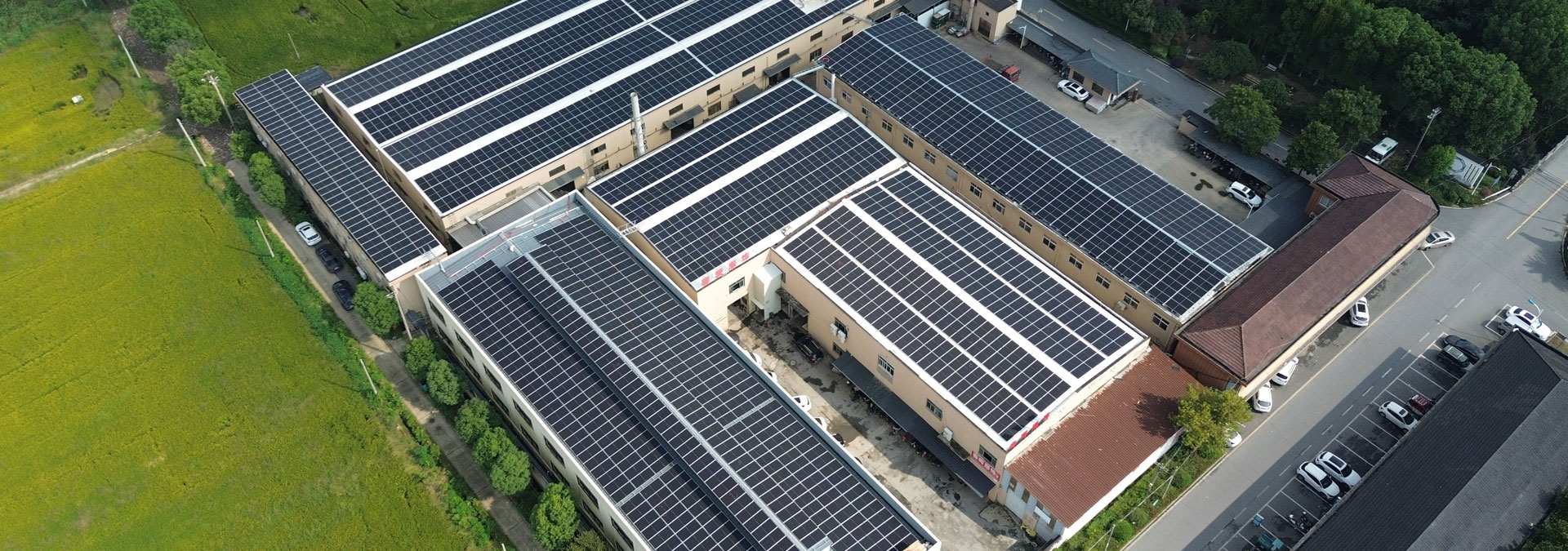
Modern buildings are changing in small but noticeable ways. Materials are no longer chosen only for appearance or basic protection. There is more attention on how they perform over time, how they affect energy use, and how they fit into long-term building design.
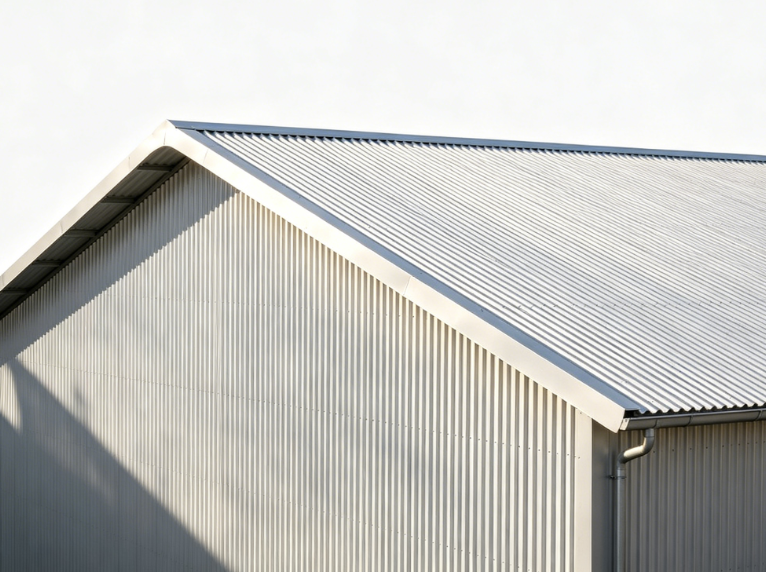
Eco friendly metal roofing has become part of that shift. It is not a new idea, but its role in modern construction is becoming more visible. Many architects, builders, and property owners are paying closer attention to how roofing choices influence overall building behavior.
What makes metal roofing "eco friendly" in real use?
The term "eco friendly" can sound broad, so it helps to look at how it applies in practice.
Eco friendly metal roofing usually refers to roofing systems designed with long-term environmental impact in mind. That includes material selection, lifespan, and how the roof behaves during use.
Metal roofing stands out because it is not used once and discarded quickly. It is designed to last for extended periods and can often be reused or recycled after its service life.
This reduces the need for frequent replacement compared to many traditional roofing options.
How does it support energy behavior in buildings?
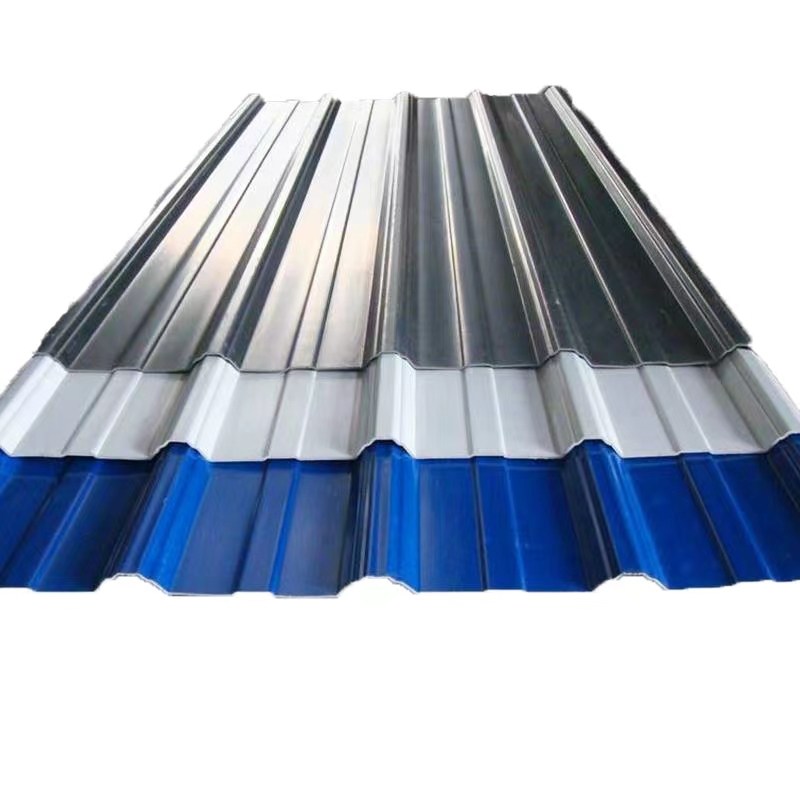
Metal roofing stands out a lot in the way it reacts to heat and sunlight.
For modern buildings, keeping indoor temperatures comfortable doesn't rely only on air conditioning and internal equipment. The exterior shell of the building also makes a real difference.
Metal roofs reflect much of the sun's rays instead of soaking up all the heat. This cuts down how much warmth builds up inside the building in hot weather.
In the long run, this eases the load on cooling systems and lets them run less often. The change isn't sudden or extreme, but the benefit really shows with years of use.
Instead of only acting as a weather barrier, the metal roof actually works as a key part of the building's overall energy performance.
Why is durability an important factor?
People often talk about durability, but for roofing, it means far more than just strong material. It brings real, practical benefits.
A roof that lasts longer doesn't need frequent replacement. Less frequent roof work means less wasted building material, and far less disturbance to the building itself.
Metal roofing holds up steadily against outdoor conditions. Rain, strong sun, wind, and constant temperature shifts all take their toll, but its surface stays stable year after year.
In actual everyday use, durability isn't just about surviving one harsh weather event. It's about standing up to endless cycles of changing weather over many years.
Does it help reduce maintenance needs?
Maintenance is a regular part of any building system. Roofing is no exception.
Eco friendly metal roofing often requires less frequent intervention compared to more traditional roofing materials. This does not mean it is maintenance-free, but the pattern of upkeep tends to be more predictable.
Surfaces are easier to inspect visually. Small issues can often be identified early without complex procedures.
Over time, this reduces the need for repeated repair cycles, especially in large buildings where access can be more complicated.
How does it fit into sustainable building design?
Sustainability in construction is not a single feature. It is a combination of choices made across different parts of a building.
Roofing plays a visible role in that system. It is the part of the building that is most exposed to environmental conditions.
Metal roofing fits into sustainable design because it can be reused or recycled after its service life in many cases. It also reduces material turnover, which is often a hidden source of waste in construction cycles.
In addition, its long service behavior means fewer disruptions to the building environment over time.
What role does recyclability play?
Recyclability is often mentioned, but its importance becomes clearer when considering long-term building cycles.
Materials that can be reprocessed after use help reduce pressure on raw material demand. Metal roofing materials often fall into this category.
Instead of being treated as waste at the end of use, they can be reintroduced into production systems.
This creates a loop where material use is extended beyond a single building phase.
How does it perform in different weather conditions?
Buildings face a wide range of environmental conditions depending on location.
Metal roofing is used in environments with varying weather patterns. It responds differently depending on temperature, moisture, and exposure levels.
Rather than changing shape or structure easily, it tends to maintain a stable surface.
This stability is important in modern construction, where buildings are expected to perform consistently without frequent structural adjustments.
The behavior is not about resisting extreme conditions, but about remaining predictable under changing ones.
Is it suitable for residential and commercial buildings?
Eco friendly metal roofing is not limited to one type of building.
It appears in residential homes, commercial structures, and mixed-use developments. The reason is flexibility in design and application.
In residential use, it often supports long-term stability with reduced maintenance attention.
In commercial settings, it fits well where larger surface areas require consistent performance across wide spans.
The adaptability of the material makes it usable in different architectural approaches without major structural changes.
How does it influence building appearance?
While performance is important, appearance also plays a role in modern construction.
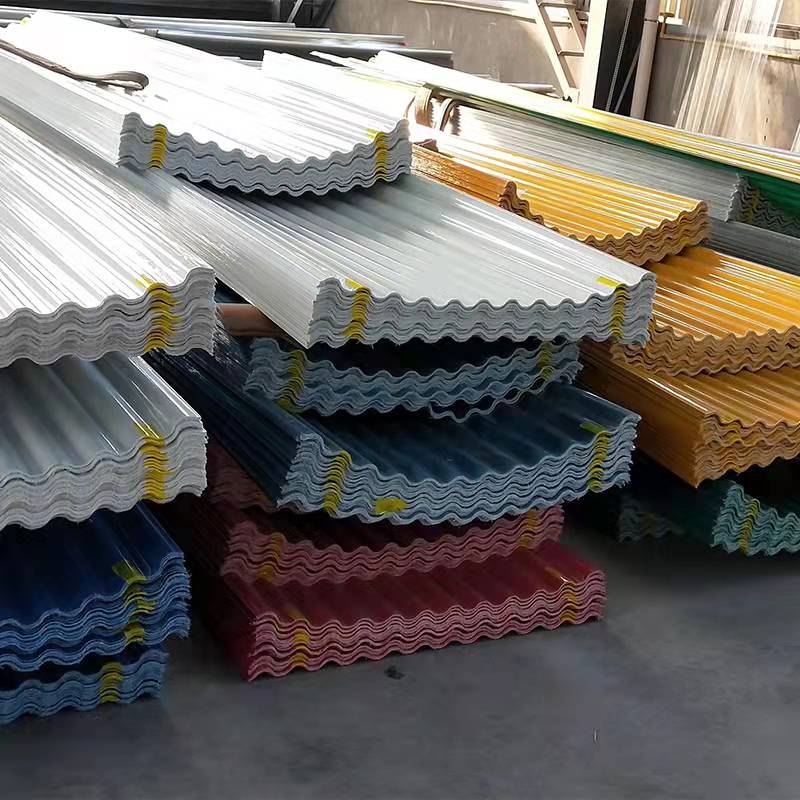
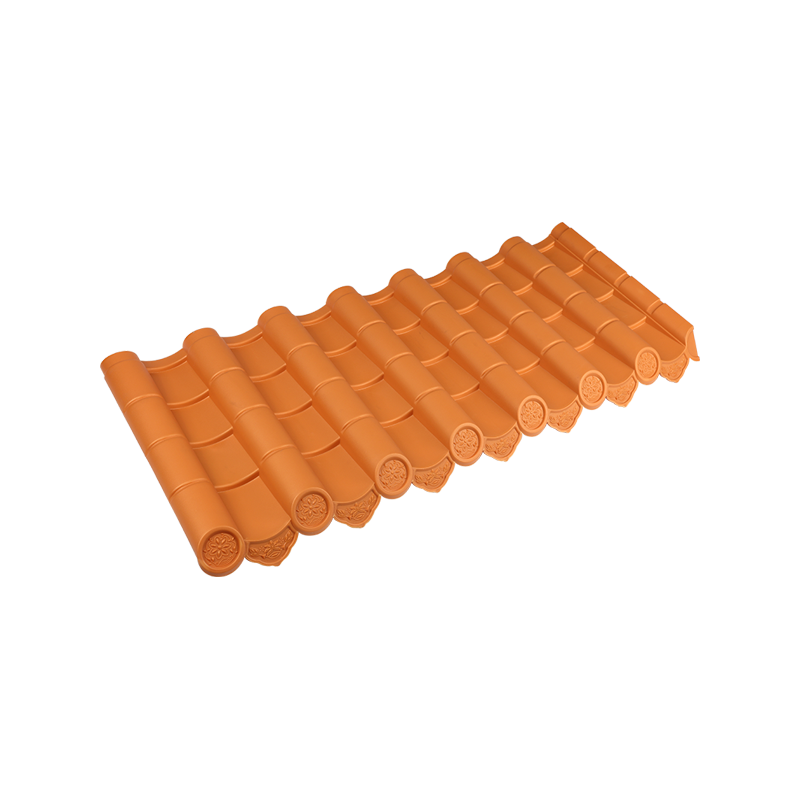
Metal roofing can take different visual forms depending on design intent. It does not have a single fixed look.
In some buildings, it blends into a minimal surface style. In others, it becomes part of the architectural identity.
The surface reflects light differently compared to more absorbent materials, which can change how a building looks under natural conditions throughout the day.
What about installation and long-term use?
Installation methods vary depending on building design, but the general process is focused on creating a stable and continuous surface.
Once installed, the roof becomes part of the building envelope. Its role is not only protection but also environmental interaction.
Over time, users tend to focus less on the material itself and more on how it behaves as part of the overall structure.
Consistency in performance becomes more noticeable than individual features.
A simple comparison overview
| Aspect | Eco friendly metal roofing | Traditional roofing materials |
|---|---|---|
| Lifespan behavior | Long-term use pattern | More frequent replacement cycles |
| Maintenance pattern | Lower frequency over time | More regular intervention |
| Environmental impact | Reusable or recyclable options | Often limited reuse |
| Energy interaction | Reflective surface behavior | Higher heat absorption in many cases |
| Design flexibility | Broad architectural use | Varies by material type |
What stands out in modern building use?
In real-world applications, eco friendly metal roofing is not defined by a single feature. It is the combination of long use, steady performance, and environmental consideration that shapes its role.
Modern buildings are designed with longer planning horizons. Materials that remain stable over time without frequent replacement fit naturally into that approach.
Instead of being a visible upgrade, it often becomes part of the background structure that supports how the building functions day after day.

 Email:
 Phone:
 Adress: