



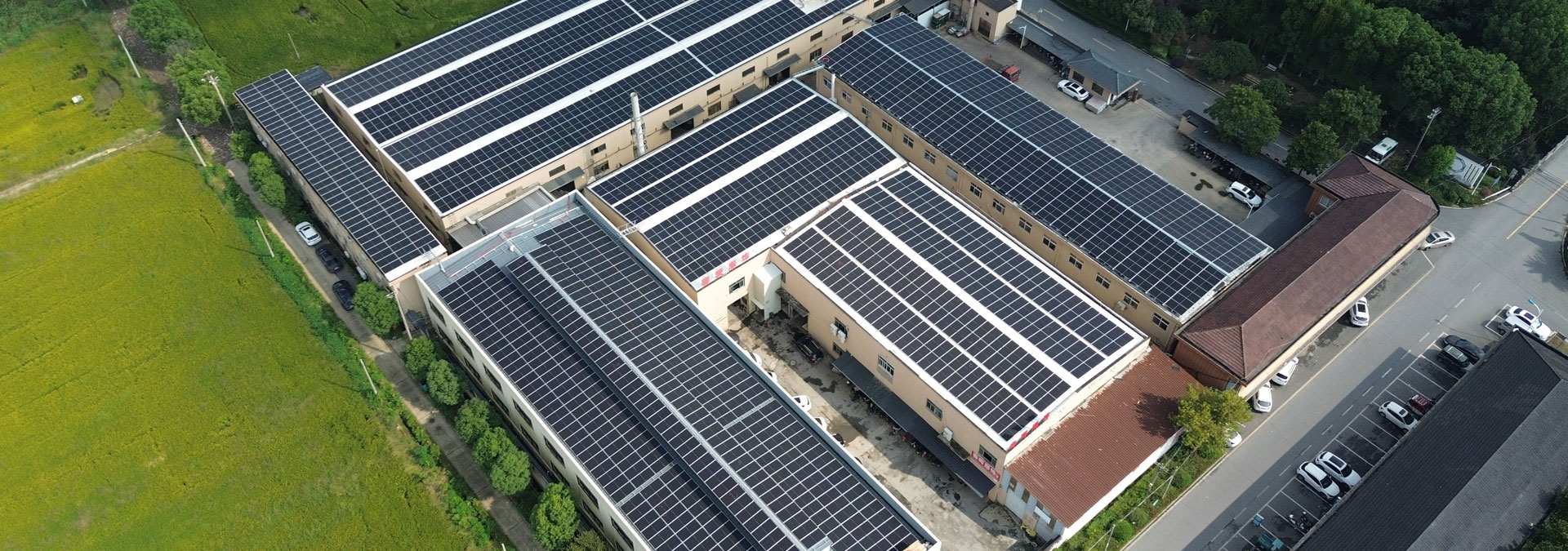
In cultural architecture projects, the roof is rarely treated as a simple covering element. It often becomes the first visual impression of a building, especially in public or heritage-related spaces. Long before people notice entrances or materials on the ground level, the roof line usually sets the tone.
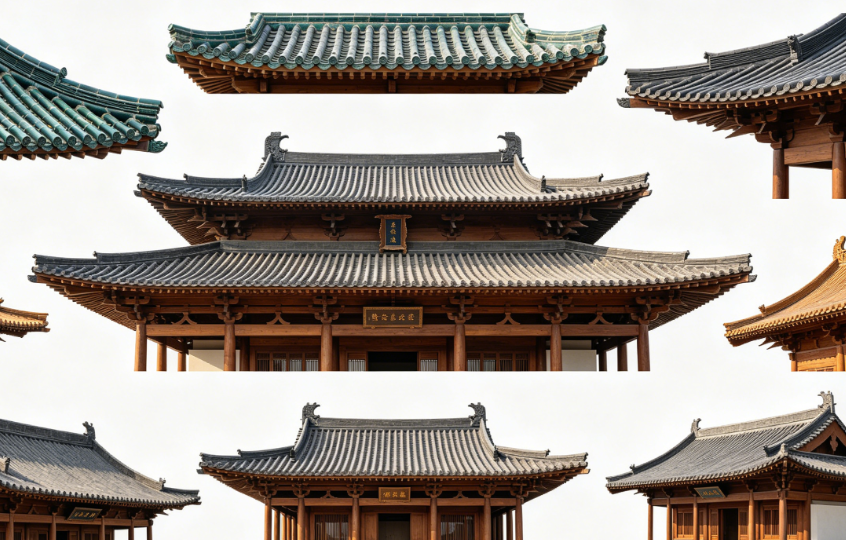
Chinese-style roofing materials are frequently used in this context. Not as a direct copy of historical buildings, but as a visual language that carries cultural meaning in a more flexible way. The focus is less about exact tradition and more about recognizable form, rhythm, and silhouette.
This is why they continue to appear in museums, cultural parks, tourism spaces, and mixed-use public environments.
Why does the roof carry cultural meaning so strongly?
In many architectural settings, the roof is the most visible layer from a distance. It is also the part that interacts most directly with the skyline and surrounding landscape.
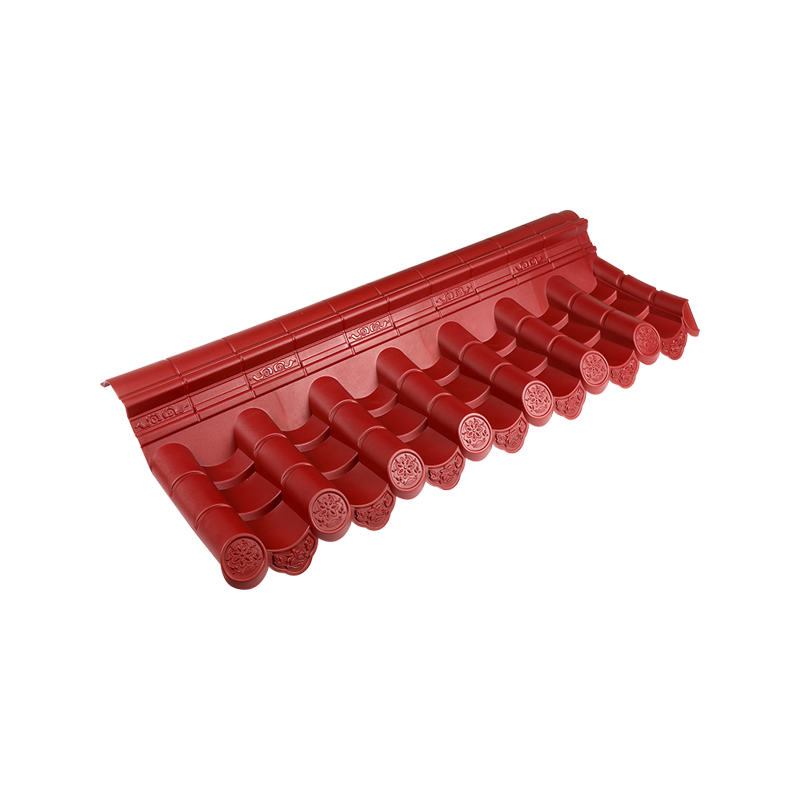
Chinese-style roofing usually rely on shape rather than heavy decoration. A few visual patterns tend to appear again and again:
- gently curved roof edges
- extended eaves that soften the outline
- layered surface rhythm
- upward lifting corners
- balanced overall proportions
These elements do not work in isolation. Together, they form a visual identity that is easily associated with cultural architecture.
In many cases, people recognize the cultural nature of a building before they understand its function. The roof does most of that work quietly.
Is this design approach about copying tradition?
Not really. In most modern projects, the intention is not to replicate historical construction in detail.
Instead, designers often extract visual behavior from traditional forms. That means focusing on how a roof feels rather than rebuilding it exactly.
Three ideas appear repeatedly in this approach:
The first is movement. Roof lines are rarely rigid. They shift slightly, creating a sense of flow.
The second is direction. Eaves often guide the eye outward or upward instead of stopping it.
The third is layering. Even simple roofs often include subtle steps or stacked visual depth.
This allows cultural references to remain visible even when materials and construction methods have changed.
Where are Chinese-style roofing materials actually used?
In real projects, these roofing systems are not limited to traditional-style buildings. Their use is much broader and often more practical.
Common applications include:
- cultural exhibition buildings
- museum complexes
- tourism reception areas
- public parks and gardens
- pedestrian cultural streets
- community cultural centers
What connects these spaces is not architectural style, but function. They all require a clear sense of identity.
A roof becomes a way to signal that identity without needing complex explanation.
Why do curved roof lines appear so often?
Curved roof forms are one of the most recognizable features in Chinese-style roofing.
They change how a building feels even before entering it.
A straight roof tends to feel fixed and static. A curved one introduces softness. It shifts the visual weight and creates a sense of movement.
In cultural spaces, this matters because these environments are not designed for quick passage. They are usually meant for walking, pausing, and observing.
Curved lines support that slower rhythm.
They also connect naturally with surrounding elements such as trees, water surfaces, and open pathways, which rarely follow strict geometric order.
How have roofing materials changed in modern use?
While the visual language remains familiar, the materials themselves have shifted significantly.
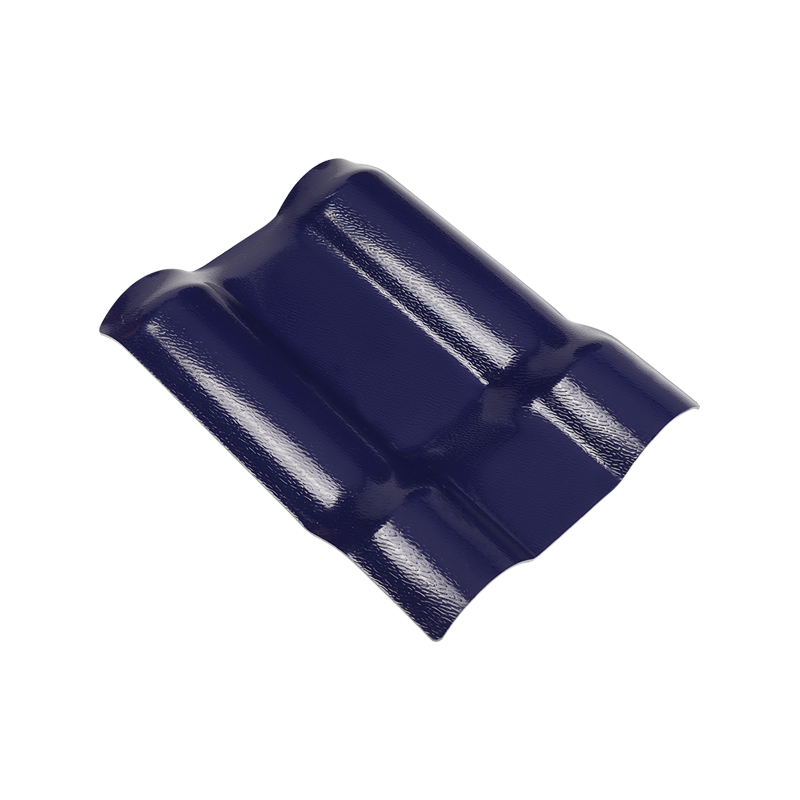
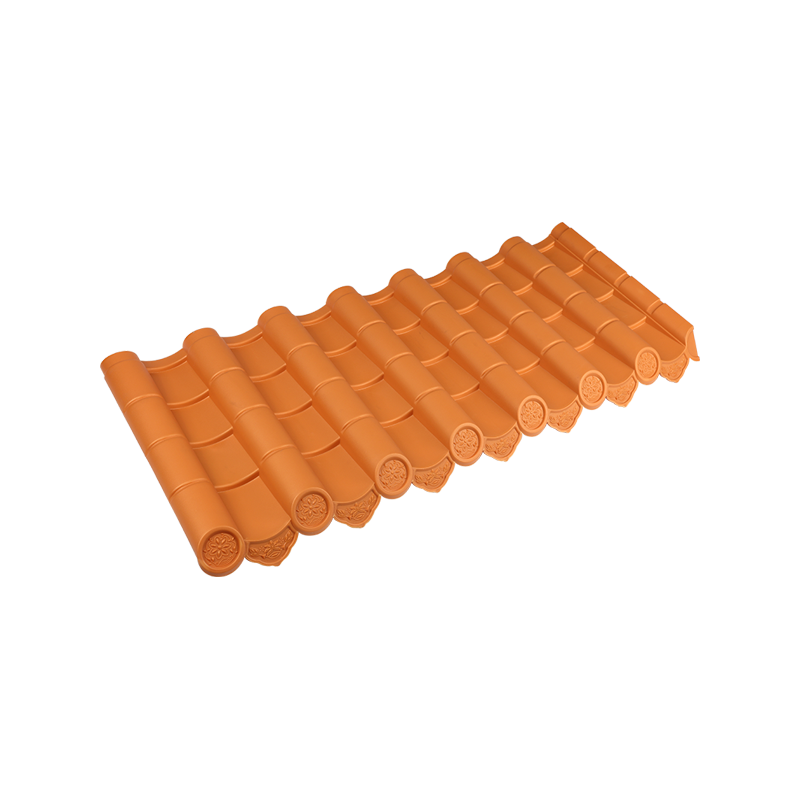
Chinese roofing materials today are often built with modern construction needs in mind. This includes flexibility, durability, and compatibility with different structural systems.
Typical visual directions include:
- tile-like surface impressions without heavy weight
- softer matte finishes instead of reflective surfaces
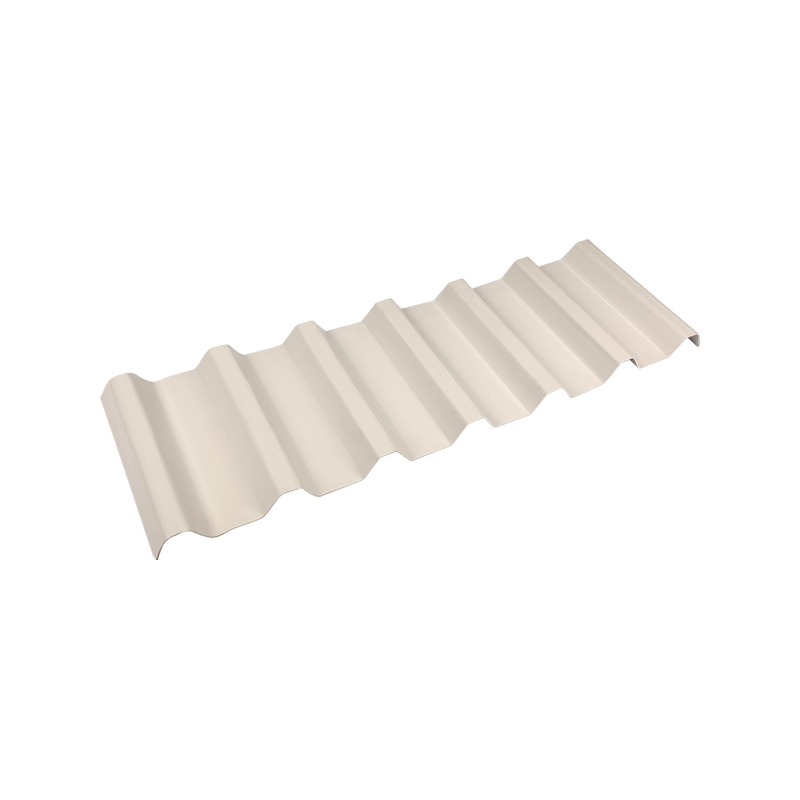
- simplified layered textures
- adaptable surface coatings for different environments
The result is a system that looks traditional in silhouette but behaves like modern construction material.
This balance allows designers to apply cultural expression without being limited by older building methods.
What role do these roofs play in landscape and tourism spaces?
In landscape design, roofing is not only about shelter. It becomes part of spatial storytelling.
Chinese roofing materials are often used in parks, scenic areas, and tourism environments because they help define visual landmarks.
Their roles often include:
- marking gathering points
- framing views toward natural scenery
- creating shaded resting zones
- guiding pedestrian movement
- adding rhythm to open landscapes
| Landscape function | Roofing contribution |
|---|---|
| Orientation | Visual landmark |
| Movement | Directional cues |
| Rest areas | Shelter and comfort |
| Scenic framing | Controlled viewpoints |
In these settings, the roof is not just above the space. It actively shapes how the space is experienced.
How do they influence urban cultural projects?
Urban environments introduce a different challenge. Cultural identity needs to exist without overwhelming modern infrastructure.
Chinese-style roofing materials are often used as small cultural signals within the city rather than dominant structures.
They may appear in:
- neighborhood cultural corners
- small public pavilions
- park facilities
- cultural street entrances
In these cases, the roof works more like a marker than a full architectural statement.
It signals cultural presence in an otherwise modern environment.
The result is subtle but effective. It adds variation without disrupting the overall urban structure.
Why are these roofs still widely used in design practice?
One reason is readability. The form is visually understandable across different contexts.
Even without deep cultural knowledge, people tend to recognize the difference between a standard flat roof and a Chinese-style roof silhouette.
This immediate recognition reduces the need for explanation. The building communicates part of its identity through shape alone.
Another reason is adaptability. The same visual language can be adjusted for large museums or small garden structures without losing coherence.
That flexibility keeps it relevant in modern design discussions.
How do they relate to modern architectural thinking?
Modern architecture is no longer strictly divided into traditional and contemporary categories. Many projects exist in a blended state.
Chinese-style roofing materials often sit in this middle space.
They bring cultural reference into modern construction without fully returning to historical methods.
This creates buildings that feel culturally grounded but structurally modern.
In practice, this approach is especially common in public architecture where identity and usability need to coexist.
The roof becomes a quiet connector between past visual memory and present-day building logic.

 Email:
 Phone:
 Adress: