



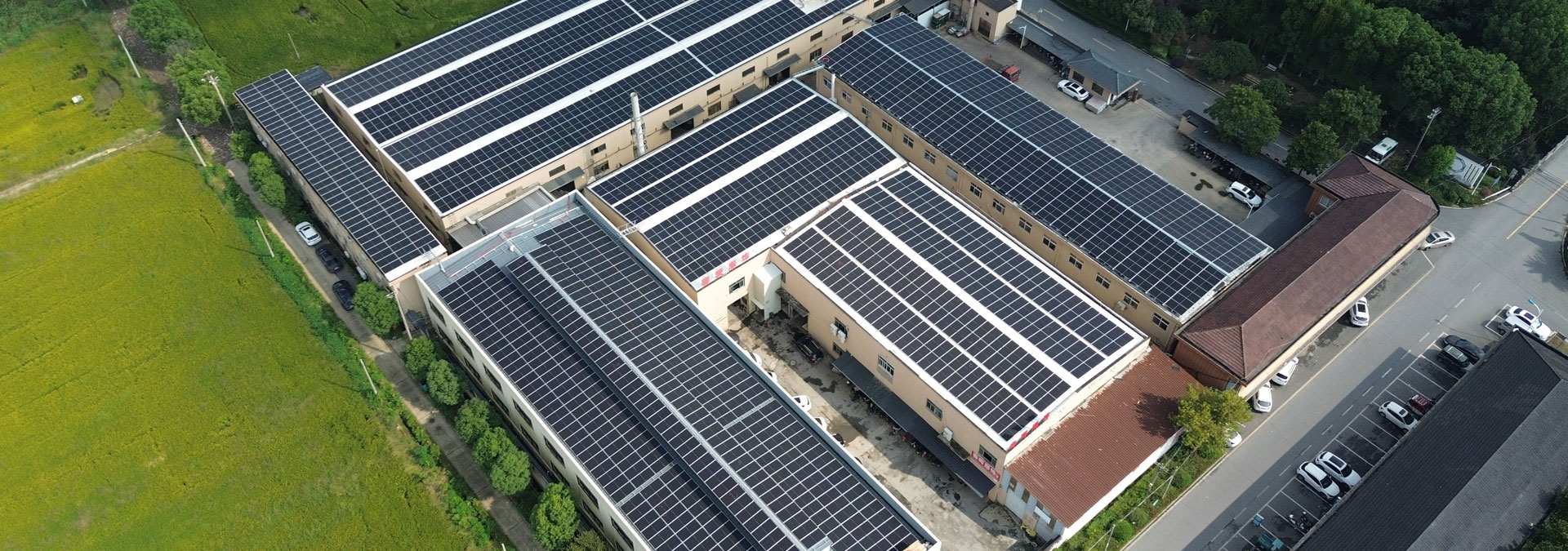
In recent years, roof construction across China has seen obvious changes. City skyscapes keep taking on new looks, and rural housing is also built to meet newer living needs. Beyond these visible shifts, people no longer just stick to old ways when picking roofing materials. Instead, they take local weather conditions, budget costs, exterior looks and construction speed all into account.
You can easily spot big differences across various areas. Coastal regions, industrial parks, new suburban districts and mountain villages all favor different roofing materials. No matter where it is, people now tend to seek a proper balance. They want products that are both sturdy and cost-effective, blend classic styles with modern building techniques, and look nice while working well in practical use.
We are takes a closer look at the China Roofing Materials that are most commonly used across China today, and how they fit into the broader construction environment.
Why Do Roofing Materials Matter More Than Before?
Roofing was once seen as a finishing step. Now it is often considered early in the design process. Builders and property owners pay closer attention to how a roof behaves over time.
A roof tile does more than cover a structure. It affects indoor comfort, influences maintenance needs, and shapes the overall appearance of a building. In regions with strong sun, heavy rain, or seasonal temperature swings, the choice of material becomes even more critical.
Another factor is labor. Some materials are easier to install than others. In fast-paced construction environments, that difference can affect project timelines.
Which Roofing Materials Are Most Commonly Seen?
Across China, several materials appear again and again. Each one has found its place in specific types of buildings and environments.
1. Clay Tiles
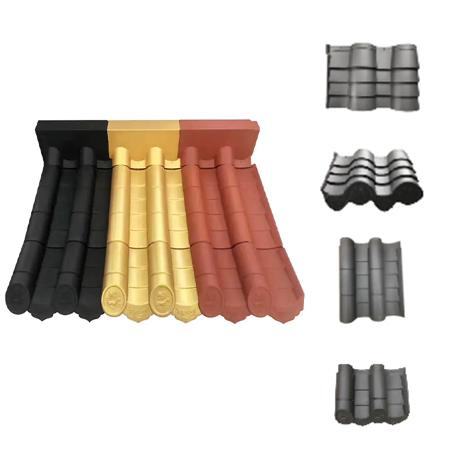
Clay tiles remain a familiar sight, especially in traditional-style buildings. Their warm tones and curved shapes give roofs a recognizable character.
They are often used in:
- Residential homes in southern regions
- Restored heritage buildings
- Tourist-oriented developments
Clay tiles are valued for their natural look. They age in a way that many people find appealing. At the same time, they require careful handling during installation.
2. Metal Roofing Sheets
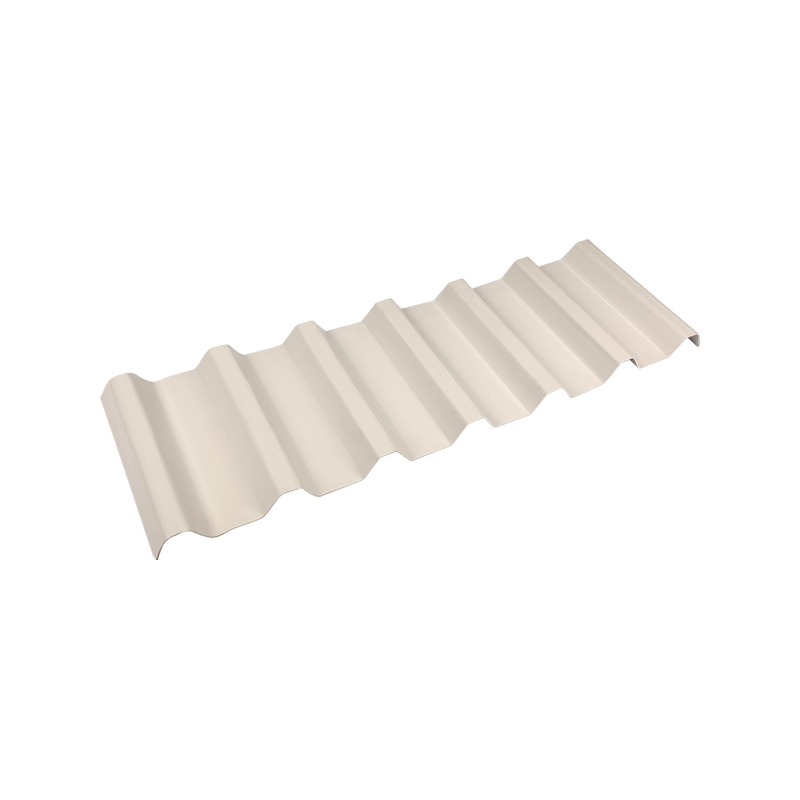
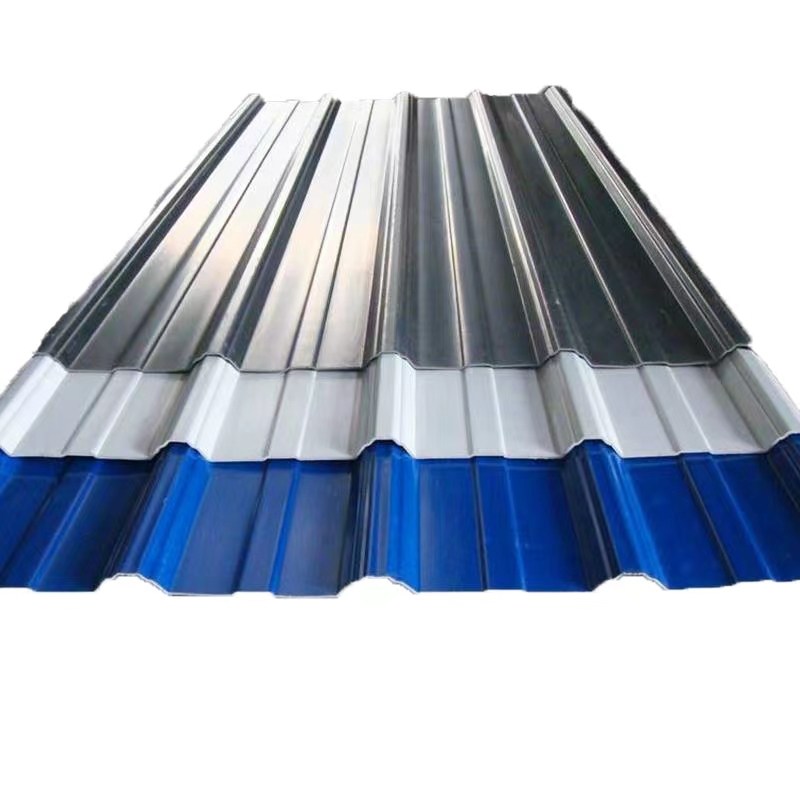
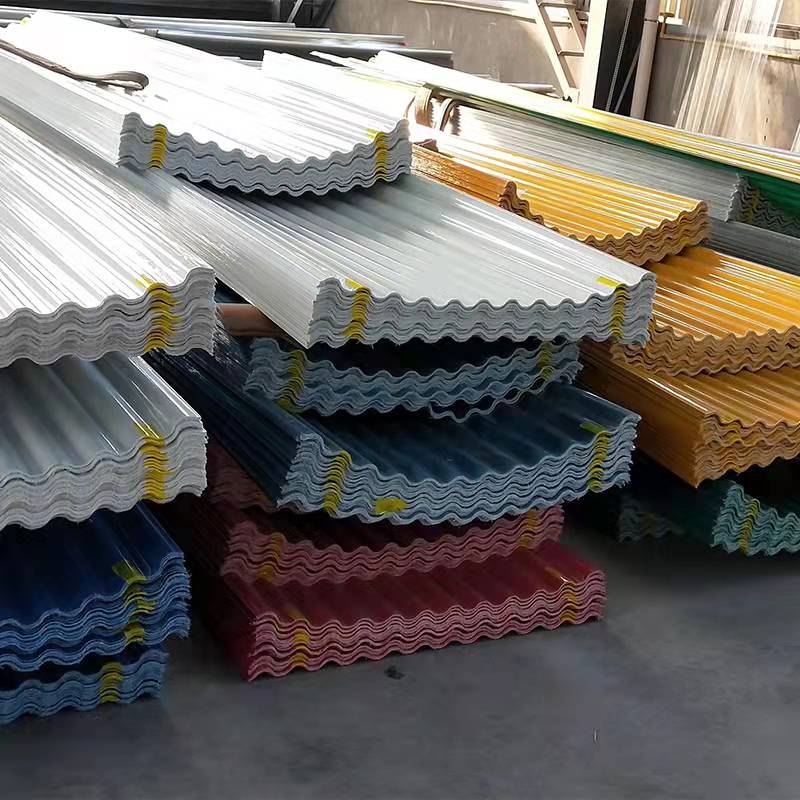
Metal roofing has become widely used in industrial and commercial construction. Large warehouses and factories often rely on this option.
Common reasons for its popularity include:
- Quick installation
- Lightweight structure
- Adaptability to large spans
In urban outskirts and logistics zones, rows of metal-roofed buildings have become a common sight. Some residential projects have also started to adopt metal roofing for a more contemporary appearance.
3. Asphalt Shingles
Asphalt shingles have gained attention in residential developments. They are often chosen for modern housing projects.
Their appeal comes from:
- A wide range of colors
- Flexible design options
- Relatively simple installation
They are especially common in planned communities where visual consistency is important.
4. Concrete Tiles
Concrete tiles offer a middle ground between traditional and modern materials. They can mimic the look of clay while providing a different structural feel.
They are often used in:
- Suburban housing
- Low-rise developments
- Mixed-use projects
Their uniform shape and finish make them suitable for projects where consistency matters.
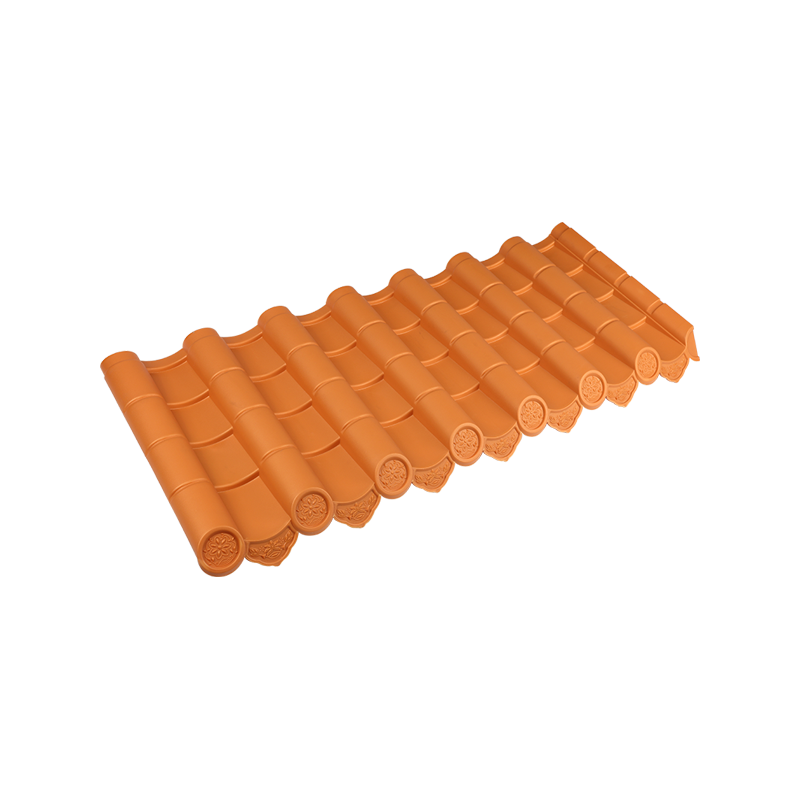
5. Synthetic Roofing Materials
Newer synthetic materials are gradually entering the market. These are designed to resemble traditional materials while offering different handling characteristics.
They are used in:
- Renovation projects
- Lightweight structures
- Design-focused buildings
Although still developing in popularity, they reflect a broader shift toward material innovation.
How Do These Materials Compare?
The following table offers a general comparison of commonly used roofing materials in China. It focuses on practical aspects rather than technical measurements.
| Material Type | Visual Style | Installation Ease | Common Use Areas | General Impression |
|---|---|---|---|---|
| Clay Tiles | Traditional | Moderate | Residential, heritage | Classic and familiar |
| Metal Sheets | Industrial | High | Factories, warehouses | Functional and efficient |
| Asphalt Shingles | Modern | Moderate | Housing developments | Versatile and adaptable |
| Concrete Tiles | Semi-traditional | Moderate | Suburban projects | Balanced and consistent |
| Synthetic Materials | Variable | Moderate | Renovation, design-led | Emerging and flexible |
This comparison highlights how no single material dominates every situation. Instead, each one fits a particular need.
How Does Climate Influence Material Choice?
China spans a wide range of climates, so roof materials have to suit different local weather conditions.
Places in the south get heavy rainfall all year round, so people prefer roofing materials with good drainage performance. Northern regions face cold and harsh winters, making solid durability the top priority.
Sunlight exposure also matters a lot. Some materials absorb more heat than others. People will take into account the roof's influence on indoor temperature, especially for residential houses.
Now builders no longer use the same material everywhere, and will pick proper options according to local weather features.
What Role Does Cost Play in Decision-Making?
Budget is definitely an important factor, yet it is never the only standard to make choices.
Some construction projects focus on cutting initial spending, while others pay more attention to later maintenance costs. Low-cost materials may need frequent upkeep in use, and high-priced products can bring different long-term benefits.
Builders will mainly weigh these points:
- Raw material cost
- Construction difficulty
- Daily maintenance cost
The final choice is made by combining all these practical factors together.
Are Aesthetic Preferences Changing?
People's aesthetic tastes are slowly changing these days.
Classic traditional roof styles are still quite popular, especially for buildings with local cultural characteristics. Meanwhile, modern simple designs are more and more common in newly built urban areas.
Now many places integrate two styles together:
- Classic tile shapes matched with trendy colors
- Modern materials laid in traditional layouts
- Plain roof shapes decorated with textured surfaces
Everyone is willing to try new looks, but still keeps the sense of familiarity in design.
How Is Installation Practice Evolving?
Roof construction ways keep updating along with the upgrading of building materials.
Main developing trends are as follows:
- Pursuing faster construction speed
- Widely using prefabricated parts
- Unified and standardized construction steps
These changes are mainly to save labor costs and shorten construction periods, so easy-to-install materials are more favored.
Of course, fine manual construction is still indispensable, especially for clay tiles and other materials that require careful laying work.
What Are Builders Paying Attention To Now?
Now builders think more comprehensively when selecting roof materials.
They no longer only meet short-term use demands, but also value the long-term service performance of roofs.
Core concerns include:
- Whether the appearance will age easily in long-term use
- Subsequent maintenance frequency
- Matching degree with the overall building style
Besides, people also start to focus on the coordination between roofs and other building parts, instead of regarding the roof as an independent part.
Are Traditional Materials Losing Ground?
Traditional roof materials have not been phased out completely. They still occupy a stable market share in specific areas and building types.
But they are not the first choice for all projects anymore. Modern new materials have their own unique advantages, and practitioners are more willing to try diverse options.
In many cases, people optimize traditional materials instead of replacing them directly. Upgraded production and construction methods make old-style materials more practical.
The whole industry is seeking steady inheritance and proper innovation.
What About Sustainability Considerations?
Sustainability is part of the conversation, though it is often approached in practical terms.
Rather than focusing on abstract ideas, builders look at:
- Material lifespan
- Reusability
- Impact on maintenance cycles
Some materials are chosen because they last longer. Others are selected because they are easier to handle during renovation.
The approach is often pragmatic. It is less about labels and more about how a material performs over time.
How Do Urban And Rural Preferences Differ?
Cities are quicker to accept new-type roof materials. Large-scale urban projects mostly choose materials suitable for rapid construction and unified appearance.
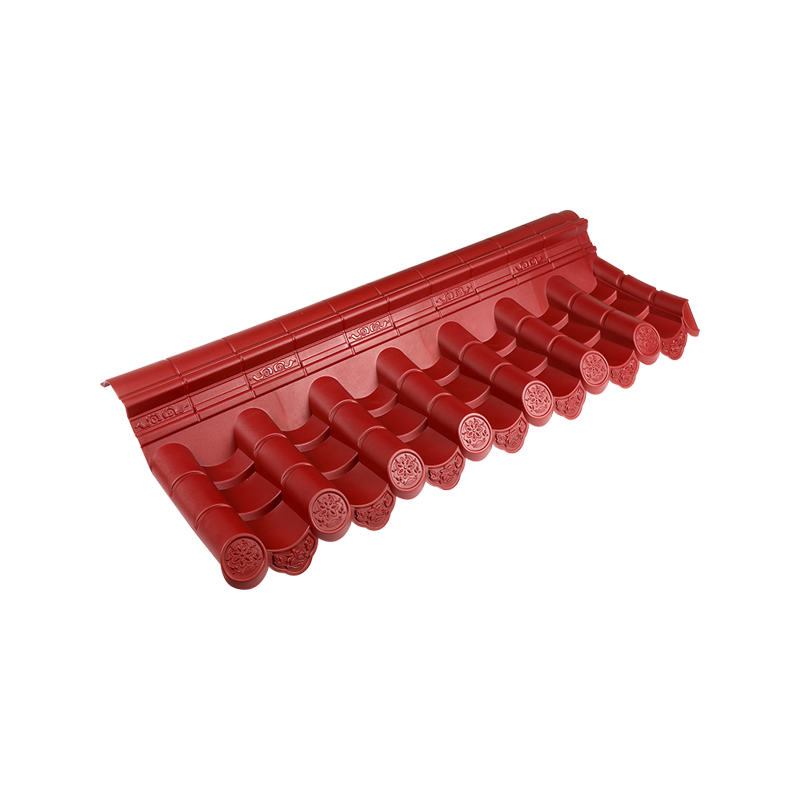
In rural areas, Traditional Chinese Roof Tiles materials are still widely used. Local people are familiar with these materials, and local construction workers are more skilled in laying them.
But the gap between urban and rural choices is gradually narrowing. With convenient logistics, more kinds of building materials can be delivered to remote areas easily.
What Trends Are Shaping The Future?
Several obvious development trends have emerged in the roof industry:
- People favor materials that balance beautiful appearance and strong practicality
- More people choose materials that simplify construction work
- Traditional design elements keep merging with modern styles
The whole industry will not develop in a single fixed direction, but provide richer and more diversified choices for the market.
How Should Buyers Approach Material Selection?
For those involved in construction or renovation, the number of options can feel overwhelming. A practical approach often works best.
It helps to consider:
- The building's purpose
- The surrounding environment
- The desired visual style
Rather than searching for a single "ideal" material, it is often more useful to look for a suitable match.
A Closer Look At Everyday Decisions
In fact, most final choices are decided by some trivial practical details.
Constructors may pick certain materials for easy transportation; household owners choose styles matching the surrounding house styles; developers prioritize unified effects of all buildings.
These small independent choices add up and gradually form the mainstream development trend of the whole industry.
Material Selection As A Reflection Of Change
The change of roof material selection habits also reflects the overall transformation of the construction industry and public aesthetic views. The industry keeps adapting to new market demands while retaining excellent traditional experience.
Whether it is classic clay tiles for folk houses or metal roofing sheets for factory buildings, every material has its own applicable scenarios. What changes most is people's selection thinking.
Now people consider more factors and make choices more rationally, forming a diverse yet orderly roof construction market.


 Email:
 Phone:
 Adress: