



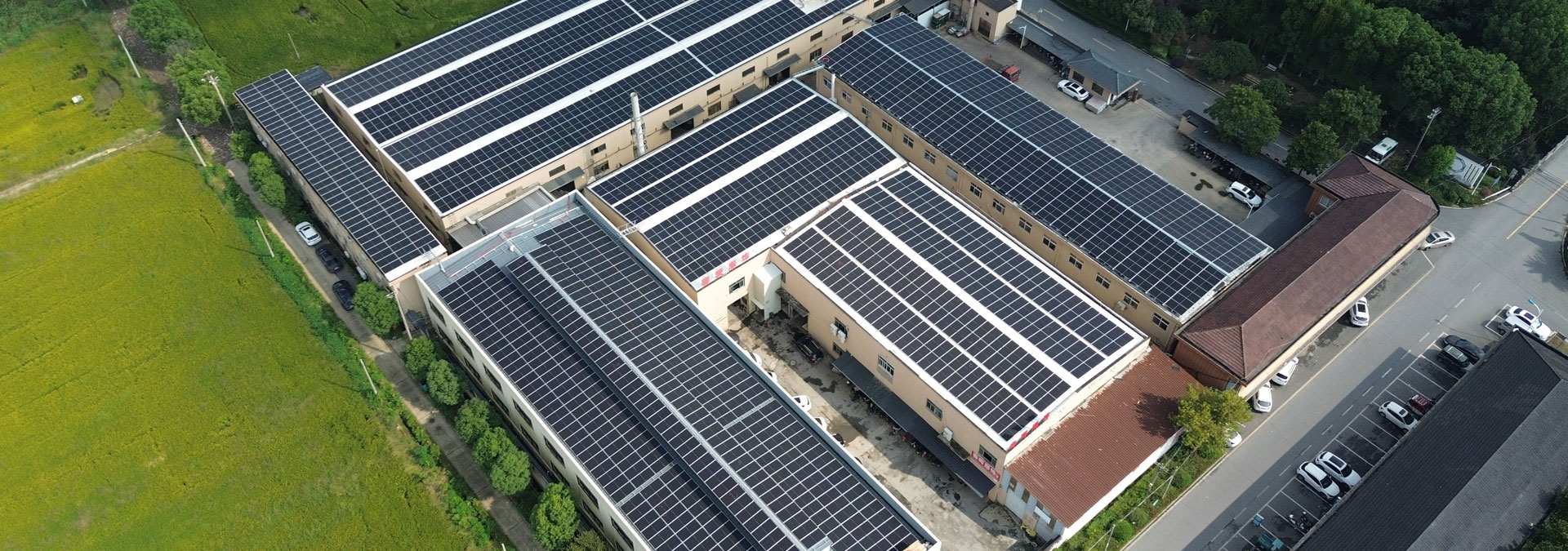
Easy Roll Roofing has become a practical option in many construction and repair projects where speed and simplicity matter. It appears simple from the outside. A long sheet is unrolled, placed, and secured. Still, the process behind it is more structured than it looks.
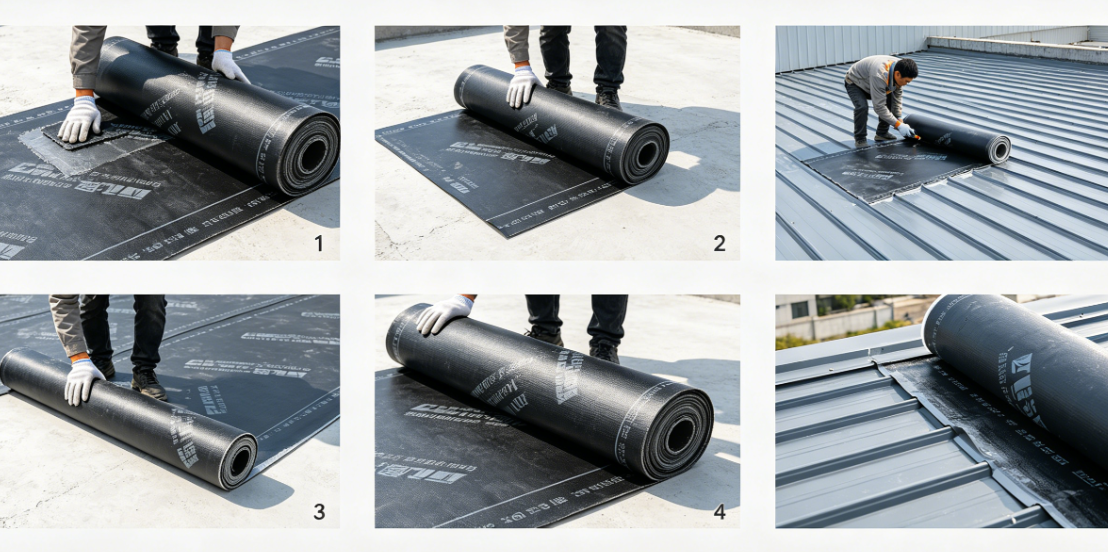
The installation is less about complexity and more about sequence. Each stage prepares the surface for the next move. Skipping or rushing a step often shows later in performance or appearance. Understanding the process helps explain why the method is widely used in both small and large building work.
What is easy roll roofing in practical terms?
Easy roll roofing is a roofing method that uses flexible sheet material supplied in rolls. Instead of placing individual pieces one by one, the surface is covered using continuous strips.
The material is designed to lie flat across a prepared roof base. Once positioned, it is fixed in place so it forms a protective layer. The idea is to reduce gaps and simplify coverage.
In daily use, it is often chosen for surfaces that are relatively flat or gently sloped. The installation does not require repeated shaping of small parts. The roll itself becomes the main working unit.
From a workflow point of view, it reduces fragmentation. A large section can be covered in a single motion, then refined afterward.
What needs to be checked before installation begins?
Before any roll is opened, the surface underneath matters more than anything else. The base needs to be stable and free from loose material.
A quick visual check is usually the starting point. Workers look for uneven areas, debris, or moisture. Even small irregularities can affect how the sheet sits later.
The surface is then cleaned. Dust and residue are removed so the material can make full contact. If the base is damp, drying time is often needed before continuing.
Edges and corners are also reviewed. These areas tend to influence how well the sheet will settle. A flat, even base allows smoother placement and reduces adjustment later.
This stage is not fast, even if it seems simple. It sets the tone for the rest of the process.
How is measurement and layout prepared?
Once the surface is ready, attention shifts to layout. This step defines where the material will sit.
The roll roofing is not placed randomly. It follows a planned direction across the surface. Workers often mark light guide lines or reference points to keep placement consistent.
The roll is usually positioned without being fully fixed at first. It is laid out loosely so adjustments can be made. This helps avoid misalignment that becomes harder to correct later.
At this stage, the material is handled carefully. Once it is pressed down firmly, repositioning becomes more difficult.
The layout step often feels like planning in motion. The material is already present, but not yet committed.
What happens during initial placement of the roll?
The roll is then opened gradually across the surface. This is done in a controlled way, not all at once.
As it unrolls, the material is guided into position. Small shifts are made to keep edges aligned. The goal is to avoid folds or trapped air underneath.
In many cases, one side is aligned first. The rest follows in sequence. This helps maintain direction across the surface.
Pressure is kept light during this stage. The material is still adjustable. Once it is fully in place, attention moves to fixing it more securely.
The process feels continuous. Each movement influences the next section of the sheet.
How is the material secured to the surface?
After placement, the sheet begins to be fixed in position. This is where it becomes part of the structure rather than just a covering.
Fixing can involve pressing, bonding, or fastening depending on the system being used. The goal is consistent contact between the sheet and the base.
Work usually starts from one edge and moves outward. This helps push out any trapped air and keeps the surface smooth.
Pressure is applied gradually. Sudden force is avoided, since it can distort alignment. The sheet is guided into place rather than forced.
Once secured, the material no longer shifts easily. It begins to function as a unified layer.
Why is overlap an important part of installation?
In roll roofing, sections are not always placed edge to edge. Overlap is often used to strengthen continuity.
Each new strip may sit slightly over the previous one. This creates a layered effect that helps cover joins.
The overlap is kept consistent during installation. If it varies too much, the surface may look uneven or behave differently under stress.
Workers usually pay attention to how each section connects with the next. It is less about individual pieces and more about how the full surface comes together.
The pattern created by overlap is subtle but important. It supports long-term stability of the covering.
How are edges and corners handled?
Roof edges and corners demand more careful attention than flat roof areas. These are the places where roofing materials often slip or peel up after long‑term use.
For edges, installers cut the material precisely to follow the roof's contour. All cuts are kept clean, with no loose edges left hanging.
Corners require extra pressing and securing during installation. Workers lay each sheet with care to avoid folds, wrinkles or gaps.
Minor adjustments are made constantly here. Even a slight angle difference can change how firmly the material sits.
These key areas are checked repeatedly, with installers revisiting them even after the roof is mostly finished.
What role does smoothing play during installation?
Once a roofing sheet is placed, workers hand‑smooth the entire surface. This removes trapped air bubbles and levels out small uneven patches.
Smoothing is done bit by bit across the whole surface, rather than in one quick pass.
Light pressure helps the material lie flat naturally. Small waves and bumps are pressed out until the surface is smooth everywhere.
This step is done slowly and patiently. Workers focus on close observation and gentle adjustments instead of using brute force.
A well‑smoothed surface ensures the roofing performs properly, while giving the finished roof a neat, consistent look.
How is progress checked during the process?
Workers keep checking quality non‑stop while installing roofing material, not just at one single step.
They constantly check alignment, how well the material sticks down, and overall evenness as they go.
Any small mistake gets fixed right away, so bigger problems don't develop later on.
These checks are simple and practical, based on visual inspection rather than complicated measuring steps.
Changes in texture or how the material lines up are usually enough to tell workers something needs fixing.
What adjustments are commonly made during installation?
Not every surface behaves the same way during installation. Minor adjustments are expected.
Some of the more common changes include:
- Slight repositioning of the sheet
- Additional pressure in specific areas
- Realignment along edges
- Smoothing repeated in selected sections
- Trimming small excess material
These adjustments are not treated as separate tasks. They are part of the flow of installation.
The goal is to keep the surface continuous and stable without interrupting the process.
How does environmental condition affect installation?
Outdoor conditions can influence how easy roll roofing behaves during installation.
Warm surfaces may allow the material to settle more easily. Cooler conditions may make it slightly stiffer. Air movement can affect how the sheet lies during unrolling.
Workers often adapt their pace based on these conditions. The method stays the same, but timing can shift.
Even light changes in environment can affect alignment or smoothing. Because of this, installation is often adjusted in real time.
These factors are not always predictable, so attention remains on how the material responds during work.
How is the final section completed?
As installation moves toward completion, attention shifts toward finishing the last section of the roll.
The final part is often where alignment is checked again. Since there are no more connecting sheets beyond this point, accuracy matters.
Edges are secured carefully. Any remaining loose areas are pressed down and smoothed.
The surface is then reviewed as a whole. This is not a formal inspection but more of a final pass over the work area.
Small corrections may still happen at this stage. Even near the end, adjustments are part of the process.
How does the installed surface settle after application?
Once the roll roofing is in place, it begins to settle into the surface beneath it.
The material adjusts slightly over time as it conforms to the base. Pressure from its own placement helps it stabilize.
This settling is gradual. It does not change the structure but refines how the surface sits.
In many cases, the installed layer becomes more uniform after initial placement as small internal tensions ease out.
The system then transitions from installation phase to stable covering, where movement is minimal and the surface remains in position.

 Email:
 Phone:
 Adress: